Location
Mount Vernon, WA 98274

Location
Mount Vernon, WA 98274
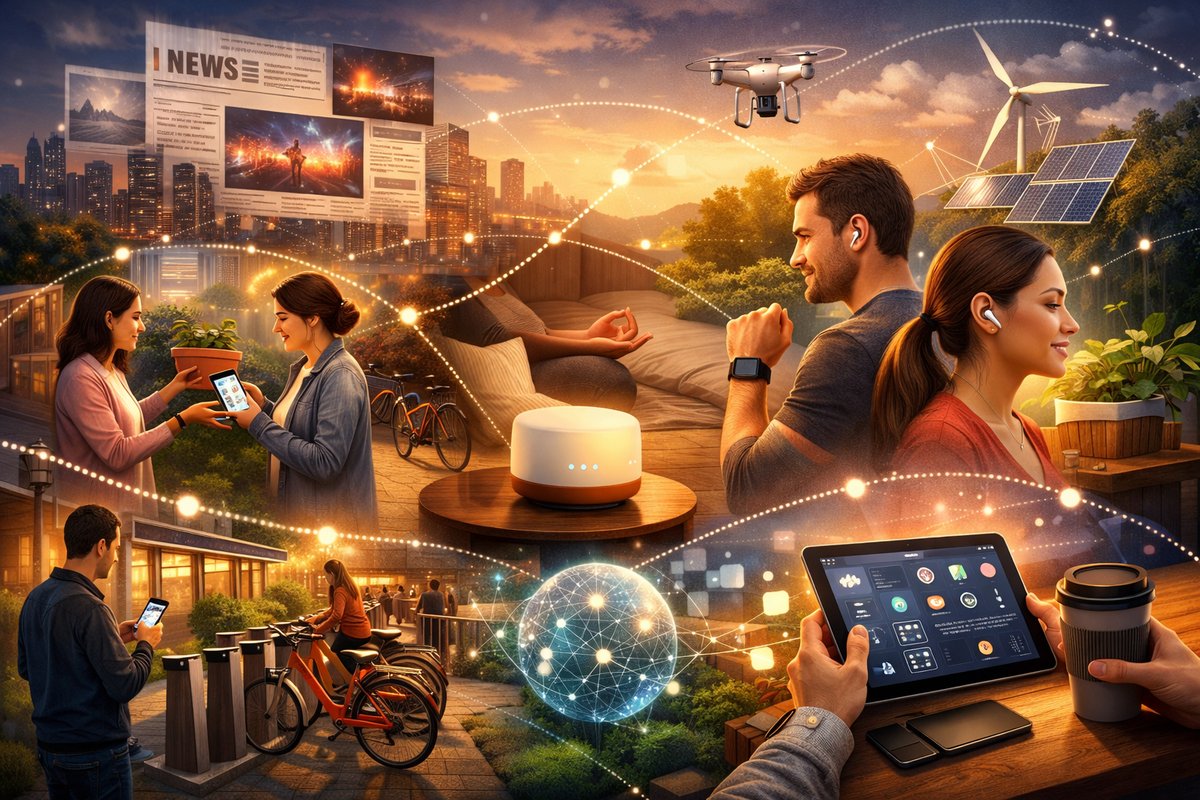
Beneath the roar of headlines, subtle shifts are weaving new patterns across culture, technology, and daily routines. From hyperlocal sharing platforms to ambient wellness devices, these emerging currents reveal how small changes are steering our collective future.
In living rooms and local coffee shops, in backyard gardens and mobile apps, tiny ripples are accumulating into subtle waves of change. While blockbuster technological breakthroughs and headline-grabbing social movements dominate the news cycle, a quieter story is unfolding just below the surface. This is the world of micro-trends-small-scale experiments, neighborhood initiatives, and personal habits that gain traction through word of mouth, community curation, or low-key online networks. They rarely make front-page news, yet they point toward tomorrow’s cultural landscape.
Take the rise of hyperlocal skill exchanges. In cities and suburbs alike, digital noticeboards and chat threads connect neighbors who want to trade a few hours of gardening expertise for a bicycle tune-up or a basic coding tutorial for a batch of homemade jam. These informal networks bypass formal marketplaces. They foster trust by focusing on personal connections, shared interests, and a commitment to sustainability. Early adopters report that exchanging skills feels more rewarding than purely transactional online platforms. It reinforces social bonds and transforms everyday acts of neighborliness into micro-economies built on reciprocity rather than profit.
Meanwhile, a wave of ambient wellness tools is entering homes and office spaces. Beyond sleek fitness trackers and meditation apps, people are investing in devices that shape their environments to support focus, relaxation, and healthier sleep. Portable nature-sound machines generate forest rain, ocean surf, or wind through pine needles. Adaptive lighting systems adjust color temperature and brightness to mimic sunset and sunrise, reducing eye strain and aligning with natural circadian rhythms. Modular air-quality monitors and plant-infused humidifiers not only measure pollutants but also release gentle mists or botanical scents to cleanse the air. These low-key gadgets reflect a collective craving for sensory balance and an intuitive approach to well-being.
In fashion circles, micro-collections designed for versatility and repairability are gaining momentum. Independent designers are releasing small runs of modular garments that can be reconfigured or customized with simple fasteners, reversible fabrics, and swappable panels. Repair workshops hosted at local studios and pop-up events teach sewing basics, mending techniques, and upcycling hacks. This shift counters the fast-fashion ethos, encouraging consumers to see clothing as an evolving canvas rather than disposable inventory. It aligns with growing awareness around textile waste and the carbon footprint of mass production.
Education is also bending toward microlearning. Beyond hour-long online courses and comprehensive degree programs, bite-sized tutorials, daily challenges, and skill sprints are engaging learners who juggle multiple responsibilities. Apps send two-minute language exercises at random times, micro-documentary clips introduce concepts in design or science, and remote mentors host 15-minute coaching sessions over video chat. These approaches harness the psychology of habit formation: a small daily investment can compound into significant expertise over weeks and months.
Yet the most transformational undercurrent may be the rise of community-curated digital platforms. Niche forums and group-chat servers dedicated to specific interests-urban foraging, analog photography, modular furniture hacks-are blossoming. Moderated by volunteers passionate about the topic, these spaces prioritize privacy, civility, and depth over reach. Algorithms are simple chronological feeds or manually curated highlights rather than engagement-driven recommendation engines. Members report feeling more at ease exploring unconventional ideas, sharing personal stories, and collaborating on local projects without the pressure of public visibility.
These micro-trends share common values: privacy, sustainability, curiosity, and emotional intelligence. They reject one-size-fits-all solutions in favor of adaptability. They place human connection at the center, whether that’s swapping plant-care tips with a neighbor, joining a midnight online improv jam, or calibrating your desk lamp to signal it’s time for a mindful stretch. They remind us that culture and technology evolve most meaningfully when they move in step with individual rhythms and community needs.
One indicator of this broader shift is the emerging field of empathic interaction design. Designers are crafting interfaces that respond to users’ moods rather than merely tracking clicks and conversions. A writing app might detect signs of writer’s block-hesitant pauses or repeated backspacing-and offer an optional prompt or breathing exercise. A task manager could sense high stress and suggest a five-minute meditation break or a walk outside. Rather than pushing notifications designed to keep users scrolling, these systems prioritize emotional well-being, adapting to each moment.
Of course, micro-trends are inherently decentralized and often ephemeral. Not every tiny movement will blossom into a widespread phenomenon. Some experiments fizzle out once novelty wears off or enthusiastic founders move on. But even failed prototypes can yield valuable insights about niche needs and latent possibilities. The practice of diving into fringe communities, prototyping low-budget gadgets, or hosting pop-up events can generate feedback loops that inform larger innovations. In many cases, mainstream platforms and products absorb the best ideas from these micro-cultures-sometimes years after they first emerge.
For curious readers and aspiring changemakers, engaging with micro-trends can be both inspiring and practical. You might start by scanning local community boards online or at neighborhood hubs. Attend a pop-up repair café near you or share a micro-lesson in your area of expertise. Experiment with a small ambient wellness device-perhaps a plug-in diffuser that cycles subtle light and sound patterns-and observe how it shifts your focus or mood. Join a specialized forum dedicated to an unlikely interest, from digital calligraphy to backyard mycology, and notice how collective curiosity sparks new knowledge pathways.
Sustainability remains a guiding principle throughout these shifts. Many micro-trend pioneers emphasize circular-economy practices: sourcing materials locally, repurposing existing objects, and designing with end-of-life disassembly in mind. The garments you wear, the gadgets you install, even the digital spaces you inhabit become part of a larger ecosystem. By choosing modular, repairable, and shared models, individuals contribute to a culture that values resourcefulness over redundancy.
Ultimately, the quiet revolutions reshaping our daily lives remind us that big changes often start with small steps. A single neighborly skill swap, a custom-built garment panel, or a curated online chat room may feel insignificant on its own-but when multiplied across thousands of individuals, these gestures form new patterns in motion. They point us toward futures where design, technology, and culture are more adaptable, human-centered, and attuned to the rhythms of everyday life.
As we navigate an era defined by rapid shifts and unpredictable disruptions, paying attention to these emerging currents can yield both practical benefits and collective resilience. Micro-trends invite us to become active participants rather than passive consumers, to co-create our environments, and to weave networks of care and curiosity. In a world hungry for both innovation and emotional connection, these subtle signals may be our most reliable compass for finding balance, sustaining creativity, and forging new pathways forward.