Location
Mount Vernon, WA 98274

Location
Mount Vernon, WA 98274
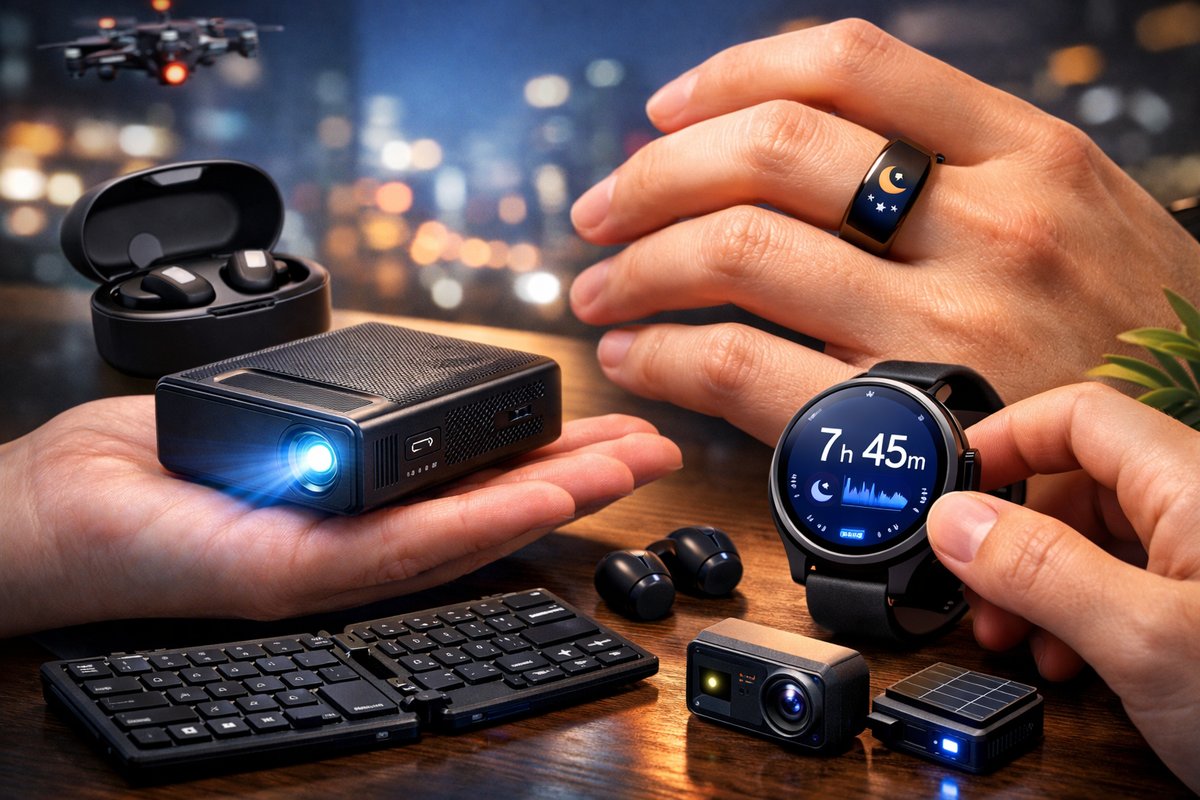
From palm-sized projectors to smart rings that monitor your sleep, a new wave of micro gadgets is bringing supercharged performance and everyday convenience to your fingertips. Explore the rise of truly portable powerhouses and discover how they're shaping privacy, sustainability, and productivity in an on-the-go world.
The notion of portability has evolved far beyond tossing a bulky laptop into a bag. Today’s innovators are shrinking powerful computing, immersive projection, and lifelogging sensors into devices so small they’re almost magical. These tiny tech marvels bridge the divide between flagship performance and everyday convenience, letting you carry cinema-quality visuals, biometric insights, and even aerial reconnaissance in the same pocket that once held only keys and cash.
Early portable electronics prized volume of function over form, but the modern frontier prioritizes both. Micro-LEDs and efficient optics now deliver bright, high-contrast images from modules smaller than a matchbox. Energy-sipping microprocessors within micro-computers can handle spreadsheets and video chats. Ultra-low-power wireless radios sustain multi-day connectivity. Miniaturization doesn’t just mean scale-down; it means a complete rethink of materials, interfaces, and energy management.
Imagine unpacking a slim rectangle and transforming any blank wall into a theater screen or presentation surface. The latest pocket-sized projectors harness high-efficiency LEDs, advanced optics, and heat-dissipation designs to deliver 200-300 lumens of crisp, 720p-quality projection. Whether you’re reviewing slides at a client’s café table or streaming a film at a campsite, the magic lies in marrying compact form with enough brightness for indoor and dusk-friendly outdoor use.
Powering these pint-sized powerhouses has presented its own engineering puzzle. High-density lithium polymer cells now deliver upwards of 20,000 mAh in credit-card-sized bricks. Add foldable solar panels or integrated monocrystalline cells, and you gain nearly endless recharges under sunlight. Smarter power-management chips monitor draw from multiple outputs-USB-C PD ports, USB-A for legacy gadgets, and even micro-USB for older peripherals-arming you with reliable juice from dawn till dusk.
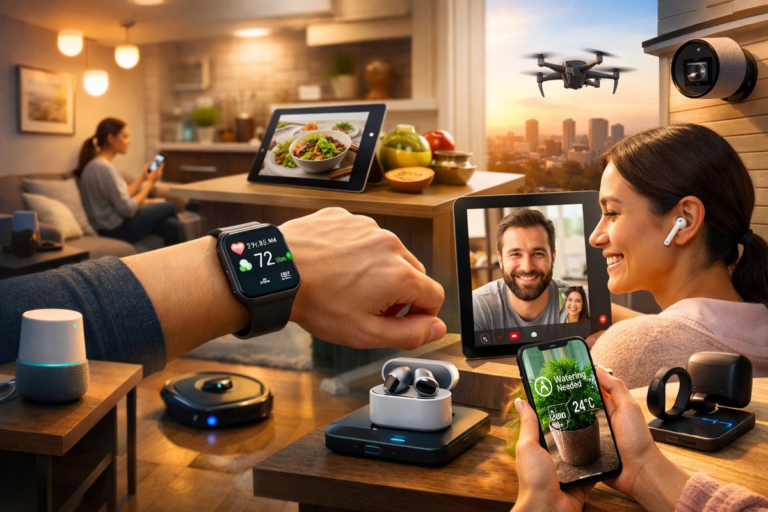
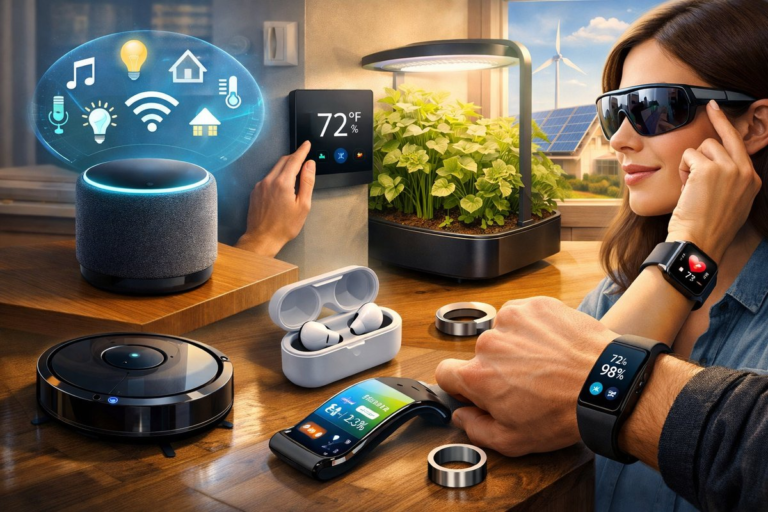
Wearable intelligence is another frontier that’s gone micro. Gone are the clunky fitness bands of yesteryear; smart rings with embedded infrared optical sensors and MEMS accelerometers now track heart rate, blood oxygen, and sleep cycles. With weeks of standby battery life and water-resistant designs, these rings let you monitor biometric trends without the bulk of a wrist device. Meanwhile, handheld real-time translators fit in your palm and, with offline language packs, can break down communication barriers without draining your phone’s data plan.
Input methods have also embraced origami-style engineering. Foldable Bluetooth keyboards crafted from durable polymers collapse to the size of a smartphone deck, yet spring open into full-sized, tactile typing platforms. Paired with micro-PCs or even modern smartphones in desktop mode, they let you assemble a mobile workstation on any flat surface. Ultra-sensitive touchpads on these keyboards replace bulky mice, and some models even incorporate haptic feedback to mimic the feel of mechanical keys.
Drones once required backpacks full of gear, but now micro-drones slip easily into a side pocket. With brushless motors, stabilized three-axis gimbals, and obstacle-avoidance sensors, they’re capable of smooth 1080p or even 4K aerial footage. Quick-deploy folding frames let you launch within seconds, and Wi-Fi-linked controllers put live video feeds into your smartphone. Hobbyists, journalists, and adventurers are all finding new ways to scout terrain, document expeditions, and express creativity from the sky.
As devices shrink, privacy and security stakes grow higher. Tiny cameras and always-on microphones demand robust encryption and user-friendly permission controls. New microcontrollers with built-in hardware security modules protect encryption keys in a sealed environment. Local AI engines now process voice commands at the edge, eliminating the need to stream raw audio to the cloud and reducing the risk of data leaks.
Sustainability has become a guiding principle in micro-tech design. Modular battery packs and snap-on accessory bays let users replace worn-out cells or upgrade to higher-capacity versions without discarding the entire gadget. Recycled aluminum alloys and bio-based plastics reduce ecological footprints, while firmware-over-the-air updates extend device lifespans. Some makers even offer trade-in programs to refurbish returned units for resale, ensuring fewer electronics end up in landfills.
Looking ahead, the tiny tech ecosystem will continue to expand in surprising directions. On-body sensors might embed in textiles for unobtrusive health monitoring, while nanomaterials could deliver flexible displays that roll out like digital scrolls. Ultra-wideband radios promise secure, precise indoor location tracking for asset management. As AI accelerators shrink further, tasks like real-time video analysis and AR overlays will happen entirely on device, without relying on remote servers.
This revolution in portability isn’t just about convenience; it’s reshaping how we work, play, and connect. Futuristic gadgets that once inhabited science-fiction pages are now everyday essentials. The next time you slip a device into your pocket, consider the invisible engineering, sustainable design choices, and privacy safeguards that make it possible. Tiny tech isn’t just a gimmick-it’s the frontier of an on-the-go world where performance, ethics, and imagination converge.