Location
Mount Vernon, WA 98274

Location
Mount Vernon, WA 98274
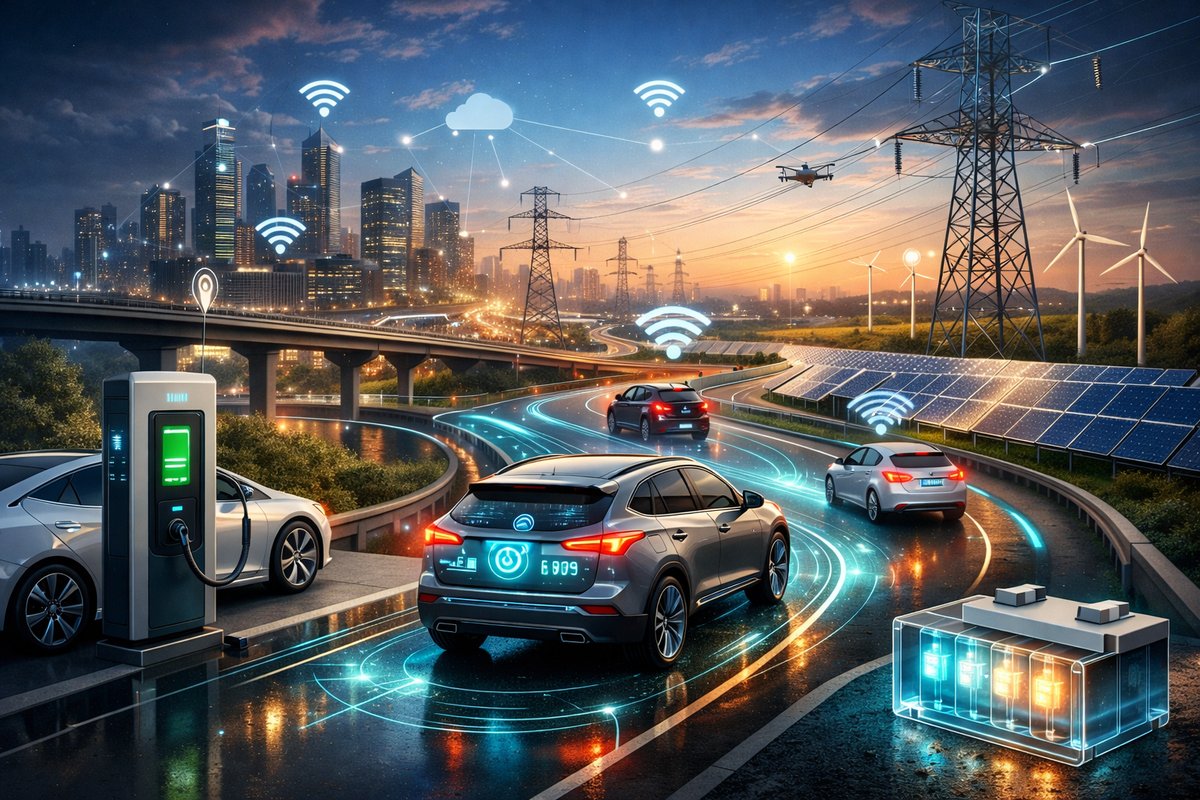
A wave of innovations-from solid-state batteries to over-the-air updates-is transforming vehicles into intelligent, electrified platforms that interact with infrastructure, the grid, and each other. As automakers, utilities, and cities converge on shared standards, the road ahead promises cleaner energy, smarter routing, and new ownership models for all drivers.
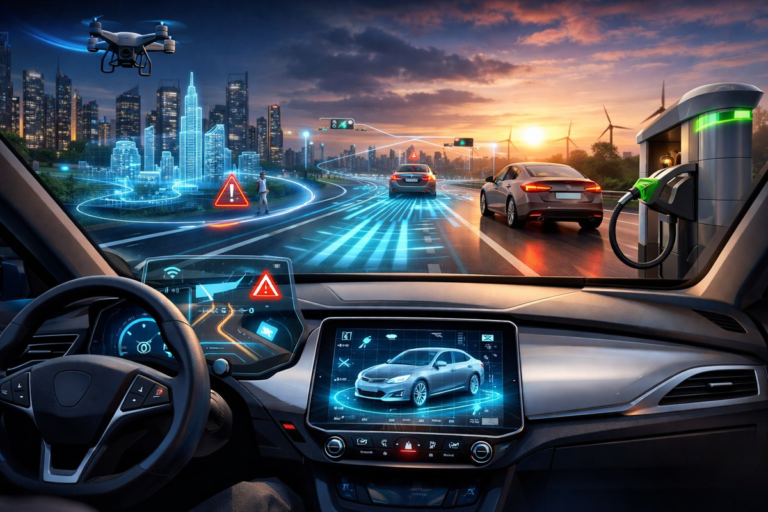
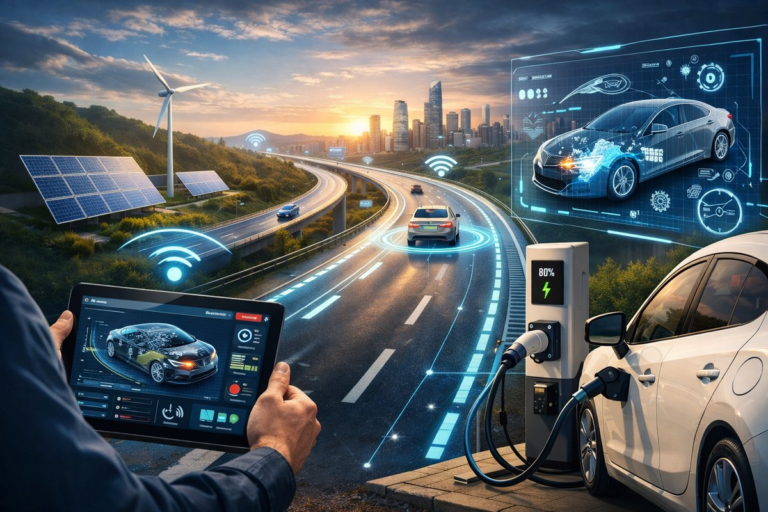
A quiet revolution is unfolding on roads around the globe. Once defined by internal-combustion engines and fixed mechanical parts, today’s vehicles are evolving into sophisticated, networked platforms that bridge the gap between electrified powertrains, edge computing, and artificial intelligence. These machines no longer simply move people; they merge into a broader ecosystem of charging networks, smart-city grids, and data streams, promising lower emissions, improved safety, and personalized mobility experiences.
Underpinning this shift is a rapid acceleration in battery technology. Solid-state chemistries, which replace liquid electrolytes with solid materials, are edging out conventional lithium-ion designs. Research labs and pilot production lines have begun demonstrating cells that can pack two to three times the energy density of current batteries while reducing charging times to under ten minutes at high-power fast-charging stations. Meanwhile, specialist recycling facilities are scaling up processes to recover lithium, nickel, and cobalt from spent packs, aiming to close the loop on raw materials and reduce supply-chain pressures.
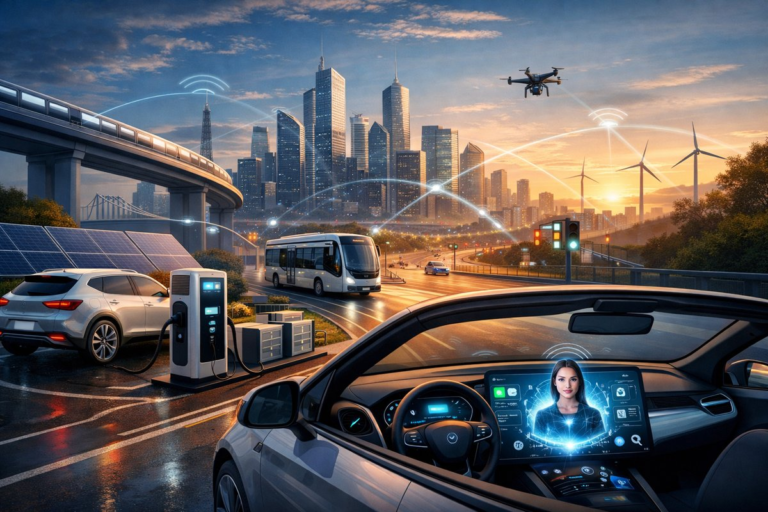
But battery breakthroughs alone are not enough. Vehicle manufacturers are investing heavily in standardized fast-charging networks that can deliver 350 kW or more per port. By partnering with utilities and municipal planners, charging operators are adding tens of thousands of new connectors along highways and in urban corridors. To manage peak demand and avoid grid overloads, many stations now integrate local energy storage systems-such as second-life EV batteries-to buffer rapid power draw. In certain regions, bidirectional charging hardware enables vehicles to feed electricity back into homes or even the wider grid, creating a distributed energy resource that can bolster grid resiliency during heat waves or winter peaks.
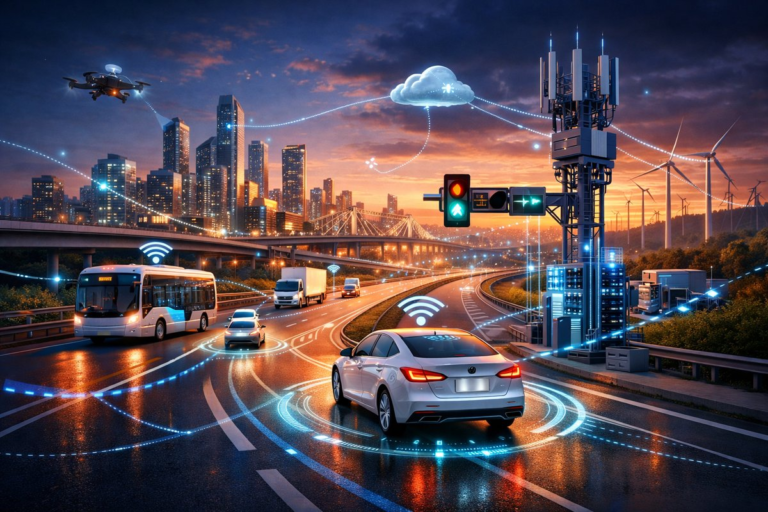
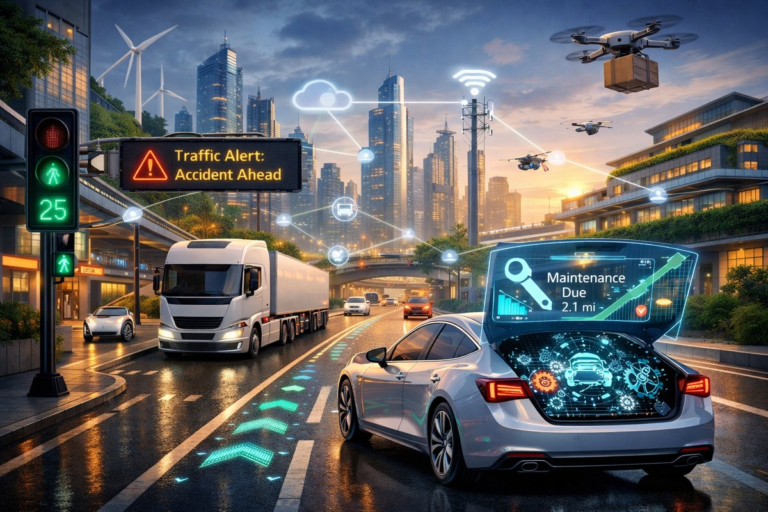
Connectivity is equally critical. The transition to 5G and edge computing allows vehicles to exchange data with roadside units, traffic lights, tolling systems, and other cars in milliseconds. Real-time traffic management platforms can then optimize signal timing, reduce idling at intersections, and dynamically reroute fleets to avoid congestion hotspots. Vehicle-to-everything (V2X) communications will support new applications such as intersection collision warnings, emergency vehicle prioritization, and adaptive speed advisories based on road-surface conditions. These features promise to cut accidents and travel time while smoothing flow in dense urban grids.
Advances in onboard computing bring another layer of intelligence. Machine-learning algorithms ingest streams from radar, lidar, and camera sensors to build continuous environmental maps around each vehicle. Over-the-air software updates can refine object-recognition models, patch security vulnerabilities, and unlock new driver-assistance functions without requiring a trip to the dealer. This software-defined approach is reshaping ownership models: subsystems that start as optional add-ons-like advanced autopark or enhanced lane-keeping-can be purchased and activated remotely, enabling a pay-as-you-go feature market driven by user preferences.
Several automakers have launched pilot fleets that demonstrate adaptive cruise control merging seamlessly with self-parking maneuvers, all coordinated by centralized cloud systems. Fleet operators-ranging from ride-hail services to logistics companies-are especially keen on predictive maintenance tools. Embedded sensors continually monitor motor performance, battery health, and suspension wear, then feed anonymized data to analytics platforms. These systems can flag components nearing end-of-life, schedule service calls, or dispatch mobile repair units proactively, dramatically cutting unexpected downtime.
The synergy between vehicle data and city infrastructure is also unlocking new revenue streams and operational efficiencies for municipalities. Smart parking systems equipped with ground-embedded sensors guide drivers to open spots, optimize curbside pickup zones for delivery vehicles, and adjust pricing dynamically based on demand. Public transport agencies can integrate on-demand shuttles into their networks, using real-time routing algorithms to fill in areas with lower ridership. As a result, public and private fleets operate more efficiently, reducing empty-miles and carbon footprints.
Despite these advances, challenges remain. The sheer volume of data generated by connected vehicles raises questions about data ownership, privacy, and cybersecurity. Ensuring that personal driving habits and location history are protected demands robust encryption, anonymization protocols, and transparent data-use policies. Meanwhile, the rapid rollout of charging infrastructure must contend with equity concerns: underserved communities risk being left behind if investment prioritizes well-to-do suburbs or major travel corridors. Policymakers and industry stakeholders are exploring incentive programs, low-cost installer training, and microgrid solutions to bridge these gaps.
Regulatory frameworks are adapting as well. Standards bodies are working to harmonize communication protocols so that vehicles from different manufacturers can reliably exchange safety messages. Grid operators and energy regulators are drafting rules for vehicle-to-grid participation, defining fair compensation models for distributed resource contributions. At the same time, emissions regulations continue to tighten, driving automakers to electrify mass-market segments more quickly than ever before.
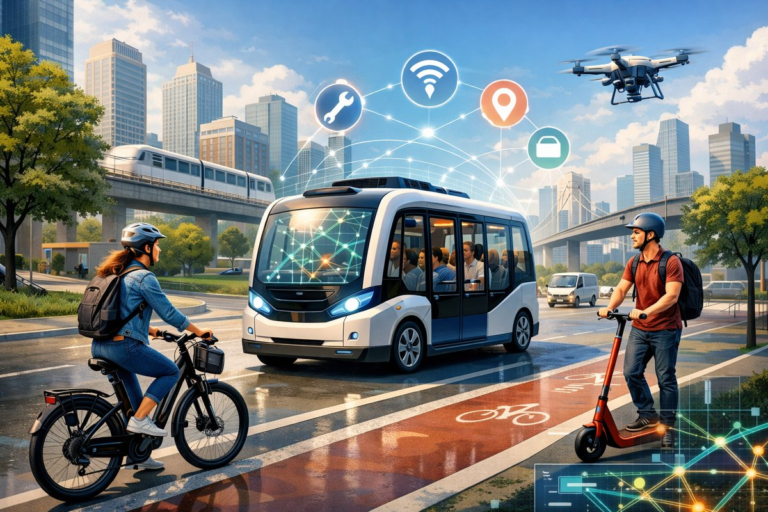
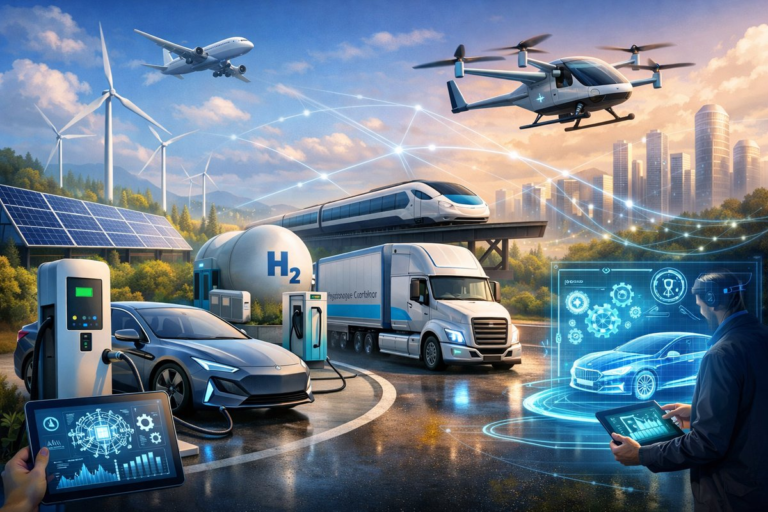
In the coming decade, we can expect further integration across mobility modes. Digital twins-virtual replicas of cities, transportation networks, and individual vehicles-will allow planners to simulate policy changes, traffic patterns, and charging-infrastructure deployments before committing to real-world construction. Urban air mobility vehicles, cargo drones, and micromobility services (such as e-scooters and e-bikes) may plug into the same mobility-as-a-service platforms, giving users a seamless booking, payment, and navigation experience regardless of their chosen mode of transport.
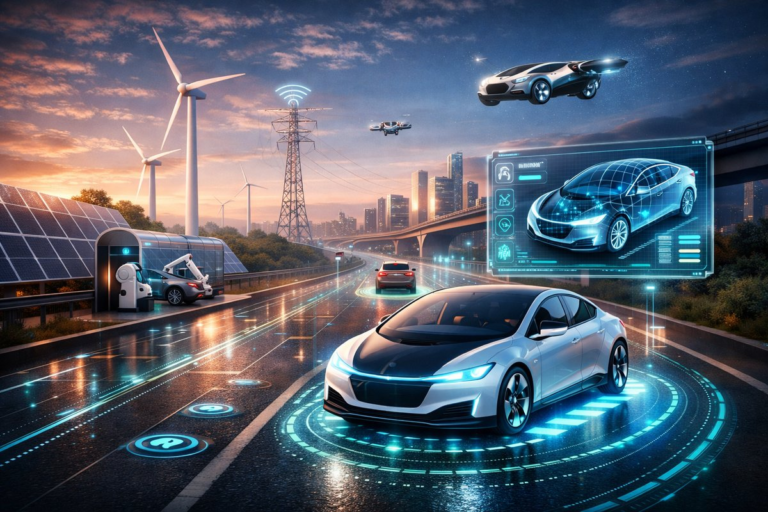
These converging trends are ushering in a new era of mobility in which the lines between car, phone, grid, and city blur. Electric powertrains promise lower operational costs and cleaner air; connected services deliver safer, more efficient journeys; and autonomous features add a layer of convenience and reliability. Yet none of these breakthroughs stands alone. A holistic approach-spanning hardware advancements, software platforms, regulatory support, and equitable infrastructure investments-is required to unlock the full potential of next-generation transportation.
For drivers, the ride ahead will mean shorter charging stops, more seamless navigation, and vehicles that learn and adapt over time. Fleets will move closer to zero downtime, predictive maintenance will cut repair bills, and shared autonomous pods could redefine ownership altogether. Municipalities stand to benefit from decongested streets, lower emissions, and smarter use of public space. By weaving together the threads of electrification, connectivity, and autonomy, the transportation ecosystem is on track to become cleaner, safer, and more responsive to individual needs-and that future is closer than many realize.