Location
Mount Vernon, WA 98274

Location
Mount Vernon, WA 98274
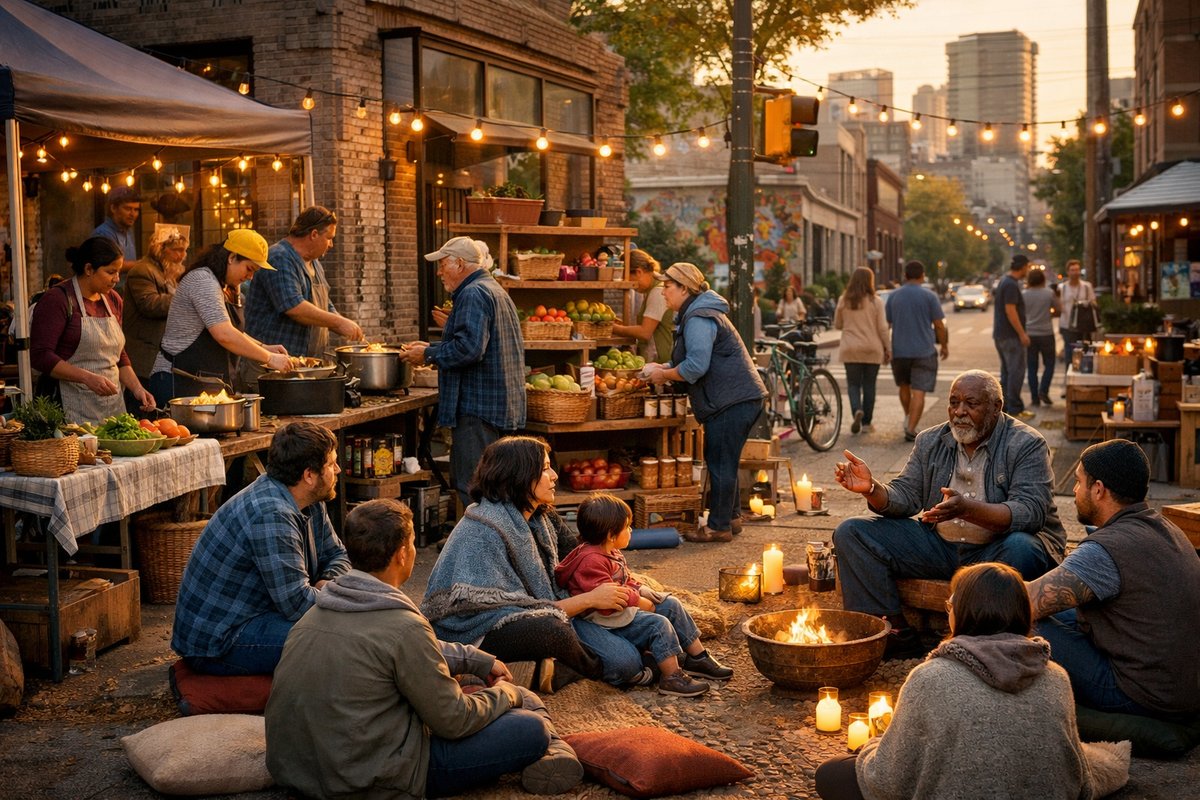
In city streets and neighborhood corners, volunteers are stitching together impromptu kitchens, open-air pantries, and storytelling circles that defy loneliness. These grassroots networks, fueled by compassion and shared purpose, are redefining what it means to belong in an age of digital disconnection.
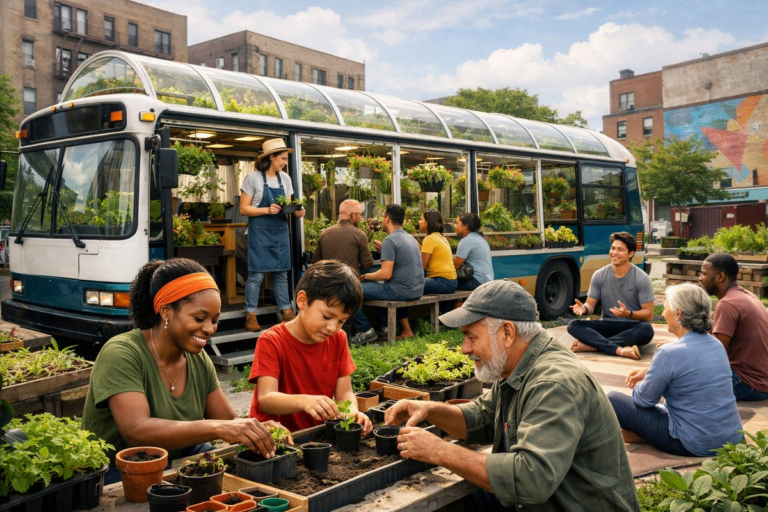
On a chilly weekday evening, a converted school bus idles outside a community center in a downtown neighborhood. Inside, volunteers ladle steaming soup into bowls while others arrange blankets on the sidewalk. Across the street, a brightly painted wooden box stands open: the neighborhood’s latest community pantry, stocked with fresh produce, eggs, and handwritten notes of encouragement. This is not a government program or a corporate-sponsored event. It’s the fruit of a dozen local initiatives that have sprouted up in recent years, each driven by a simple conviction: when official channels falter, everyday people can build the support structures our cities desperately need.
Take the Community Fridge Network, which began as a pilot project in one borough and has since expanded to dozens of locations nationwide. Volunteers refurbish disused refrigerators, secure permits, and partner with local farms to keep them stocked with surplus vegetables and dairy. Neighbors drop off items before heading to work; passersby take what they need on their way home. The fridges hum with motion-residents feel safe leaving a carton of milk or picking up a loaf of bread-transforming public space into a shared pantry.
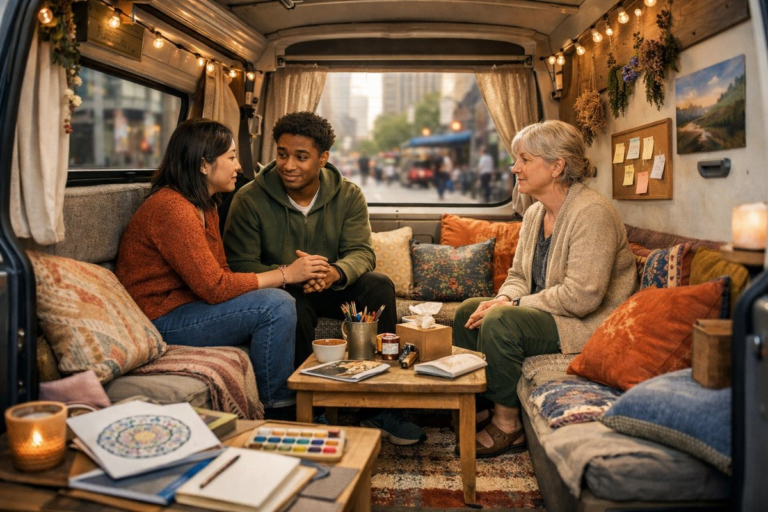
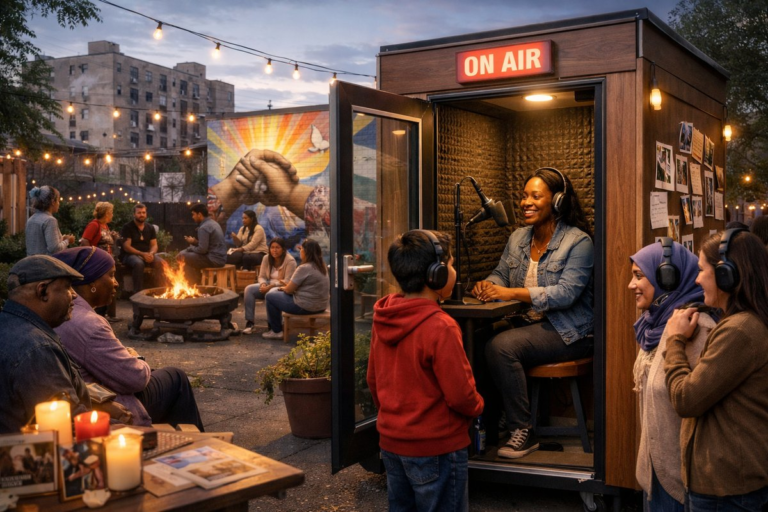
In another corner of town, a group of artists and mental health advocates has erected what they call the “Listening Booth.” Inspired by pay-phone kiosks, volunteers staff it from dusk till dawn, offering a quiet place for anyone to unburden worries into a nonjudgmental ear. No records are kept, no advice is given-only patient empathy. Since its opening six months ago, more than 2,000 people have sat inside, some seeking relief from insomnia, others wrestling with grief or job loss. One caller left a drawing taped to the glass: a pair of hands reaching out, captioned “Thank you for holding space.”
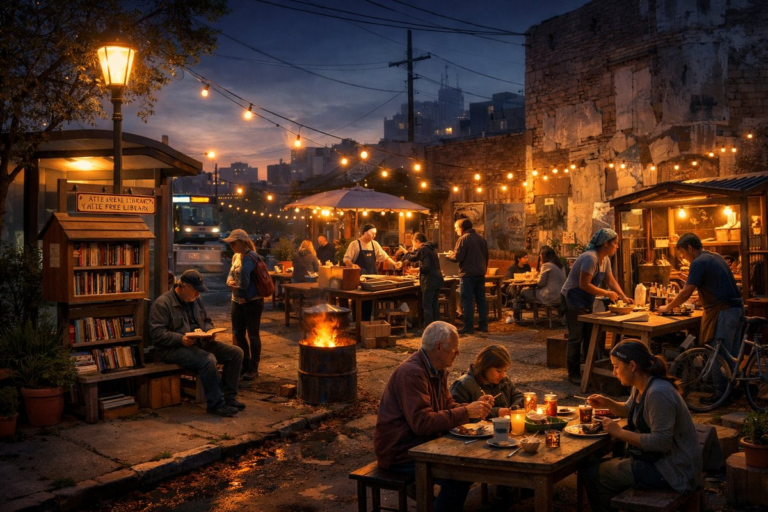
These efforts often collide and intertwine. On Tuesday nights, a pop-up soup kitchen sets up around the Listening Booth. Patrons linger over bowls of lentil stew and rice pudding, exchanging stories of what led them here-recent layoffs, housing uncertainty, the ache of prolonged isolation. Nearby, a group of retired teachers leads a free tutoring table for children whose schools have cut after-school programs. Their chalkboard reads, “You Belong Here.”
Organizers emphasize reciprocity: everyone has something to give. A woman who once relied on the community pantry now volunteers to knit scarves for winter distribution. A young man who found solace in the Listening Booth now trains new volunteers in active-listening techniques. “This is not charity,” says one coordinator. “It’s civic repair.”
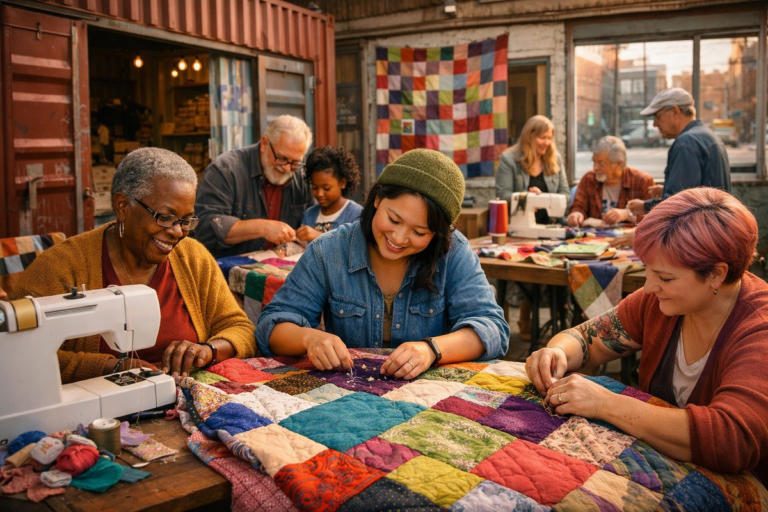
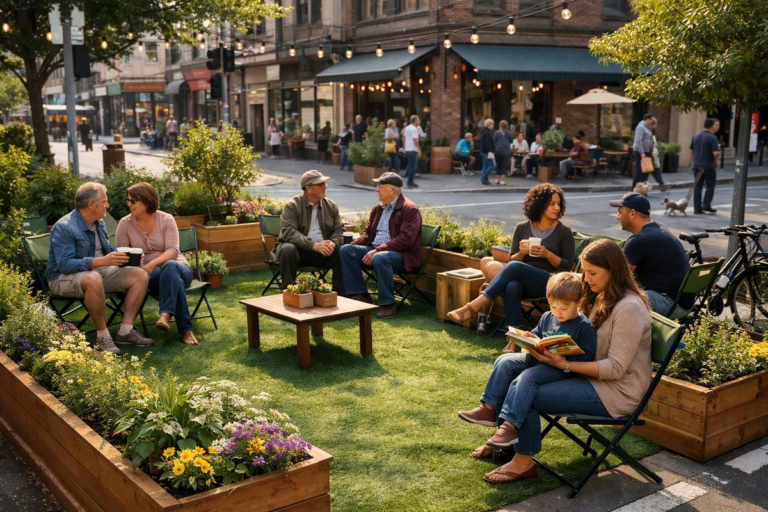
Across town, neighborhood foot traffic hums around yet another venture: neighborhood micro-hubs. These repurposed parking spots become social nodes for a few hours each week. A folding table carries baked goods and coffee; string lights drape overhead, casting a warm glow. Volunteers bring board games, a crate of novels, and a stack of craft supplies. Elderly residents sip tea beside college students sketching in their notebooks. Strangers become collaborators in a collage project, pasting images of city landmarks onto a shared canvas.
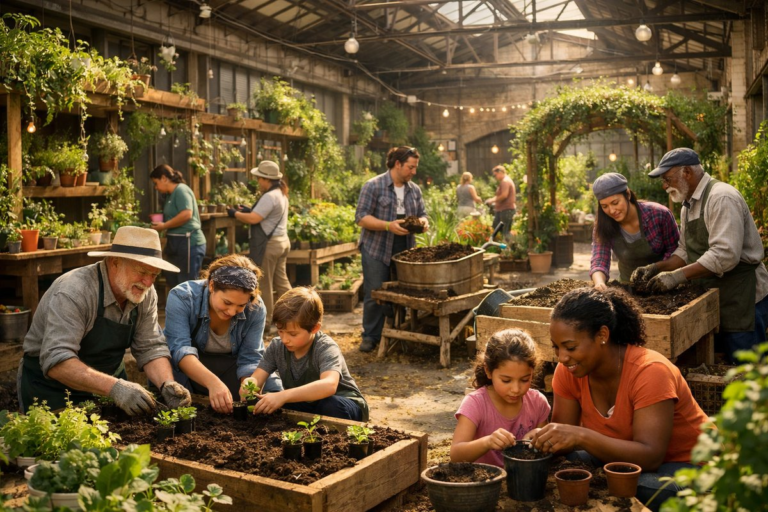
In the summer, this same spot turns into a seed-exchange corner. Gardeners swap heirloom tomatoes and herbs, offering planting tips to newcomers. City officials once balked at the idea of taking up parking spaces, but they have come to celebrate these micro-hubs as low-cost investments in social capital. Crime rates dip in adjacent blocks; neighbors report feeling safer and more connected.
One of the most surprising success stories is a mobile community kitchen run out of a retrofitted cargo trailer. Driven by a group of culinary students, it parks outside homeless shelters, low-income housing complexes, and public libraries. The menu is simple but varied-stews, grain bowls, seasonal salads-tailored to dietary restrictions. Each meal comes with a laminated postcard featuring local job listings, mental health resources, and upcoming social events. Over 10,000 meals have been served in the last eight months alone.
These grassroots movements are not without challenges. Securing permits can take months; funding relies heavily on small grants and crowdfunding; volunteers juggle these projects alongside full-time jobs and family commitments. Some neighbors express concerns about sanitation or noise, requiring organizers to develop clear guidelines and safety protocols. Yet each hurdle pushes the initiatives toward sturdier governance structures: rotating leadership teams, transparent budgets, and partnerships with legal clinics that offer pro bono support.
What unites these diverse ventures is a shared set of values: privacy, sustainability, curiosity, and emotional intelligence. Personal data remains off the table-no sign-up sheets or membership cards. Leftover food is composted or passed to local livestock farms. Workshops invite experts to teach mindfulness practices or conflict resolution. And perhaps most importantly, volunteers learn to sit with discomfort, to engage in difficult conversations about homelessness, mental health, and economic precarity without retreating into judgment.
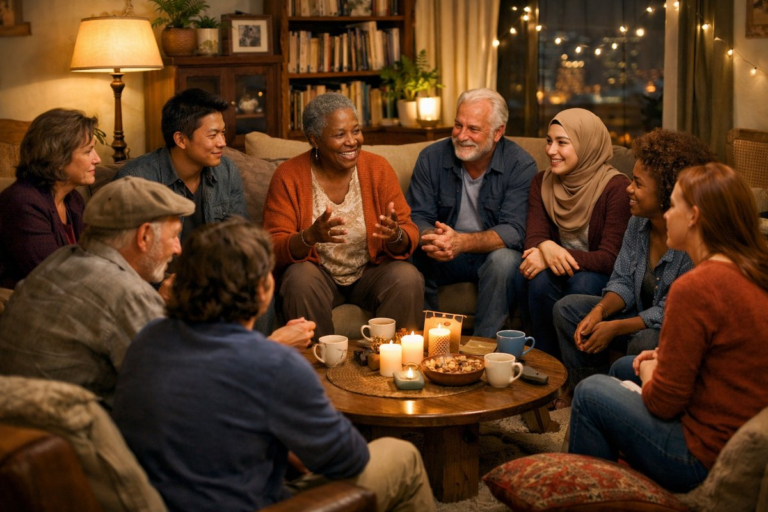
In a digital era where social media often heightens anxiety and division, these in-person gatherings serve as antidotes. They offer real-time feedback: the warmth of eye contact, the weight of a shared blanket, the resonance of a genuine laugh. They remind urban dwellers that public space can be more than transactional-it can be a site of healing and transformation.
As winter approaches, organizers are planning new initiatives: free winter-coat exchanges, guided neighborhood walks for older adults, and a network of “Story Stops” where people can leave voicemail messages sharing moments of hope. They know these efforts may never eradicate poverty or solve systemic issues overnight. But they hold fast to the belief that incremental acts of care, sustained over time, can shift the cultural weather. In the process, they create not just services but relationships-threads of resilience woven into the fabric of daily life.