Location
Mount Vernon, WA 98274

Location
Mount Vernon, WA 98274
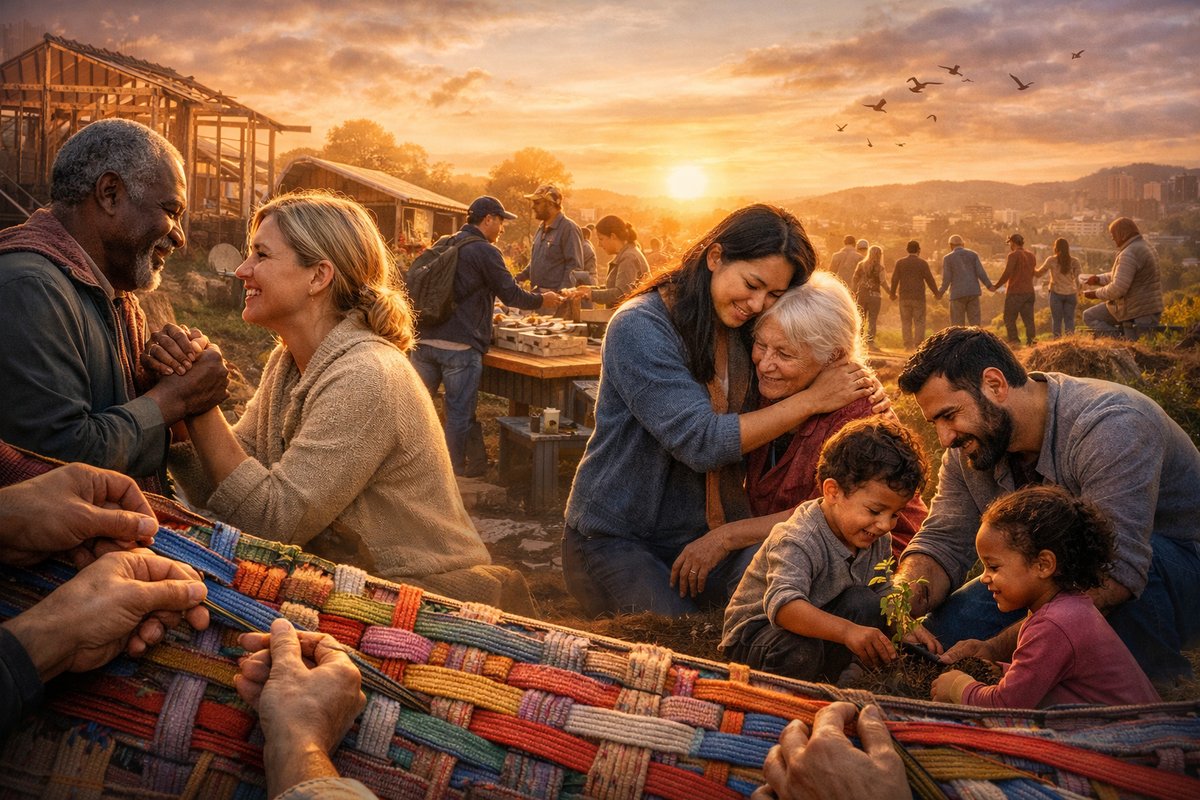
In communities worldwide, the fabric of society is being rewoven through acts of resilience, compassion, and shared vulnerability. This article explores how individuals navigate the complexities of human connection, purpose, and hope, shaping a collective story of endurance and love.
In the quiet corners of cities and the bustling heart of towns, everyday people are crafting a tapestry of resilience and connection that transcends individual struggles. These narratives, often unheralded, reveal the profound ways in which human beings find purpose, confront failure, and nurture hope amidst uncertainty.
The human experience is marked by a persistent search for meaning. Across cultures and generations, this quest has taken myriad forms-from spiritual rituals to artistic expressions, from social movements to intimate conversations. Yet, underlying these diverse paths is a shared yearning to be understood and to belong. This desire anchors individuals to their communities, fostering bonds that sustain through adversity.
Recent sociological studies highlight the critical role of emotional intelligence and empathy in reinforcing social cohesion. When individuals engage with one another beyond transactional interactions, they cultivate trust and mutual support. Such connections become the bedrock of resilient societies, enabling collective action in times of crisis and nurturing everyday kindness.
One poignant example can be found in grassroots community groups that have emerged worldwide to address social isolation and mental health challenges exacerbated by global events. These groups often prioritize inclusivity and active listening, creating safe spaces where vulnerability is met with acceptance rather than judgment. Through shared stories and mutual aid, participants reclaim agency over their narratives and foster collective healing.
The ache of failure, a universal human experience, is often stigmatized, yet it holds transformative potential. When societies embrace failure as a natural part of growth rather than a mark of shame, individuals feel empowered to take risks, innovate, and learn. This shift in perspective encourages a culture where resilience is not merely surviving hardship but thriving through it with creativity and courage.
Moreover, the practice of unconditional love-whether within families, friendships, or broader social networks-serves as a powerful antidote to alienation. Acts of kindness, both large and small, ripple through communities, creating networks of support that can withstand social and economic pressures. These acts are not always grand gestures; often, they are simple moments of presence, a listening ear, or a helping hand.
Technology, while sometimes critiqued for fostering disconnection, also offers tools for nurturing these human bonds. Online platforms enable marginalized voices to find community and solidarity, bridging geographical divides. However, the challenge remains to balance digital engagement with authentic, embodied interactions that sustain emotional well-being.
In workplaces, educational settings, and public spaces, cultivating environments that recognize and celebrate emotional resilience contributes to societal well-being. Policies that prioritize mental health, encourage open dialogue about struggles, and provide resources for support are increasingly recognized as essential components of thriving communities.
The stories of individuals rising from hardship to contribute meaningfully to society underscore a profound truth: resilience is not an innate trait but a collective endeavor. It is woven through relationships, shared experiences, and the willingness to embrace vulnerability as strength.
As we reflect on these dynamics, it becomes clear that the pursuit of a more compassionate society is ongoing. It requires patience, intentionality, and a commitment to honoring the full spectrum of human experience. In embracing our shared humanity-with all its imperfections and potential-we create societies that are not only more resilient but also more deeply connected and hopeful.
This exploration invites readers to consider their role in this tapestry. How might everyday acts of empathy, courage, and unconditional love contribute to the broader social fabric? How can acknowledging failure as a stepping stone rather than a stumbling block transform personal and communal narratives?
Ultimately, the stories worth holding are those that remind us of our capacity to rise, to love, and to rebuild-together.