Location
Mount Vernon, WA 98274

Location
Mount Vernon, WA 98274
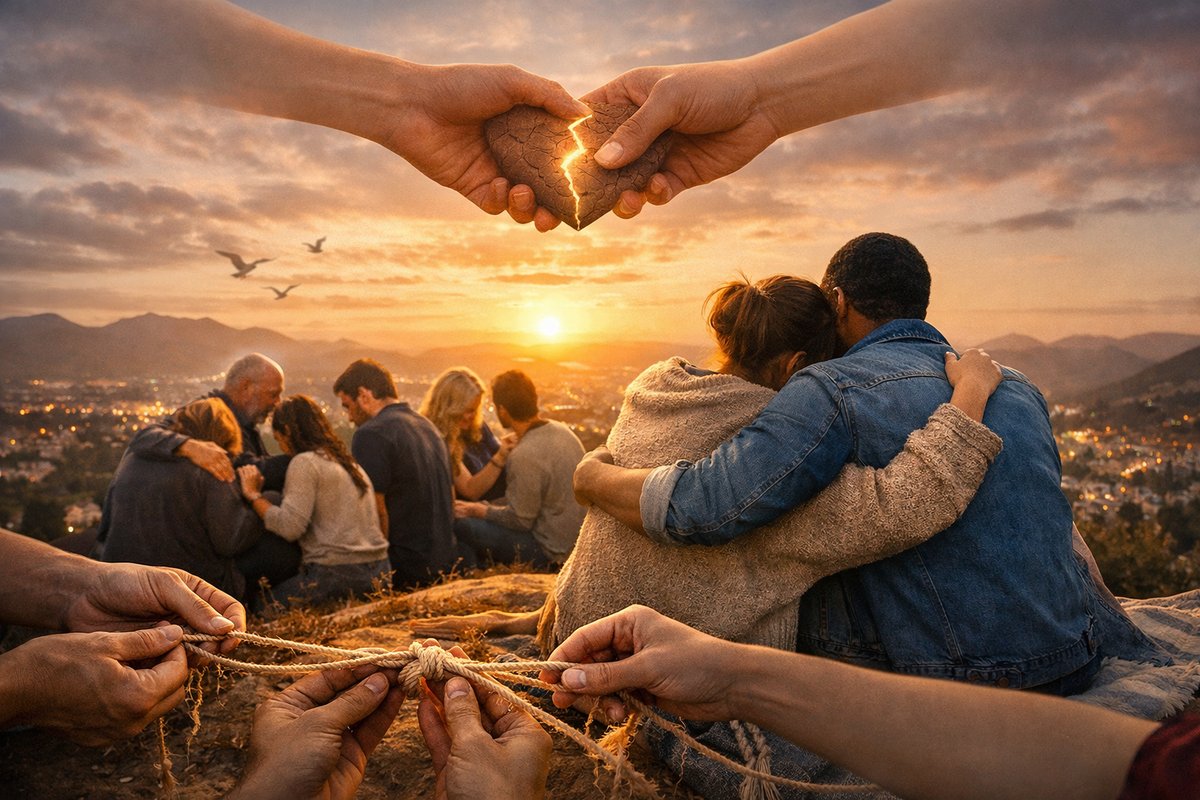
In a world often defined by division and rapid change, ordinary people are rediscovering the power of vulnerability and connection. This article explores how embracing our shared struggles and imperfections fosters resilience, nurtures empathy, and ultimately weaves a fabric of society grounded in hope and unconditional love.
Across cities and small towns alike, a subtle yet profound shift is taking place. People are beginning to embrace vulnerability not as a weakness, but as a source of strength that can bridge divides and foster genuine community. In a culture that often prizes self-sufficiency and individual achievement, this reorientation towards openness and shared humanity is both radical and deeply needed.
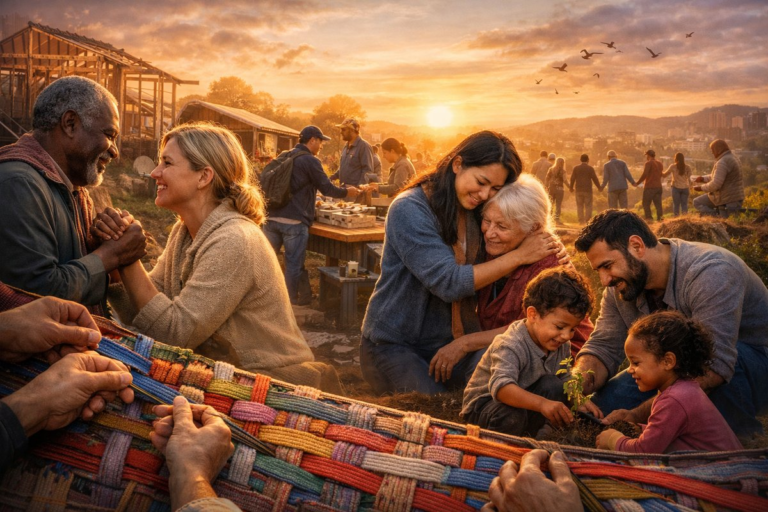
At the heart of this movement is the recognition that every person carries stories of struggle-whether visible or hidden-that shape their experience of the world. These stories, when shared with empathy and without judgment, become threads that connect individuals into a larger tapestry of mutual support and understanding. It is in these moments of shared vulnerability that the human experience reveals its most profound beauty.
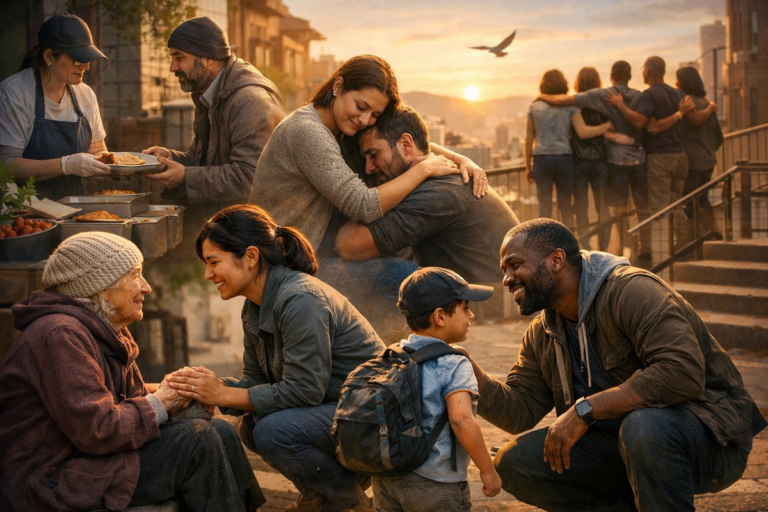
Consider the rise of community groups centered around storytelling, grief circles, and peer support networks. These spaces provide a refuge where people can express pain, hopes, and fears without the pressure to perform resilience or hide imperfections. The act of simply being heard and seen can be transformative, allowing individuals to reclaim their narrative and find strength in solidarity.
This ethos extends beyond intimate circles into broader societal movements advocating for mental health awareness, social justice, and inclusive policies. When communities prioritize listening and validate diverse experiences, they create environments where healing and growth are possible. This collective emotional intelligence becomes a foundation for social cohesion that transcends superficial differences.
Moreover, embracing vulnerability invites a reevaluation of what it means to be courageous. Rather than traditional images of heroism defined by grand gestures or conquest, courage is increasingly recognized as the quiet persistence of showing up authentically amid uncertainty and hardship. This subtle bravery-whether in daily acts of kindness, honest conversations, or standing up for marginalized voices-accumulates to shape a society more attuned to compassion and equity.
Importantly, this journey is not without challenges. Vulnerability can expose individuals to risk, misunderstanding, or rejection. It demands trust and patience, both from oneself and from others. Yet, the alternative-emotional isolation and disconnection-poses far greater threats to mental well-being and social harmony.
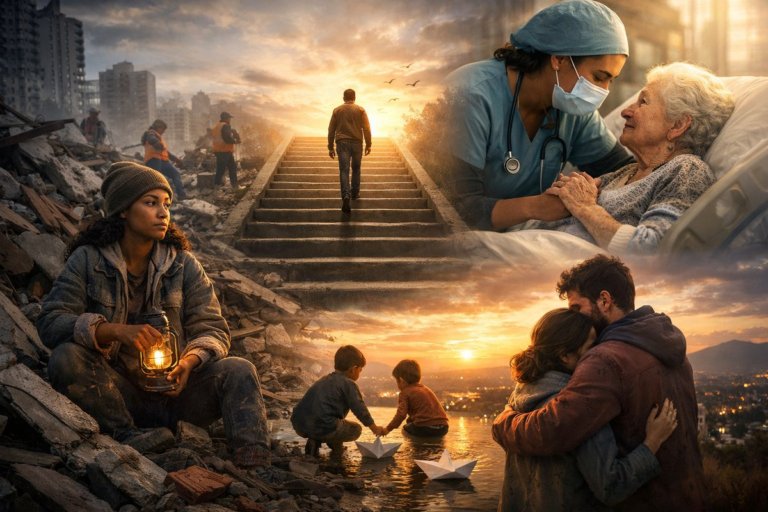
Stories of recovery from trauma, rebuilding after loss, or finding purpose in unexpected places highlight the resilience embedded within the human spirit. These narratives remind us that failure and suffering are not endpoints but part of an ongoing process of becoming. They inspire hope that, through collective care and empathy, communities can cultivate environments where everyone has the opportunity to thrive.
In practical terms, fostering this culture of vulnerability and resilience involves intentional efforts: creating safe spaces for dialogue, integrating emotional literacy into education, and promoting policies that address systemic barriers to well-being. It also calls for individuals to practice self-compassion and to extend grace to others navigating their own complexities.
As societies grapple with unprecedented challenges-be it social polarization, environmental crises, or public health concerns-the capacity to hold space for one another’s humanity becomes ever more critical. It is through this shared commitment to empathy and connection that communities can not only endure but also flourish.
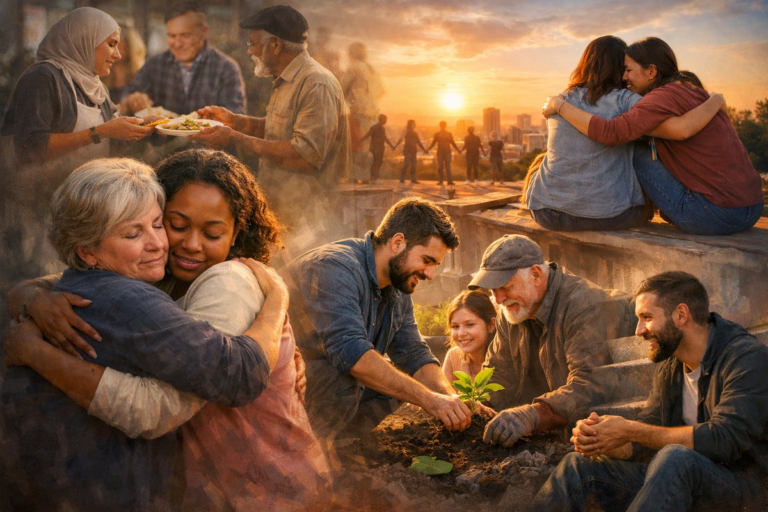
Ultimately, the quiet strength found in vulnerability and unconditional love is a testament to the resilience that defines the human condition. By honoring our struggles and embracing our interconnectedness, we participate in the timeless work of weaving a society that reflects the best of who we are-imperfect, courageous, and profoundly human.