Location
Mount Vernon, WA 98274

Location
Mount Vernon, WA 98274
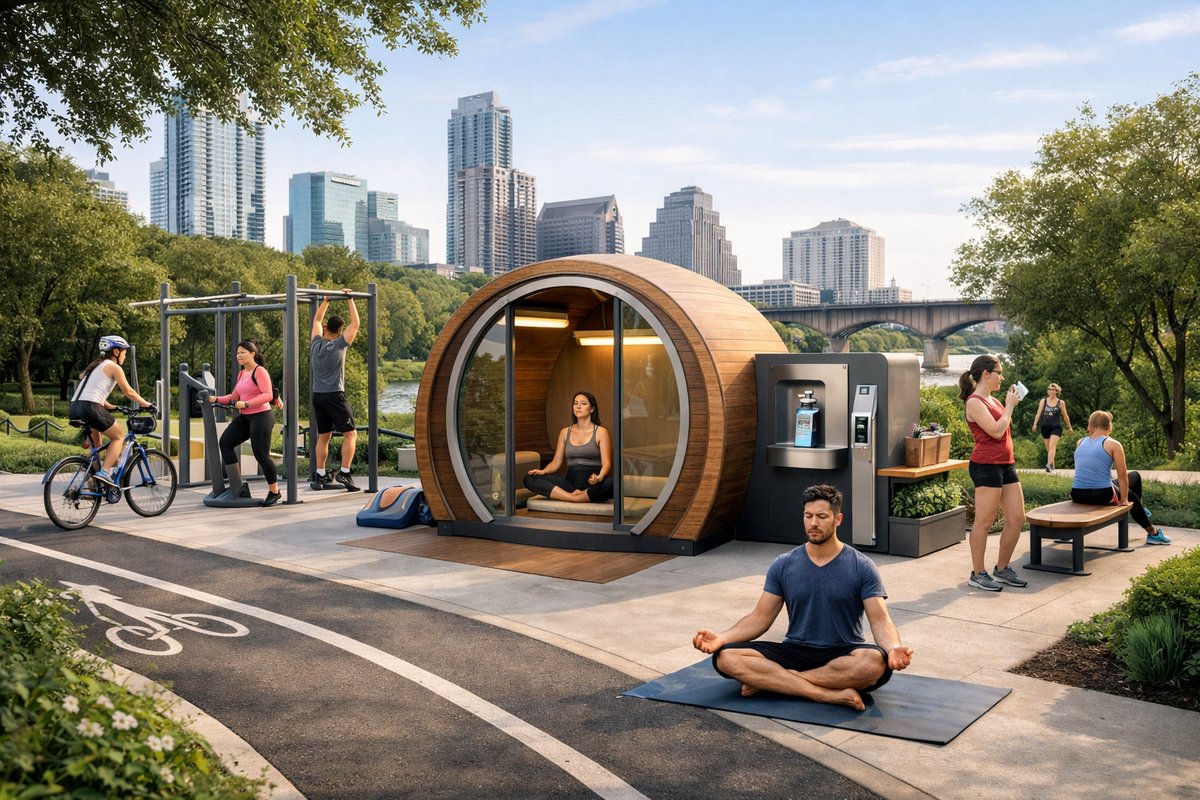
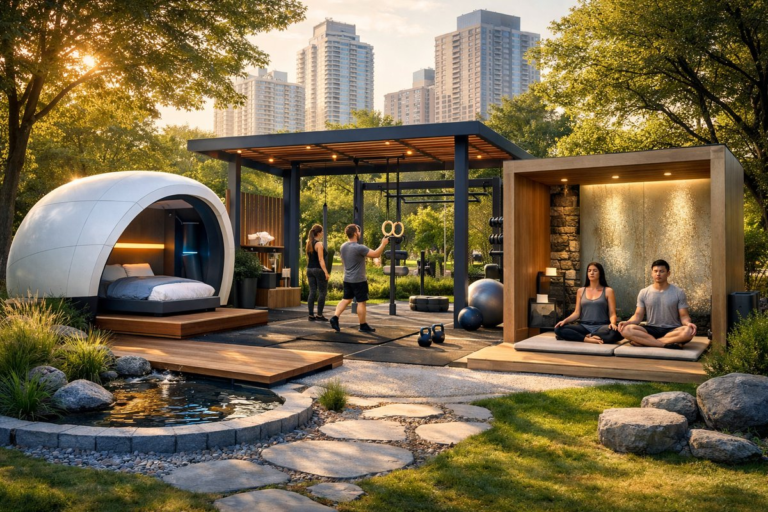
Urban planners are installing modular wellness stations along bike lanes and walking trails that combine fitness equipment, mindfulness pods, and hydration points. Early pilots report upticks in daily activity, stress reduction, and neighborhood engagement.
Across major metropolitan areas, a new public health pilot is weaving wellness into the urban fabric. Modular “wellness waystations” have begun appearing along bike lanes, waterfront promenades, and green corridors-each station designed to support vitality, movement, restorative rest, and mental clarity in a single footprint.
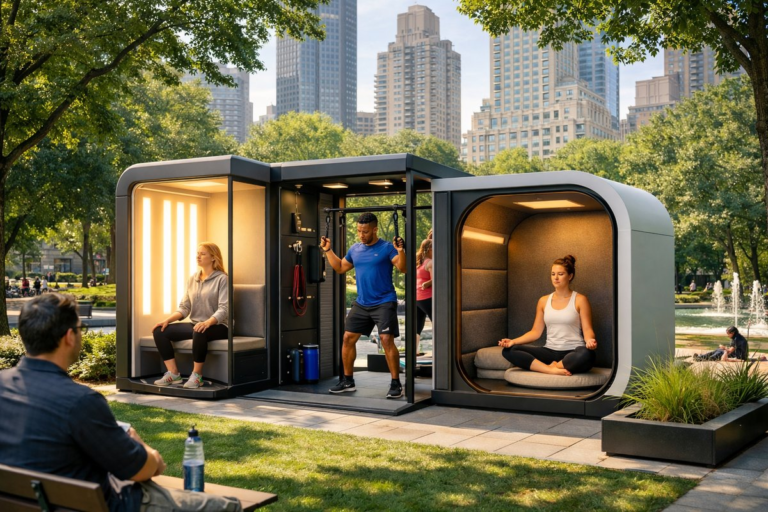
Built from sustainably sourced materials, these compact kiosks blend adjustable resistance bands, balance boards, ambient soundscapes, and sheltered seating optimized for posture and daylight exposure. Some feature mini sensory chambers offering guided breathwork through low-intensity light and sound. Others incorporate hydration refill ports calibrated with digital reminders to help passersby meet daily fluid goals.
Municipalities in Europe, North America, and Asia have launched pilots in response to rising concerns over sedentary lifestyles and mental health strains. A 2022 study by the Urban Health Initiative found that easily accessible activity zones in public spaces can boost weekly moderate exercise by up to 25 percent. A companion survey from a major public health agency indicated a 30 percent reduction in self-reported stress levels among frequent users of outdoor fitness pods.
Local governments are partnering with wellness startups, civic planners, and community groups to determine ideal placement and functionality. In one pilot city, clustered waystations along a popular riverfront trail have already drawn more than 10,000 unique visitors in three months. A second installation across a downtown greenway doubled the number of people choosing to walk or cycle for short errands.
Residents say the integrated design makes it impossible to ignore simple healthy habits.
“I used to breeze by this stretch without thinking,” explains a daily commuter on foot. “Now I pause at the little stand, stretch my hips, follow the on-screen breathing cues, and refill my bottle. Some days it feels like a mini retreat you stumble into on your way home.”
City planners describe the waystations as a natural evolution of outdoor parks, community centers, and conventional exercise equipment. Rather than placing bulky gear in one location, these lightweight modules fit nearly anywhere-under an overpass, beside a plaza fountain, or at the fork of two trail segments.
In one pilot neighborhood, a series of five waystations lines an off-street bike route. Cyclists stop to adjust seat height on a counterbalanced bench, try out a set of pull-up bars with movable grips, then slip into a small pod for a two-minute guided visualization. At each point, motion sensors and ambient speakers initiate the next prompt, whether a handful of calf raises or a short mindfulness script.
The underlying technology draws on open-source fitness APIs and local climate data. If air quality dips, stations automatically shift from active challenges to breathing exercises under protective canopies. When daytime temperatures soar, integrated misting systems and dash-mounted screens cue quick hydration breaks. At dusk, subtle lighting designed to minimize blue-light exposure encourages calm rather than vigilance.
Project leads emphasize inclusivity. Stations can be accessed via touch-free controls or a companion smartphone app that offers audio prompts in multiple languages. Adjustable modules accommodate different heights, mobility levels, and fitness goals. A wheelchair-friendly version features resistance loops at seated eye level, while another includes tethered balance bars to support low-impact balance drills for seniors.
Health officials note that the mental-health benefits could rival those gained from traditional outdoor recreation. A post-pilot evaluation in one district compared local stress metrics before and after installation. Over a six-week period, visits to counseling hotlines dropped by 18 percent, and local retailers reported fewer impulse purchases tied to emotional eating triggers.
Experts attribute these shifts to a combination of physical activation, exposure to daylight, and the novelty of encountering a wellness opportunity in an unexpected setting. “The human brain craves small rituals,” says a public health researcher involved in the project. “When you transform a pathway into a series of micro-rituals for movement, breath, and hydration, you’re tapping into powerful behavioral triggers that reinforce self-care.”
Architects are refining station designs for maximum flexibility. Some pilot units are built on palletized bases so they can be relocated seasonally-moved from a lakeside boardwalk to a downtown plaza as weather changes. Others fold flat for storage and redeploy in conjunction with community events like street fairs or charity runs.
Corporate sponsors have underwritten several pilots, seeing an opportunity to showcase sustainability credentials and employee wellness programs. But city councils stress that the installations remain publicly funded and community-driven. Each new site is vetted by resident committees to ensure equitable access, minimize visual clutter, and respect local design codes.
Looking ahead, planners envision seamless integration with smart-city infrastructure. Sensors embedded in waystations could share anonymized usage data with transit systems to predict foot and bike traffic flows. Adaptive lighting controls along trails might sync with station activity, brightening areas where people actually use the modules and dimming less traveled stretches to conserve energy.
Data privacy remains a top concern. Pilot programs have adopted transparent, opt-in consent models. All usage metrics collected via the companion app are aggregated on a neighborhood level, with no personally identifiable logs stored beyond 30 days. Advocacy groups are calling for clear signage and on-site QR codes linking to open data dashboards so residents can track outcomes in real time.
Early results are already shaping municipal budgets for next year. A mid-pilot review in one city recommended tripling the number of stations after observing a 40 percent uptick in weekday visits to local parks. Public feedback also spurred additions like meditation benches in wooded alcoves and pop-up instructor-led fitness classes delivered via live stream to station screens.
For businesses and wellness professionals, the wave of waystations represents both competition and opportunity. Local trainers can apply to offer guided micro-sessions at designated pods, while nutrition coaches use nearby hydration points to share healthy snack ideas. Several neighborhood cafes reported a bump in foot traffic after placing healthy grab-and-go options within sight of an adjacent station.
Critics caution against overstating the benefits without long-term evaluations. Some detractors worry that casual users may rely solely on quick stretches and miss out on deeper fitness practices. Others argue resources could be better spent on subsidizing gym memberships or expanding clinical mental health services.
Project advocates respond that the waystations are meant to complement-not replace-existing wellness resources. By lowering barriers to entry, the stations offer a starting point for those who might never step inside a gym or therapy office.
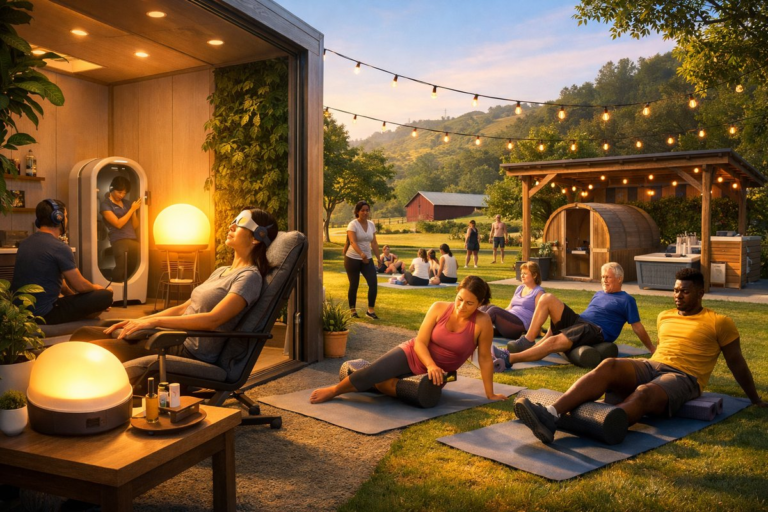
In one pilot corridor, usage patterns reveal a mix of demographics: delivery workers squeezing in calf raises between drops, seniors lingering over breathing exercises, office employees grabbing a midday energy boost, and families cycling with children who take turns trying balance drills. The communal aspect seems particularly strong when stations are placed near weekend farmers markets or school routes.
As cities evaluate next steps, community groups are proposing creative extensions: pop-up gardening modules to teach foraging and nutrition, musical interludes triggered by foot pressure sensors, or language prompts integrated into mindfulness scripts to foster cross-cultural connection.
Whether the concept spreads to every urban center remains to be seen. But for now, the rise of wellness waystations signals a shift in how public space can actively support both body and mind-transforming every path, park, and promenade into a laboratory for healthier habits.