Location
Mount Vernon, WA 98274

Location
Mount Vernon, WA 98274
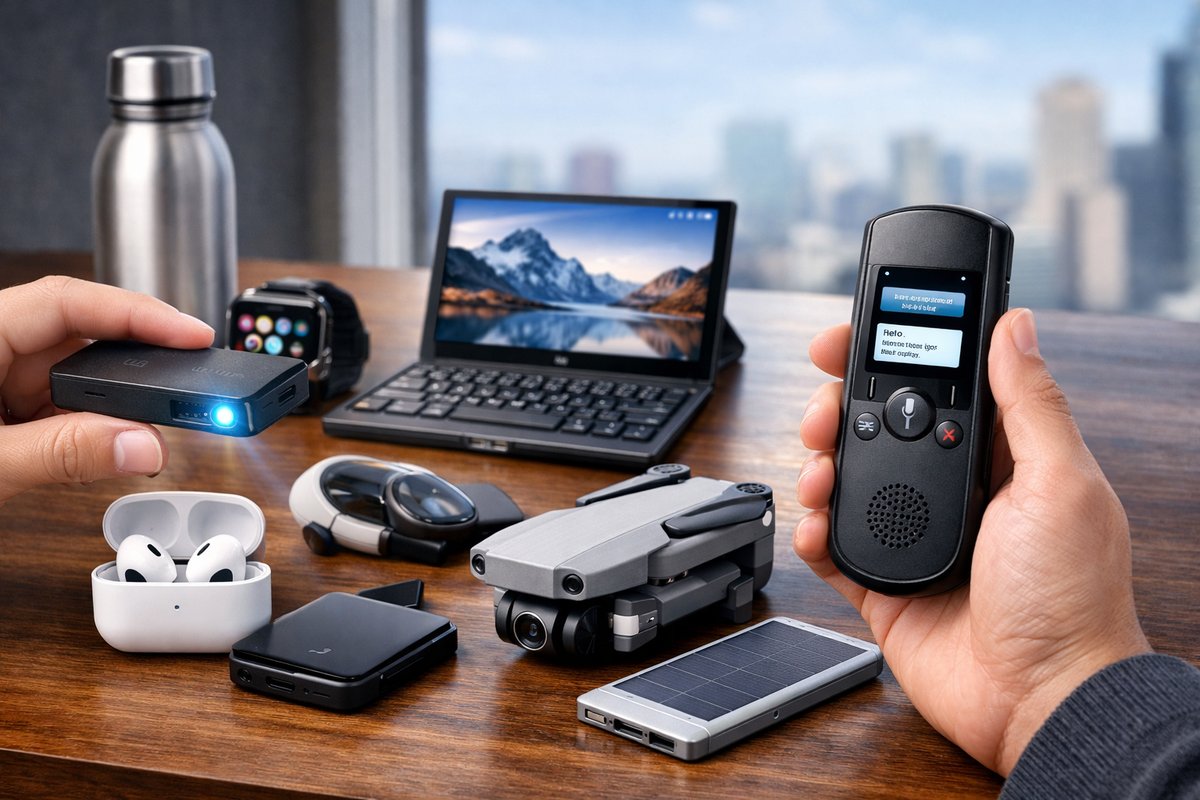
From credit-card-sized projectors to palm-held translators, the latest wave of ultra-compact gadgets is delivering big functionality in tiny packages. Discover how these miniature innovations are transforming productivity, entertainment, and sustainability on the go.
In an era where less is often more, miniaturization has become the cornerstone of modern gadget design. Engineers are packing ever-greater power, connectivity, and intelligence into devices small enough to slip into a coin pocket, a handbag slot, or even the back of a smartphone case. This trend isn’t just a novelty-it represents a shift in how we interact with technology, blending convenience, sustainability, and high performance in ways that redefine daily routines.
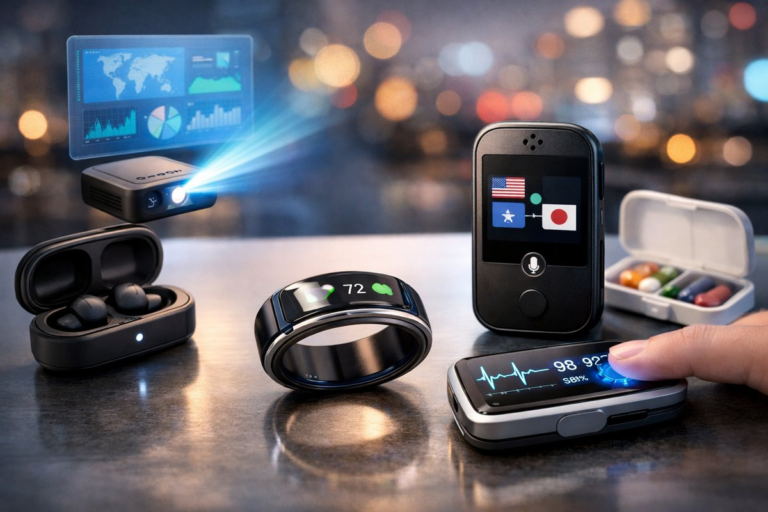
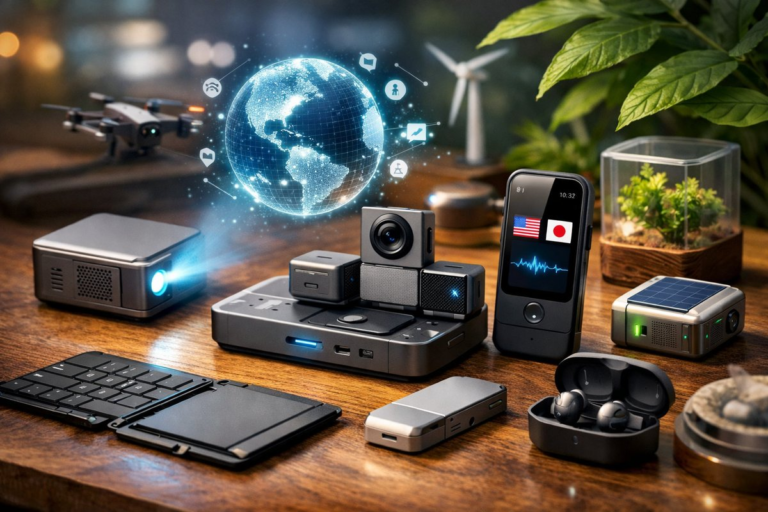
Consider the new breed of palm-sized projectors. No longer confined to conference rooms or home theaters, these tiny light cannons can beam sharp, full-color images onto any blank wall or sheet. Business travelers can turn hotel walls into presentation screens, and campers can host movie nights under the stars without hauling heavy A/V equipment. Advances in LED and laser light sources, energy-efficient processors, and foldable lens systems have driven dramatic reductions in size while preserving image quality above 1080p. Battery lives now stretch beyond two hours of continuous projection, and some models offer wireless screen mirroring from phones, tablets, and laptops.
On-the-go storage solutions have enjoyed a similar makeover. Portable solid-state drives once required a handful of coins’ space for ample capacity. Today’s flash-based models slice that footprint in half while doubling read and write speeds. With capacities topping 2TB, these pocket SSDs can shuttle 4K video libraries, design assets, or virtual machines between devices in seconds. Rugged enclosures withstand drops, water spray, and temperature extremes, making them essential companions for photographers, digital nomads, and anyone who values speed without bulk.
Wireless audio has undergone a stealth revolution, too. True wireless earbuds once compromised battery life or audio fidelity to achieve a compact form factor. A new generation of micro-driver technology, adaptive noise cancellation, and energy-harvesting charging cases now deliver studio-grade sound, noise isolation, and multiple days of listening on a single charge. Smart sensors detect when earbuds are in or out of ears, pausing or resuming playback automatically. Voice-assistant integration and in-ear health monitoring can track heart rate or ambient noise exposure-features first seen in larger headsets, now squeezed into minuscule acoustic chambers.
Productivity boosters have also been shrunk to palm-size. Pocket translators loaded with on-device neural-network models can handle dozens of languages offline, bridging communication gaps in remote villages or bustling marketplaces. Tiny mechanical keyboards fold or roll away, connecting to phones, tablets, and laptops over Bluetooth. Their clicky switches and backlit keys rival full-size peripherals, yet they weigh no more than a paperback novel. Portable trackpads and mini programmable macro pads slip into laptop sleeves, giving creators tactile control without sacrificing the space savings of ultra-thin notebooks.
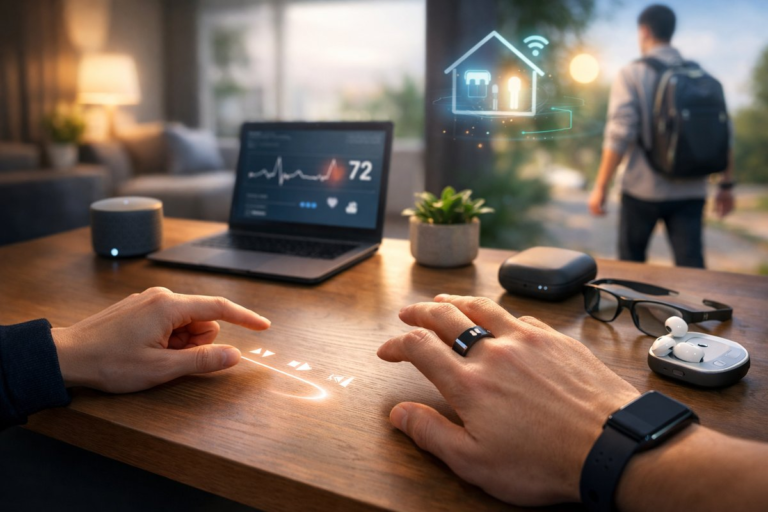
Health and wellness have not been ignored by the nano tech wave. Wearable fitness trackers once clung to wrists in bulky bands; now microelectromechanical sensors (MEMS) fit inside pendants or shirt clips, constantly measuring step count, sleep quality, skin temperature, and even blood-oxygen saturation. Some models forego straps entirely, adhering to the arm like a Band-Aid while syncing data via low-energy Bluetooth to mobile apps. Users can monitor hydration, stress levels, and workout intensity-all without the feeling of a smartwatch on their wrist.
Sustainability sits at the heart of many of these designs. By reducing materials and energy demands, manufacturers shrink not only the gadgets themselves but also their ecological footprints. Die-cast aluminum frames, recycled plastics, and bamboo casings are becoming commonplace. Modular designs allow individual components-batteries, cameras, sensors-to be replaced or upgraded without discarding the entire device. Crowdfunding campaigns now pledge carbon-neutral production, reusable packaging, and end-of-life recycling programs, putting transparent supply-chain ethics at the forefront.
Connectivity infrastructure has evolved in parallel. The widespread rollout of gigabit-class mobile networks and Wi-Fi 6E has eliminated the need for thick Ethernet cables or room-filling routers. Tri-band mesh nodes the size of a deck of cards can blanket a multi-story home in seamless coverage, while multi-gigabit USB-C hubs funnel data, power, and display signals through a single cable. Travelers moving between co-working spaces can dock laptops and phones in seconds, maintaining the fluidity of their workflows.
Even the sensory experience of technology has shrunk. Haptic feedback modules that once required a large motor can now produce precise vibrations from micro-actuators the size of a grain of rice. Mobile games feel more immersive. Virtual keys in productivity apps click in your fingertips. Notifications are discreet buzzes rather than loud beeps, yet convey a surprising range of tactile information-directional alerts, message priorities, and even emotional tones.
The fusion of miniaturization with artificial intelligence has unlocked new horizons. Edge AI chips installed in security cameras the size of a matchbox can detect package deliveries, recognize familiar faces, and even distinguish between pets and people. Smart sensors embedded in door locks, light switches, and outlets anticipate user habits and adjust settings accordingly-learning when to dim lights, lower the thermostat, or disable background noise in adjacent rooms.
Perhaps the most transformative aspect is how these pint-sized tools invite creative recombination. Hobbyists assemble tiny gyroscopes, microcontrollers, and sensor modules into DIY drones that fold into a backpack. Makers are using handheld circuit printers to lay out custom electronics on flexible film, crafting wearable LED displays or near-invisible health monitors. The barrier to entry for hardware prototyping has sunk to the cost of a small toolkit and a few open-source design files.
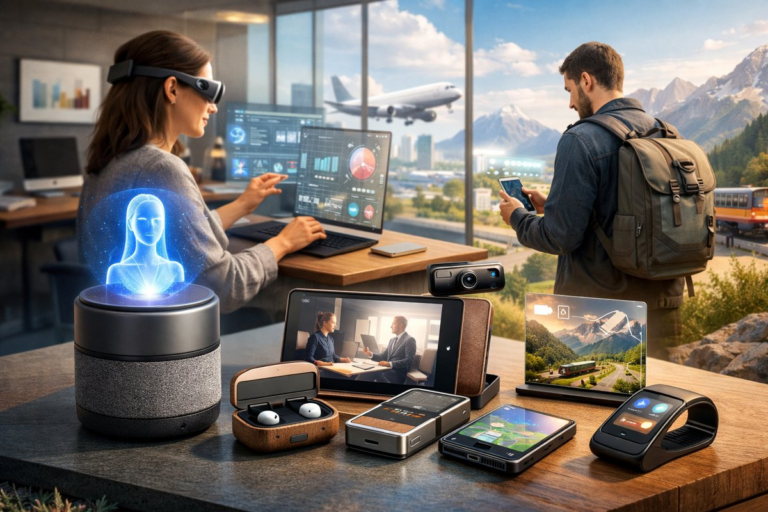
But the story doesn’t end with nimble devices alone. The software and services ecosystem has adapted to support minimal hardware footprints. Cloud-native apps rely on powerful back-end servers, sparing local processors from heavy lifting. Augmented-reality glasses can offload object recognition to remote AI clusters, reducing their size and power needs. Subscription-based modular software models let users add only the features they need-camera filters, voice-assistant skills, or advanced analytics-eliminating bloat and licensing fees for unused functions.
The collective impact of this miniaturization craze goes beyond mere convenience. It changes how we perceive space, resources, and time. Commuters reclaim hours of productivity by keeping a full workstation in a briefcase. Outdoor enthusiasts capture professional-grade video without lugging tripods and lights. Multinational teams collaborate in virtual workspaces using devices no larger than a credit card. Even classrooms in underserved regions gain access to interactive learning tools with nothing more than a solar-charged projector and a handful of micromodules.
Yet with all this promise comes new considerations. Data security assumes critical importance when entire home networks run on tiny hubs. Device interoperability standards must keep pace with novel form factors. Repairability and right-to-repair legislation grow increasingly urgent as components become harder to swap. And the ethical dimensions of ever-smaller surveillance tools demand broader public dialogue.
Innovation rarely travels in a straight line. As silicon wafers scale to ever smaller nodes, breakthroughs in materials science, battery chemistry, and photonics will fuel the next generation of micro-marvels. Transparent solar cells might integrate into eyewear. Neural interfaces could reside under the skin, translating thought into text. Quantum chips the size of postage stamps may perform calculations unthinkable on today’s mainframes.
For now, though, the revolution is palpable in our pockets, desks, and backpacks. This wave of diminutive devices reminds us that true progress often arrives in unassuming packages. By compressing power, connectivity, and intelligence into forms that almost disappear, engineers are not just crafting neat toys-they’re reinventing the very boundaries of human experience. The next time you slide a palm-sized projector onto a coffee-table bookshelf or stow an ultra-slim SSD in your laptop sleeve, remember: the future of technology is not about getting bigger. It’s about getting smaller, smarter, and more seamlessly woven into the fabric of our lives.