Location
Mount Vernon, WA 98274

Location
Mount Vernon, WA 98274
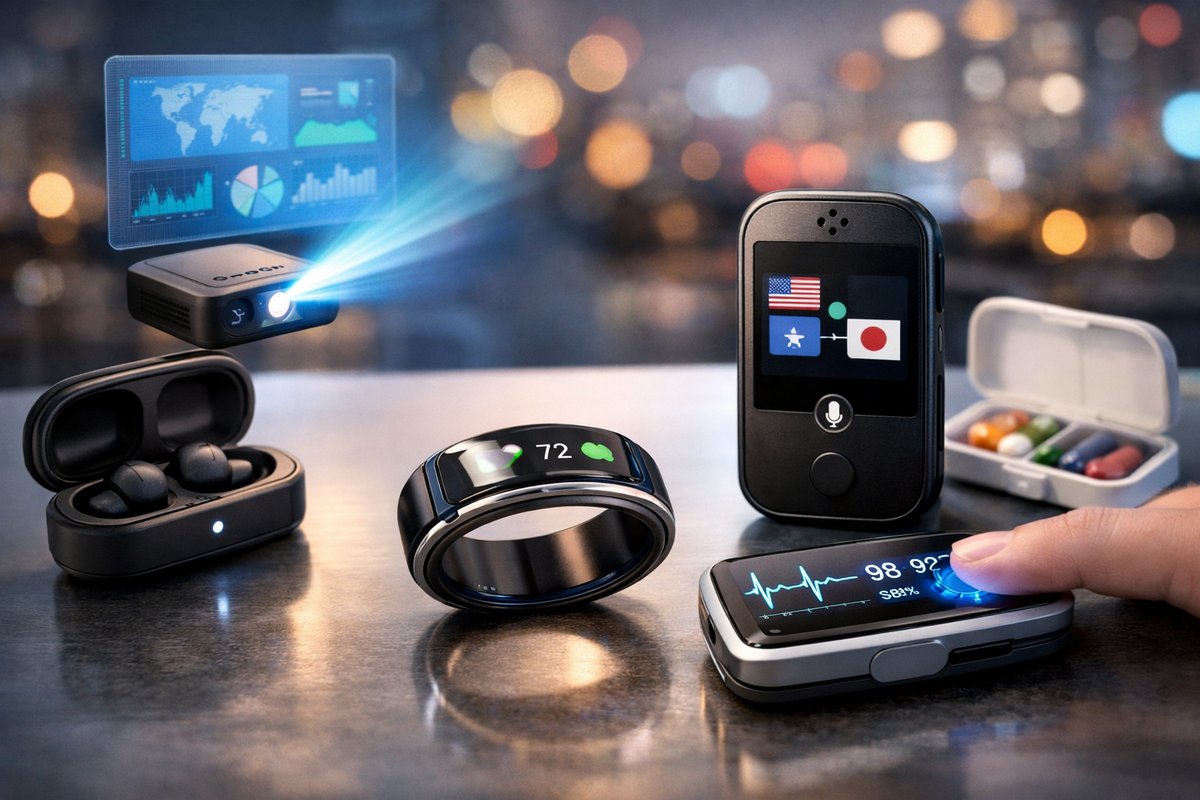
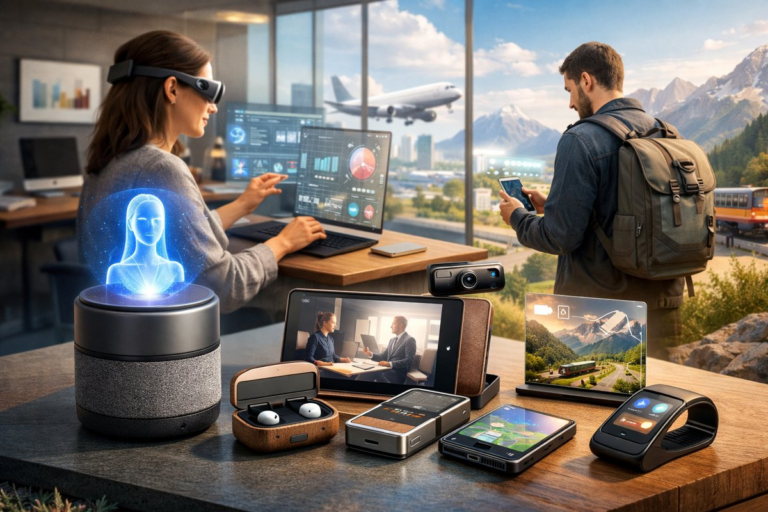
A new generation of ultra-compact devices is turning pockets into power hubs, translation booths, and health check stations. From micro projectors to smart rings, these tiny titans blend ingenuity with portability to transform routines and adventures alike.
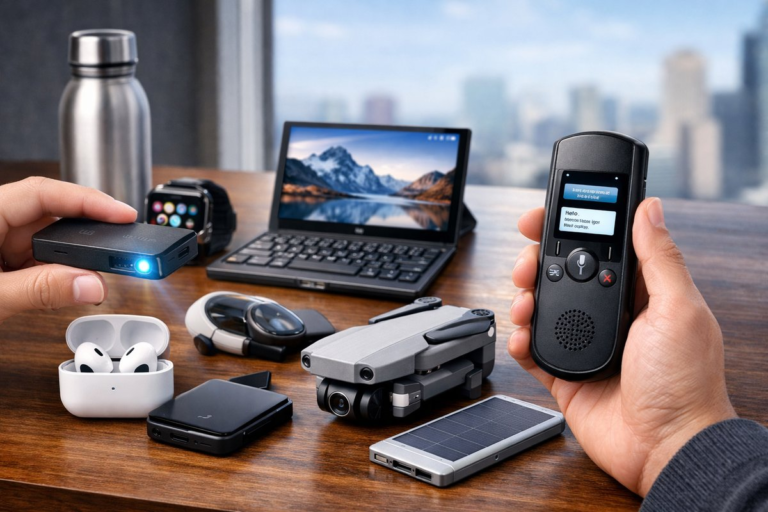
Every morning, commuters dig through backpacks and handbags for anything but a bulky laptop or heavy notebook. Instead, a sleek, palm-sized projector hums to life, casting crisp slides onto a subway wall. At coffee shops, travelers slip a pocket translator from a jacket pocket, holding fluid conversations in unfamiliar tongues. Fitness buffs glance at smart rings tracking sleep and heart rate. These are not props from a sci-fi film but real gadgets reshaping how we work, play, and stay healthy on the move.
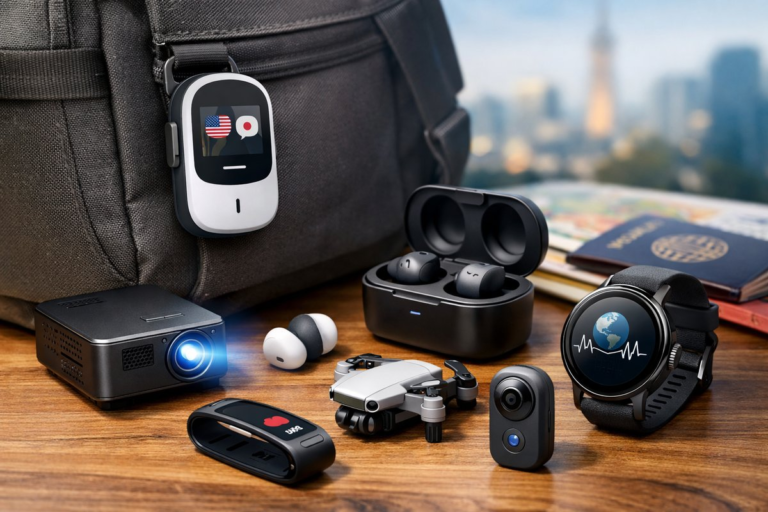
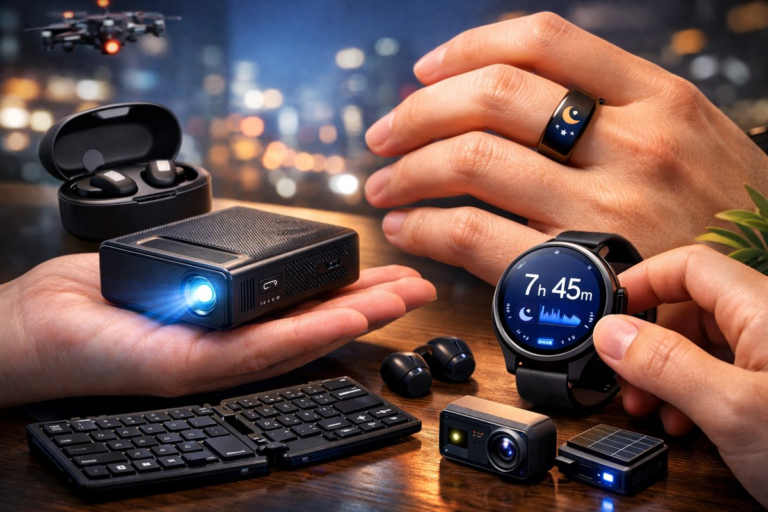
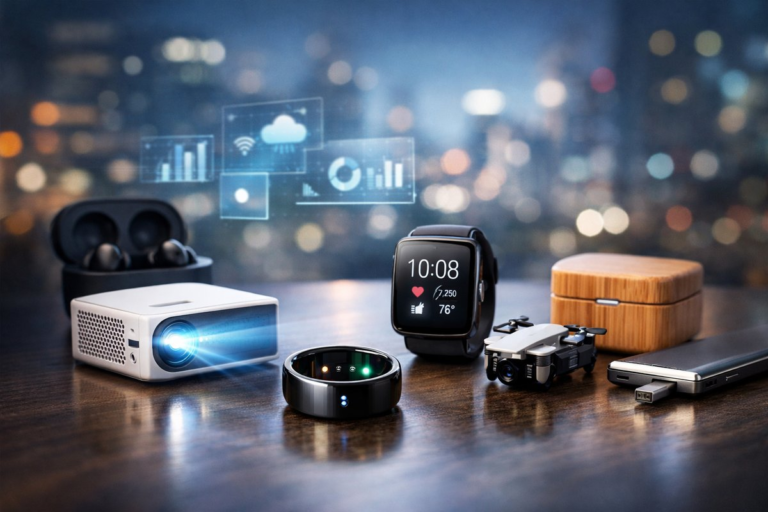
Consider the portable projector. No larger than a deck of cards, these tiny luminaires now beam full-HD images onto any flat surface. Analysts at research firm IDC note that shipments of pico projectors have climbed steadily, as professionals and students seek on-demand displays without hauling monitors or screens. Modern versions weigh under 200 grams and run for two hours on battery alone. Built-in Wi-Fi and Bluetooth let users mirror smartphones or laptops in an instant. Whether pitching an idea or streaming a film under the stars, these micro projectors turn walls into personal theaters.
Language barriers are crumbling thanks to pocket-translator devices that listen, transcribe, and instantly speak translations for dozens of languages. Earlier iterations struggled with ambient noise and awkward pauses. Today’s models boast dual microphones and on-device AI that handles accents and slang more gracefully. With battery lives spanning a full day, they slip into pockets or clip onto keychains. Travelers no longer fumble with phrasebooks or smartphone apps; they carry a dedicated interpreter that keeps pace with rapid conversation. The result is more confident connections across cultures and new friendships born from seamless dialogue.
Meanwhile, health tech has gone portable. Credit-card-sized electrocardiogram (ECG) trackers slip into wallets, ready to record heart rhythms at a tap. Noninvasive blood-glucose monitors connect to smartphones, turning wrists or fingertips into medical labs. Even pocket spectrometers now detect hydration levels and nutrient content in food, empowering wellness enthusiasts with real-time data. This wave of compact diagnostics brings doctor-level insights to living rooms, hiking trails, and office desks alike. Wearers catch irregularities early, adjust workouts or diets, and share results with professionals from wherever they roam.
Powering all these micro marvels demands its own portable solutions. The latest pocket power banks deliver fast charging in credit-card form factors. With capacities surpassing 10,000 milliamp hours, they refill smartphones multiple times. Some units combine wireless charging pads, USB-C ports, and solar cells on foldable wings. They unfold to harness sunlight, then fold back into a pocket-ready brick. Whether off-grid in the wilderness or stuck in a long airport layover, these compact powerhouses keep devices alive when outlets are scarce.
Reading and note-taking have shrunk as well. Foldable e-readers and digital notebooks sport flexible displays that collapse to smartphone size. Writers and students store thousands of pages on microSD cards, annotate texts with styluses, and sync edits instantly via the cloud. Gone are the days of lugging binders bursting with papers; now all research, sketches, and scribbles live in slim, wipeable glass screens. These devices weigh under 200 grams and last for weeks between charges, making them perfect for globetrotting scholars and minimalist creatives.
For those who need computing muscle, mini PCs disguised as USB sticks or thumb drives now plug directly into HDMI ports on TVs and monitors. Equipped with quad-core processors, gigabytes of RAM, and SSD-style storage, they run productivity suites, web browsers, even light gaming. A single cable carries both power and display, shrinking desktops into tiny dongles. Users carry their entire workspace in a pocket-booting up familiar environments wherever they find a screen. This level of mobility shifts the definition of office from a fixed desk to wherever inspiration strikes.
Environmental sensing has joined the pocket gadget revolution. Hand-held air-quality monitors reveal pollution levels and particulate counts as users stroll city streets or campgrounds. Water-quality testers measure pH and heavy metals with no laboratory required. Radiation dosimeters fit on keyrings, alerting hikers near old mines or medical facilities. These micro sensors connect via Bluetooth to smartphones, mapping data in real time. Citizen scientists and health-conscious individuals gain actionable insights about the air they breathe and the water they drink-right at their fingertips.
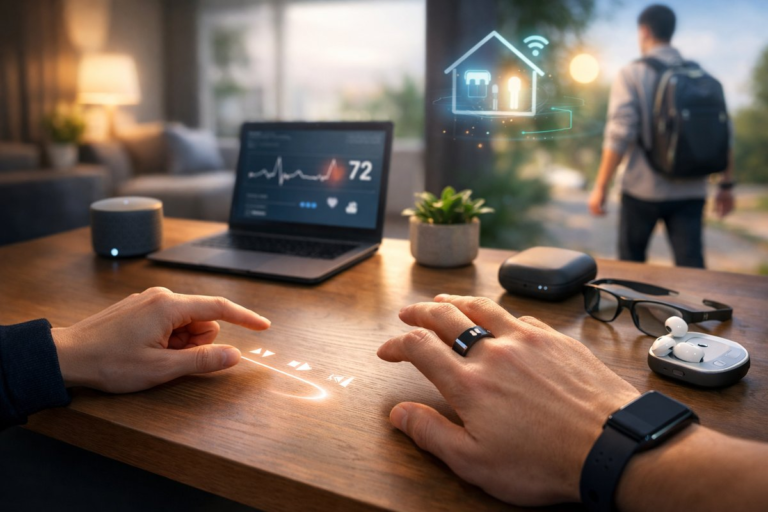
Amid all these standalone marvels, wearables have taken a subtler form. Smart rings slip onto fingers, tracking sleep phases, oxygen saturation, heart rate variability, and steps. Unlike wristbands, rings avoid snagging on sleeves and offer a discreet form factor. Alerts for calls or messages show up as gentle vibrations, reducing screen time. As battery tech improves, these rings run for days between charges. They blend health insights, notifications, and contactless payments in a single piece of jewelry-proof that sometimes the smallest wearables make the biggest impact.
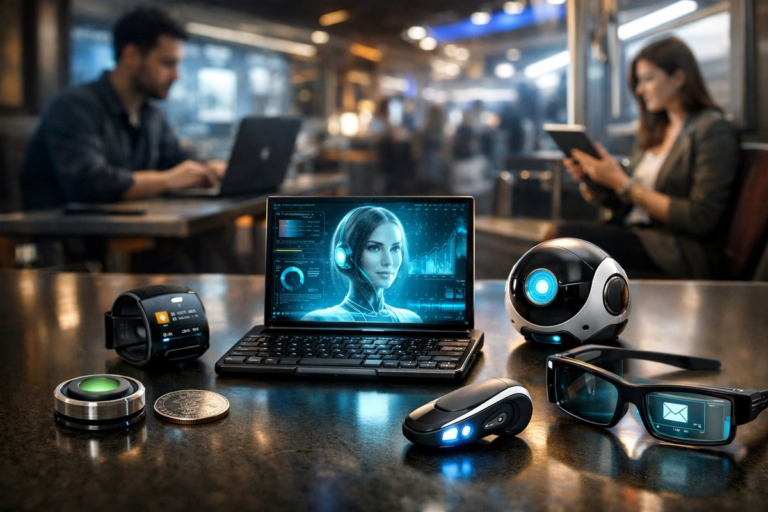
Voice-activated AI assistants have also gone mobile. From earbuds to micro speakers, they listen for commands, manage schedules, and control other gadgets. Offline capabilities now enable basic translation and smart-home control without constant internet connections. This trend reflects a growing emphasis on privacy, letting users process sensitive voice data on-device rather than in distant cloud servers. The result is a balance of convenience and confidentiality, giving people autonomy over personal information.
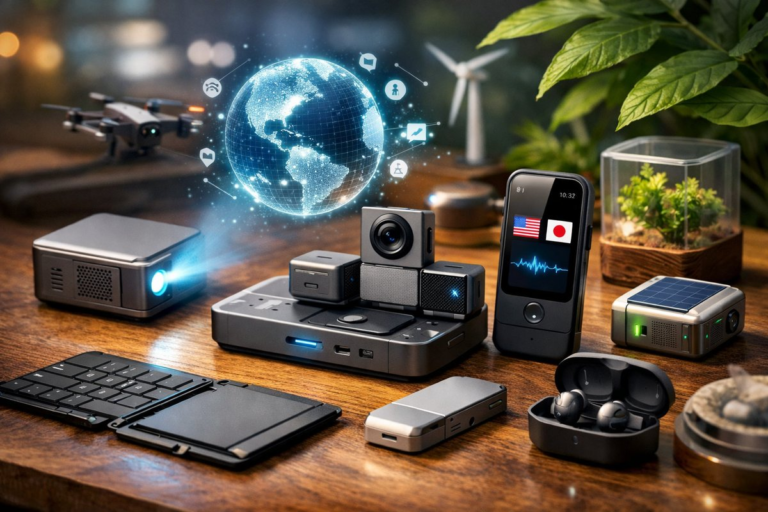
The modular approach is gaining ground, too. Clip-on attachments transform pocket cameras into thermal imagers, macro lenses, or night-vision scopes. Magnetic modules stack onto power banks, adding extra battery packs, LED lights, or wireless charging coils. Crowdfunding platforms brim with concepts like snap-together synthesizers, pocket-sized robotics toolkits, and micro-drone kits that launch from a single hub. This open ecosystem encourages tinkerers to customize toolsets based on specific needs-boosting both creativity and sustainability by extending device lifespans.
Privacy and security concerns accompany the miniaturization of computing power. Many devices now include encrypted storage, biometric locks, and manual kill switches for microphones and cameras. On-device AI processing reduces the need to send personal data across networks, lowering the risk of breaches. Users can choose gadgets certified by independent testing labs for data protection and durability. In an era of shrinking form factors, safeguarding digital identity has become as important as reducing physical bulk.
Looking ahead, materials science promises even thinner, lighter gadgets. Graphene-based batteries could cut charging times in half and collapse into paper-thin sheets. Micro-LED displays may appear in fabrics, turning clothing into touchscreens. Biodegradable electronics printed on plant-based substrates could minimize e-waste. Researchers envision implantable sensors no larger than grains of rice, monitoring health from within the body. While some of these concepts remain in labs, they offer a glimpse of a future where technology integrates seamlessly-and invisibly-into everyday life.
Yet with these tiny titans comes a subtle set of challenges. Constant connectivity can lead to digital distraction, turning pockets into portals of perpetual alertness. Sustainable disposal and recycling of mini gadgets must keep pace to prevent environmental fallout. Manufacturers and consumers alike must prioritize modular repairability and ethical material sourcing. If handled thoughtfully, the same ingenuity that shrinks devices can also shrink their ecological footprint.
Still, the narrative is overwhelmingly positive. These pocket-sized powerhouses empower individuals with knowledge, connection, and creativity. In a world that often feels fixated on bigger and faster, miniaturization reminds us that small can be mighty. From cast-iron-sized projectors to ring-based health monitors, these tiny titans are supercharging everyday moments-one pocket at a time.