Location
Mount Vernon, WA 98274

Location
Mount Vernon, WA 98274
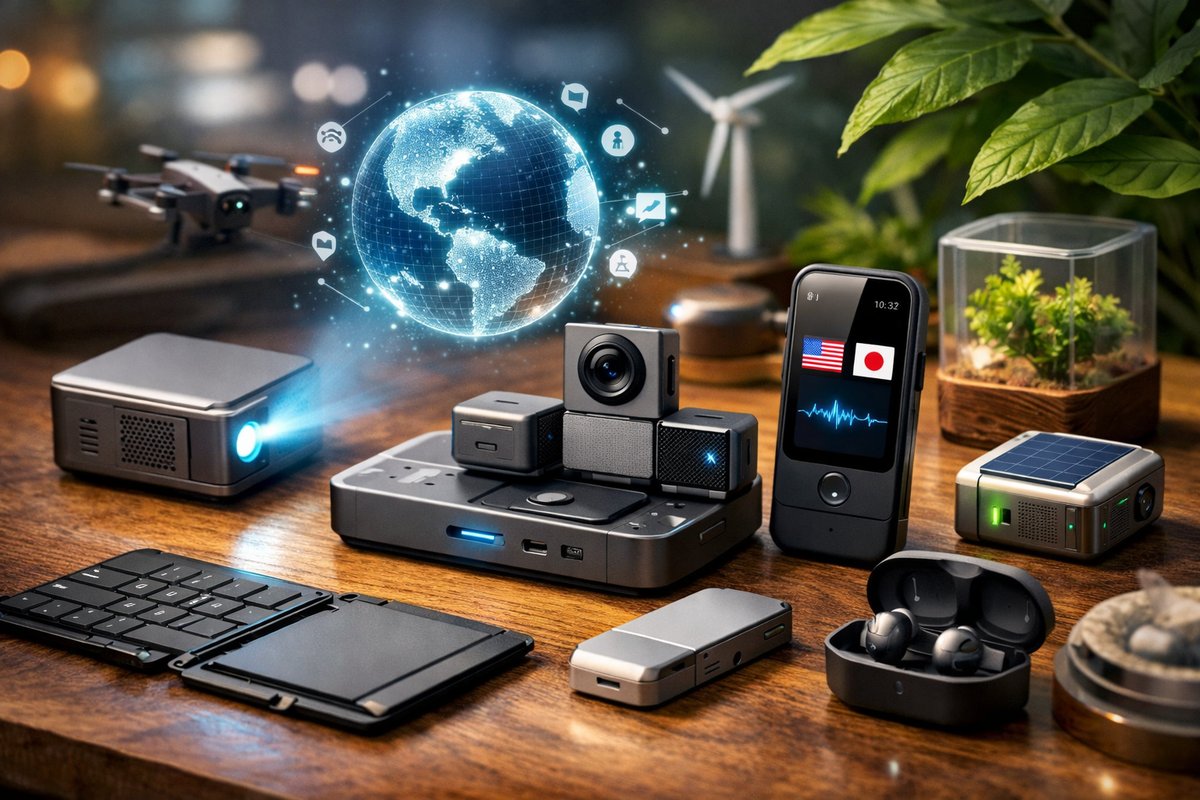
From pocket projectors to AI-driven translators, an evolving wave of ultra-compact devices is reshaping how we work, play, and connect. Discover the modular innovations and sustainable practices fueling this micro-tech revolution.
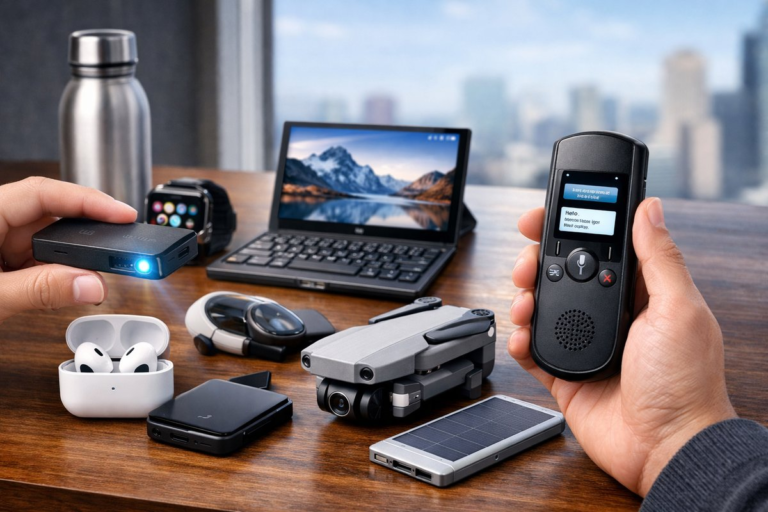
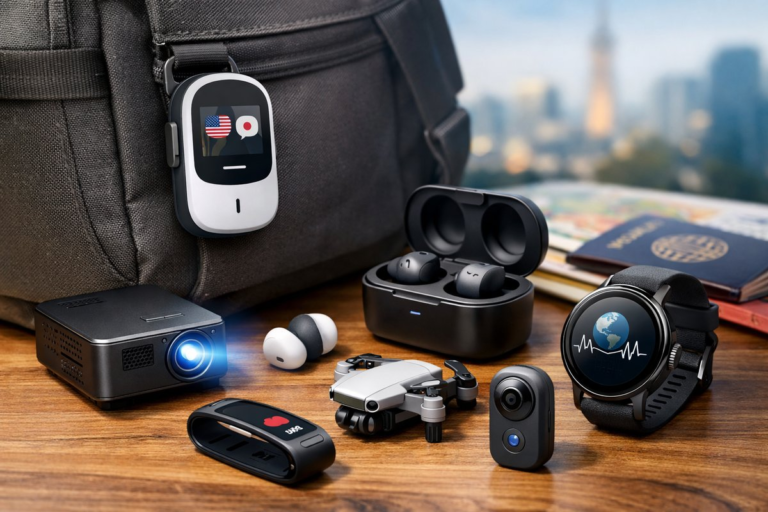
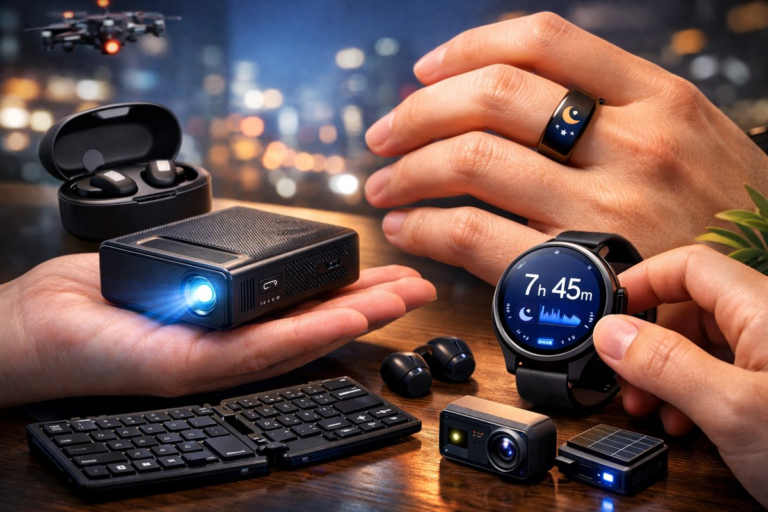
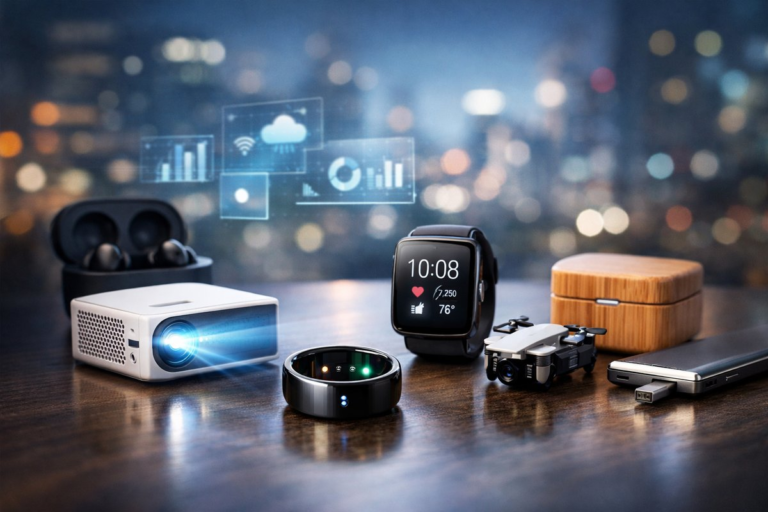
A traveler steps off the train, unpacks a palm-sized projector onto a tabletop, and in seconds is watching a high-definition video on the wall. Nearby, a commuter adjusts a smart ring that tracks stress levels and gives silent vibration prompts to breathe. Across the café, a digital nomad unfolds a keyboard no larger than a smartphone, pairing it via Bluetooth to craft reports on the fly. These are not science-fiction vignettes but the early symptoms of a micro-tech revolution that’s quietly infiltrating daily life.
Engineers and designers have long pursued miniaturization, but recent advances in materials science, battery chemistry, and AI algorithms are turbocharging the trend. Tiny sensors once relegated to labs can now fit into rings or wristbands. Lithium-ion batteries are giving way to solid-state cells that promise higher energy density in smaller footprints. Meanwhile, edge-AI chips allow natural language translation or image recognition in real time-without constant cloud connectivity.
This convergence of shrinking hardware and smarter software is giving rise to modular gadget ecosystems. Rather than buying a single monolithic device, users can mix and match components: clip-on lens modules for smartphone cameras, snap-together battery packs that boost runtime, or plug-in AI accelerators that offload complex tasks. The result is a level of customization and upgradeability that stands in stark contrast to the sealed, single-use gadgets of past decades.
Key to this shift is a renewed focus on sustainability and longevity. Many mini gadgets are now designed for disassembly and repair. Standardized connectors-like magnetic snap modules or USB-C powered bricks-mean owners can replace or recycle parts rather than tossing the entire device. Some startups are even publishing repair manuals online and offering trade-in programs for worn-out modules, creating a circular economy around micro-tech components.
On the software side, modularity takes the form of open APIs and lightweight development kits. Hobbyists can write custom routines for a wearable sensor ring to monitor heart rate variability during workouts. Photographers can download firmware updates to add slow-motion capture to their pocket projectors. The barrier to entry is lower, and creativity is the real limit.
Privacy advocates also applaud the shift away from cloud-only processing. By embedding small neural-network accelerators directly into the device, sensitive data-like biometric readings or spoken phrases-can stay local. That means fewer calls home to data centers, less latency, reduced energy consumption, and greater control over personal information.
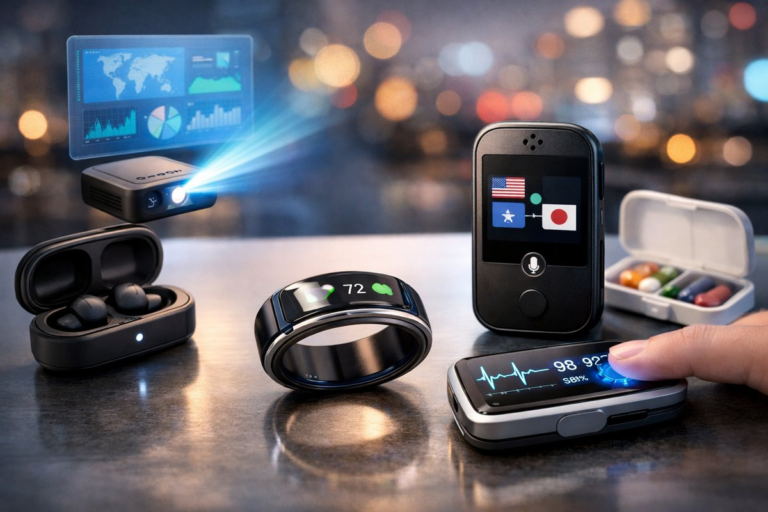
One example is the handheld translation tool that pairs a microphone, a speaker, and an AI chip in a package no larger than a deck of cards. It listens to speech in one language, runs a neural-machine translation model on the edge, and plays back the target language nearly instantly. Travelers who once lugged phrasebooks or juggled clunky apps on their phones now carry a dedicated module that works offline and bypasses roaming fees.
Battery life, long the Achilles’ heel of pocket-sized tech, is also improving. Solid-state cells promise denser energy storage, while advanced power-management software dynamically throttles processors and dims displays to extend runtime. Solar membrane wraps and micro-kinetic generators harness ambient light or motion, offering trickle-charging capabilities that can stretch a device’s life by hours. In the near future, gadget modules might share a communal power bank that recharges each via wireless resonant coupling-imagine a desk pad that powers your ring, your earbuds, and your compact drone all at once.
The impulse toward smaller, modular tech isn’t limited to consumer markets. Industrial sectors are deploying micro-sensor networks to monitor equipment in remote locations, using tiny probe modules that report vibration, temperature, and pressure back to a central hub. In agriculture, farmers use pocket-sized spectrometers to test soil quality on the spot. Healthcare professionals can slip a miniaturized ultrasound probe into a coat pocket for instant diagnostics. Each of these innovations hinges on the idea that portability and modularity can drive impact at scale.
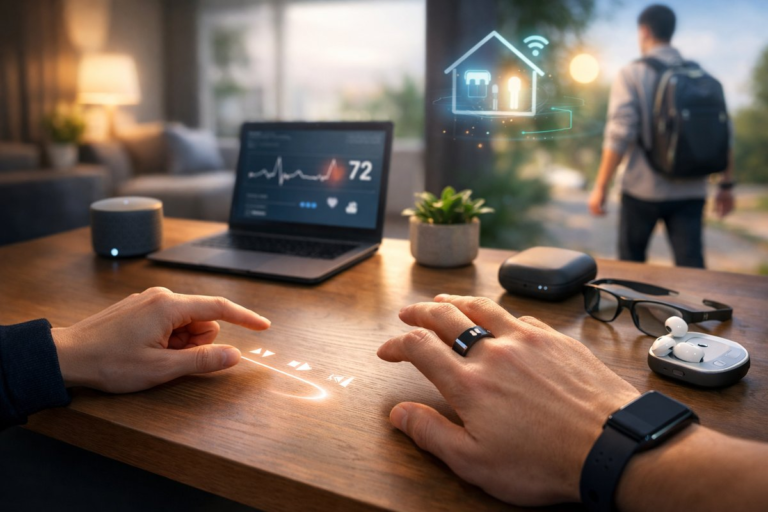
Emotionally, there’s something liberating about carrying a toolkit of intelligent modules rather than a single bulky machine. Need to screen-cast a presentation? Clip on a micro projector. Want to transcribe a meeting? Snap on a portable AI recorder. Feeling out of touch with your health? Wear a discreet ring that tracks your vitals. The mental shift from “one device does all” to “many modules can combine” echoes broader cultural trends toward personalization and agency.
Looking ahead, we can expect even more surprising form factors. Ultrathin micro-LED displays could wrap around wrist guards or slide into the pages of a notebook. Biodegradable sensor stickers might monitor posture or environmental air quality, then dissolve safely after use. Swappable neural-network modules could bring advanced AI to remote villages without reliable internet, providing translation, disease diagnosis, or educational tools on demand.
Challenges remain: interoperability standards are still coalescing, and security protocols need to guard against rogue modules. Repair-and-upgrade markets must grow to match the demands of diverse ecosystems. Yet the promise of pocket-sized powerhouses-tools that adapt, learn, and integrate without monopolizing physical or mental space-has captured the imagination of engineers and consumers alike.
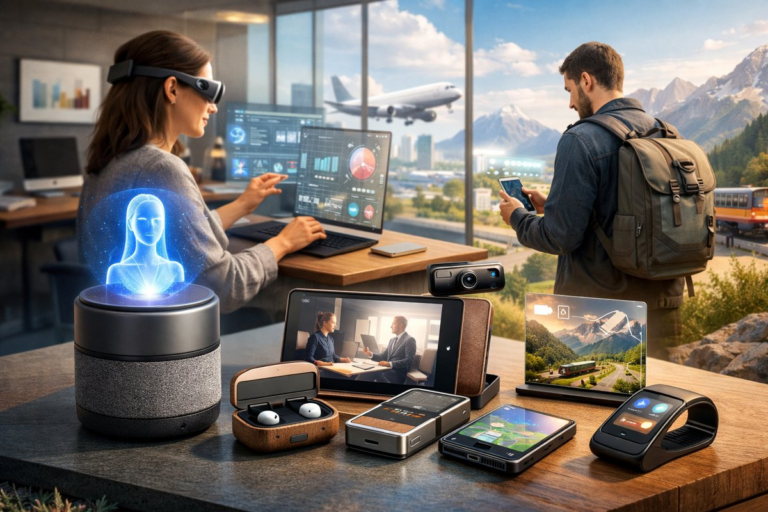
Ultimately, this micro-tech frontier is not just about making gadgets smaller; it’s about fractured, customizable systems that evolve alongside our shifting needs. Whether you’re a globetrotting professional, a weekend hobbyist, or simply someone who craves seamless digital support, the modular mini revolution is poised to deliver smarter, more responsible solutions right in the palm of your hand.