Location
Mount Vernon, WA 98274

Location
Mount Vernon, WA 98274
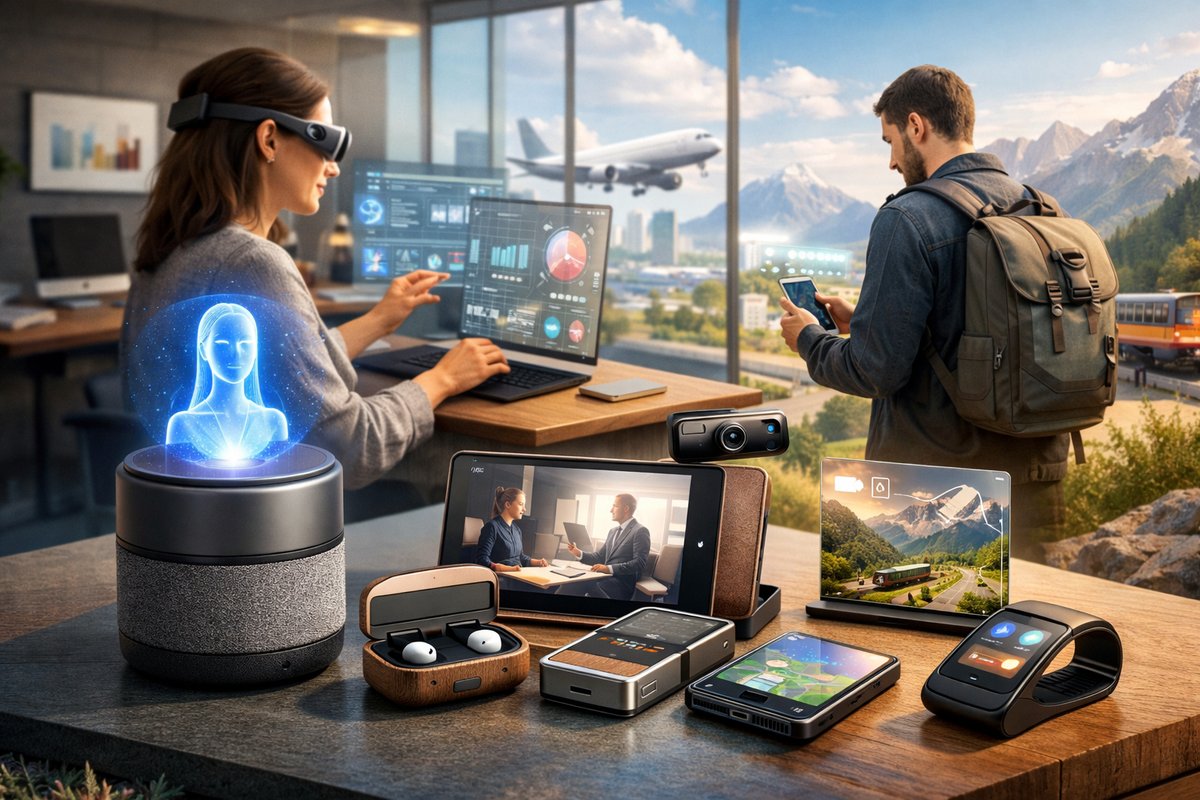
A new wave of ambient computing devices is transforming the way we work, travel and connect. These ultra-compact innovations blend AI, modular design and sustainable materials to deliver seamless experiences on the go.
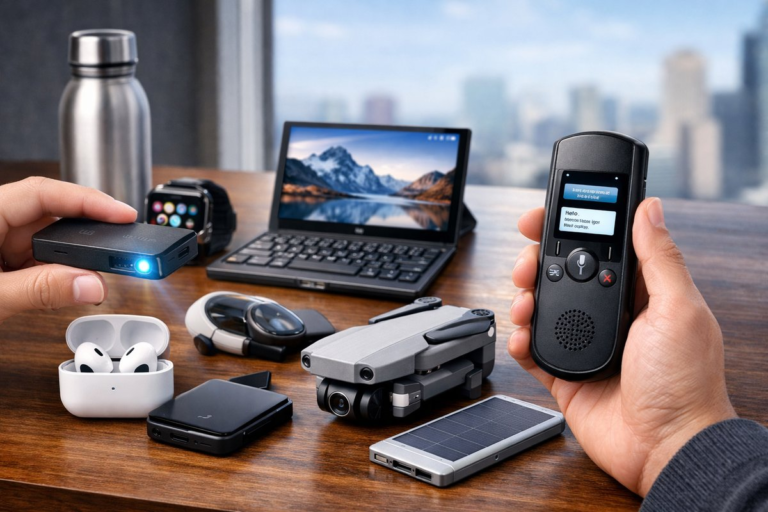
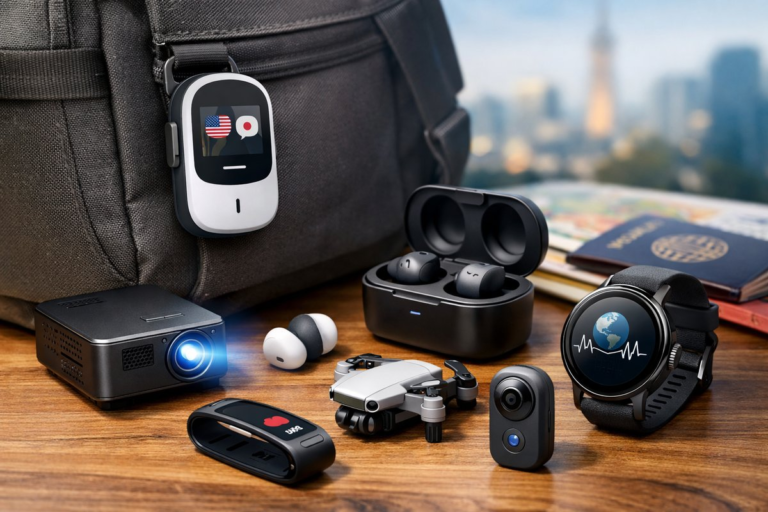
In a world where smartphones once reigned supreme as the ultimate multitool, innovators are now pushing boundaries beyond the slab of glass in our pockets. The latest frontier of gadgetry embraces ambient computing: tiny AI-driven modules, foldable interfaces and modular accessories that integrate into daily routines without drawing attention. From a miniature projector that turns any surface into a whiteboard to earbuds that translate conversation in real time, these devices operate in the background-anticipating needs, streamlining tasks and even tapping into sustainable power sources.
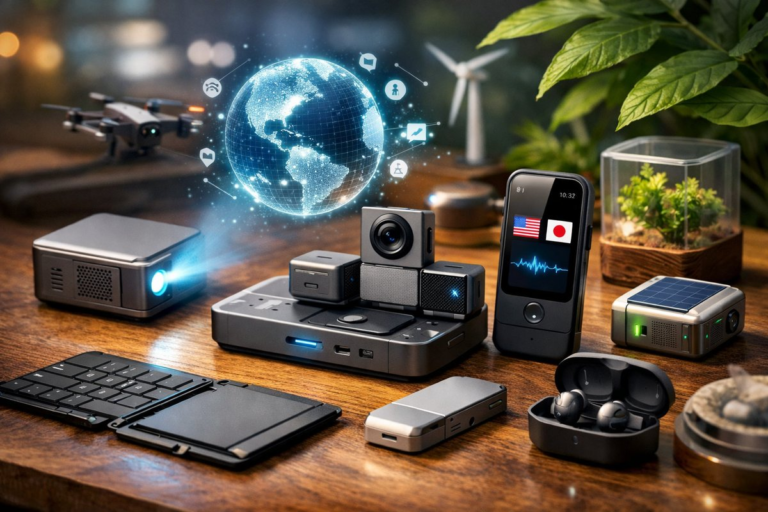
The shift toward ambient computing builds on several converging trends. Advances in low-power processors and custom AI chips compress machine learning workloads into millimeter-sized packages. Modular design standards allow components to snap together magnetically, creating a growing ecosystem of snap-on sensors, extended batteries and micro-display panels. At the same time, breakthroughs in new battery chemistries and recyclable materials are addressing the sustainability and e-waste concerns that have dogged handheld devices for years.
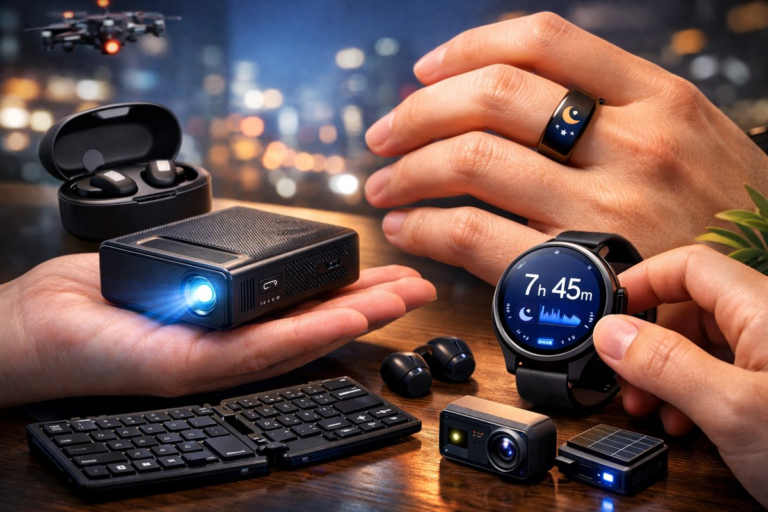
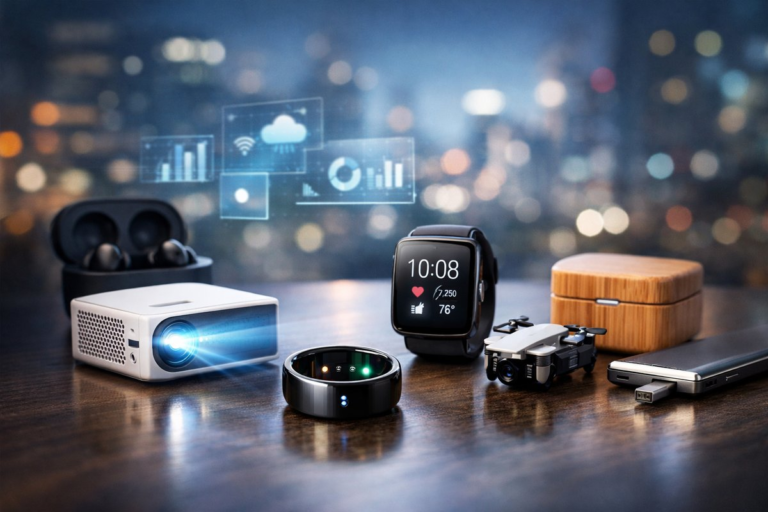
Companies showed off early prototypes of these gadgets at recent tech expos, alongside solar-augmented power banks and AI wearables that track stress levels through skin sensors. One demo involved a micro LED projector no larger than a deck of cards. Despite its size, it cast a vibrant, 80-inch image onto any wall, while built-in AI recognized diagrams and automatically organized meeting notes into editable text. The projector relied on a swappable battery pack built with a modular standard that fits other ambient computing hubs, letting users hot-swap cells without pausing their workflows.
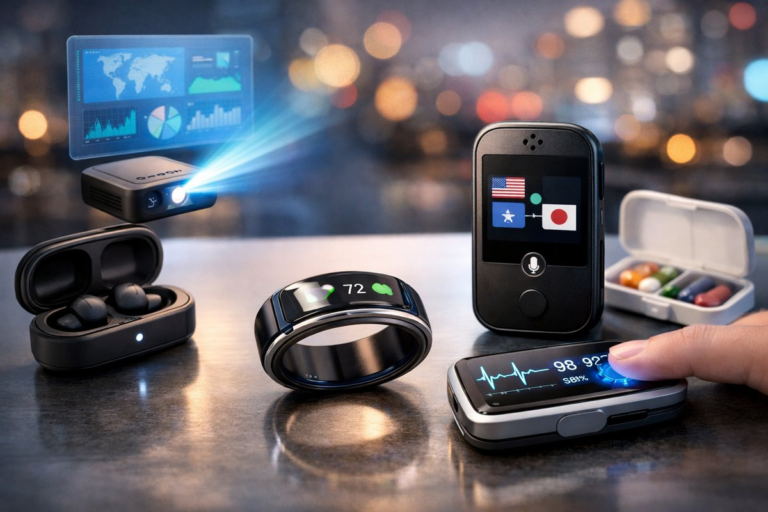
Another highlight was a pair of translation earbuds that employ on-device neural networks to convert spoken phrases between multiple languages with minimal latency. Unlike earlier cloud-dependent models, these earbuds work offline for short conversations, routing audio through a micro DSP chip. They also feature removable acoustic filters tailored to different environments-one for crowded transit hubs, another optimized for outdoor field reporting.
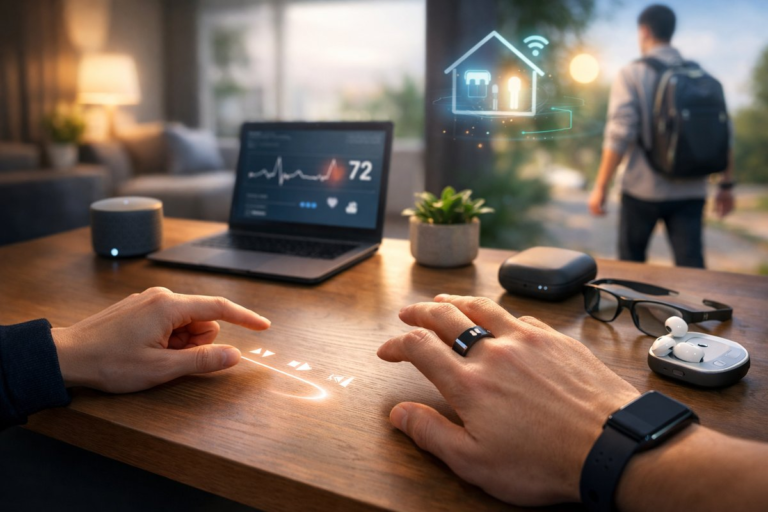
On the wearable side, smart rings and badges are gaining traction among commuters and enterprise users. These elegant, jewelry-like gadgets house capacitive touch surfaces that let wearers trigger home automations, control presentations or sign digital documents with just a flick. Developers can program custom gestures through companion apps, forging a personal language of taps and swipes that fits each user’s workflow. The ring’s haptic motor gives discreet feedback, so you know when a call is muted or a task is saved without pulling out a phone.
Digital notebooks with e-ink displays have evolved beyond single-function tablets. Modern versions support wireless charging, cloud sync and stylus-free handwriting recognition. Their battery life stretches into weeks, making them ideal for fieldwork, classrooms and brainstorming sessions. An open standard allows users to purchase third-party covers that embed solar cells or NFC readers, enabling contactless data transfer at checkpoints or an extra trickle charge under ambient light.
Portable power remains a critical piece of the ambient puzzle. Traditional power banks are being redesigned with flexible photovoltaic laminates that conform to shapewear straps or backpack panels. A recent model integrated a small wind turbine into its housing, capturing airflow while cycling. Engineers have also begun experimenting with piezoelectric modules that harvest energy from routine actions-typing, walking or even fidgeting with a ring.
Micro drones have also found their niche in the ambient ecosystem. These palm-sized flyers can be deployed in seconds to capture aerial footage or relay Wi-Fi signals in remote workplaces. Machine-vision algorithms onboard help them navigate indoor hallways and avoid obstacles in dynamic environments. Modular attachments let a single drone moonlight as a portable reflector for mobile filmmaking or as a mobile sensor platform for environmental monitoring.
The real power of this ambient wave lies not just in individual devices but in their interoperability. A consistent API lets a digital notebook send annotated sketches to the micro projector, while a ring trigger can launch a drone’s mapping routine. Open-source communities are developing cross-platform standards that mimic the modular ecosystem seen in desktop computers decades ago-but on a far smaller scale.
Security and privacy remain front and center. Since many ambient gadgets store biometric or audio data locally, manufacturers are building hardware encryption modules into chip packages. Users can set tiered access policies that make certain functions available only when a trusted ring or badge is near. Some devices even support short-range encrypted broadcasts, letting groups in meetings or field operations share data without touching a central hub or internet connection.
For remote workers and digital nomads, ambient computing is a game-changer. Imagine unpacking a compact carrying case at a co-working space, unfolding a foldable keyboard, snapping on a micro-display and powering it all with a solar-augmented battery tile. Within seconds, you have a full desktop setup. When it’s time to leave, you detach the pieces, stow them in a pocket, and head out with barely a footprint.
Beyond productivity, these devices are finding roles in health, education and accessibility. Wearable air-quality monitors tucked into lapels can warn individuals with respiratory conditions when pollution spikes. Tiny haptic worn modules deliver real-time gait corrections for physical therapy patients. In classrooms, teachers use micro projectors to share student work on any wall, turning hallways into impromptu galleries.
This is just the beginning. The ambient computing wave is expected to accelerate as new materials like printable semiconductors and ultra-thin batteries hit the market. Imagine electronics that you can roll up like paper, or fabrics woven with microcontrollers. As these innovations mature, our interactions with technology will become increasingly seamless and invisible.
Yet, with so much capability in such small packages, responsible design is essential. Standardized recycling programs for modular batteries and adherence to privacy-first data protocols will determine whether ambient computing becomes a sustainable revolution or another contributor to electronic waste. Designers are also prioritizing emotional intelligence in AI models so these devices feel less like cold, purpose-driven tools and more like empathetic assistants that respect user context and boundaries.
As we move beyond the screen-and-slab era, ambient computing gadgets promise to dissolve the barriers between tasks and environments. The lab in your pocket may soon expand into a personal assistant in your ring, a home office on your bookshelf, and a creative studio on your jacket. It’s an epoch where technology disappears into the background, leaving only the experience. And though the future remains unseen, one thing is clear: innovation at this scale will redefine the meaning of “portable.”