Location
Mount Vernon, WA 98274

Location
Mount Vernon, WA 98274
A wave of eco-conscious travelers is reshaping the centuries-old pilgrimage, as local councils and heritage groups roll out sustainable rest stops, rainwater harvesting stations, and solar-powered shelters along under-visited trails. The revival of lesser-known green routes promises a deeper connection to the land and communities shaping the journey.
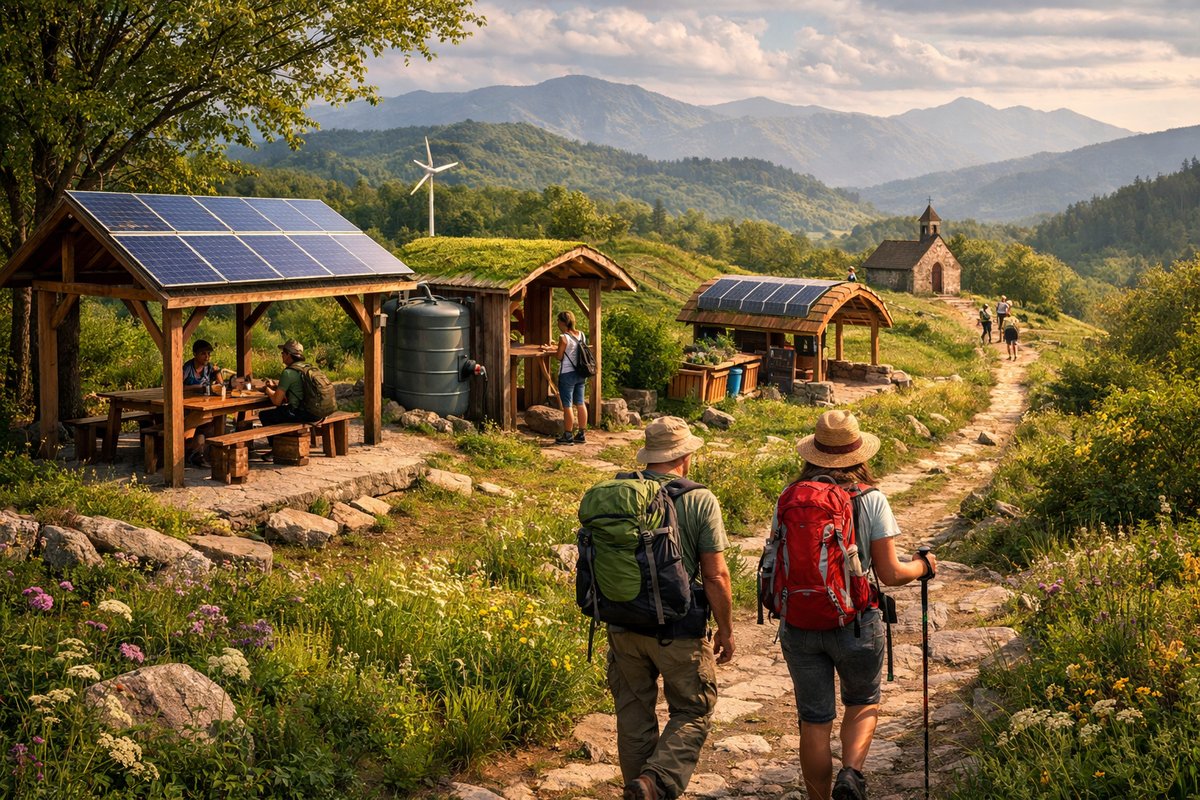
A hush settled over the rolling hills outside León last spring when the first eco-pilgrims set foot on a newly upgraded section of the Camino de Santiago. Far from the crowded stretches that made headlines in recent years, this quieter path now features solar-powered information kiosks, rainwater-catchment fountains, and composting toilets-all part of a broader push to make pilgrimage more sustainable and community-driven.
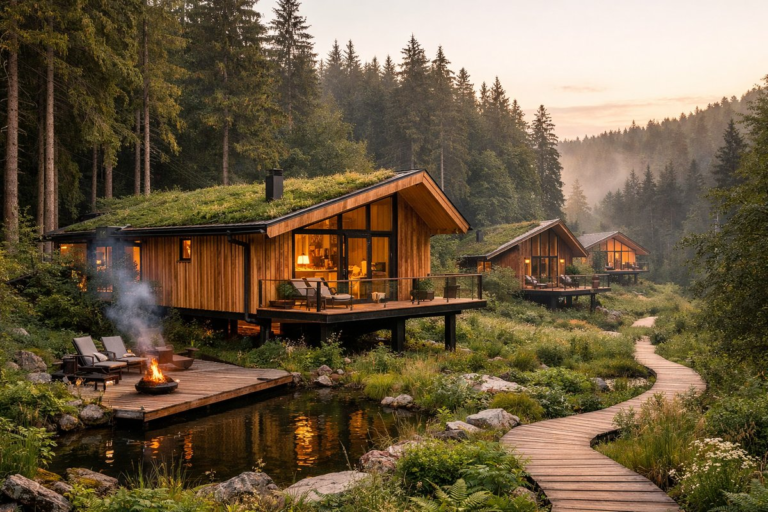
The initiative builds on UNESCO’s recent guidelines for sustainable tourism in World Heritage sites, which encourage local governments to adopt low-impact infrastructure that safeguards both cultural landmarks and fragile ecosystems. In Galicia and Castilla y León, municipal councils collaborated with Pilgrim Green Spain, a nonprofit that installs off-grid rest points and trains volunteers to maintain eco-facilities. The result is a network of green refugios-rustic shelters crafted from reclaimed wood, straw bales, and bamboo-that blend seamlessly into the high-altitude pastures.
By design, these refugios avoid the all-you-can-eat buffets and neon signage of commercial hostels. Instead, pilgrims encounter herb gardens, vegetable patches managed by local cooperatives, and small kitchens stocked with produce from nearby farms. Hiking manuals once lauded the Camino’s historic churches and bustling taverns; today’s guidebooks highlight sustainability, local artisans, and indigenous food traditions.
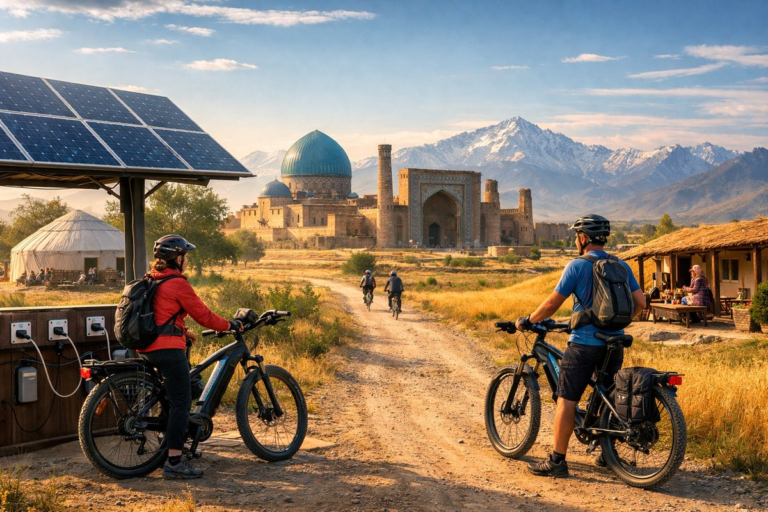
One of the most striking features is the rainwater-harvesting fountain at Alto del Perdon. Pilgrims pause to fill lightweight water bottles at spigots fed by rooftop collectors, then continue under the jagged silhouette of wind sculptures crafted by a regional artist. Solar panels glint on the eaves of timber shelters, powering LED lights and USB charging ports for headlamps or e-readers. These modest comforts aim to balance intimacy with modern convenience-no Wi-Fi, but plenty of quiet to reflect by lantern glow.
Beyond infrastructure, the green route has catalyzed economic renewal in villages long bypassed by mainstream traffic. In Robledal de la Valduerna, a once-declining hamlet, a cooperative of shepherds opened a micro-brewery whose beers are flavored with locally foraged herbs. Nearby, women’s weaving circles sell handwoven blankets to pilgrims who carry just enough weight to honor both tradition and their backs. Small guesthouses offer homestays, insisting on silent mornings as dawn breaks over chestnut groves.
Pilgrims describe the shift as transformative. Emma, a first-time traveler from northern Europe, recalls her surprise at waking to the scent of rosemary and fresh sourdough. “I expected dormitories and traffic noise,” she admits. “Instead I found a network of families who invited me to dinner and taught me local songs. The journey felt held by the land itself.”
Environmental advocates see this trend as part of a global move towards regenerative travel, where visitors leave destinations healthier than they found them. Experts from the European Greenways Association note a surge in walking vacations that minimize motorized transport and focus on immersive experiences. At a recent symposium in Pamplona, planners presented case studies from Italy’s Via Francigena and Portugal’s Portuguese Way, each adopting solar shelters and greywater filtration systems pioneered in Spain.
Critics worry that any surge in interest could reignite overcrowding on these green trails. To manage demand, host communities have introduced a voluntary permit system that caps nightly stays at refugios. Pilgrims apply online, then receive a digital credential instructing them on Leave No Trace principles and local customs-everything from proper disposal of kitchen scraps to respectful dress codes in village squares.
Local officials praise early results. Waste audits show that single-use plastics have dropped by nearly 60 percent along the green route, as visitors refill metal bottles and use compostable cups. Soil quality around campsites has improved thanks to designated fire rings and biodegradable cooking fuel. Bird surveys indicate a return of sensitive species like the Iberian grey shrike and blue tit, once driven away by noise and disturbance.
Yet the movement still faces hurdles. Some refugios rely on volunteer labor and face shortages during peak season. Maintaining solar arrays and water systems in remote highlands requires specialized skills that few small towns can sustain. To address this, heritage NGOs are launching training programs for local youth, teaching basic environmental engineering and sustainable hospitality practices. Together, they hope to pass stewardship from one generation to the next.
Travel providers are adapting too. A handful of tour operators now offer guided green-route packages, but they emphasize minimal impact and community support fees rather than profit. Clients pay a small surcharge that goes directly to village councils, funding trail maintenance and artisan workshops. These “responsible pilgrimage” options sell out faster than traditional coach tours, suggesting a broader appetite for meaningful travel.
While the green route remains a work in progress, its influence is already rippling outward. Nearby wine regions are experimenting with organic viticulture, marketing vineyard tours that forbid motorized tasting shuttles. Coastal trails are mapping out low-emission boat transfers between ports, so hikers can continue without resorting to rental cars. In each case, small-scale innovation is proving contagious.
For many pilgrims, the allure lies in simplicity. Stripped of mass-market amenities, the journey becomes a sustained practice of presence: waking at dawn, counting steps by the rhythm of one’s breath, tasting each moment like a morsel of bread. In place of celebrity-endorsed retreats or luxury spas, these green routes offer a deeper flavor of belonging-to land, to history, and to the community that unfolds mile by mile.
As word spreads, guardians of the Camino face a familiar dilemma: how to share these remote paths without overloading them. The answer, it seems, lies in weaving care into every stage of the journey-solar-powered lamps that dim at midnight, rainwater fountains that trickle only when needed, compost bins that bear witness to pilgrims’ generosity. These small, deliberate choices have the power to rewrite not just the future of a famous trail, but the nature of travel itself.
In the golden light of evening, when the valley floor shimmers and church bells toll in each village, one pilgrim pauses, closes her eyes, and breathes deeply. She’s arrived in a place that remembers its past without clinging to it, and offers a model for journeys yet to come. There is no neon sign, no crowded lounge-only the quiet conviction that travel can heal both traveler and terrain, so long as we tread lightly and listen closely to the land we roam.