Location
Mount Vernon, WA 98274

Location
Mount Vernon, WA 98274

A growing wave of travelers is swapping postcards for purpose, embarking on trips that blend adventure with community impact. From coastal wildlife patrols to agroforestry treks, these regenerative journeys are reshaping what it means to explore the world.
On the wind-whipped beaches of Baja California, a new kind of traveler is emerging. Armed not with cocktail umbrellas but with mesh gloves and headlamps, these visitors patrol the shoreline at dusk, gently guiding newly hatched sea turtles toward the surf. This fusion of leisure and conservation captures a broader trend: global tourism is shifting from purely recreational escapes to deeply immersive, impact-driven experiences.
In the past decade, travel operators have begun to rethink itineraries. Rather than offering sunbaked resort stays or cookie-cutter city tours, many now weave community projects, ecological restoration, and cultural exchange into their agendas. According to a recent Global Tourism Trends Report, volunteer-based travel bookings have surged by more than 30 percent, fueled by an appetite for purposeful engagement among millennial and Gen Z adventurers.
The Baja turtle patrol exemplifies this demand. Organized by a local marine conservation collective, volunteers spend early mornings and twilight hours sorting beach debris, tagging nests, and conducting hatchling release ceremonies. These hands-on activities are paired with outreach visits to nearby fishing villages, where guests learn sustainable harvesting methods and help install biodegradable fishing nets that reduce bycatch. One participant reflected, “I didn’t just see the sunset-I felt like I was protecting it.”
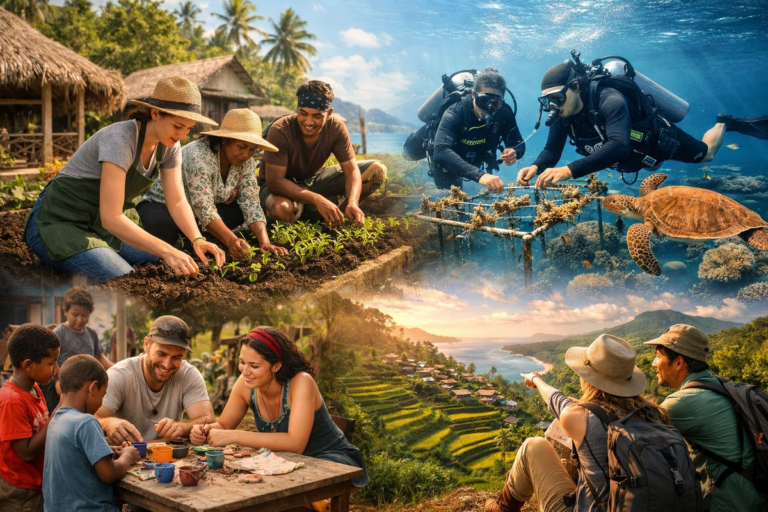
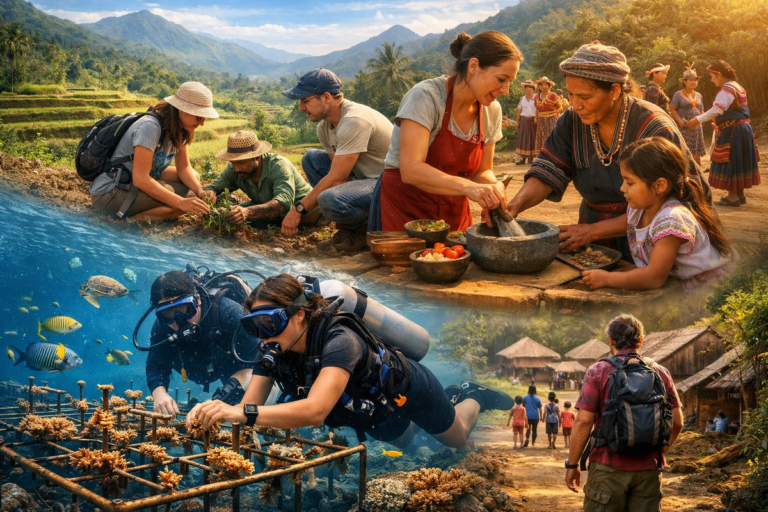
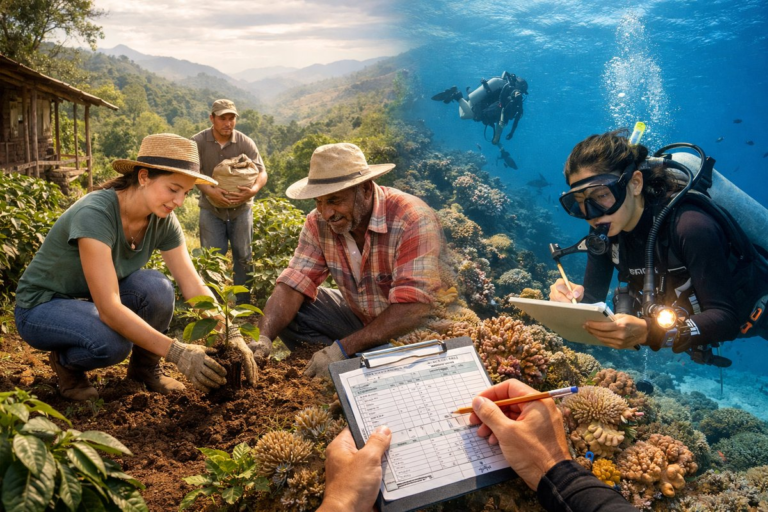
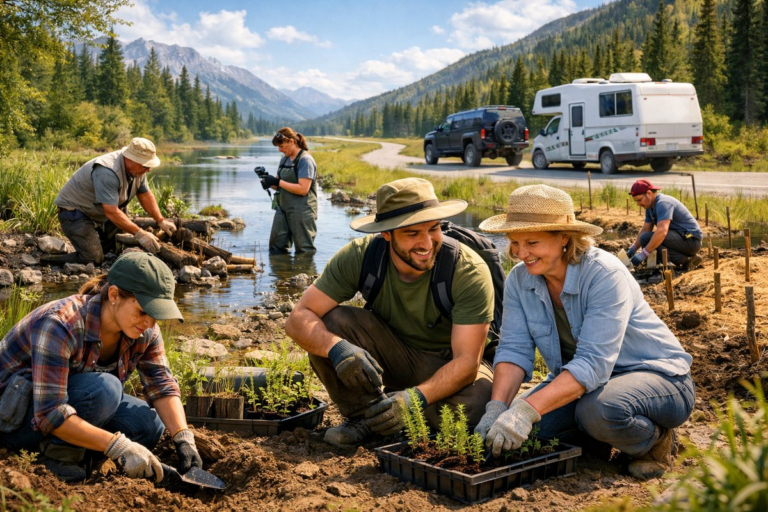
Meanwhile, half a world away in the Andean foothills of Peru, travelers are rolling up their sleeves in high-altitude agroforestry programs. In the buffer zone of a newly designated UNESCO biosphere reserve, visitors plant native tree saplings alongside indigenous farmers, restoring corridors for endangered spectacled bears and endangered orchids. Along the way, they share in traditional meals made from quinoa, potatoes, and other ancient grains, learning how regenerative agriculture systems support both biodiversity and local livelihoods.
Local guide Rosa Cruz notes that these projects spark a genuine sense of ownership among guests. “When visitors plant a tree and watch it thrive year after year, they carry a piece of our ecosystem with them,” she says. Tour operators report that return bookings are highest from those who participate in on-the-ground initiatives-proof that empathy and action can transform a one-off trip into a lifelong connection.
In Southeast Asia, eco-resorts on the fringe of marine parks are experimenting with what they call “reef guardianship” programs. Snorkel safaris are replaced with coral nurseries, where volunteer divers transplant fragments of reef onto 3D-printed substrates, fostering new growth. Workshops cover everything from water chemistry monitoring to fish population surveys. A recent survey of participants showed a 90 percent increase in ocean literacy scores after a week-long stay.
The environmental impact is substantial. In one program off the coast of Thailand, volunteers have rehabilitated more than 5,000 square feet of reef structure in eighteen months, increasing local fish biomass by an estimated 25 percent. These outcomes are attracting scientific partnerships with universities and marine institutes, giving travelers access to laboratory-grade equipment and real data analysis tasks.
In Europe, agritourism operators are also carving out a regenerative niche. In the rolling vineyards of Tuscany, guests harvest olives, learn to press them in traditional wooden mills, and harvest wild herbs to distill into essential oils. Income from these value-added products flows directly into rural development funds, supporting school renovations and clean-water projects in nearby hamlets.
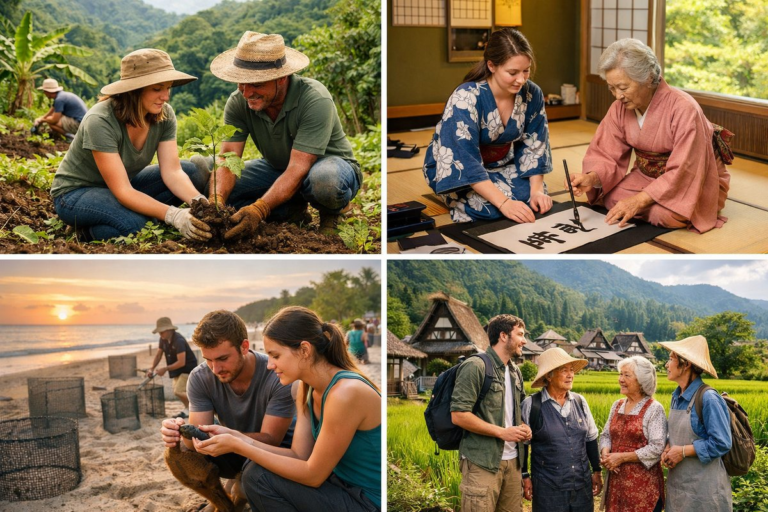
Social immersion is another hallmark. In rural Japan’s Satoyama landscapes, small group journeys pair forest-stewardship days-where travelers thin bamboo groves to prevent wildfires-with homestays in traditional minka farmhouses. Over communal meals of miso soup and locally foraged mushrooms, international guests trade stories with elder villagers, bridging language gaps through laughter and shared toil.
Not all programs are located in remote corners. Urban regeneration tours are cropping up in postindustrial districts, where guests help convert abandoned warehouses into community farms or green space. In a former steel town, participants assemble modular raised beds for hydroponic lettuce, paint murals celebrating local heritage, and host pop-up markets that channel profits back into youth-entrepreneurship initiatives.
Experts say this integrated approach-where ecological, social, and economic objectives align-is part of a broader movement toward regenerative development in travel. A coalition of tour operators and NGOs has even drafted a set of best-practice guidelines, recommending transparent impact reporting, collaboration with local stakeholders, and a commitment to zero-waste operations on the ground.
However, challenges remain. Ensuring genuine community consent, avoiding volunteer burnout, and measuring long-term outcomes all require careful planning and ongoing communication. Some critics warn of unintended consequences, such as inflated local prices or cultural commodification, if operators treat impact experiences as marketing gimmicks rather than authentic partnerships.
To address these concerns, leading travel platforms now vet programs through third-party audits, checking for fair wages, environmental certifications, and local governance structures. One digital booking hub displays impact metrics-trees planted, tons of plastic removed, hours of skills training delivered-so prospective guests can compare offerings transparently.
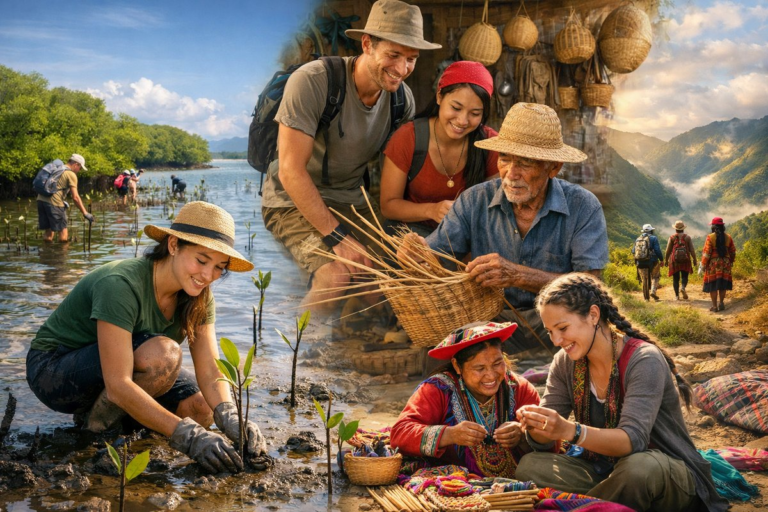
The personal testimonials tell the biggest part of the story. After helping plant mangrove seedlings on Vietnam’s Mekong Delta, one architect returned home to launch a nonprofit that designs flood-resilient housing. Another volunteer, inspired by desert reforestation work in Morocco, developed a solar-powered water harvesting system for her drought-prone community.
For curious travelers dreaming of purpose-driven itineraries, these programs offer an alternative to the traditional souvenir-chasing model. The takeaway isn’t merely a stack of photographs but a sense of agency: the knowledge that one can be both guest and guardian, explorer and steward.
As sustainable travel moves from fringe experiment to mainstream expectation, the industry is being rewritten. Airlines are vetting carbon-offset schemes more rigorously, hotel chains are rolling out waste-sorting stations, and travel guides are including sections on community etiquette and mindful engagement.
Experts predict that in the years ahead, regenerative journeys will become the default for conscientious explorers. What was once a novelty-planting trees on a weekend escape-may soon be as standard as booking a walking tour in a European city. And the world that travelers encounter will be all the richer for it, built not just on footprints but on shared roots.
Whether you’re patrolling nest sites at dawn or fermenting honey with beekeepers at dusk, the message is clear: travel has the power to heal as much as it entertains. For a new generation of adventurers, the greatest souvenir might just be positive change.