Location
Mount Vernon, WA 98274

Location
Mount Vernon, WA 98274
A new wave of kitchen technology is shifting dinner prep from routine to revelation. From aroma-sensing spice racks to cloud-connected fermentation crocks, curious cooks are turning appliances into allies. Discover how emerging devices, data-driven insights and sustainable design are transforming the way we flavor our lives.
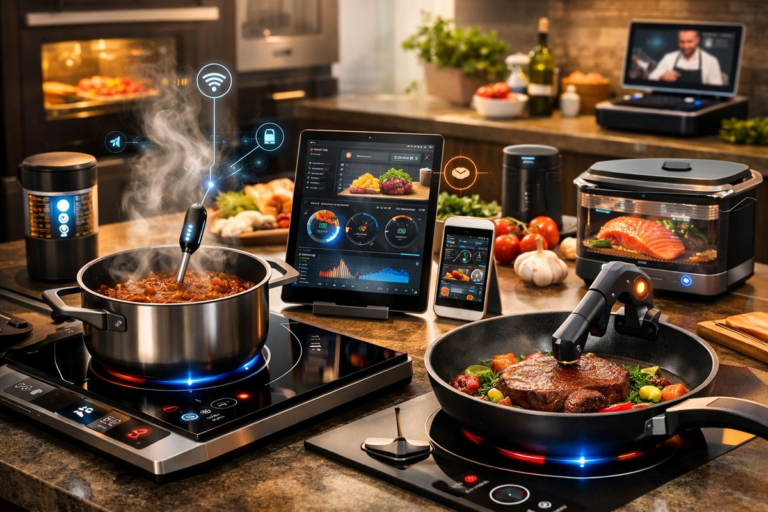
Every evening, home cooks around the world trace the same ritual: a flick of the stove knob, a glance at recipe notes and a hopeful stir of bubbling pots. But in test kitchens and startup workshops, a different scene is unfolding. Here, induction hobs converse with smartphones, fermentation crocks share real-time pH readings, and voice assistants guide curious cooks through multi-sensory tastings. What was once an analog pursuit is now morphing into a data-rich adventure, where tools, ingredients and rituals converge to elevate ordinary meals into memorable moments.
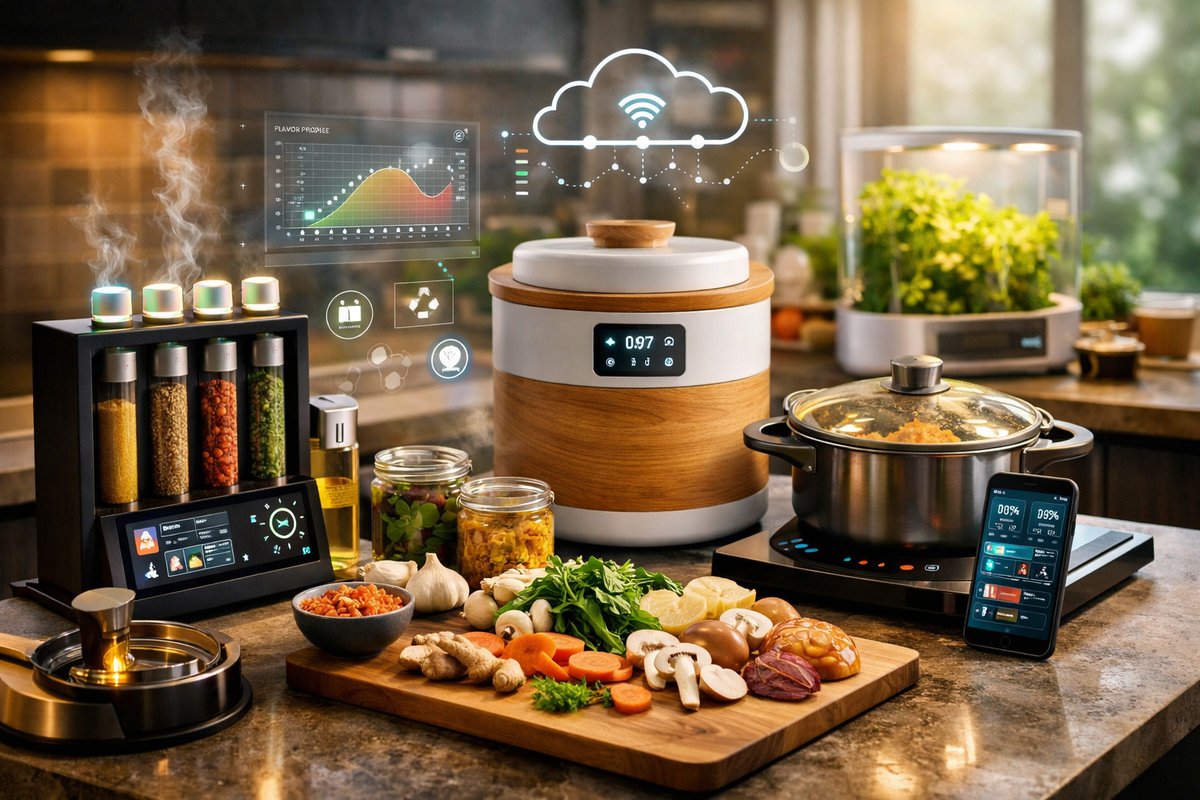
At the heart of this shift lies one simple idea: treat flavor as an exploration rather than a task. Traditional appliances-ovens, mixers and blenders-are gaining digital overlays, transforming knobs and dials into touchscreens and app dashboards. A countertop spice rack can now detect humidity and temperature, automatically releasing micro-doses of ground cumin or smoked paprika when sensors detect a slow-moving stew. Meanwhile, countertop fermentation crocks leverage built-in scales and pH sensors to track kimchi or kombucha progress, sending push notifications when cultures hit peak tanginess.
Many of these gadgets trace their roots to research labs where engineers first adapted industrial sensors for home use. Tiny gas chromatography modules shrank enough to fit inside a spice jar. Miniature electrodes once employed in biotech now monitor salt concentration in brine. Machine-learning algorithms originally trained on massive food-industry datasets have been retrained on backyard pickling projects. The result is a new generation of kitchen companions that cater to novices and pros alike, offering step-by-step coaching while learning personal taste preferences over time.
Consider the aroma-profiling accessory that clips onto a standard blender. As it whirrs, it captures volatile compounds released by fruits, vegetables or spices. Within seconds, an accompanying app suggests tweaks-add a pinch of acidity here, or boost sweetness there-to approximate a balanced flavor profile. For the cook who has struggled to hit the right lemon-to-sugar ratio in homemade salad dressings, this kind of guidance can be transformative.
Across the culinary community, these smart tools are fostering a spirit of playful experimentation. Community-driven recipe platforms now integrate device data, letting cooks compare fermentation curves or spice-release patterns recorded on shared dashboards. One online forum recently showcased a late-night challenge: create a hybrid hot sauce using AI-recommended spice pairings and real-time feedback from a digital heat sensor. Participants reported outrageously vibrant flavors, with comments ranging from “pear-lime-chile synergy” to “unexpectedly smoky apricot finish.”
Behind the scenes, sustainability advocates are cheering on resource-efficient designs. A surge in low-power Bluetooth sensors and e-ink displays has driven down energy consumption, helping gadgets remain dormant for weeks on standby. Modular electronics mean that when a sensor fails or a battery wears out, makers can swap individual components instead of discarding the entire unit. Moreover, many devices now offer biodegradable packaging, and some companies donate a portion of profits to urban farming initiatives.
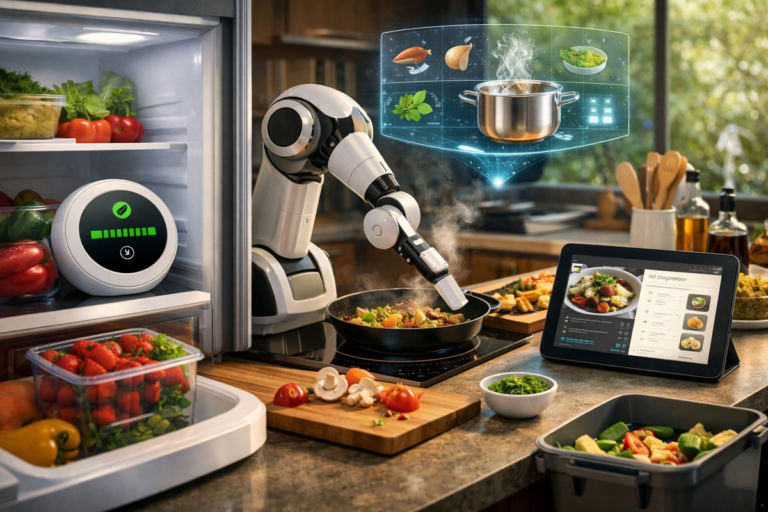
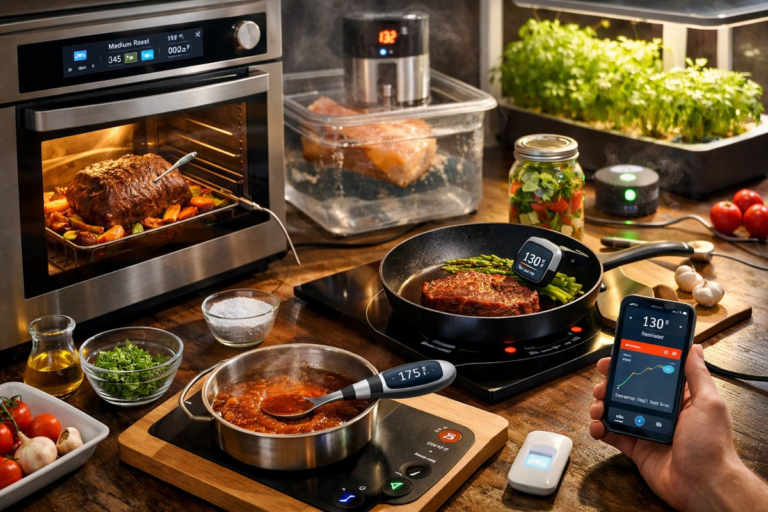
Not all innovations are about hardware. Cloud-based recipe orchestration platforms are rapidly emerging, stitching together multiple devices into a unified cooking sequence. Imagine starting a sous-vide cycle, then automatically triggering the electric grill for searing, followed by a precision mixer for emulsifying sauces-all coordinated by a single app. Advanced platforms even incorporate real-time feedback loops: if a meat probe records a slower-than-expected temperature rise, the app will adjust cooking time or recommend a higher sear temperature to compensate. For busy families juggling work and homework, this kind of automation can reclaim precious minutes.
Yet with so much data flowing between apps and appliances, privacy concerns have emerged. Some cooks worry that their flavor preferences-or even the times they use their ovens-could become marketing fodder. In response, a small wave of privacy-first kitchen devices has appeared. These gadgets keep all data local, offering offline AI modules that run directly on a countertop hub. Recipe suggestions and sensor readings remain behind a homeowner’s firewall, alleviating fears of unwanted tracking.
The price of entry has never been lower. A basic digital kitchen scale with cloud connectivity starts under fifty dollars, while DIY modular sensor kits let tinkerers build their own fermentation monitors for a few dollars in parts. High-end aroma-profiling accessories and multi-sensor spice dispensers push into premium territory-several hundred dollars-but early adopters note that even a single device can inspire new culinary creativity, turning a one-pot class into an immersive flavor lab.
Professional chefs are taking notice, too. Pop-up dinners that pair immersive soundscapes with real-time aroma diffusers are cropping up in major cities. One recent tasting series featured headphones playing ocean wave recordings synchronized to a handheld device that released briny air ions at strategic intervals, amplifying the sensation of seaside dining. Guests described the experience as “uncannily transportive” and “tasting not just with the tongue, but with memory and imagination.”
Despite the futuristic veneer, many cooks caution against losing touch with basic kitchen skills. An automated yogurt maker can hit perfect consistency every time, but understanding the interplay of cultures, temperature and time remains a valuable lesson. The consensus among enthusiasts is that technology should augment-not replace-the human spark that transforms ingredients into art.
For those eager to join the flavor revolution, experts recommend starting small: pick a single device that aligns with your favorite cooking ritual. If you love pickles and sauerkraut, a smart fermentation crock can demystify the process and help you master tangy textures. If you’re drawn to elaborate spice blends, begin with a digital spice dispenser that tracks humidity and alerts you to stale jars. Over time, build a modular ecosystem that syncs under a common app, but never lose sight of the joy in literally touching each spice, stirring each pot and tasting each experiment.
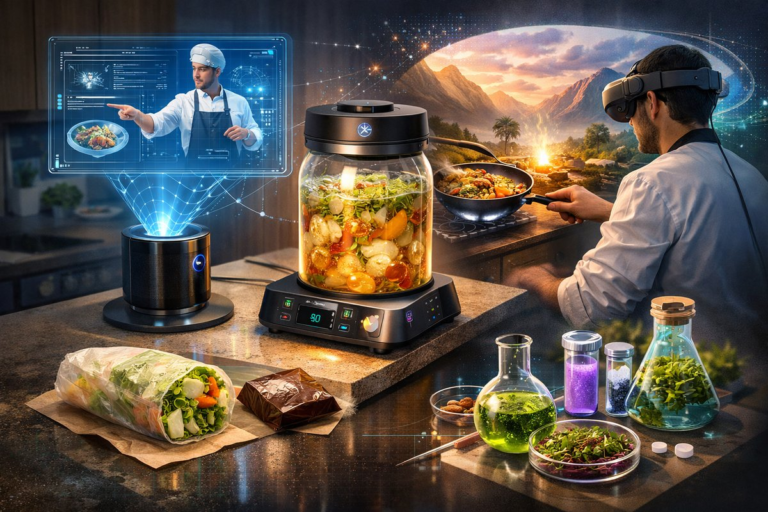
Looking ahead, the next frontier may be multisensory dinner experiences powered by augmented reality. Imagine donning lightweight AR glasses that overlay visual cues onto your cutting board, highlighting perfect dice angles or color changes in searing meat. Or picture a smart table that subtly warms or cools specific sections in sync with plated courses-keeping a crisp croissant warm while chilling a citrus granita.
The kitchen of tomorrow won’t banish tradition; it will amplify it. By blending tools, ingredients and rituals, these emerging devices invite us to treat each meal as a laboratory for wonder. Whether you’re a cautious beginner or a seasoned home chef, the only limit is your curiosity. After all, flavor itself is the ultimate adventure: uncharted, personal and endlessly delicious.