Location
Mount Vernon, WA 98274

Location
Mount Vernon, WA 98274
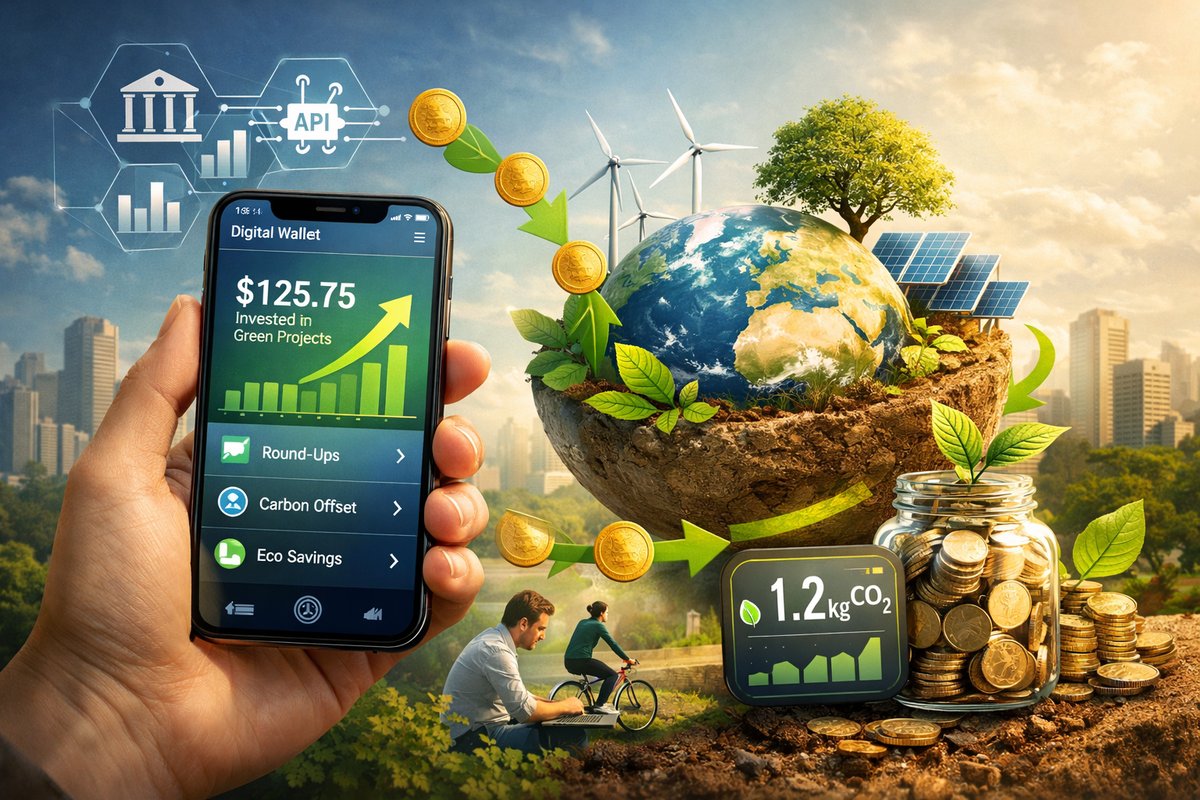
A new generation of digital wallets is turning everyday spending into micro-investments in sustainable projects, reshaping how people budget, save, and grow wealth. By blending open banking APIs, behavioral nudges, and carbon-tracking features, these platforms make financial health and environmental impact two sides of the same coin. Discover how tech-powered strategies are simplifying money management and steering small-scale investors toward meaningful returns.
In an era where convenience often outranks clarity, managing money can feel like navigating a maze of apps, spreadsheets, and surprise fees. For many, the promise of better budgeting tools or a smarter investment strategy remains tied to complicated interfaces and jargon-heavy reports. Yet a quiet revolution is unfolding behind the scenes: digital wallets that unify everyday accounts, automate sustainable micro-investments, and nudge users toward healthier financial habits.
These next-generation wallets borrow powerful ideas from behavioral economics-rounding up purchases, setting automated saving triggers, and issuing personalized spending alerts-then layer on features designed for impact. Instead of simply stockpiling spare change, users can channel micro-donations into renewable energy bonds or community development loans. A daily coffee run might automatically generate a few cents diverted into a carbon-offset fund. This seamless integration transforms each swipe into a chance for long-term growth and positive change.
Under the hood, these platforms leverage open banking standards to connect checking accounts, credit cards, and investment accounts in one dashboard. Real-time transaction feeds update budgets on the fly, so overspending in one category triggers gentle push notifications. Meanwhile, AI-driven models analyze spending patterns-coffee shops, ride-hailing, groceries-and suggest tailored saving goals. A dip in restaurant expenses might unlock a “rainy-day” saving boost, while flagged subscription services can be canceled with a tap.
But the real magic happens when budgeting meets sustainable micro-investing. Instead of a generic “cash-back” reward, users receive fractional shares in carbon-credit portfolios, green bond funds, or social impact startups. Building a diversified mini-portfolio requires no minimum investment: a few cents of every transaction accumulate into meaningful stakes over time. For budget-conscious users, this model eliminates the intimidation of the trading floor and the friction of large deposit requirements.
Regulators in several jurisdictions have embraced open banking frameworks, pushing banks and fintech firms to share data securely via application programming interfaces. This interoperability ensures any wallet app can tap into a user’s full financial picture-so long as the user grants permission. Transparency rules protect privacy, giving consumers control over which institutions can access transaction histories or account balances. This new ecosystem empowers users to shop around for the best budgeting insights or the most transparent green investment offerings.
Early adopters of these integrated wallets report higher saving rates and a surprising emotional payoff. Watching a micro-investment balance grow-even by a few dollars each month-sparks a sense of achievement that nudges people to check spending more frequently. Some apps gamify the experience, awarding digital badges for sustainable-investing milestones or streaks of on-time bill payments. These playful elements tap into our innate drive for progress tracking and social sharing, creating mini-communities of savers and micro-investors.
For small-business owners, similar tools are emerging to streamline invoice management, cash-flow forecasting, and payroll. A freelancer might link project payments directly to a sustainable-portfolio widget. When an invoice hits the account, a share automatically flows into a green tech fund. Predictive analytics alert owners to potential cash shortages before they happen, reducing late fees and maintaining healthy liquidity. Bundled tax reminders and expense-tagging features further cut down on year-end headaches.
Some platforms are experimenting with loyalty programs that reward eco-friendly spending. Partner merchants-local organic grocers, transit providers using clean-energy fleets, or secondhand marketplaces-offer enhanced rounding rates or temporary fee waivers. This network effect incentivizes users to support sustainable businesses, reinforcing the circular loop between consumer choices and positive environmental outcomes.
Critics caution that automated micro-investing carries hidden costs-platform fees can erode returns if not kept in check. Savvy users must review fee structures and opt for plans that prioritize transparent pricing. Likewise, ethical investing is a spectrum: not every green-labeled instrument meets rigorous environmental criteria. Due diligence remains crucial, and many wallet apps now incorporate third-party audits or certificates to verify impact claims.
On the horizon are deeper integrations with decentralized finance (DeFi) networks. Imagine a wallet that not only rounds up purchases but also stakes tokens in blockchain-based carbon credit registries or community-governed lending pools. Though the regulatory landscape remains unsettled, these experiments hint at further lowering barriers to purposeful investing and financial inclusion.
What’s clear today is that the line between budgeting and investing is blurring. By embedding micro-investment directly into daily spending, modern wallets turn passive account balances into active catalysts for wealth-building and change. For users, the psychology is simple: small, consistent actions beat occasional grand gestures. Automate the savings, automate the impact, and let compound growth do the rest.
As these platforms evolve, we’re likely to see hybrid financial advisories emerge-algorithms augmented by human coaches. A user could chat with a real advisor about complex tax strategies or retirement planning after reaching certain savings milestones. This mix of digital convenience and personalized guidance might deliver the best of both worlds: sophisticated advice without the boutique price tag.
For anyone feeling daunted by spreadsheets or bored by zero-interest savings accounts, it may be time to explore a next-generation wallet. Whether you care about your personal balance sheet, the planet’s health, or both, these tools invite you to align every purchase with a bigger purpose. When every penny counts, why not make it count for more?