Location
Mount Vernon, WA 98274

Location
Mount Vernon, WA 98274
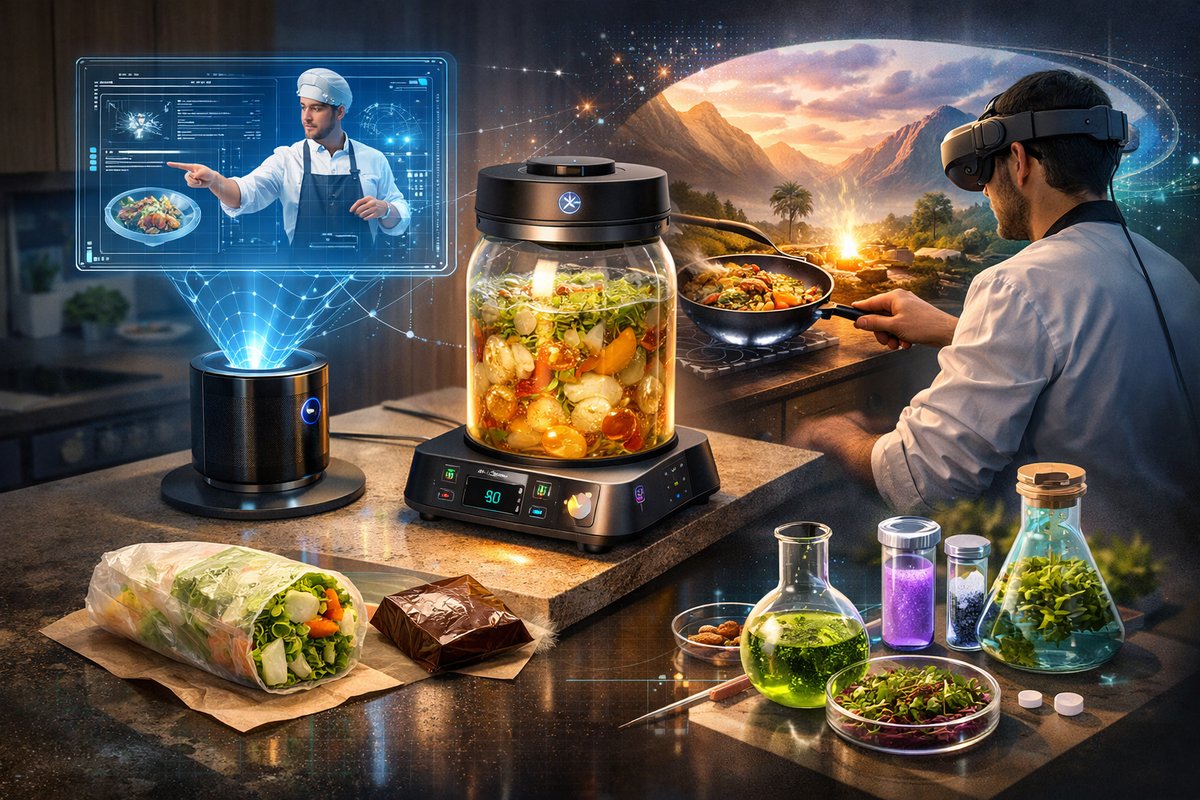
A new wave of culinary innovation is reshaping home cooking with AI-driven recipe design, fermentation-monitoring sensors, edible packaging, and immersive cooking tools. From biologically tuned ingredients to augmented-reality guidance, these breakthroughs promise to turn everyday meals into personalized adventures.
The modern kitchen is no longer defined solely by gleaming appliances and polished countertops. A quiet revolution is underway that brings together machine learning, material science, and environmental stewardship to transform how we cook and consume food. Rather than focusing on single gadgets like connected ovens or voice-activated timers, the latest innovations are weaving technology into ingredients, packaging, and even our sensory perception of flavor.
At the forefront is an emerging class of AI-powered recipe engines. These systems analyze vast databases of traditional recipes, ingredient pairings, and even chemical flavor profiles to propose entirely new dishes tailored to individual tastes or dietary needs. Imagine answering a few questions about your spice tolerance, allergy constraints, and pantry staples, then receiving a custom strategy for a weekend feast. The engine might suggest fermenting shredded cabbage with a bespoke blend of probiotics for a tangy slaw, pairing it with sous-vide duck breast and a sauce enriched with lab-grown umami compounds. Such tailored guidance removes the guesswork from home cooking while opening doors to unexpected flavor combinations.
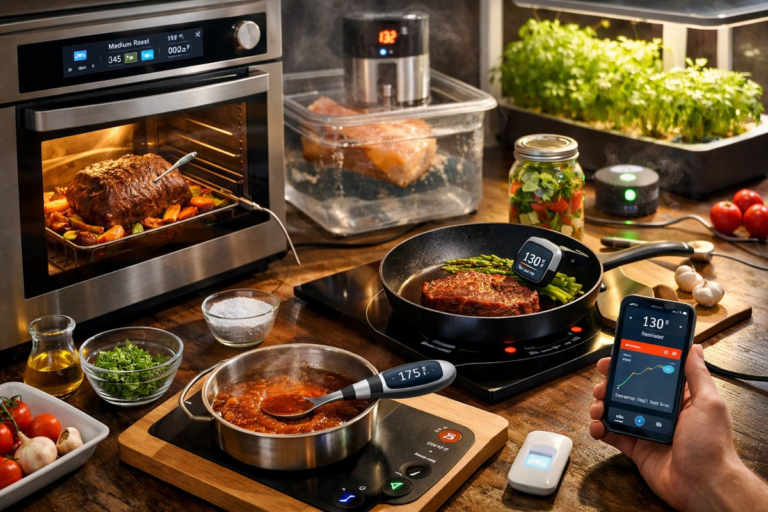
But smart recipes are only the beginning. Fermentation-the ancient art of harnessing microbes for taste and preservation-is experiencing a digital upgrade. Small IoT-enabled probes now slip into jars of pickles, yogurt, or kombucha and continuously track temperature, pH, and gas levels. Data streams to a smartphone app that alerts you when your batch has reached optimal tang or aroma. Curious cooks can compare fermentation curves for sweet white kimchi versus spicy red, sharing insights with an online community to refine techniques. This democratization of microbiology turns every countertop into a research station, lowering barriers for experimentation and helping reduce food waste by catching batches at just the right moment.
Packaging, too, is undergoing a green makeover. Single-use plastics have long been a scourge in kitchens and landfills, but researchers have developed edible films made from seaweed extracts, rice starch, and other plant-based polymers. These thin sheets can wrap cheese, herbs, or individual meal components, dissolving harmlessly in hot water or compost. Some startups offer home kits that allow consumers to cast their own wraps for fresh produce or leftovers, with recipes printed on biodegradable tags. Soon, supply chains may rely on water-soluble labels and sachets that contribute no waste. By making packaging part of the meal itself, these innovations align flavor preservation with zero-waste living.
Equally intriguing is the rise of scent-based flavor enhancement. A handful of experimental devices combine tiny reservoirs of aromatic compounds with timed-release valves to supplement what’s served on the plate. As you chew, a synchronized puff of citrus zest molecules or roasted garlic vapor enhances the taste without adding sodium, sugar, or fat. This optical illusion for the palate could help address dietary health challenges by tricking the brain into perceiving richer flavors while keeping nutrition balanced. Though still in prototype stages, such olfactory augments may one day integrate directly into range hoods or smart kitchen hobs, turning humble stir-fries into multisensory experiences.
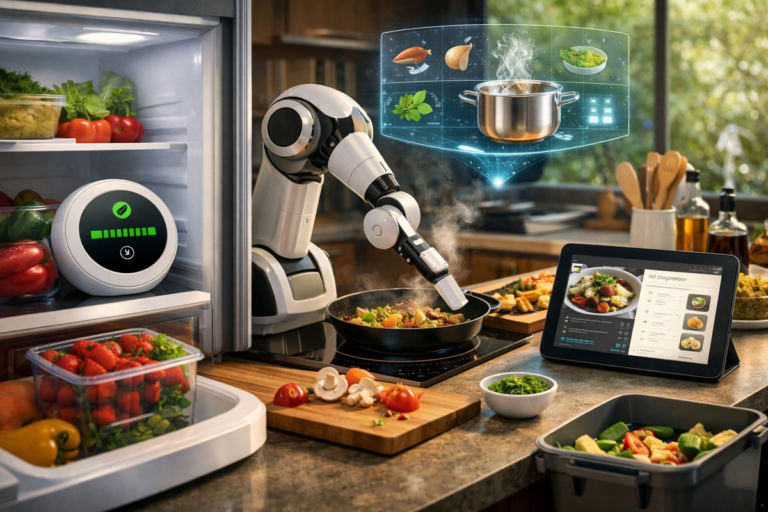
Augmented reality has also found its place at the cutting board. Lightweight AR glasses or tablet-mounted cameras can overlay step-by-step instructions on top of live images, guiding novice cooks through knife skills or plating techniques. As users step into the view, virtual markers indicate optimal hand positions and cutting angles, while timers appear next to cooking vessels in real time. For those hosting dinner parties at a distance, friends or culinary mentors can annotate your workspace remotely, drawing on your counter with digital brushes. This hands-on, visual approach reduces reliance on printed recipes or static screens, making cooking more intuitive and engaging.
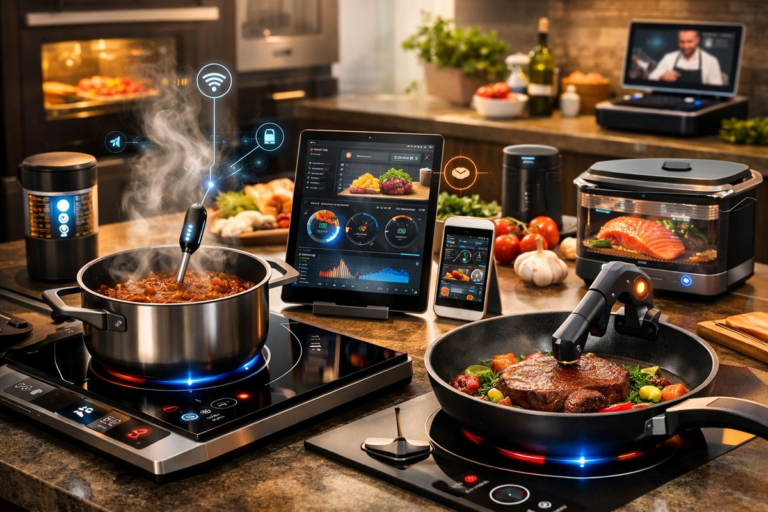
Beneath the surface of many of these breakthroughs is the induction cooktop, upgraded with dynamic heating zones controlled by Wi-Fi or Bluetooth. Instead of preset hotburners, these surfaces detect the shape and material of cookware and automatically adjust temperature gradients. You can boil pasta in one quadrant while simmering sauce in another, all managed through a single interface. Some models even include embedded scales, measuring weight changes during evaporation or stirring. Integration with recipe apps allows the cooktop to follow temperature profiles precisely, replicating professional techniques in a home environment.
3D food printing, once a science-fiction fantasy, is edging closer to mainstream kitchens. Desktop-sized printers now extrude pureed vegetables, chocolate, or dough through multiple nozzles, building intricate shapes layer by layer. Home chefs can create customized pasta shapes, sugar sculptures, or even savory-infused wafers to garnish salads. Though print speeds remain slow for large batches, these machines excel at precision, enabling personalized textures and portion control. Combined with AI-driven ingredient recommendations, they offer a glimpse of kitchens that compose dishes as compositionally complex as a piece of music.
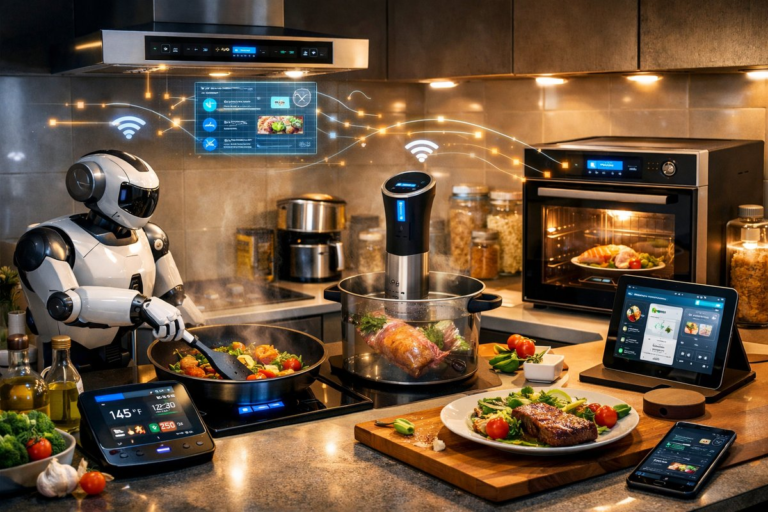
Underlying all of these tools is a renewed focus on data and sustainability. Smart kitchen appliances are sharing information to optimize energy use, track grocery consumption, and suggest a circular economy approach for kitchen scraps. Composters with built-in sensors convert organic waste into usable fertilizer, while apps analyze purchasing patterns to recommend seasonal produce or local suppliers. By linking digital intelligence with ecological impact, the next wave of kitchen innovation aspires to change not just what we eat but how those choices ripple through the environment.
The expanding ecosystem of connected pots, sensors, and materials also raises questions about privacy and proprietary data. Who owns fermentation logs or aroma profiles? Can AI recipe platforms lock users into closed ingredient marketplaces? As the cooking community embraces these tools, transparent data policies and interoperable standards will be crucial. Open-source initiatives are already emerging, offering shared firmware for fermentation monitors and public repositories of flavor molecule databases. Such collaborative approaches echo the ethos of community cookbooks, updated for the digital age.
Ultimately, this convergence of biology, electronics, and software signals a broader shift in how we think about meals. No longer mere fuel or routine, cooking becomes an act of creation supported by intelligent assistants and sustainable practices. Whether you’re a busy parent experimenting with homemade kombucha one night and printed meringue garnishes the next, or a hobbyist mapping the microbiome of your cheese cave, these innovations invite playfulness and curiosity.
We stand at the cusp of a culinary era where technology and tradition intertwine in unexpected ways. The tools are becoming more accessible, the science more transparent, and the kitchens themselves smarter-yet real magic still happens when a fresh batch of dough rises, bacteria transform cabbage, and shared meals bring people together. As the frontier expands, adventurous cooks and thoughtful designers alike have the chance to reimagine food as a truly interactive medium, one that nourishes the body, delights the senses, and respects the planet.