Location
Mount Vernon, WA 98274

Location
Mount Vernon, WA 98274
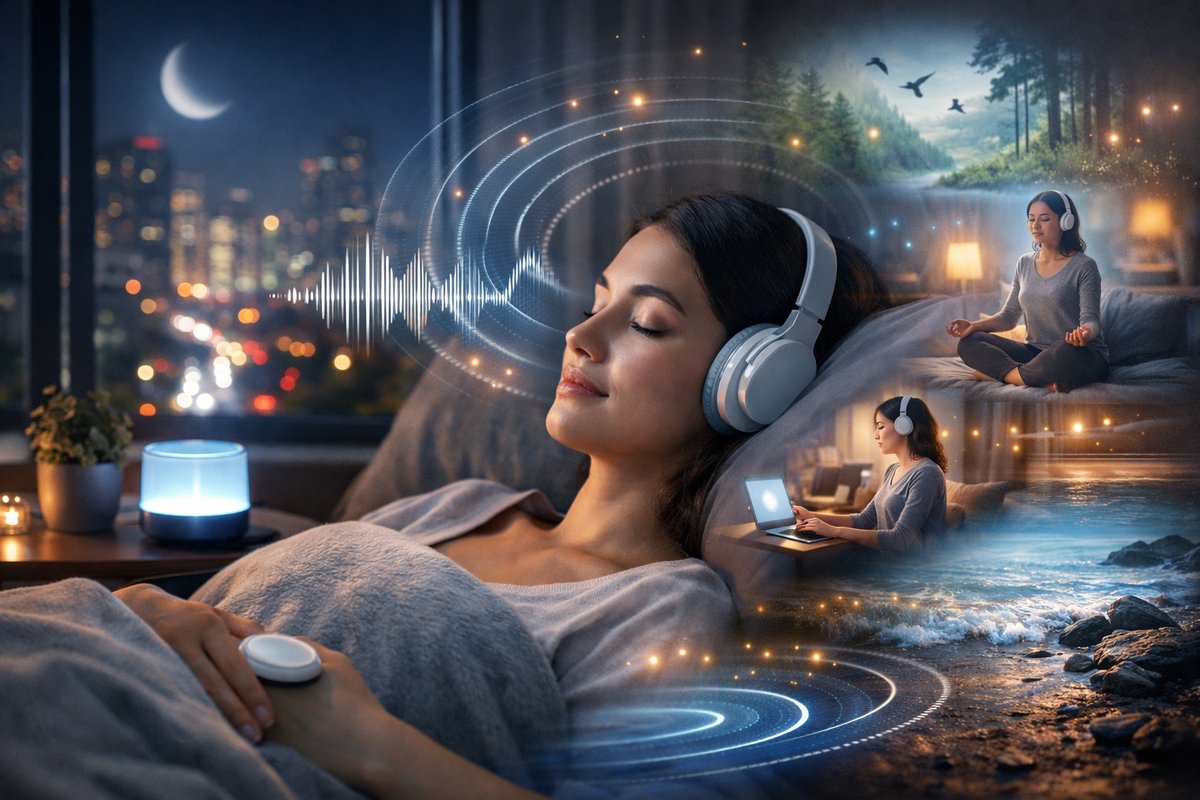
As noise pollution and fragmented sleep patterns continue to challenge city dwellers, adaptive acoustic therapy is emerging from high-end spas into everyday living spaces. Powered by wearable sound devices and AI-driven soundscapes, the latest wave of at-home sound therapy promises to restore sleep, focus, and emotional balance for people in bustling environments.
In the heart of major metropolises around the globe, a quiet revolution is taking place. After decades spent chasing silence through earplugs and noise-cancelling headphones, wellness innovators are now flipping the script: rather than blocking out sound entirely, they’re using it as a therapeutic tool. From customizable white noise machines to bone-conduction wearables that deliver adaptive soundscapes, this new approach to acoustic wellness aims to harmonize the rhythms of modern life.
Recent research underscores why this trend matters. A study published in Nature Communications late last year analyzed data from 10,000 urban residents across Europe and North America, revealing that exposure to moderate, calming sound patterns for just thirty minutes a day improved sleep quality by up to 25 percent. Meanwhile, the World Health Organization has cited noise pollution as a growing public health concern, linking chronic urban noise exposure to elevated stress hormones and impaired cognitive function.
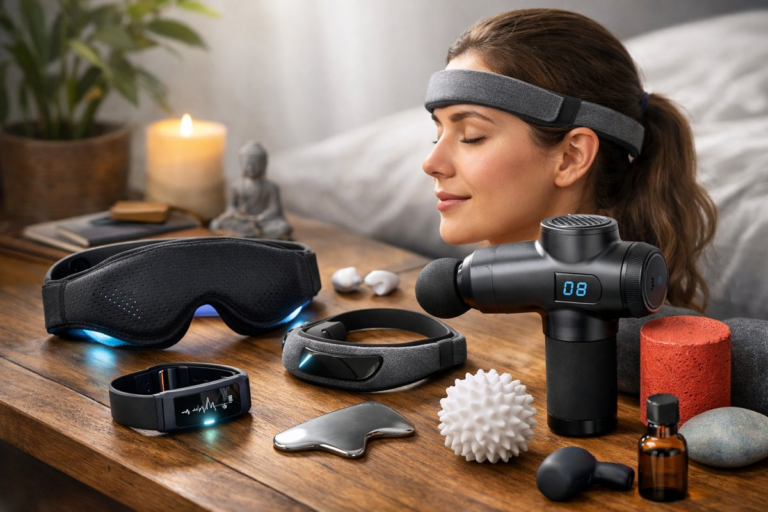
Wellness startups and established manufacturers alike are racing to address these challenges with a new generation of adaptive sound therapy devices. At the forefront are wearable bone-conduction headphones that rest lightly against the cheekbones, transmitting sound through vibrations in the skull rather than through the ear canal. Rather than a static playlist, these devices harness onboard sensors-like motion trackers and heart-rate monitors-to adjust the sound environment in real time. A quick afternoon stroll might trigger a drift-off soundscape of whispering rain and distant chimes, while a late-night reading session could seamlessly transition to a warm, low-frequency hum that promotes relaxation.
Imagine winding down after a long day in a cramped studio apartment. Instead of relying on generic white noise loops, your wearable acoustics device detects your slowed breathing and echoes it back in a soothing, rhythmic pulse. It’s as if the sound itself is breathing with you, guiding your body toward deeper rest. In pilot trials conducted at Johns Hopkins University, participants using these adaptive wearables reported falling asleep 20 percent faster and waking up feeling more refreshed.
But the at-home sound therapy movement extends beyond personal wearables. Smart speakers and desktop devices are also evolving. New models integrate directional speakers and AI-powered audio engines that can create localized “sound bubbles” around a workspace or bedside table. When you’re focused on a tight deadline, the speaker generates a calm white noise gradient that masks traffic rumble and building compressor hums. Switch the mode to “evening wind-down,” and it blends ambient nature recordings, soft binaural beats, and subtly shifting tonal colors designed to slow brainwaves.
Indoor sound environments are even being paired with other wellness modalities. One emerging trend combines adaptive lighting with adaptive acoustics in compact tabletop devices. These units use LED arrays to simulate the warm glow of sunset or a cloudy sky while simultaneously producing audio frequencies that research suggests can improve mood and circadian alignment. Early adopters report that this multi-sensory approach helps recalibrate their internal clocks when they can’t escape to nature or daylight.
The science behind these innovations draws on decades of acoustic research. At the University of Tartu, acoustics experts have mapped the brain’s auditory-processing centers to specific emotional and cognitive states. Their findings indicate that certain frequency ranges-particularly those near the alpha brainwave band-can promote calm alertness, while slower delta-range vibrations facilitate deeper sleep. By selectively playing these frequencies and adjusting them based on biometric feedback, modern sound therapy devices can nudge listeners into desired mental states without medication or prolonged training.
The movement isn’t limited to adults shackled by urban noise; it’s also reaching families and students. A number of child-friendly white noise machines now include interactive modes that respond to nighttime awakenings with gentle auditory cues, helping children self-soothe without fully waking parents. In dorm rooms and shared apartments, compact acoustic pods create personal zones of sonic comfort, letting roommates study or sleep undisturbed.
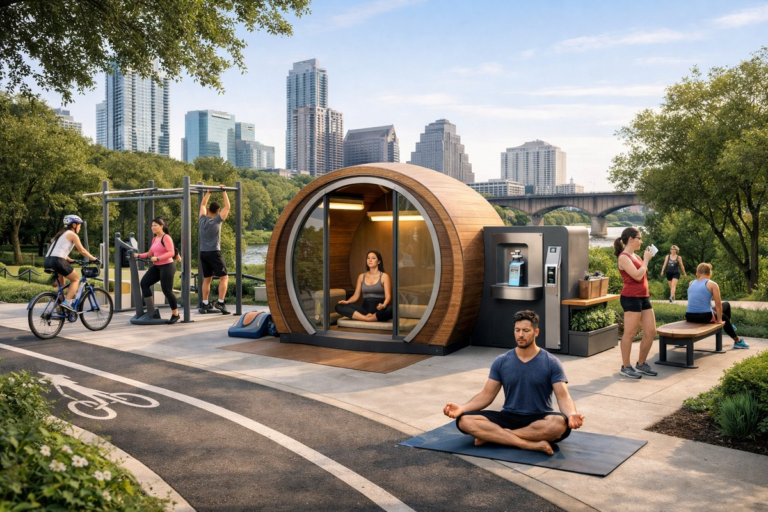
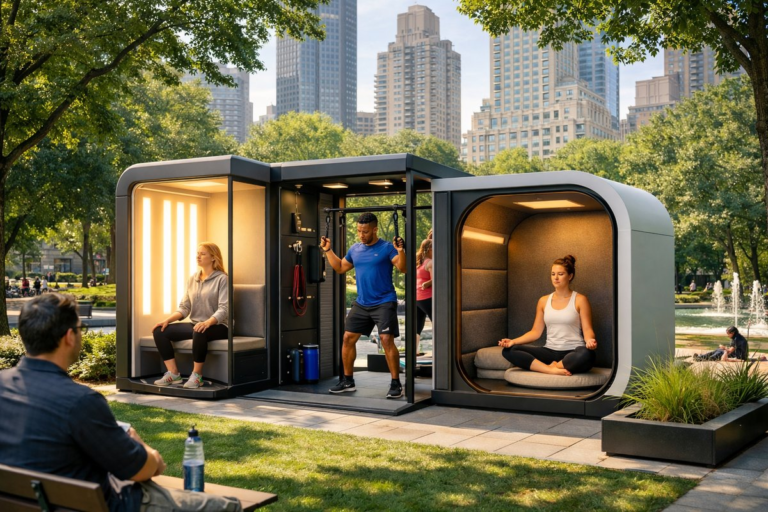
Meanwhile, wellness centers and coworking spaces are integrating communal sound hubs-enclosed, lightly soundproofed booths equipped with adaptive audio systems and reclining pods. Visitors can book short sessions to recharge during the workday, immersing themselves in customized soundscapes designed to sharpen focus or alleviate midday fatigue. Early data from these sites suggests a 30 percent boost in afternoon productivity and notable reductions in reported stress levels.
Critics caution that more long-term studies are needed to fully understand potential side effects or diminishing returns of constant sound modulation. There’s also the question of digital privacy: biometric feedback and environmental monitoring require sensitive data flows, and not all devices offer transparent policies around user information. Advocates recommend choosing models with on-device processing rather than cloud-based analysis, and those that allow users to opt out of data collection entirely.
Looking ahead, the next frontier may be truly immersive acoustic environments powered by augmented reality audio. By blending sound therapy with spatial audio that adapts to both physical location and emotional state, future systems could create zones of calm or concentration anywhere-be it a noisy train car, a bustling café, or a busy family living room. Paired with lightweight wearable haptic vests and light therapy glasses, these developments hint at a fully integrated approach to urban wellness, where sound, light, movement, and mindfulness converge seamlessly.
For city dwellers who once considered noise an unavoidable byproduct of progress, these emerging acoustic solutions offer a new form of resilience. Rather than escaping sound, they invite us to embrace it-tuning our bodies and minds to rhythms that reflect our inner states, even in the noisiest environments. As adaptive sound therapy leaves the spa and enters our daily routines, it may redefine how we think about wellness in the 21st century, proving that sometimes the best path to silence is through a richer, more attuned relationship with sound itself.