Location
Mount Vernon, WA 98274

Location
Mount Vernon, WA 98274
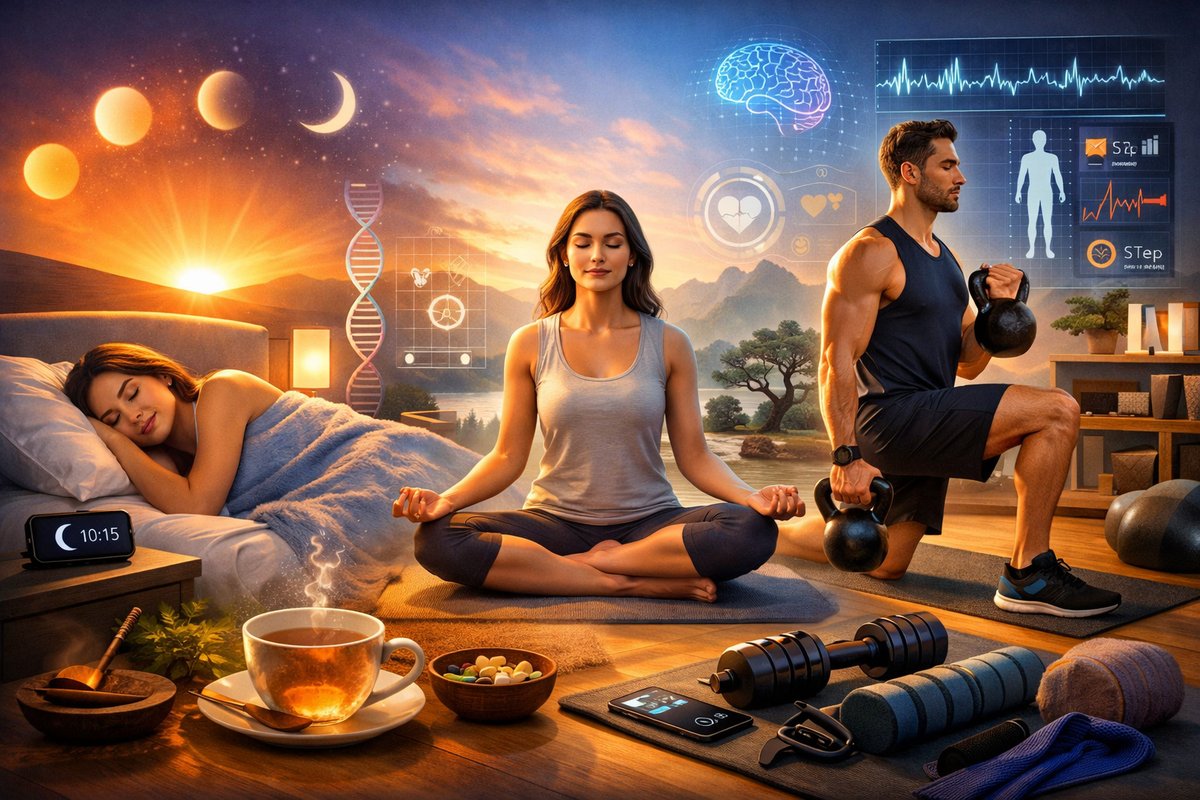
A wave of personalized wellness strategies is reshaping how people optimize sleep, movement, and mental clarity. From circadian lighting to modular movement tools, communities and individuals are combining age old practices with modern science to craft bespoke routines.
A quiet revolution is unfolding in homes, studios, and co working spaces around the world as wellness seekers move from one size fits all solutions toward truly personalized practices. No longer satisfied with broad recommendations on hours of sleep or generic workout plans, participants are blending ancient rituals with cutting edge technology to curate bespoke routines that adapt to their bodies, environments, and goals.
Data from recent consumer health surveys show that more than half of adults now use at least one wellness device beyond a basic fitness tracker. Whether it is a circadian lighting system that shifts hue and intensity throughout the day or a wearable that analyzes heart rate variability in real time, these tools are sparking a shift in how sleep, movement, and mental clarity are pursued. Industry insiders say the result is an ecosystem of modular offerings that can be combined and re configured to meet the needs of individuals and communities alike.
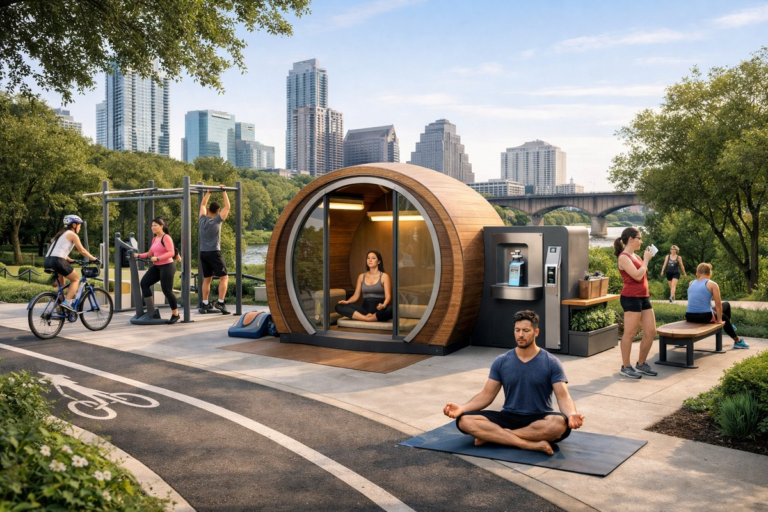
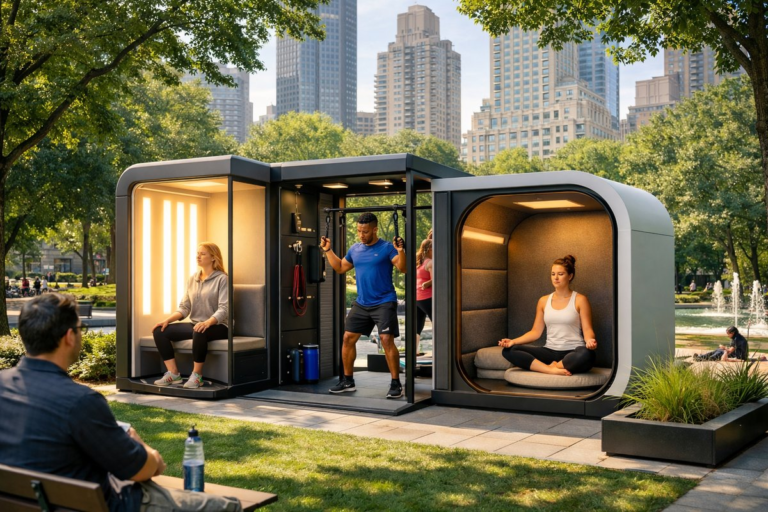
Take the case of shared co working hubs that installed communal sleep pods featuring built in climate control and sound masking. After pilot testing these micro nap stations, one network reported a 20 percent uplift in afternoon productivity and a dramatic drop in reports of midday fatigue. Members slide into compact reclining pods with adjustable ventilation, choose from curated soundscapes, and emerge ready for focused work. This approach blends wellness with utility, elevating break rooms into recovery sanctuaries.
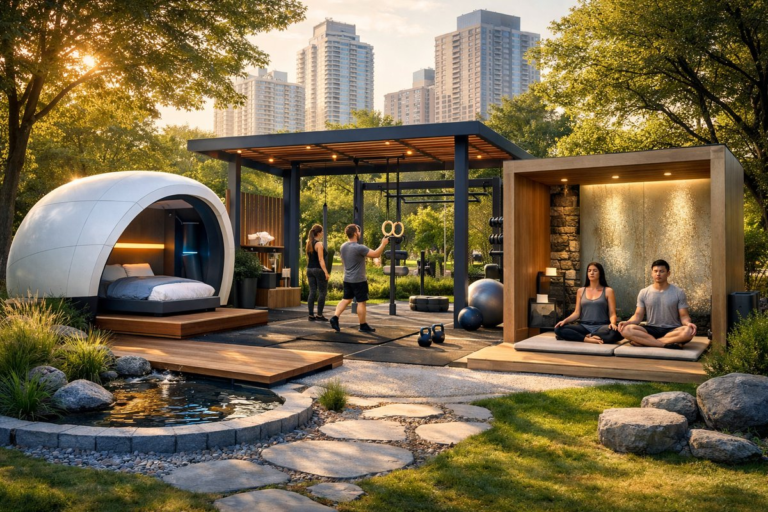
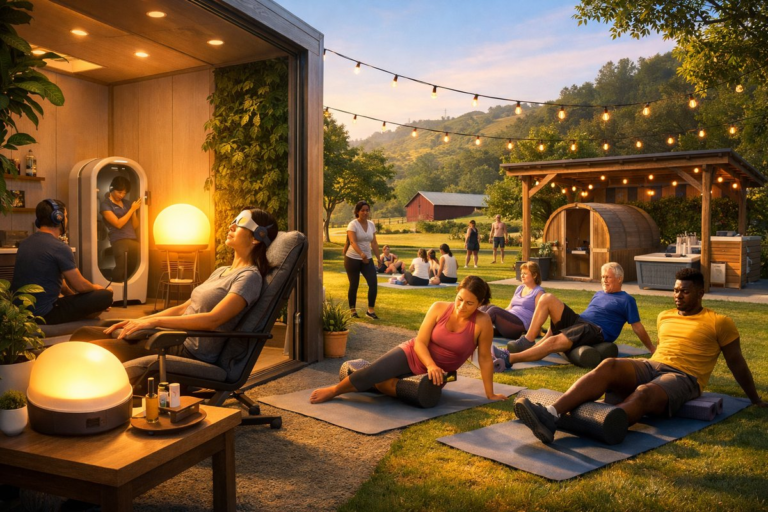
On the movement front, neighborhood studios are reimagining group classes as modular workouts built from discrete tools. Stations with adjustable resistance bands, balance platforms, and lightweight arches invite participants to step through a flow that combines strength, mobility, and stability drills. Instead of following a fixed sequence taught by a single instructor, attendees customize their own path, choosing emphasis on hip mobility one day and core stabilization the next. This modular design encourages exploration and helps prevent the wear and tear that can come from repetitive routines.
A growing number of practitioners are also revisiting ancient movement systems-from martial art inspired forms to dance based flows-and translating them into bite sized digital tutorials. Apps deliver short instructional clips focused on single movements such as a twisting spinal stretch or a pulse based leg extension. Users track their form via motion sensors or camera guidance and receive instant feedback on alignment and range of motion. This granular approach allows learners to master foundational elements before weaving them into longer sequences, reducing injury risk and improving long term engagement.
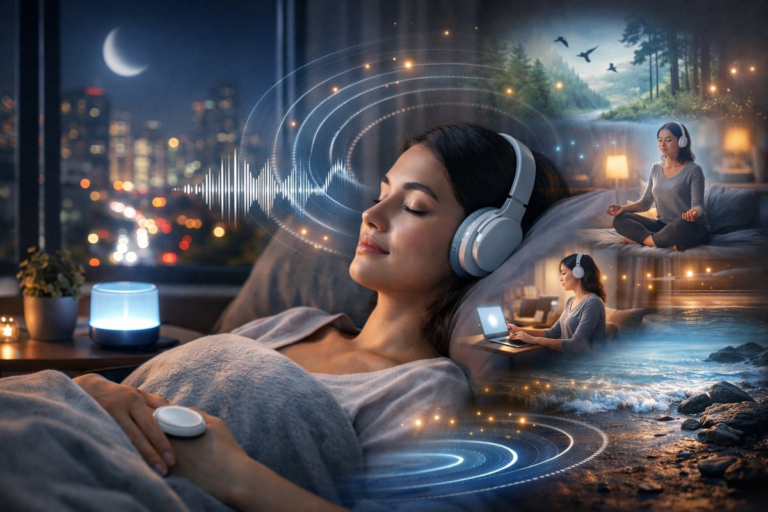
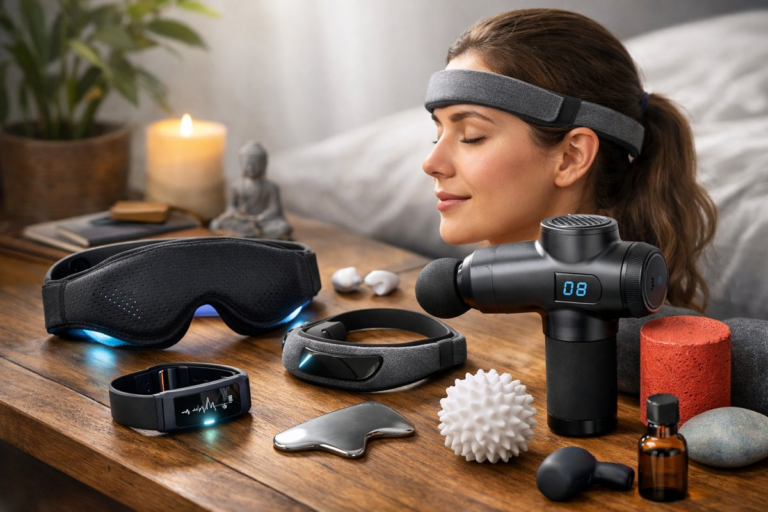
Optimizing sleep remains a top priority for many. While wearable rings and wristbands continue to dominate the market, innovators are expanding into the bedroom environment itself. Smart mattresses that adjust firmness over the night in response to detected restlessness share space with temperature regulating bedding and weighted blankets that apply gentle pressure to reduce stress. Light therapy lamps designed to mimic dawn now sit on bedside tables, guiding the circadian system toward a more natural wake up even in windowless cities.
Clinical trials of dawn simulation devices have documented faster rise times and improved mood upon waking when compared with traditional alarm clocks. Morning light exposure has been shown to increase daytime energy and even help recalibrate delayed sleep phase patterns in shift workers and students. By syncing artificial sunrise with personalized schedules, users report fewer groggy mornings and a smoother transition into work or study.
Mental clarity and emotional balance are also being reframed as skills to be trained. Digital mood journals prompt users to record brief entries on stress levels, sleep quality, and recovery practices. Machine learning algorithms then identify patterns and nudge participants toward targeted strategies such as midday breathing breaks or gratitude reflections. In group settings, community led emotional resilience circles bring people together for guided check ins, breathing sessions, and creative expression exercises, reinforcing social bonds that underpin long term wellbeing.
Hydration and nutrition have not been left behind in this modular renaissance. Smart water bottles track intake and remind users when they fall behind personalized hydration goals. At the same time, micro meal prep kits deliver pre portioned ingredients matched to individual metabolic profiles. Subscribers receive flexible combinations of nutrient dense grains, seasonal vegetables, and healthy fats along with recipe suggestions that slot seamlessly into morning routines or post workout refueling plans.
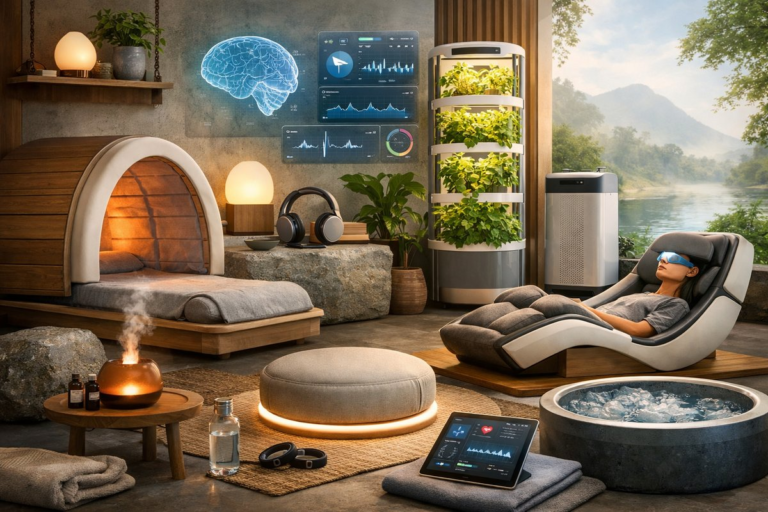
What ties these trends together is an emphasis on choice architecture and adaptability. Rather than prescribing fixed protocols, wellness designers are creating libraries of micro interventions that individuals can stack and reorder based on daily needs. One morning might begin with a light therapy session and a guided breathwork routine, while an evening sequence could include a weighted blanket, blue light reduction glasses, and a brief journaling prompt. The building blocks remain consistent; their arrangement varies.
Experts say this modular mentality mirrors the shift seen in other sectors, from software development to urban design. Wellness is now viewed as a platform on which users build custom experiences. Service providers are structuring memberships around points or credits, enabling clients to allocate resources toward biofeedback therapy one week and nutrition counseling the next. Retailers are bundling sleep, movement, and mindfulness tools into starter sets that can be expanded indefinitely.
Despite the proliferation of options, a few guiding principles ensure that personalization does not become overwhelming. Simplicity in onboarding helps newcomers select core elements before exploring add ons. Transparent data practices reassure users that privacy and security are respected as their biometric inputs feed machine learning models. And a values driven approach promotes sustainability by encouraging durable, repairable hardware and minimizing disposable packaging.
As this new frontier takes shape, early adopters are reporting not only improved metrics but also a deeper sense of empowerment. The freedom to curate a daily wellness ecosystem drives engagement and reduces the friction that often leads to abandoned routines. Whether someone is seeking deeper sleep, more joyful movement, or steady focus, the modular wellness approach is rewriting the playbook, inviting each individual to become their own designer of wellbeing.