Location
Mount Vernon, WA 98274

Location
Mount Vernon, WA 98274
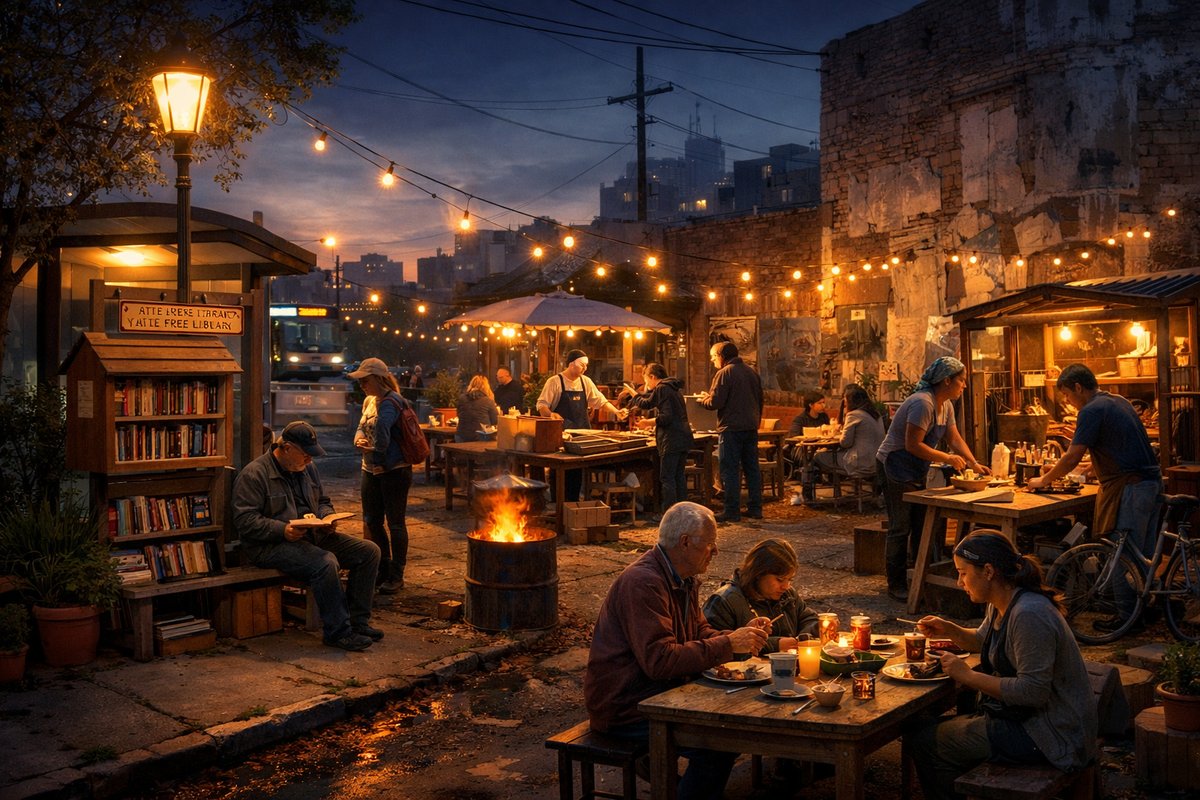
On vacant sidewalks and under flickering streetlamps, residents are reshaping neglected corners into communal lifelines-from free lending libraries at bus stops to twilight kitchens in abandoned lots. Through makeshift workshops and rotating volunteer teams, this grassroots movement is forging new forms of urban togetherness and resilience.
Before dawn breaks over the city, a handful of volunteers gather beneath a weatherworn bus shelter at the edge of a busy avenue. They’re restocking the glass-fronted box with paperbacks, self-published poetry chapbooks, and dog-eared novels rescued from donation bins. By day’s first light, the makeshift library will welcome schoolchildren trading comics for mysteries, parents borrowing parenting guides, and commuters seeking a moment of calm on their morning ride. It’s a small miracle of human connection-one that speaks to how ordinary people are reclaiming public space as a stage for compassion and creativity.
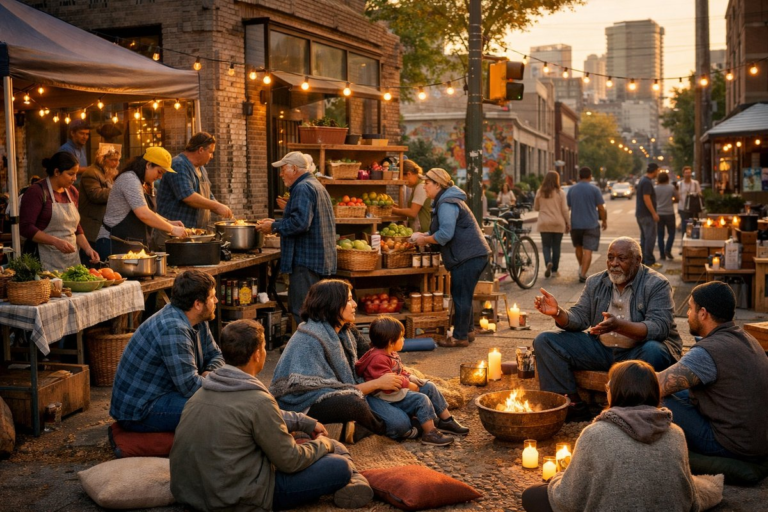
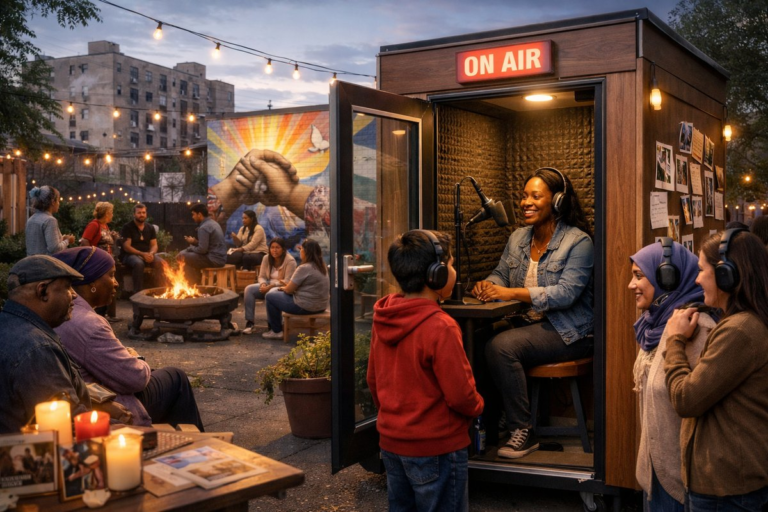
Across town, in a long-forgotten parking lot shaded by a cluster of elm trees, another unexpected transformation is underway. What was once a strip of cracked asphalt now hosts folding tables topped with steaming pots of rice, steaming ladles of curry, and trays of fresh salad leaves. Volunteers, some in borrowed aprons and others wearing paint-splattered T-shirts, ladle servings into compostable bowls for anyone hungry or lonely. They call it the Twilight Kitchen. By design, there’s no membership card, no sign-up sheet. You simply show up, take a seat at a communal picnic table, and share stories alongside strangers.
These emergent projects didn’t spring from a city hall podium or a multimillion-dollar budget. Instead, they grew out of a text chain started last autumn by an independent graphic novelist seeking monthly meet-ups in empty storefronts. When nine people showed up with hot coffee and board games, they realized they’d stumbled onto something more than casual camaraderie. They’d tapped into a shared hunger for authentic encounters in an age of algorithm-driven social media and gated digital forums.
Within weeks, an online map began to chart every pop-up initiative: seed swaps under highway overpasses, “swap shops” in recycled shipping containers, even silent skate nights in a disused rail yard. Each site came with a set of instructions, handcrafted flyers, and a pledge to follow three simple principles: leave no trace, share what you can, and welcome everyone. Word spread by word of mouth, in chat groups, and through printed newsletters slipped under front-door mats. The movement was decentralized by choice, a tapestry of loosely linked threads rather than a rigid hierarchy.
At the heart of this grassroots resurgence are people whose individual stories could fill volumes. Take Jamal, a retired history teacher who lost his partner two years ago and found purpose again by teaching free afterschool workshops on local heritage. Or Maria, an immigrant newcomer who struggled with isolation until she discovered the community garden tucked behind an apartment block. There, she swapped homegrown tomatoes for tips on urban beekeeping, and soon enough fashioned a tiny library box of her own to share poetry in Spanish and English.
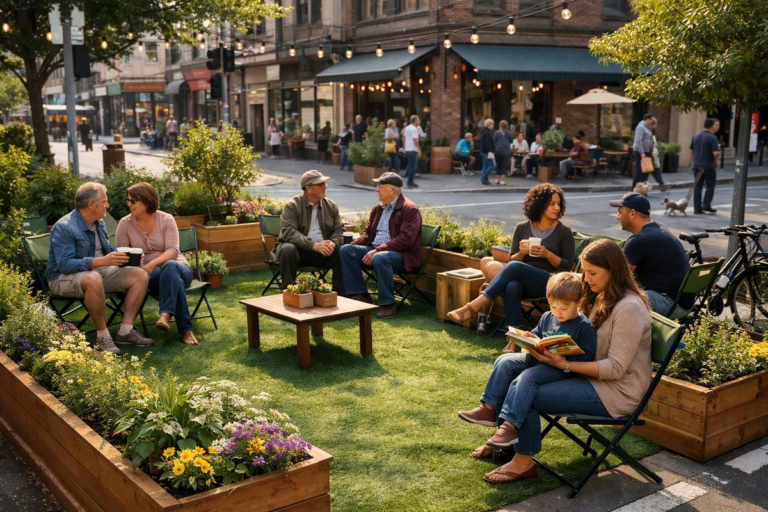
Architects and urban planners are taking note of these unsanctioned interventions-and not just for their charm. Preliminary data from a neighborhood survey shows that areas hosting pop-up libraries and community kitchens saw a 20 percent drop in vandalism and petty theft over six months. Pedestrian traffic rose as neighbors lingered longer at corner benches, chatting over lemon-ginger tea or sharing slideshows of family photos on borrowed tablets. City officials, once wary of liability issues, are now offering micro-grants to help supply folding tables, bulk cooking utensils, and outdoor lighting powered by solar lanterns.
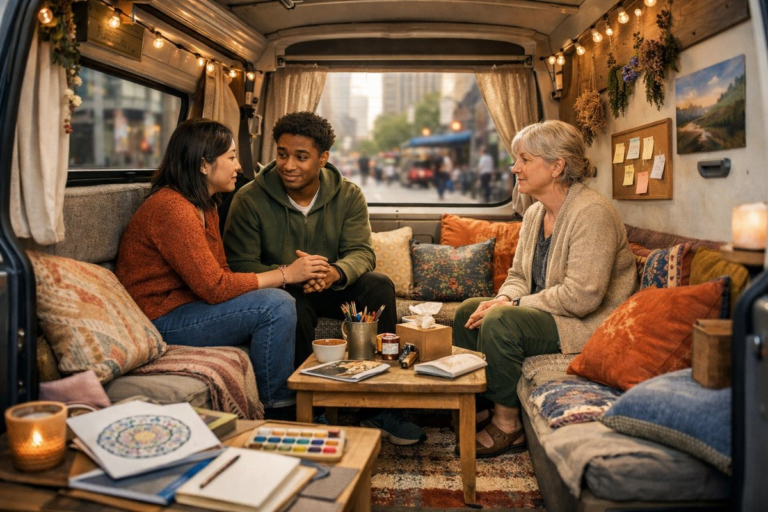
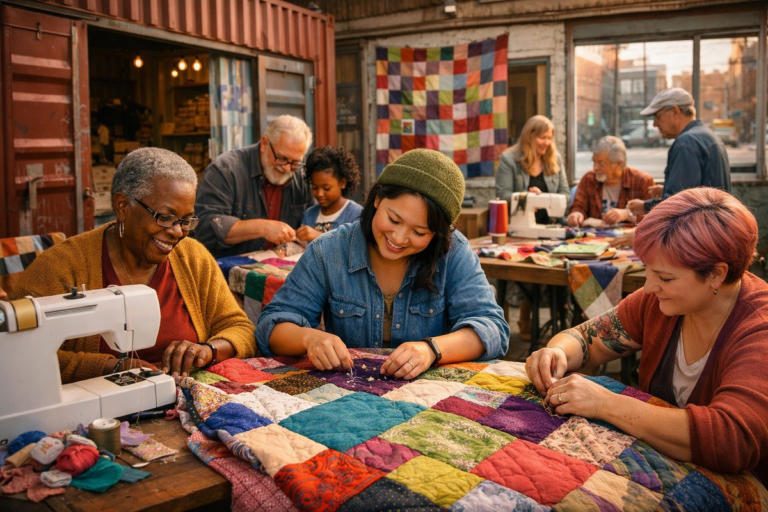
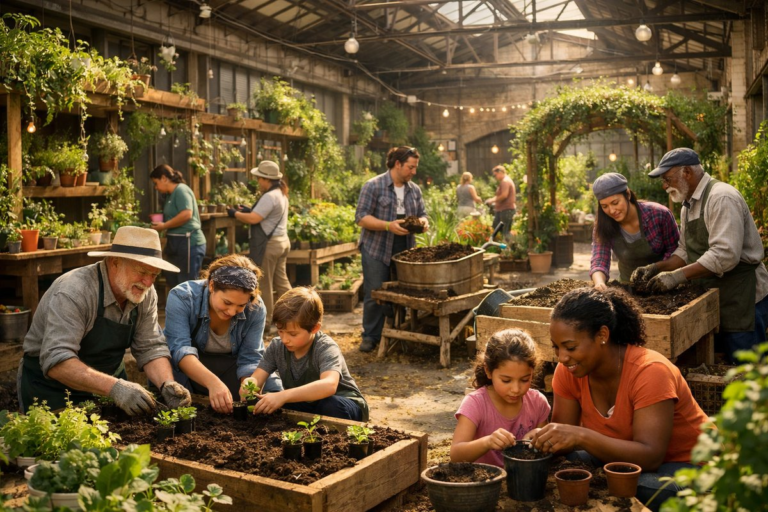
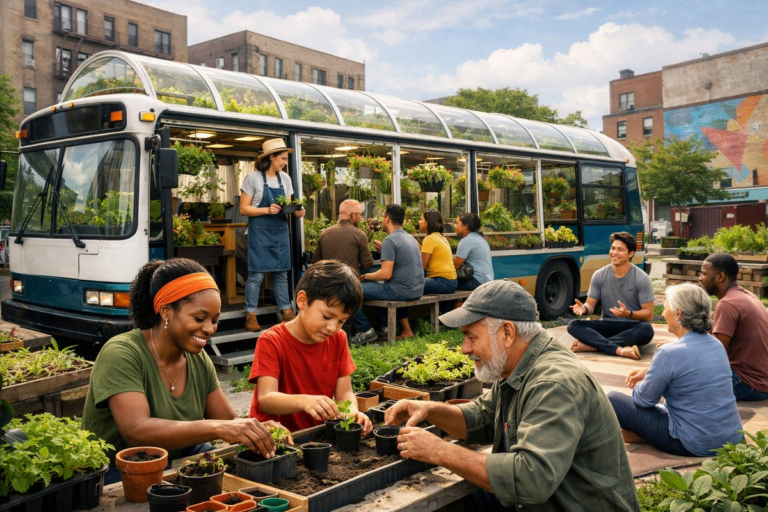
One of the most striking features of this movement is its resourcefulness. Volunteers have repurposed discarded materials-a set of old filing cabinets became a secure lending station, complete with a simple ledger for book loans. Shipping pallets were salvaged to build raised garden beds for community herb patches. Even the old transit bus that made its final route years ago found new life as a mobile workshop, stocked with sewing machines and bead-loom kits for anyone eager to learn fiber arts.
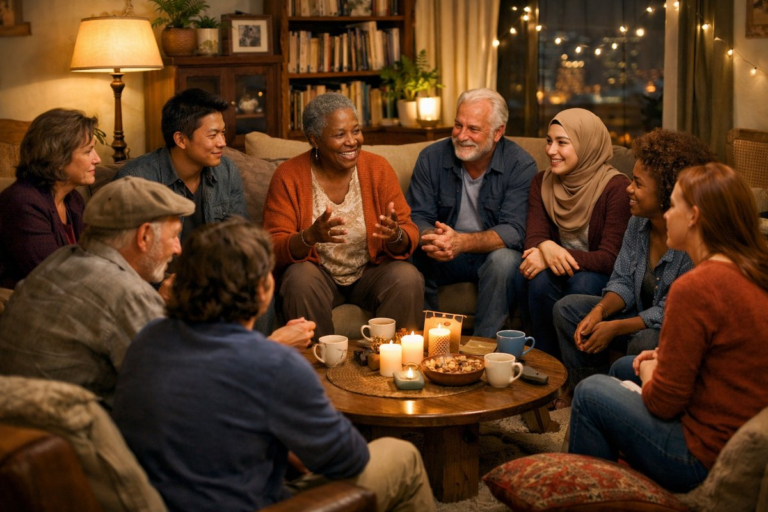
But the project leaders stress that sustainability isn’t measured solely by green credentials or recycled crates. It’s about creating rituals that endure. Rotating leadership teams convene monthly to swap feedback, troubleshoot conflicts, and plan seasonal events-a winter storytelling circle around propane heaters, a summer film screening in the gravel-covered lot, a spring mural project on the side of a shuttered storefront. Each iteration learns from the last, building institutional memory without a formal charter.
Emotional intelligence has become their quiet compass. When tensions flare-someone monopolizes the mic during open-mic nights, or a heated debate spills over into raised voices-trained mediators step in to pause the gathering, offer water, and guide participants back toward constructive exchange. These volunteers equip themselves with basic conflict-resolution skills drawn from community-center workshops, ensuring that the impulse to belong never devolves into exclusion or hierarchy.
For many residents, these makeshift venues have become lifelines. Single parents find a few hours of respite while their kids explore sidewalk chalk murals. Unemployed youth discover mentors who teach them basic carpentry or digital design. Seniors facing isolation have a standing table at the Twilight Kitchen, where their life-long recipes become part of a rotating global menu. It’s not just about food or books; it’s about rebuilding trust in a world that too often feels atomized.
At dusk, when the city’s streetlights cast long shadows across concrete, the community kitchen hums with quiet purpose. A 10-year-old hands a bowl of minestrone to a neighbor she’s greeted in passing for weeks but never formally met. Over mismatched benches, someone shares news of a new baby. Others talk about their failed job interviews or the frustration of finding affordable housing. There’s no judgment-only listening and care. In that shared moment, the anonymous metropolis feels like a small town once again.
Yet this movement is not without challenges. Securing liability insurance for open-air gatherings, navigating city regulations around food distribution, and sustaining volunteer enthusiasm all require ongoing attention. Some organizers worry about burnout, especially when passion projects overlap with full-time jobs and family responsibilities. To mitigate this, volunteer teams rotate shifts, carve out digital planning hubs for asynchronous coordination, and occasionally bring in professional facilitators for strategy retreats.
Looking ahead, neighborhood coalitions are exploring partnerships with local colleges for research on social impact, technology startups for low-cost energy solutions, and nonprofits for microloans to support budding social entrepreneurs. There’s even talk of compiling an open-source toolkit-an online repository of flyers, leadership guides, and budgeting templates-to help other cities replicate the model.
As the movement approaches its second anniversary, its real achievement is hard to quantify in graphs or grant proposals. It lives in the quiet gestures of solidarity: the borrowed book returned with a note of gratitude, the garden plot sprouting mustard greens and basil, the gentle reminder to slow down and listen. It thrives on the conviction that in a sprawling urban expanse, we can still be neighbors in the oldest sense: people who watch out for one another, who share both scarcity and abundance, who believe that the fabric of community is woven one conversation at a time.
Whether this wave of tinkering and improvisation evolves into a more structured force or remains a nomadic constellation of pop-up experiences, its legacy is already written in the small victories of everyday kindness. And in a world that often feels fractured, perhaps that is news enough.