Location
Mount Vernon, WA 98274

Location
Mount Vernon, WA 98274
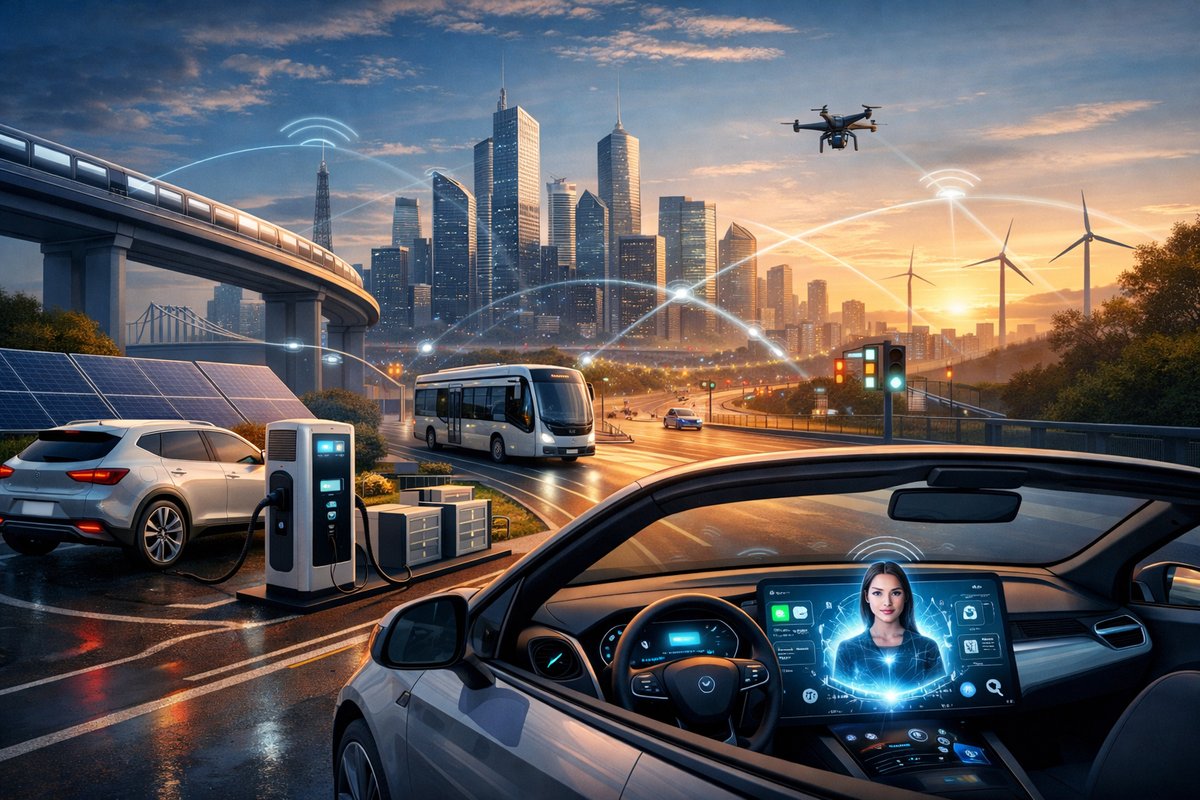
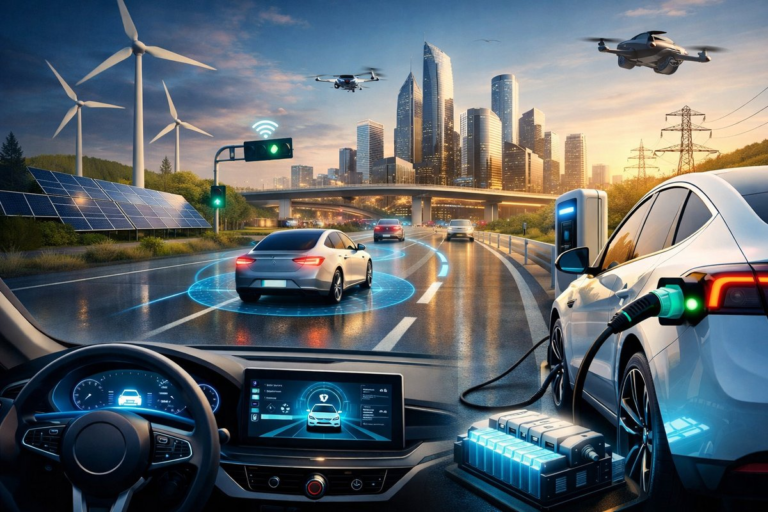
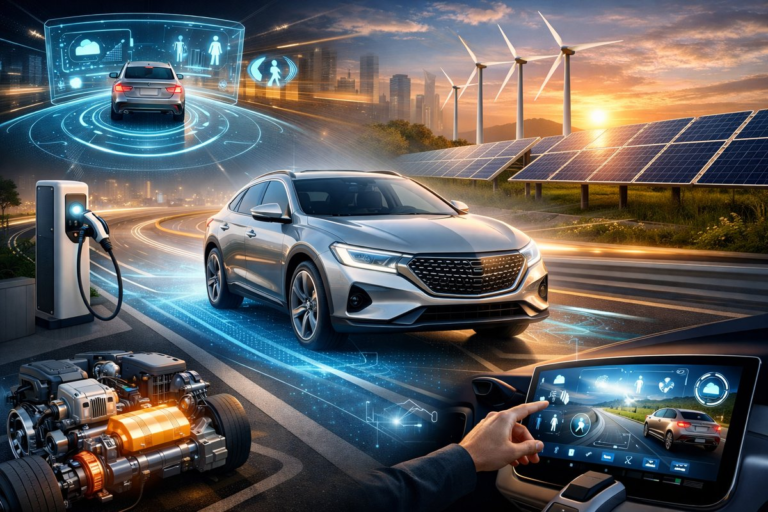
Electric vehicles, advanced connectivity, and smarter infrastructure are converging to reshape transportation. From bidirectional charging hubs to in-vehicle AI assistants, automakers and city planners are crafting a new mobility ecosystem. This report explores the technologies powering tomorrow's journeys and the tools drivers need today.
On a misty morning, a fleet of electric vehicles glides out of a suburban garage, each silently humming with energy stored from the local solar-assisted charging station. The scene captures a profound shift in how we think about cars-not merely as machines on wheels, but as intelligent participants in a dynamic energy network. As batteries become more efficient and vehicle software more capable, transportation is evolving into an ecosystem where roads, grid infrastructure, and onboard systems communicate in real time.
Global adoption of electric powertrains has accelerated. A recent report from an international energy agency showed that plug-in electric car sales now account for nearly a quarter of all new passenger vehicles in leading markets. Charging networks are racing to keep pace: high-voltage fast chargers are expanding along highways, while community hubs blend solar arrays and battery storage to smooth peak loads. Innovations in cable design and connector standardization make portable charging cables lighter and more versatile, giving drivers freedom even in remote corridors.
But electrification is just one side of the story. Behind the scenes, edge computing modules and advanced telematics are turning vehicles into data nodes. Over-the-air software updates now push performance tweaks, charging optimizations, and safety enhancements directly to cars overnight. Instead of scheduled service visits, drivers experience continuous improvement-imagine a suspension algorithm refined midweek, or an energy-management routine updated before a weekend trip.
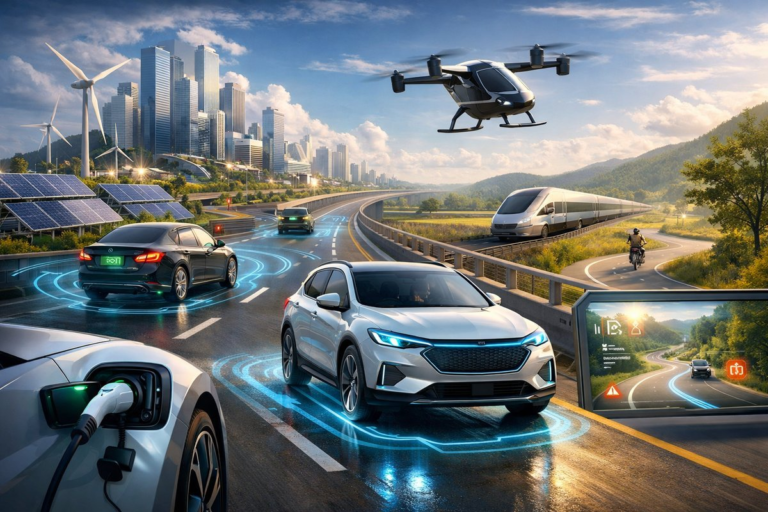
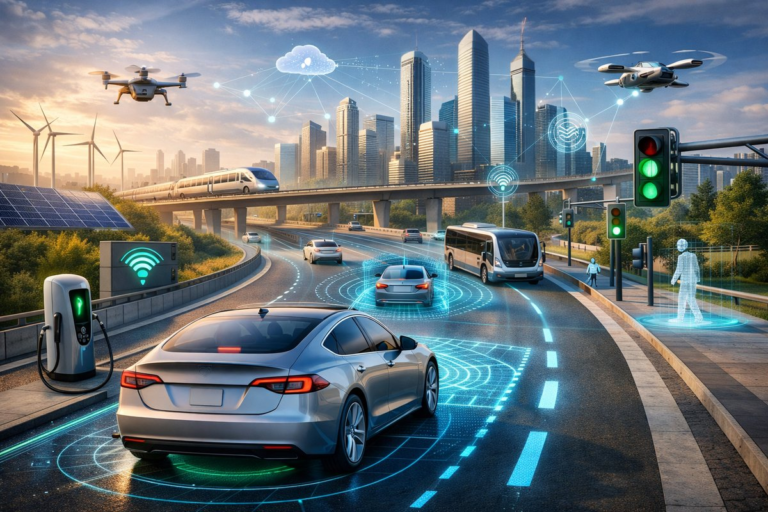
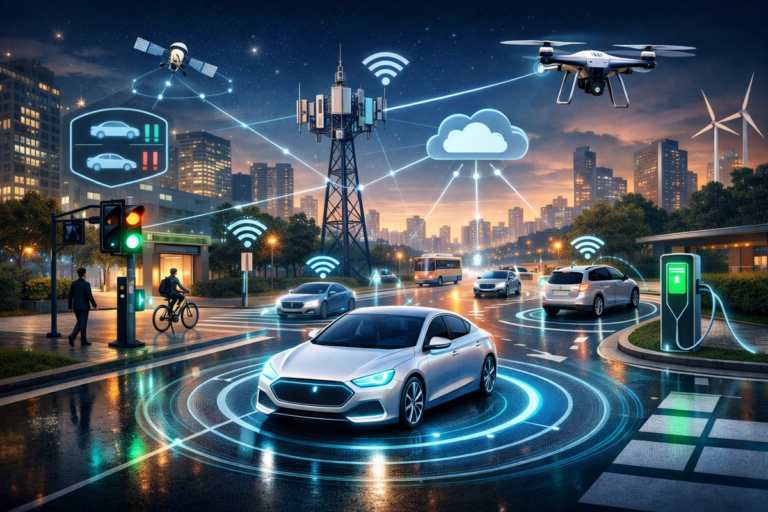
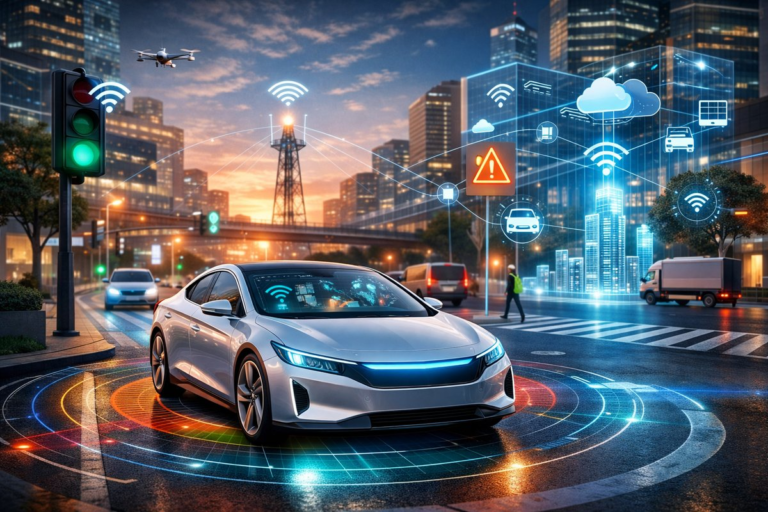
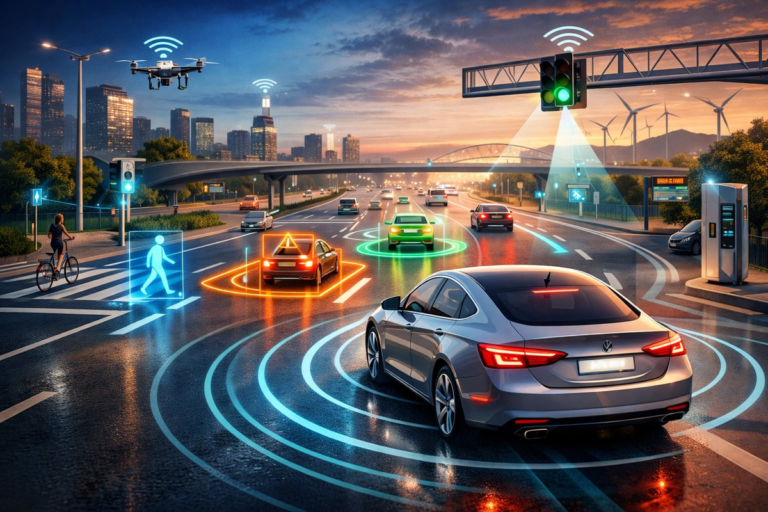
Connectivity extends beyond the vehicle itself. Vehicle-to-everything (V2X) communication links cars with traffic signals, roadside sensors, and even bicycles equipped with simple transponders. In one pilot program, traffic lights adjust their cycle in milliseconds based on approaching EVs with empty batteries, ensuring charging stations receive a balanced flow of vehicles. Such interoperability demands robust cybersecurity frameworks to guard against unauthorized access-every data packet between car and controller must be encrypted.
Smart charging infrastructure is also embracing bidirectional power flow. When the sun is blazing and grid demand peaks, parked EVs can feed electricity back to the local network. This vehicle-to-grid (V2G) capability transforms cars into mobile energy assets, helping stabilize frequencies and reducing the need for costly peaker plants. Fleet operators, from delivery services to corporate shuttles, are enrolling vehicles in payoff-sharing programs that compensate drivers for lending battery capacity during grid emergencies.
Real-world deployments reveal the challenges of this transformation. Standards for charging protocols, communication layers, and security certificates vary by region. A fast-charging station designed for one network may require adapters or firmware updates to serve cars from another. Automakers, infrastructure providers, and standards bodies are racing to harmonize specifications through open alliances. Until then, drivers keep an emergency jump starter or portable charging kit on hand, prepared for unexpected incompatibilities.
In Copenhagen, engineers recently unveiled a stretch of road embedded with wireless charging coils. While driving at slow speeds, EVs equipped with compatible underbody receivers draw power without plugging in. Early data suggests that daily commutes could see up to 20 percent of mileage topped up through such dynamic lanes, easing range anxiety. The city’s pilot also monitors pavement health, using vibration sensors that feed maintenance alerts to municipal crews.
For heavy-duty applications, predictive maintenance platforms combine vibration, temperature, and current sensors across drivetrain components. Freight companies fitting tractors with standardized diagnostic dongles can detect bearing wear or coolant leaks before breakdowns occur. Technicians receive mobile alerts and schedule repairs with minimal downtime. The result: higher uptime for critical supply chains and safer roads for everyone.
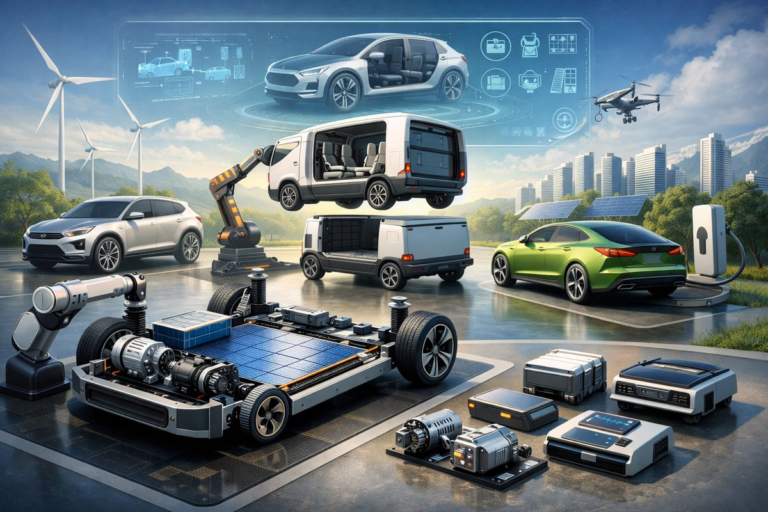
Sustainability remains a guiding principle. Battery chemistries are evolving to reduce reliance on scarce minerals, and recycling programs aim to reclaim valuable metals at end of life. Infrastructure projects increasingly factor in embodied carbon when sourcing materials for charging hubs and roadside units. Circular-economy approaches are gaining traction: modular chargers can be refurbished, and control electronics are designed for easy disassembly.
Behind every technical advance, human experience matters. Drivers report a renewed sense of engagement when their dashboard displays not just speed and range, but live energy flow and carbon-savings metrics. Homebound commuters take pride in tapping into solar-charged kilowatts. Corporate fleet managers celebrate reduced fuel costs and lower noise footprints. Across age groups and backgrounds, the narrative shifts from mere transportation to purposeful mobility.
Even as today’s innovations excite, future horizons beckon. Shared mobility pods could arrive on demand, summoning themselves to waiting passengers. Micro-mobility options-electric scooters, cargo e-bikes-might sync with urban transit schedules through single-ticket apps. AI-driven route planners will factor in charging stops, tolls, carbon footprints, and even scenic value. Through open-source platforms, communities will contribute new features and safety protocols, accelerating progress.
Electric propulsion and connected intelligence are redefining the relationship between driver and machine. By weaving cars into the fabric of energy grids, data networks, and city planning, we create resilient systems that adapt to changing needs. The road ahead promises greater efficiency, lower emissions, and a more personalized travel experience. As automakers, infrastructure teams, and policymakers collaborate, one thing is clear: transportation is no longer just about reaching a destination. It’s about the networks that carry us forward, turning every journey into an opportunity for innovation.