Location
Mount Vernon, WA 98274

Location
Mount Vernon, WA 98274
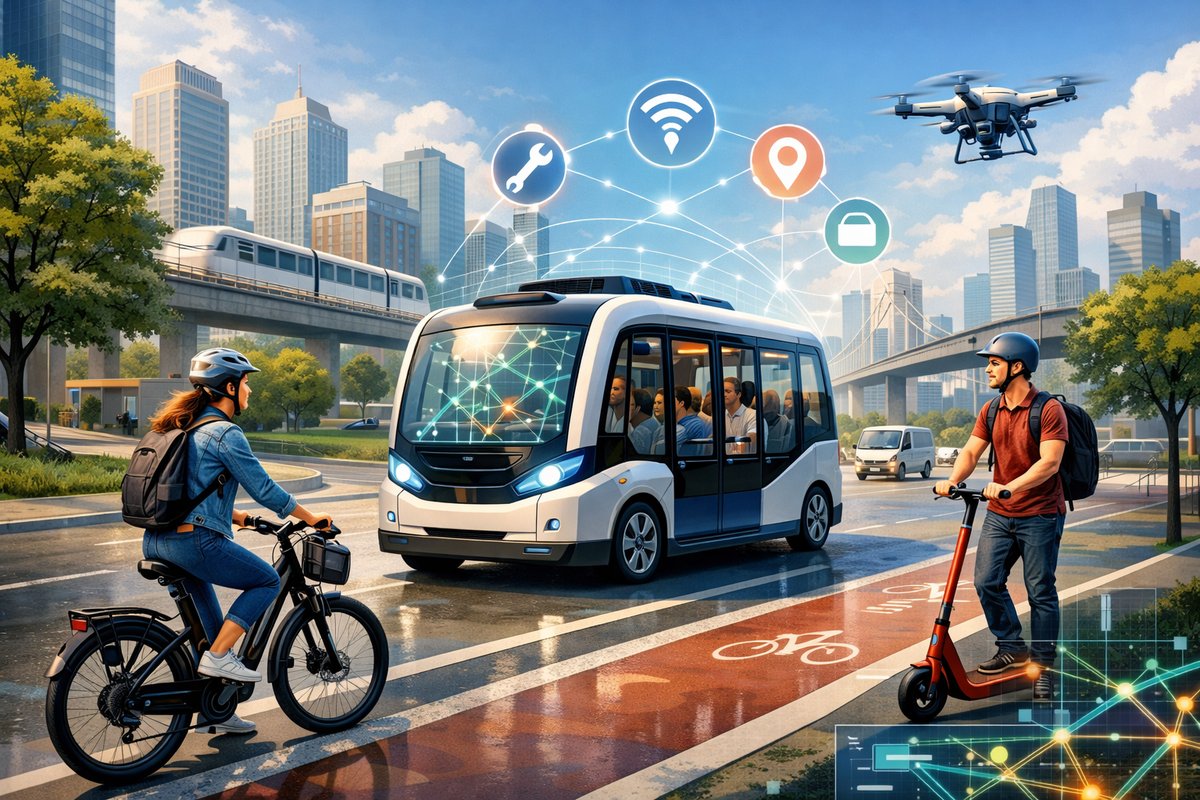
Cities are reinventing transportation by weaving together e-bikes, shared scooters, and AI-driven shuttle networks. From predictive maintenance to real-time route optimization, these technologies promise cleaner commutes, faster connections, and more equitable access across urban landscapes.
City streets have long been battlegrounds of honking horns, gridlock, and frustrated commuters. But a quieter transformation is underway. Beneath the glare of traffic lights and digital billboards, compact vehicles and intelligent software are reassembling the rules of urban motion. Yesterday’s private car reign is giving way to a layered ecosystem where micromobility devices, on-demand shuttle pods, and data-driven traffic management unite in a seamless experience.
Micromobility’s Role in the New Urban Fabric
Electric scooters and e-bikes have become the first responders of short-haul journeys. ZIP-range trips that once required parking hassles or clumsy app searches now start within a few taps and a brief walk. By integrating pick-up zones into transit hubs and major workplaces, cities encourage riders to combine a bike share for the last mile with buses and metro lines for longer hauls. These compact vehicles weave through bike lanes and quiet streets, cutting travel times in half for distances under two miles. And unlike gas-powered alternatives, they produce zero tailpipe emissions, aligning with municipal goals to reduce greenhouse gases.
AI-Orchestrated Fleets Offer Real-Time Adaptability
Behind the scenes, fleet-management platforms leverage artificial intelligence to balance supply and demand. When a sudden downpour sends more riders toward covered shuttle stops, an AI engine reroutes compact vans and pods to those shelters. Machine learning models analyze usage patterns from historical data and weather forecasts, then dispatch vehicles where they’ll be needed next. This dynamic orchestration makes on-demand public-private partnerships more responsive, so shared rides fill faster and wait times stay under five minutes.
Predictive Maintenance Keeps Wheels Turning
Maintenance has shifted from scheduled checkups to condition-based monitoring. Sensors embedded in motors, brakes, and batteries stream data to the cloud, where anomaly detection algorithms flag early wear signs. A subtle uptick in wheel bearing temperature or a drop in battery voltage can trigger alerts for proactive service. Instead of bicycles sidelined for major failures, operators receive advance warnings and deploy technicians with the right parts. The result is higher vehicle uptime and safer rides every day.
Data Privacy and V2X Connectivity
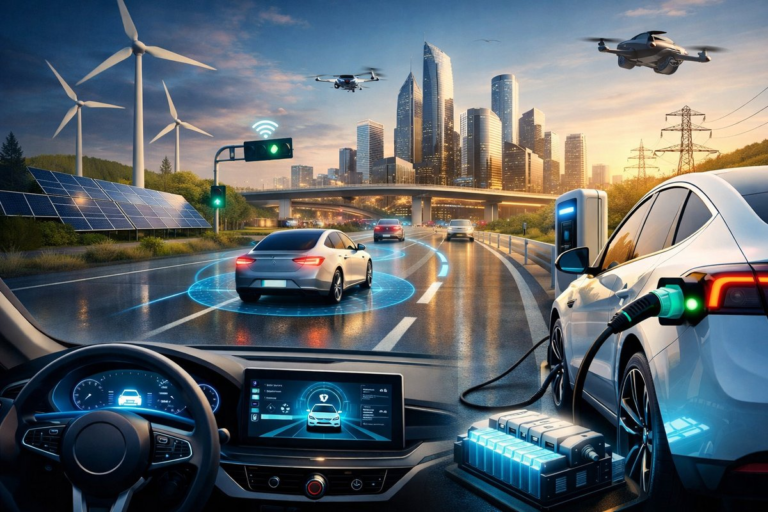
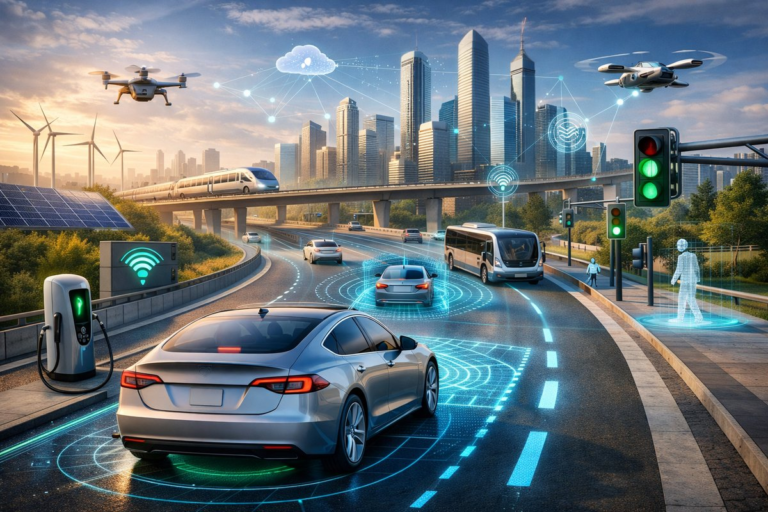
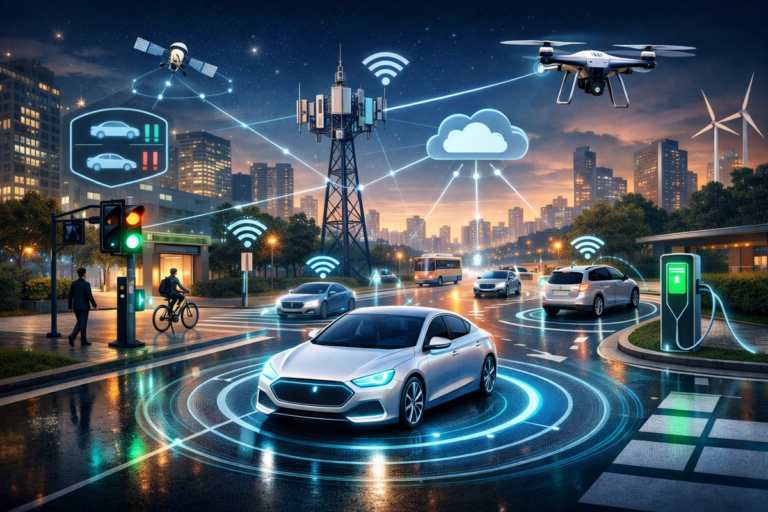
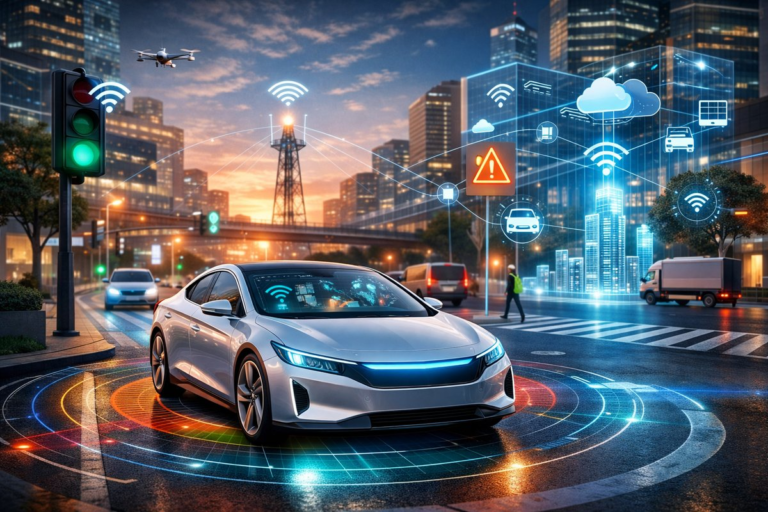
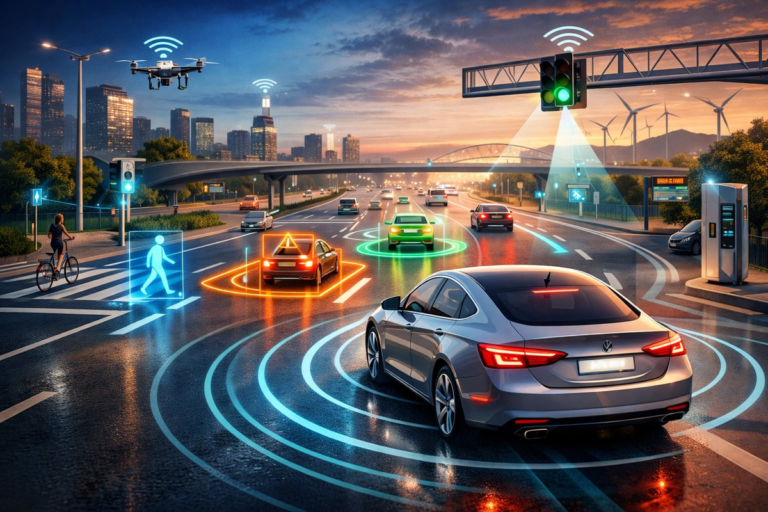
Vehicle-to-everything (V2X) networks promise smarter, safer streets by enabling machines to communicate with infrastructure and each other. Traffic lights that broadcast phase changes, crosswalk sensors that signal pedestrian density, and micromobility devices that share location data can all feed into a unified control plane. But open data streams raise concerns about user privacy and surveillance. Forward-thinking cities are adopting anonymization protocols and end-to-end encryption. Riders’ identities and travel histories remain confidential, even as aggregated flow maps guide city planners and fleet operators.
Digital Twins Simulate Tomorrow’s Traffic
Urban planners now use digital twin models-virtual replicas of real-world roads and intersections-to test new policies before laying a single pavement stripe. By feeding live data into these simulations, officials can forecast the impact of curbside allocation changes, such as dedicating extra lane space to micro-mobility fleets or testing dynamic tolling in rush-hour corridors. A proposed ban on left turns or the introduction of dedicated e-scooter lanes can be validated in hours rather than months, reducing the risk of costly missteps.
Hyper-Local Routing and Multimodal Apps
The journey no longer ends when a rider hops off a scooter. Mobile apps stitch together walking directions, scooter availability, shuttle pickup points, and train schedules into a single itinerary. AI-powered guidance can suggest leaving ten minutes earlier to avoid a sudden bus delay or rerouting along a scenic bike path when time allows. These hyper-local experiences feel less like fractured transit segments and more like a single, cohesive adventure.
Case Study: A Neighborhood Transformed
In one mid-sized city, a partnership between local government and a mobility startup created an integrated zone where micromobility devices, shuttles, and rail services share real-time data. Commuters scan a single QR code to unlock any vehicle type, and a unified fare app automatically charges the best price based on distance and mode. Within six months, traffic speeds in the central district rose by 15 percent, while carbon emissions fell by nearly 10 percent. The shift also helped small businesses by bringing more foot traffic to streets once clogged with parked cars.
Infrastructure and Regulatory Hurdles
Despite advances, hurdles remain. Tight curb space has sparked fierce debates over how much real estate to allocate for dockless scooters versus ride-hail pickups. Some residents worry that too many e-bikes will clutter sidewalks, while others bristle at night-time scooter noise. Regulators must balance safety guidelines-like mandatory helmets and speed limits-with the need to keep micromobility affordable and accessible. Pilot programs often stretch for a year or more before permanent rules emerge.
Building Community Around Shared Mobility
The most successful micromobility initiatives aren’t just about fleets and algorithms-they foster community stewardship. Volunteer groups host “bike bus” rides for new users, teaching traffic rules and device maintenance. Repair workshops invite residents to tinker with e-bike motors and swap batteries. By nurturing curiosity and hands-on engagement, these programs boost trust and lower vandalism rates.
Sustainability as a Core Principle
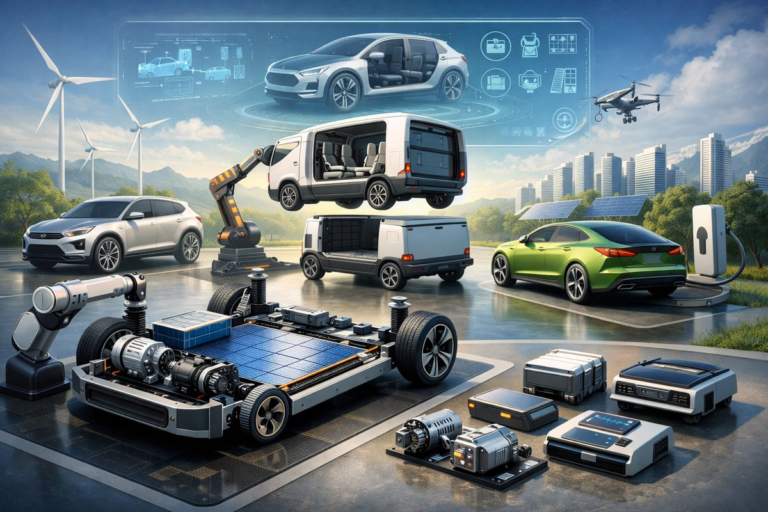
Ride-sharing cars, e-scooters, and micro-shuttles all share a responsibility to limit environmental impact beyond tailpipe emissions. Manufacturers are exploring remanufactured battery packs and recyclable materials for frames. Charging depots powered by rooftop solar arrays are sprouting on parking garages. Some operators even recharge vehicles on demand through mobile charging vans, eliminating the need to haul fleets to central depots and cutting idle time on the road.
Accessibility and Equity
A micro-mobility revolution risks leaving behind those without smartphones or digital payment methods. Forward-looking cities pilot cash-based kiosks and physical passes that grant access to shared devices. Some programs allow residents to sponsor free or subsidized rides for low-income neighbors. Through partnerships with social service agencies, on-demand shuttles can adapt routes to reach community centers, clinics, and senior housing.
The Road Ahead: Converging Technologies
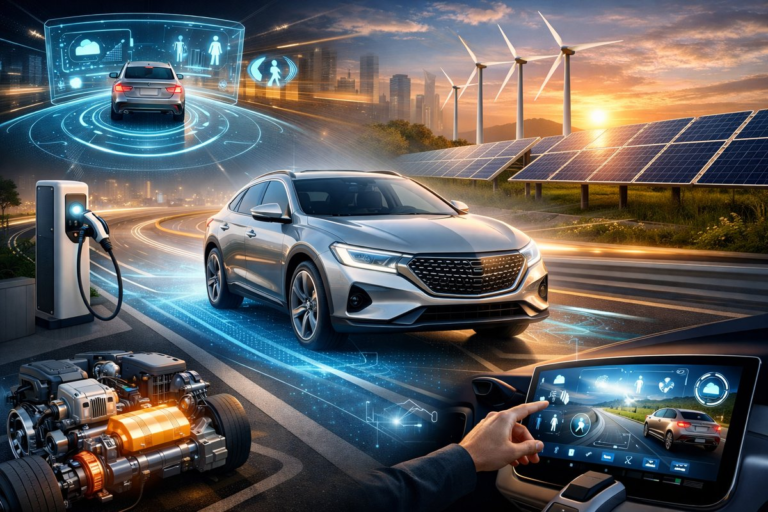
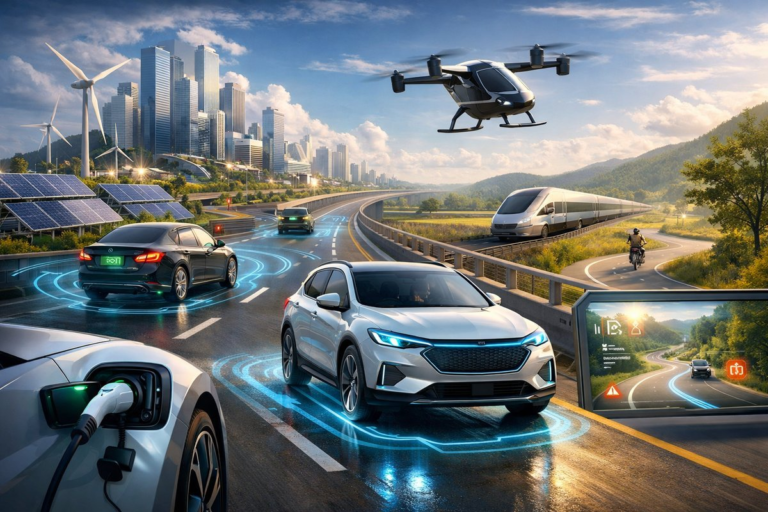
As 5G coverage expands, ultra-low-latency networks will unlock new V2X applications. Imagine scooters that automatically slow down near busy intersections or shuttle pods that coordinate their timing to create a moving “traffic wave” that eases congestion. Advances in edge computing will let vehicles process sensor data locally, reducing the burden on central servers and preserving privacy. Over time, the line between personal vehicles and shared fleets may blur as autonomous shuttles integrate seamlessly with bike lanes and pedestrian zones.
Embracing Change with Empathy
Urban mobility is not just an engineering challenge but a human one. Successful transformations depend on listening to residents’ concerns, iterating on pilot programs, and weaving new services into the city’s cultural fabric. By combining emotional intelligence with cutting-edge technology, planners and operators can co-create transportation networks that move people faster, cleaner, and more joyfully than ever before.
Today’s commuters stand at the threshold of a new era. The innovations emerging on our streets-compact electric vehicles, AI-orchestrated fleets, digital twins, and V2X connectivity-promise not just incremental improvements but wholesale reinvention. As these systems coalesce, the next trip you take may begin with a tap on your wrist, a scan at a kiosk, or a voice command in a smart helmet. And long before you notice congestion, the invisible machinery of data and algorithms will have already engineered the smoothest, most sustainable journey possible.
Imagine boarding a pod that glides serenely through an intersection, synchronized with traffic lights and escorted by an autonomous bike convoy. You settle in, knowing the vehicle has fresh battery cells, real-time weather adaptive tires, and a soft hum that barely breaches the quiet of the city. And as you glide toward your destination, you’re not just a passenger-you’re part of a living system that learns, adapts, and grows more efficient with every trip. That is the promise unfolding now, on streets around the world.