Location
Mount Vernon, WA 98274

Location
Mount Vernon, WA 98274
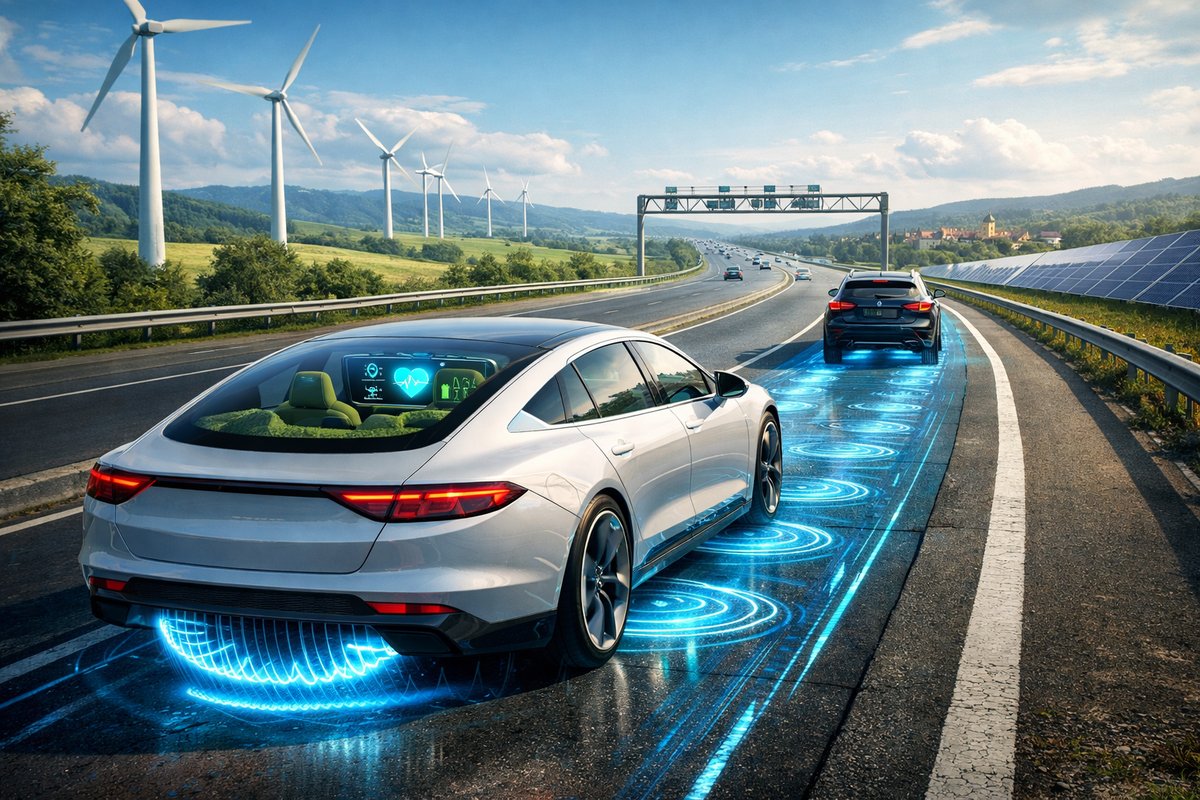
A new pilot program in Central Europe is turning highways into power corridors, charging electric vehicles on the move through embedded coils beneath the surface. Coupled with algae-based interiors and AI-driven health sensors, today's automotive breakthroughs are redefining what it means to drive sustainably and safely.
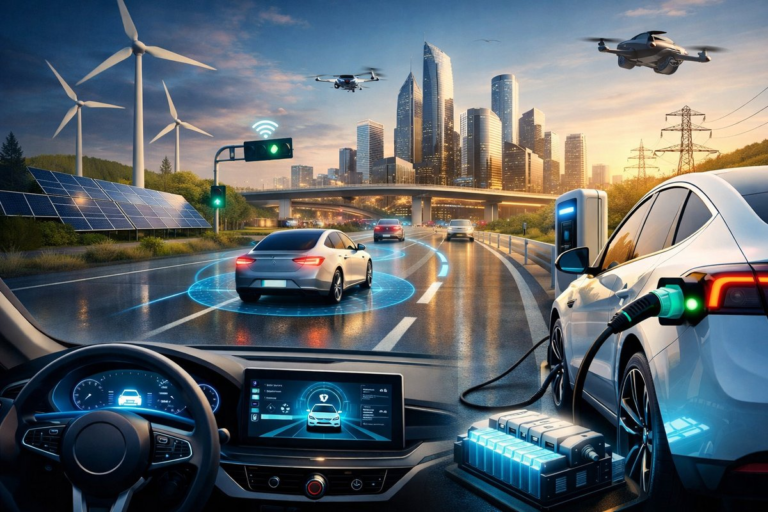
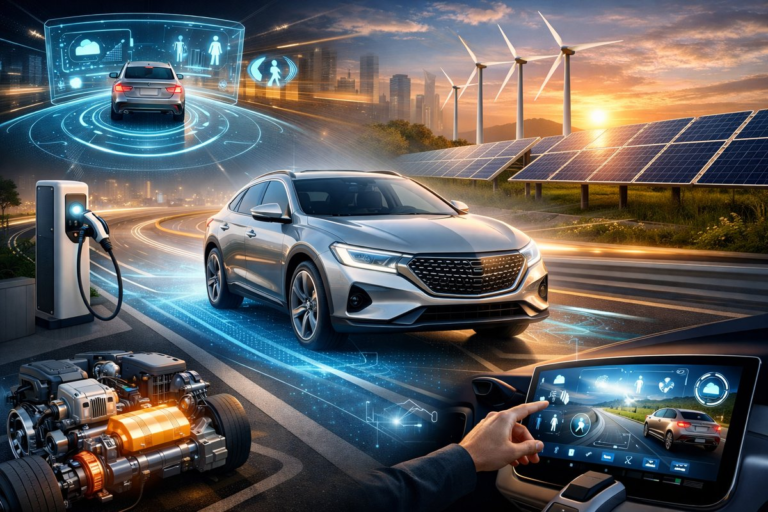
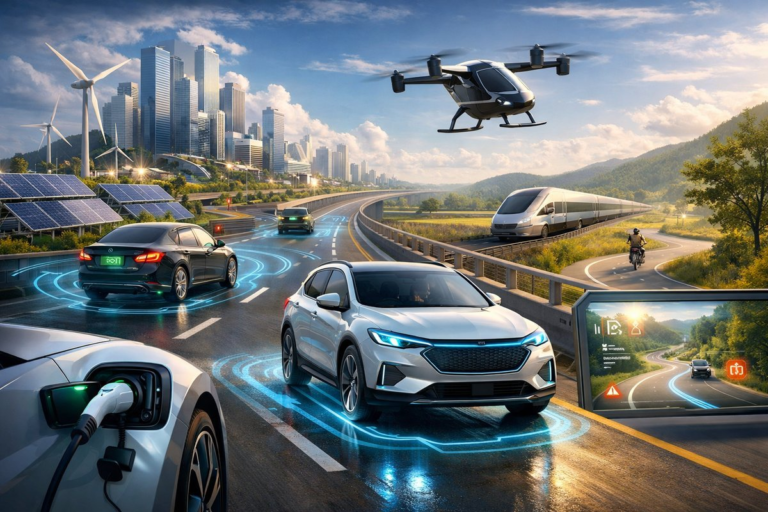
On a 20-kilometer stretch of regional highway in Central Europe, electric buses and delivery trucks glide over lanes embedded with wireless charging coils. This pilot program, launched earlier this year, aims to demonstrate how dynamic inductive charging can cut range anxiety for heavy-duty electric vehicles (EVs) and reduce downtime associated with stationary charging. The technology relies on coils buried beneath the asphalt that transmit power to receivers mounted on the vehicle’s undercarriage, replenishing batteries without plugging in. Early results show up to 30 percent less time spent at charging stations-an innovation that could reshape long-haul logistics and public transportation.
At the heart of this system are power electronics capable of adjusting transmission strength in real time, ensuring efficient energy transfer even at speeds up to 90 kilometers per hour. Sensors embedded in the road surface communicate with onboard units to align magnetic fields precisely, activating only when a compatible vehicle passes overhead. The infrastructure also features a modular design: maintenance teams can replace damaged segments without repaving entire lanes. In trials, this has cut repair times by half, minimizing traffic disruptions during upgrades or roadworks.
Crucially, the pilot integrates renewable energy sources into the power network. During peak solar generation hours, panels along the median feed surplus electricity directly into the grid supporting the charging coils. At night, energy drawn from wind farms stored in local battery stations takes over. This dynamic balancing acts as a mobile microgrid, smoothing out fluctuations in supply and demand while maximizing the use of low-carbon energy. Early modeling suggests that once the system operates at full scale, lifecycle emissions per vehicle-kilometer could drop by nearly 25 percent compared to conventional fast-charging networks.
Onboard hardware has also evolved to leverage this wireless power. New receiver arrays pack larger coils and advanced cooling circuits to handle higher current loads without overheating. Vehicles under test feature adaptive suspension systems that automatically adjust ride height, bringing the receiver coils within optimal range of the road’s embedded transmitters. This synergy between infrastructure and vehicle design exemplifies the co-development approach championed by mobility startups and transportation authorities across Europe.
Inside the cabins of these next-gen vehicles, designers are rethinking materials through the lens of sustainability and circularity. One concept shuttle trialing the charging lanes uses algae-derived biofoam for seat cushions-a composite that offers similar comfort and resilience to polyurethane but is fully biodegradable at end of life. Door panels and consoles incorporate recycled carbon-fiber sheets salvaged from retired aircraft components, reducing reliance on virgin plastics. Unlike standard injection-molded plastics, these bio-composites are engineered for disassembly, allowing each part to return to its supply chain without contaminating recycling streams.
Beyond materials, automakers are embedding AI-driven health monitoring into seat structures. Pressure sensors woven into the biofoam detect posture shifts and circulation patterns, alerting drivers to take breaks or offering guided stretching prompts when fatigue indicators cross a threshold. In pilot fleets, this system has cut drowsy-driving incidents by 40 percent, according to preliminary field reports. Paired with lane-keeping assistance and adaptive cruise control, the health-aware cabin creates an ecosystem of preventative safety built around human factors research.
On the digital side, new vehicle authentication uses blockchain-based digital keys to secure access without physical fobs or smartphone apps. When a registered user’s smartphone or smartwatch enters the proximity of the car, the system negotiates cryptographic handshakes with the onboard controller. Unauthorized attempts trigger encrypted alerts sent to fleet managers or vehicle owners. This decentralized key management protects consumer privacy by avoiding cloud-stored credentials while also streamlining the sharing of rental or peer-to-peer vehicles without manual key exchanges.
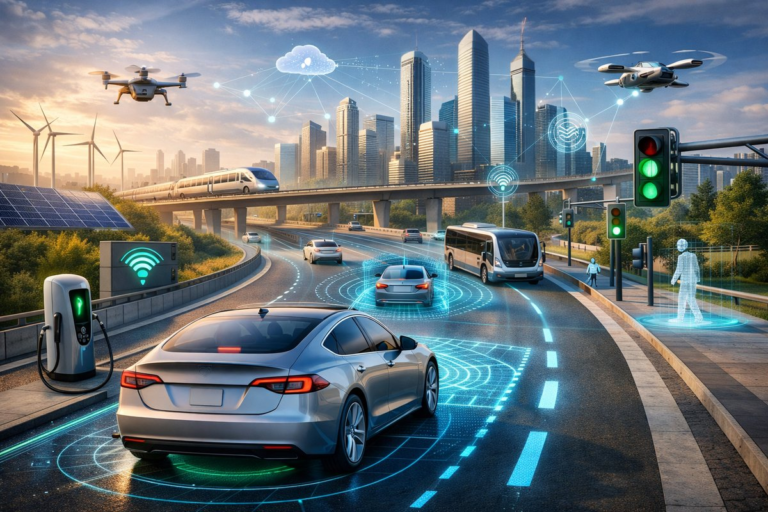
Data privacy and cybersecurity remain top of mind. The charging highways pilot employs end-to-end encryption across all roadside units and vehicles, preventing eavesdropping on energy-transaction data. Authentication tokens expire automatically if a vehicle strays outside permitted routes, ensuring that hackers cannot clone digital keys for unauthorized access. Moreover, the allotment of charging time and delivered energy is logged in an immutable ledger, allowing operators to audit transactions and detect anomalies swiftly.
City planners are also exploring digital twins of highway corridors to simulate maintenance scenarios and forecast demand patterns. By feeding real-time traffic and weather data into a virtual model, engineers can predict coil degradation, optimize preventive repairs, and schedule power input from renewable sources more accurately. This reduces unplanned downtime and ensures that both heavy-duty and passenger vehicles benefit from consistent charging availability-even during peak travel seasons or extreme weather events.
Regulatory bodies have begun drafting standards for dynamic wireless charging, recognizing the need for interoperability between different vehicle manufacturers and infrastructure providers. Harmonized frequency bands, power levels, and safety protocols will be critical for scaling these pilots into national road networks. Economically, the upfront cost of embedding coils in asphalt is offset over time by lower maintenance expenses and the elimination of discrete charging stations, which require real estate and constant supervision. Fleet operators running cross-border routes see particular value in uniform charging solutions that work seamlessly across jurisdictions.
Feedback from drivers and fleet managers involved in the pilot has been overwhelmingly positive. Operators praise the reduction in “deadhead miles” spent detouring to distant charging hubs, while drivers welcome the stress-free experience of never having to plug in. Early surveys indicate improved job satisfaction among bus drivers, who report feeling safer and less fatigued on longer routes. Logistics companies highlight improved schedule reliability and lower energy costs-benefits that could translate to lower freight rates for consumers if the technology expands.
As dynamic wireless charging lanes and sustainable cabin innovations converge, experts predict a transformative impact on mobility. By blending infrastructure upgrades, renewable integration, and vehicle-side intelligence, these breakthroughs promise to redefine the relationship between roads and vehicles. What began as small-scale pilots in Central Europe may soon spread to highways across Asia and North America, ushering in an era where powering your ride happens seamlessly beneath the tarmac-and sustainability is woven into every journey.