Location
Mount Vernon, WA 98274

Location
Mount Vernon, WA 98274
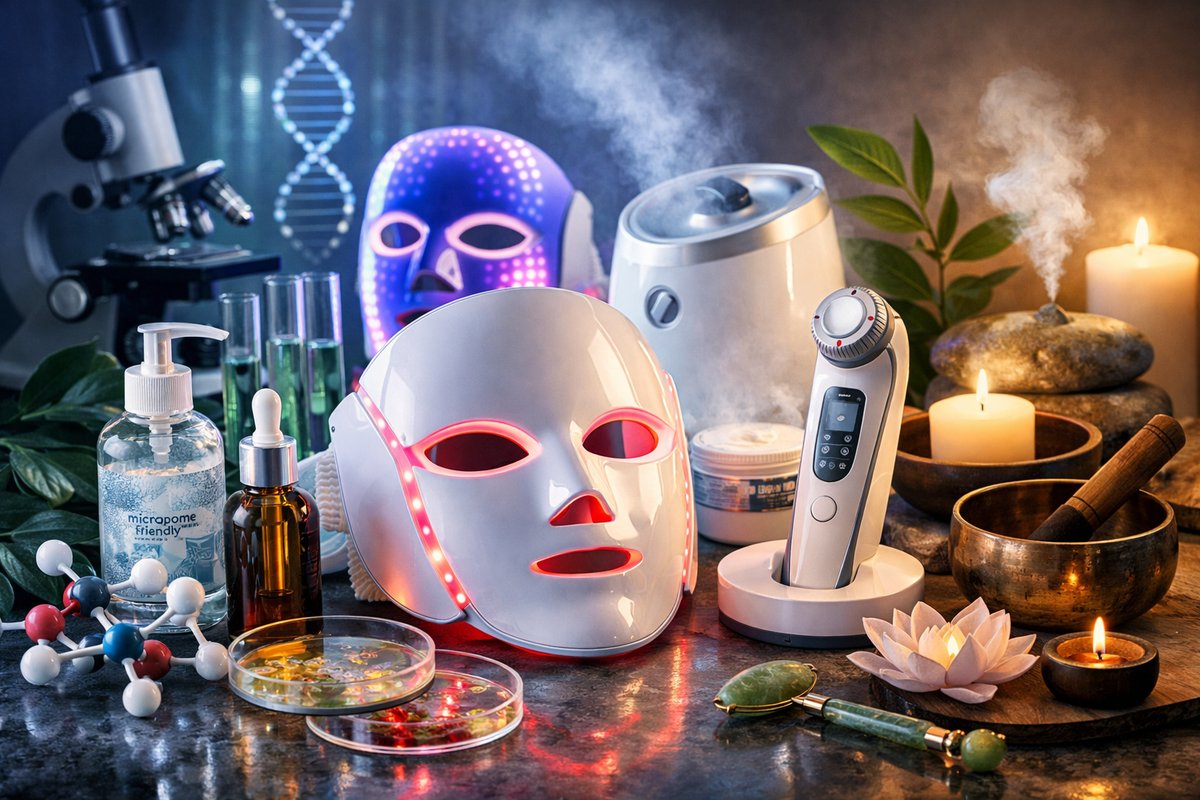
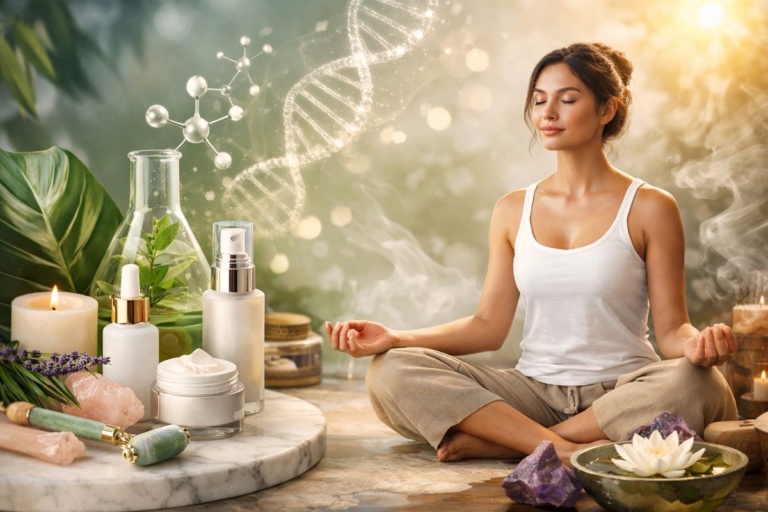
A wave of science-backed formulations, tech-enabled devices, and multisensory ceremonies is reshaping the way people care for their skin. From microbiome-friendly cleansers to at-home LED masks, the beauty industry is unveiling new rituals that balance efficacy, sustainability, and emotional well-being.
Beauty counters and online marketplaces around the world are witnessing a sharp uptick in products promising to nurture both skin and spirit. Industry insiders report that prebiotic- and postbiotic-infused cleansers and toners are leading a surge in demand, fueled by new research linking the skin’s microbiome to hydration, barrier resilience, and post-inflammatory recovery. According to a recent consumer survey from a major market research firm, nearly 68 percent of respondents now consider microbiome-friendly formulations a “must” in their weekly routines, a jump of 22 points over the past two years.
A study conducted at a prominent West Coast research institute evaluated a prebiotic face cleanser over a four-week trial with 120 volunteers. The report found that transepidermal water loss decreased by an average of 17 percent, while subjective ratings of skin comfort and brightness rose by 23 percent. Dermatologists say these findings cement the role of “friendly bacteria” in skincare. As formulas marry plant-derived polysaccharides with gentle surfactants, a new chapter of barrier-supportive routines is emerging-one where cleansing doubles as nourishment rather than disruption.
Parallel to ingredient innovation, consumer electronics brands are expanding their beauty offerings. Handheld skin-analysis scanners now promise real-time assessments of hydration, sebum levels, and porphyrin presence under UV light. Many devices use machine learning to recommend a personalized blend of active ingredients before you ever open a bottle. This “diagnose-and-dispense” approach is blurring the lines between professional consultations and home rituals, allowing people to tailor their regimens with laboratory-grade precision.
Meanwhile, LED therapy masks designed for home use are selling out almost as quickly as they restock. Early adopters report seeing reductions in redness and fine lines after just ten daily sessions with red-light treatment arrays. Sales data from one leading retail platform show a 15 percent quarter-over-quarter growth in LED mask purchases, an indicator that consumers are embracing spa-grade modalities in their bathrooms. The convergence of ergonomic design and wireless connectivity means these devices can sync with meditation apps, guiding users through focused breathwork as they treat.
Sustainability has also become a cornerstone of next-gen beauty rituals. Refillable serums, solid-bar cleansers wrapped in compostable paper, and packaging crafted from recycled ocean plastics are reshaping what it means to “shop green.” Ethical sourcing of upcycled ingredients-such as grape seed oil recovered from winemaking by-products-underscores a circular approach that was once niche but is rapidly entering mainstream conversation. Retailers say refill stations are now staples in nearly all major department-store beauty halls, cutting single-use plastic by an estimated 40 percent in some locations.
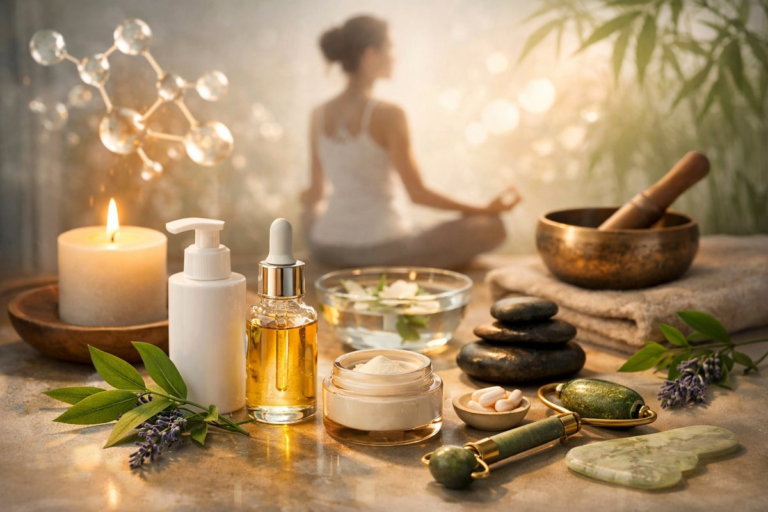
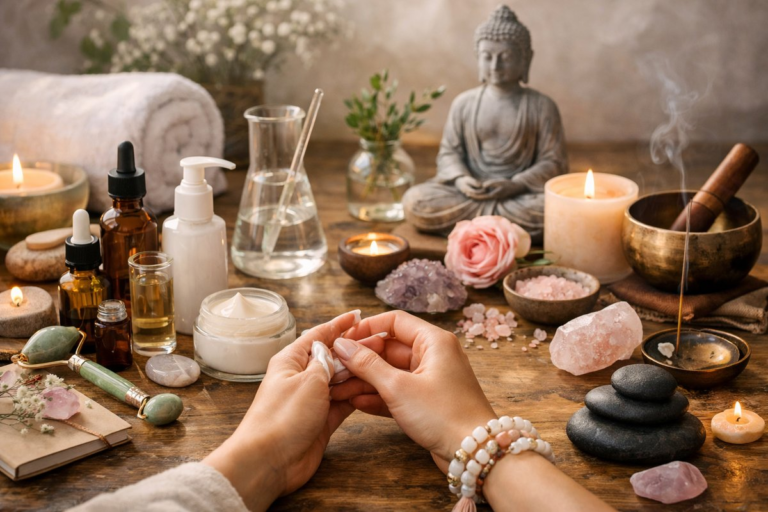
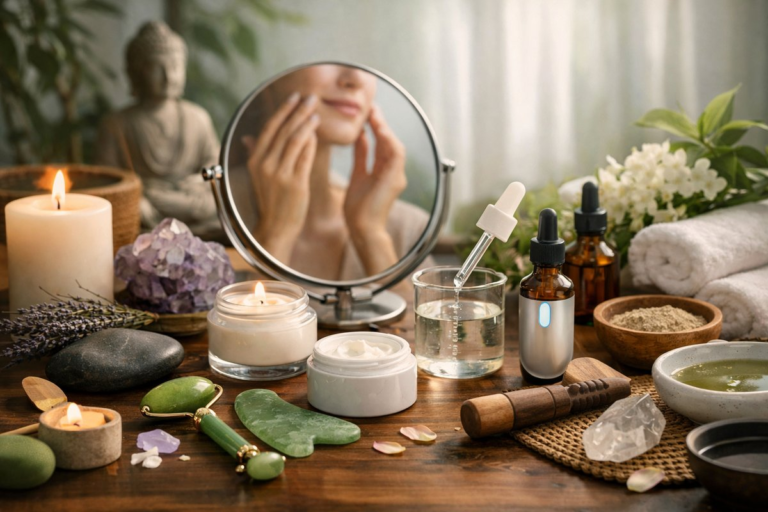
For many, the act of applying skincare has evolved beyond a quick swipe of lotion. Beauty professionals describe a growing appreciation for emotional-intelligence layering. Rituals now begin with mindfulness exercises or gratitude journaling, followed by slow, deliberate massage strokes using cooling quartz rollers or heated gua sha tools. This blend of somatic awareness and tactile stimulation aims to amplify the oxytocin-boosting benefits of touch, casting skincare as a form of self-care that nurtures mental health alongside the epidermis.
Sound is also finding its place in the cosmetic landscape. Brands are pairing facial oils with curated playlists of binaural beats or ambient soundscapes recorded in rainforest canopies. Some high-end spas even encourage clients to wear noise-cancelling headphones during treatments, immersing them in a sonic cocoon that heightens the senses. Proponents argue that by engaging multiple pathways-olfactory, auditory, tactile-the skin becomes more receptive to active ingredients.
Experiential pop-ups and traveling wellness lounges are bringing these concepts to life in major cities. Attendees can explore “phygital” installations that mix virtual-reality guided facials with hands-on demonstrations of refillable products. One recent Tokyo exhibition invited guests to plant seeds derived from botanical extracts, symbolizing the regenerative ethos of modern beauty. Similar events in London and São Paulo have sold out weeks in advance, signaling robust appetite for immersive self-care.
Personalization continues to be a driving force, whether in the lab or on the shop floor. High-tech kiosks now blend customer data-skin type, climate conditions, lifestyle habits-with live ingredient libraries to formulate bespoke serums in under five minutes. These countertop mixers harness microfluidic technology to emulsify extracts on demand, promising optimal potency from the first drop. Early adopters praise the novelty but also report tangible improvements in texture and tone after several weeks of custom-crafted blends.
Fragrance layering is undergoing its own renaissance. A growing contingent of beauty-savvy consumers are treating scent like musical chords, blending a base note of woody resin with floral middle notes and citrus top notes for a signature aroma. Brands are responding with travel-friendly atomizers and modular fragrance “capsules” that fit into magnetic compacts-so users can switch combinations on the fly.
Social media platforms continue to shape these trends, though with a twist: rather than fleeting viral challenges, long-form video tutorials and expert-moderated live streams are gaining traction. Viewers are investing in week-long “self-care camps” that guide participants through layered steps-exfoliation, mask, serum, device therapy-while coaches share evidence-backed tips. This shift toward structured, communal learning underscores a deeper desire for mastery rather than curiosity alone.
Of course, any rapid expansion invites scrutiny. Regulatory agencies in North America and Europe are drafting new guidelines around microbiome claims, device safety standards, and refillable packaging materials. Industry groups applaud these moves, arguing that clear, science-based frameworks will strengthen consumer trust and spur further innovation. In the meantime, beauty companies are racing to secure independent third-party certifications for clean formulas, recycled content, and cruelty-free testing.
Market forecasters at a leading analytics firm predict that the global skincare segment will surpass $200 billion within five years, with a compound annual growth rate above 6 percent. The lion’s share of that growth is expected to come from specialty serums, at-home devices, and refill systems. Yet veterans caution that maintaining authenticity and transparency will be key. As one longtime retailer puts it, “Consumers can smell greenwashing from miles away. Real commitment to quality, ethics, and inclusivity is non-negotiable.”
In everyday routines, these innovations translate into rituals that feel both familiar and futuristic. A typical evening might begin with a pH-balanced milk cleanser, followed by a hydrating toner infused with prebiotics. Next comes a custom-mixed serum, dispensed from a refillable cartridge and rolled into the skin with a chilled quartz tool. Fifteen minutes under an LED mask rounds out the protocol, while a guided breathwork track plays softly in the background. The result, say devotees, is skin that looks radiant and a mindset that feels renewed.
As the industry charts its next frontier, experts point to microbiome mapping, AI-driven ingredient discovery, and virtual-reality spa experiences as key areas of exploration. Whether beauty becomes more high-tech or more soulful, one thing seems certain: the rituals that endure will be those that honor both science and the human need for connection. In a world where stress and screen fatigue are inescapable, skin care has matured into a powerful ritual-one that nourishes body, mind, and spirit in equal measure.