Location
Mount Vernon, WA 98274

Location
Mount Vernon, WA 98274
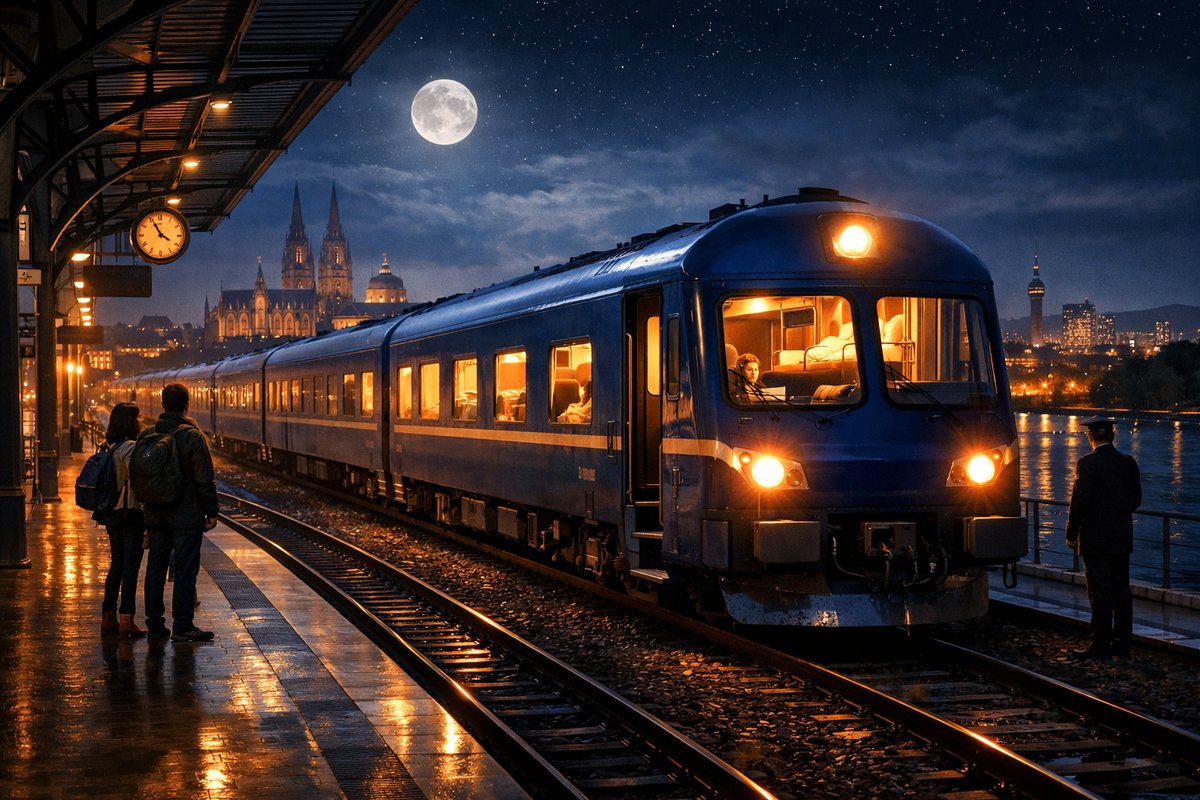
Once relegated to the margins of the continent's transport networks, night trains are staging a remarkable revival. With new routes, upgraded cabins, and a growing appetite for sustainable slow travel, these overnight journeys are reconnecting cities and inspiring a new generation of wanderers.
Europe’s rail map is witnessing a transformation after decades of decline in overnight services. Across mountain passes and coastal plains, new sleeper routes are weaving connections that were all but abandoned in the rise of low-cost airlines. From the Atlantic coast to the Balkans, operators are investing in refurbished cars, modern amenities, and expanded networks to meet resurgent demand. This sleeper renaissance is capturing headlines and hearts, inviting travelers to rediscover the romance and practicality of crossing the continent under starlit skies.
In the golden age of rail, night trains were the backbone of continental travel, ferrying passengers between capitals and remote towns without wasting daylight hours. But by the 1970s and 80s, many of these services vanished as faster jets and budget flights reshaped travel habits. Sleeper cars were retired, tracks repurposed, and stations shuttered. The dream of sliding into a private berth at dusk and waking in a new country drifted into memory-until now.
Climate concerns and a desire for slower adventures are fueling a shift in how people move across regions. Rail emissions per passenger are dramatically lower than short-haul flights, and overnight journeys pack lodging and transport into one sustainable package. In the midst of international climate pledges and carbon-neutral targets, policymakers and travelers alike are seeking transportation that aligns with environmental and experiential values. Night trains fit the bill by cutting CO2 while offering a chance to unwind, read by lamplight, or drift to sleep as tracks hum beneath the wheels.
Statistics from recent seasons illustrate the momentum behind this revival. Data collected by a European rail association shows ridership on sleeper services jumped by nearly 20 percent over twelve months. Some key corridors report even sharper increases: the route between northern Germany and the Alps saw passenger numbers double, while an overnight link from the Low Countries to the Iberian Peninsula attracted record bookings. Analysts attribute this surge to coordinated marketing, flexible ticketing options, and a growing preference for meaningful, unhurried travel experiences.
Central European carriers have led the charge, introducing new night train offerings that reconnect cities once severed from direct overnight links. Travelers can now board in a historic capital at dusk and wake in another nation’s vibrant capital by dawn, avoiding airport queues and the disorientation of long-haul flights. Western routes have followed suit, with coastal connections uniting peninsulas and islands. In the Mediterranean, partnerships between regional operators are reviving services that were dormant for decades, granting access to remote seaside towns in a single overnight hop.
Beyond the expanding network, comfort and convenience have been elevated to rival boutique hotels. Passengers choose from shared compartments with bunk beds, two-person cabins with en-suite washbasins, or luxury suites complete with private lavatories and power showers. A growing number of cars feature communal lounges where visitors can gather for drinks and small plates, as well as observation decks with panoramic windows for sunrise views. These spaces foster camaraderie among globetrotters and transform travel time into a social highlight.
Digital nomads and remote workers are taking notice, booking sleeper berths to cover long distances without losing productive hours. A quiet berth becomes a mobile office by day and a cozy bedroom by night. Some services have started offering high-speed Wi-Fi, fold-out desks, and power outlets in cabins to cater specifically to this group. The concept of “workcation” gains new momentum when the commute includes crossing mountain ranges or coastlines under cover of darkness.
Family travel has also found a fresh footing on night trains. Parents appreciate that children can rest through the journey, avoiding the boredom of confined seats on daytime services. Dedicated family compartments offer bunk configurations and extra space for a stroller or luggage. A small-scale dining service provides breakfast in bed or a morning coffee just before arrival. These thoughtful touches turn a potentially stressful leg into a calm prologue to the family itinerary.
Adventure cyclists and hikers are tapping into the resurgence as well. Many night trains now include bike racks in dedicated cars, allowing riders to cover long distances overnight before disembarking with their gear at a trailhead. By combining pedal power with sleeper travel, outdoor enthusiasts can piece together multi-destination routes that span countries and natural reserves, all without hauling equipment on crowded daytime services.
Pet owners, too, are finding new freedom. A growing number of operators have introduced pet-friendly compartments or designated spaces where small animals can travel in carriers. This signals a shift toward inclusive travel that recognizes pets as family members rather than luggage to arrange separately. Rules vary by route, but most services now allow well-behaved animals under collar and leash or in approved carriers, making spontaneous cross-border road trips less necessary.
Technology integration has kept pace with comfort upgrades. Modern sleepers boast QR-code ticket boarding, contactless payments at the café car, and digital information screens displaying real-time arrival estimates. Reservations can be made via mobile apps that show available cabin types, add-on services like linen or breakfast trays, and optional luggage handling. For travelers, this means a seamless experience that blends digital planning with the analog charm of nighttime rail.
Despite the optimism, challenges remain. Demand often outstrips supply on popular routes, and advance booking windows can be narrow or sold out months ahead. Pricing strategies vary-some operators lean on dynamic fare models similar to airlines, while others offer flat rates for low, mid, and high seasons. Navigating these differences requires research and flexibility. Additionally, regulatory hurdles around cross-border rail operations and track access fees continue to complicate efforts to launch new long-haul connections.
Look to the horizon, and more routes are on the drawing board. Proposals include a direct sleeper train linking northern Scandinavia with southern Europe via the Baltics, as well as revived lines through the Balkans that would unlock untapped cultural hotspots. Discussions are underway to integrate sleeper services into continent-wide rail passes, making multi-segment journeys more affordable and appealing to rail explorers.
Planning a night train trip today involves a few key steps: choose your corridor, compare cabin classes, book as early as possible, and check luggage and bike policies in advance. Consider travel insurance if your itinerary spans multiple operators, and pack for both comfort and convenience-layer up for cooler temperatures at altitude, bring earplugs or a travel pillow, and keep essentials like chargers within easy reach.
Overnight rail journeys are more than a way to cover distance while you sleep; they invite travelers into a different rhythm. The gentle sway of the carriage, the soft click of wheels on steel, the slow emergence of dawn over a new landscape-all contribute to an experience that lingers long after arrival. As Europe’s night trains sparkle back to life, each sleeper cabin becomes a small realm of discovery and reflection, proving that how we travel can shape what we discover both outside and within.