Location
Mount Vernon, WA 98274

Location
Mount Vernon, WA 98274
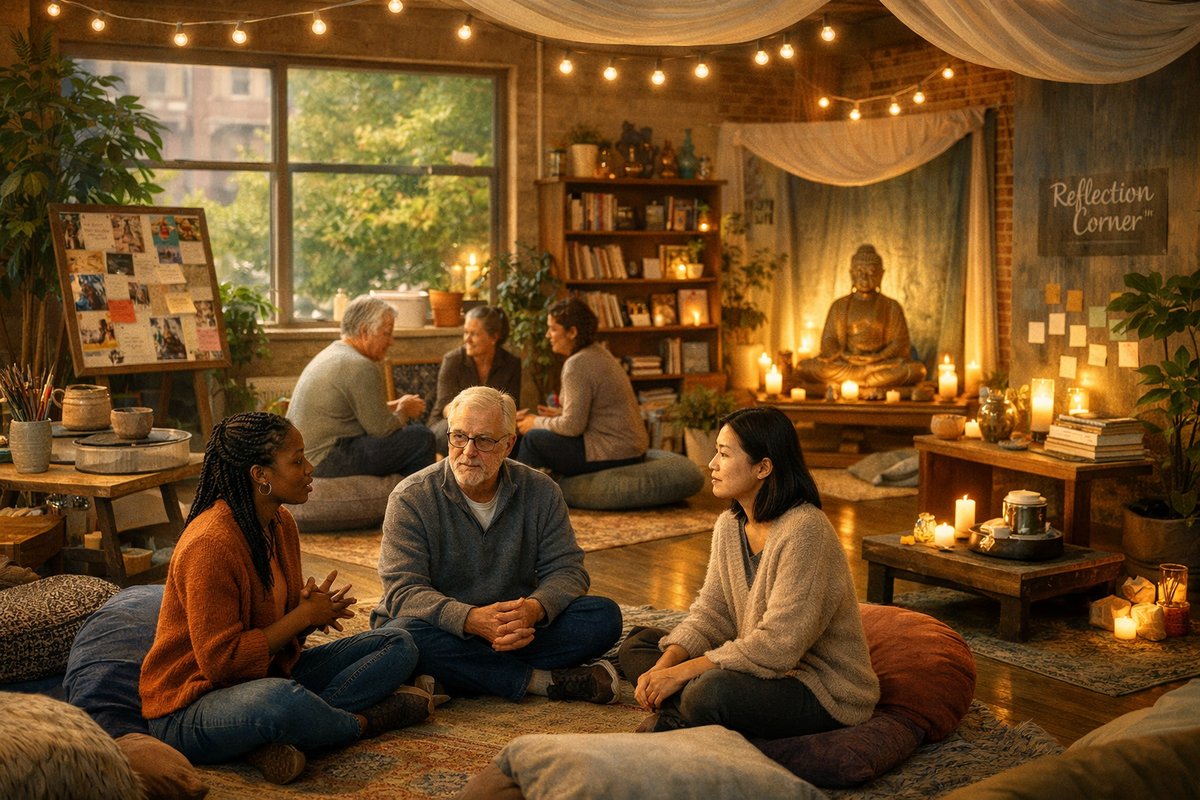
Across urban neighborhoods, repurposed spaces known as community reflection hubs are offering a gentle refuge for those grappling with disappointment and loss. By combining creative tools, peer-facilitated circles, and a welcoming environment, these initiatives help individuals reframe failure as a catalyst for renewed purpose.
In the heart of a downtown park sits a refurbished shipping container painted in soft pastel hues. Inside, low benches circle a communal table stocked with notebooks, colored pencils, and houseplants thriving in hanging pots. A sign at the entrance reads “This Is a Space to Share and Grow.” This container isn’t a cafe or a gallery-it’s one of the latest community reflection hubs sprouting across the city. Here, people gather to explore personal setbacks, create together, and discover that failure can seed something stronger than before.
Modern life can feel like a relentless race of milestones and achievements. Social media highlights the polished victories, while the quieter struggles go unseen. In recent years, a coalition of mental health practitioners has noticed a spike in loneliness and self-doubt, especially among young adults navigating economic uncertainty. Inspired by grassroots creativity and a desire to rebuild trust in public spaces, activists and urban planners began experimenting with places where vulnerability is embraced, not hidden. These sites are designed to honor the human experience in motion-capturing the ache of failure and celebrating the quiet courage to rise again.
One of the earliest experiments opened in a repurposed storefront near a busy transit hub. The facade is adorned with a mosaic of recycled glass and mirror shards, each piece contributed by someone who has visited the space. Inside, acoustic panels soften traffic noise, while floor cushions and poufs encourage visitors to gather close. Volunteers trained in empathetic listening guide small storytelling circles every afternoon. A community collage wall offers a tactile outlet for those who prefer art over words, and an old record player spins ambient tracks that fade when someone chooses to speak.
Another reflection hub took a mobile approach. A retrofitted city bus now rolls through underserved neighborhoods, parking at community centers, schoolyards, and senior living complexes. Its interior features adjustable desks, a self-serve tea station, and a tiny recording booth wired for private audio diaries. Passengers can step inside without appointment, pick up a reflection prompt tucked inside a pocket notebook, and spend as little or as long as they like. Organizers report that by bringing the hub to the street, they reach neighbors who might never walk into a designated wellness space.
These experiments rest on simple design principles: accessibility, sensory comfort, and creative empowerment. Entry is free and open to all ages and backgrounds. Lighting is warm but indirect, reducing glare and creating an intimate atmosphere. Furnishings-often sourced from local thrift shops or donated by community members-include soft lounge seating, rugs, and low tables. Biophilic elements-potted ferns, succulents, and simple floral arrangements-help visitors feel grounded. Writing materials, art supplies, and affordable audio recorders are freely available, allowing each person to choose the medium that best suits their temperament.
A recent survey conducted by a network of these hubs found that more than 70 percent of participants reported a measurable decrease in feelings of isolation after just two visits. Nearly two-thirds said they felt more confident about pursuing new projects, and more than half began caring for a personal creative practice-whether through journaling, drawing, or recording spoken reflections. These numbers underscore a powerful trend: when individuals find safe places to process setbacks alongside others, they cultivate resilience that extends far beyond the hub’s walls.
Participants’ stories illustrate this transformation. A young entrepreneur who faced her second startup collapse in six months walked into a reflection container with fertile doubt. By sharing her story aloud, she discovered that her peers had weathered similar disappointments. Encouraged, she flipped through collage supplies and created a vision board for her next phase-one that honored lessons learned rather than dwelling on losses. Months later, she launched a community marketplace for local makers, crediting the reflection hub with shifting her perspective from shame to curiosity.
In another hub, a retiree grappling with the loss of a longtime partner found solace in the mobile bus. He filled pages of prompts about gratitude and regret, then listened to his own voice playback in the audio booth. “Hearing myself talk about what really mattered gave me permission to grieve,” he said. On his third visit, he contributed a small terracotta pot to the hub’s plant collection, nurturing a symbol of growth amid hardship. His act inspired others to bring snacks, poems, and even a secondhand record to share. Small contributions multiplied into a tapestry of communal care.
For cities and neighborhoods interested in launching their own reflection hubs, organizers offer practical guidance. Identify an underused or overlooked space-an empty storefront, shipping container, or portable trailer. Partner with local nonprofits, arts collectives, or health centers to provide basic training in facilitation and trauma-informed listening. Host donation drives or collaborate with community thrift stores to source furniture and decor. Curate a simple toolkit of materials-journals, pens, colored pencils, scissors, glue sticks, and blank postcards. Build a flexible schedule of drop-in hours and group sessions to accommodate diverse schedules.
Funding and sustainability can pose obstacles, but many hubs find solutions through sliding-scale donations, occasional grant applications, and in-kind support from local businesses. To mitigate facilitator burnout, rotating volunteer shifts and peer mentorship programs help distribute the emotional labor. Periodic community fundraisers-potluck dinners, open mic nights, and street fairs-foster a sense of shared ownership and replenish supplies. Over time, reflection hubs can become woven into the fabric of neighborhood life, just as libraries or community gardens do.
What emerges from these spaces is more than creative expression-it’s a quiet solidarity rooted in the universal experience of setbacks. In an era often defined by individual achievement and highlight reels, reflection hubs reclaim the value of shared humility. They remind us that failure is neither shameful nor isolating; it is a threshold to collective wisdom and compassion. Each drawing, journal entry, and spoken word becomes a stitch in a communal tapestry of hope.
As the city skyline glows at dusk, visitors gather one last time around a low table. Tea steams in cups shaped like hand-carved bowls. Laughter bubbles up from a fresh memory, and someone carefully places a new glass shard into the mosaic near the door. In that moment, the hub’s mission is plain: to honor our fragile moments, to hold space for raw honesty, and to rise together from disappointment into shared strength.