Location
Mount Vernon, WA 98274

Location
Mount Vernon, WA 98274
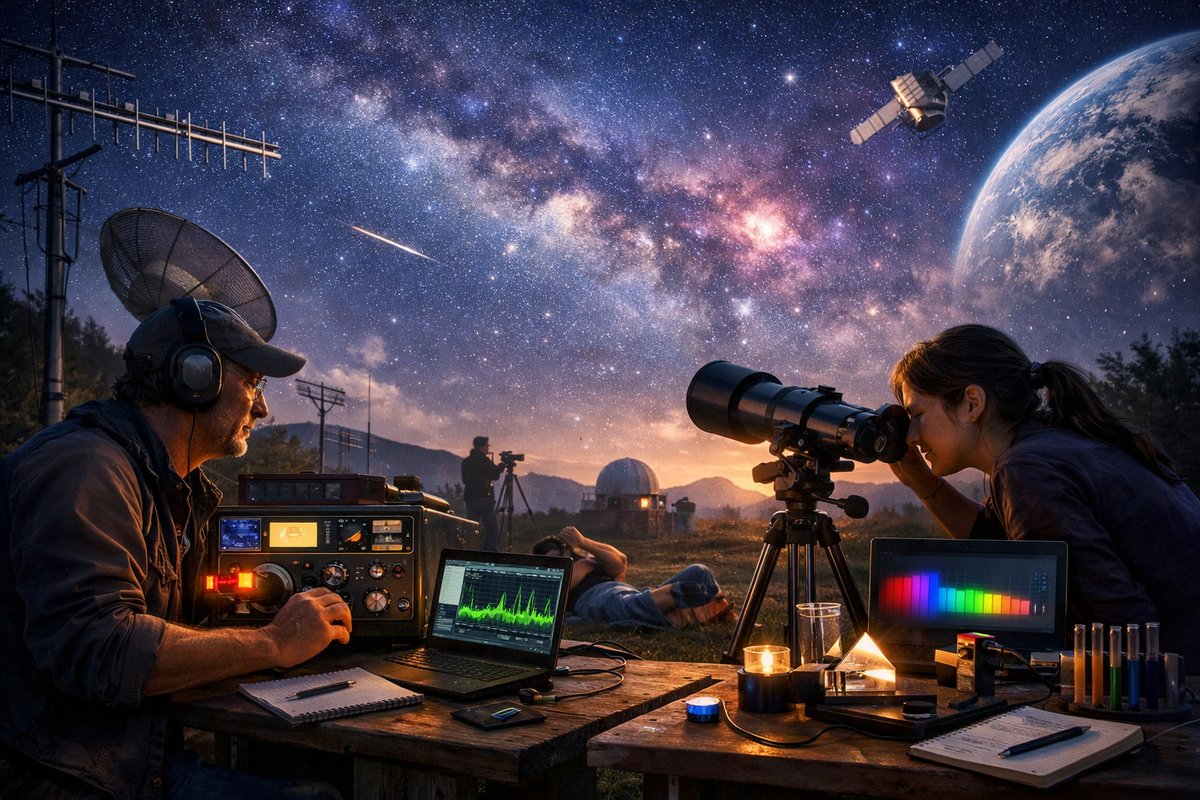
From backyard radio receivers to DIY spectrometers, a new wave of citizen scientists and curious dreamers are discovering the universe on their own terms. This grassroots renaissance is reshaping how we connect with the cosmos and inspiring fresh questions about our place in the vast expanse.
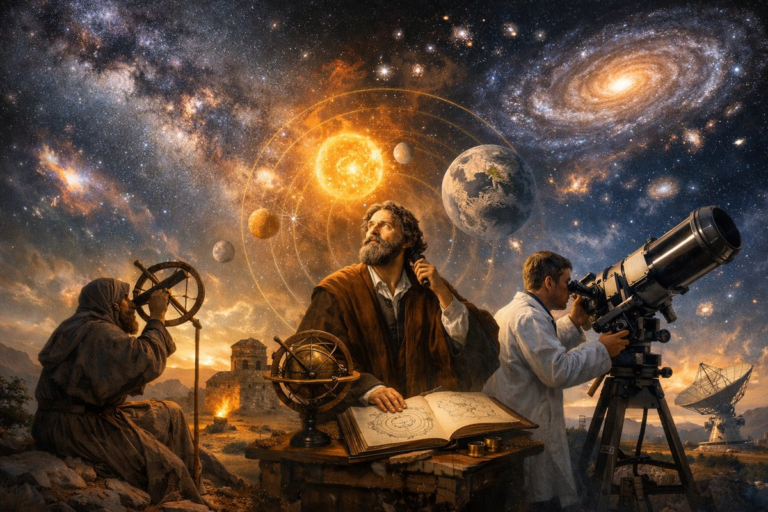
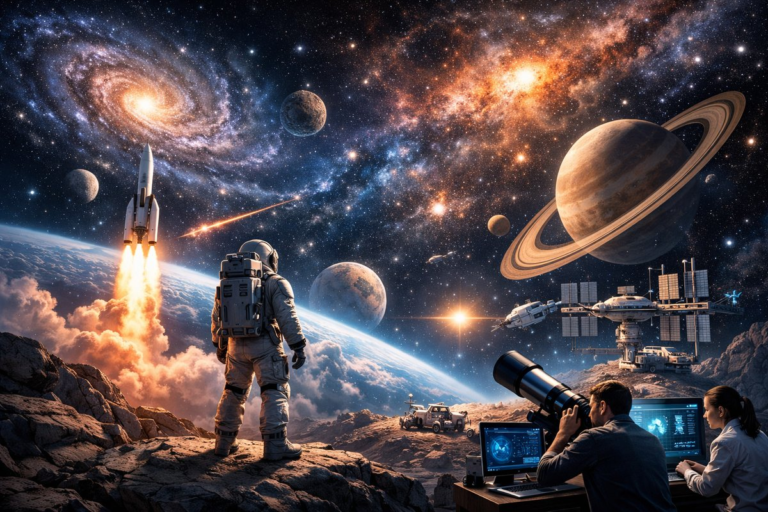
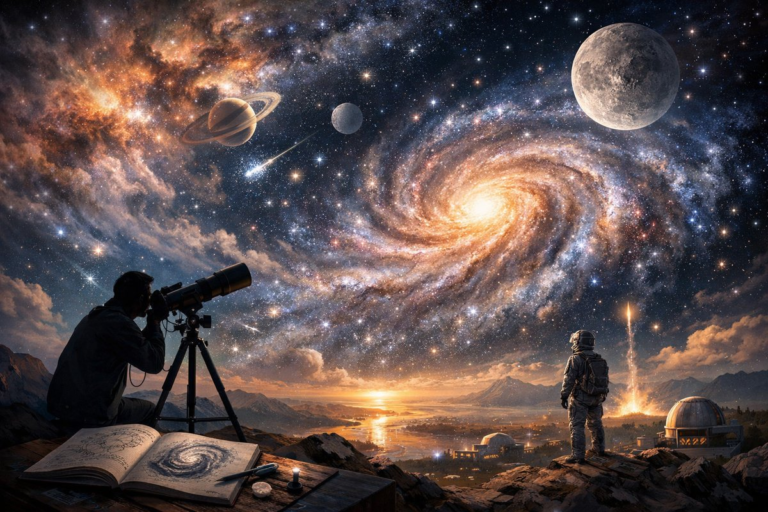
Long after the last professional observatory in the neighborhood brushstrokes its silhouette against the night sky, a hum of excitement still ripples through urban backyards and remote cabins alike. Fueled by affordable gear and an insatiable hunger to understand the universe, a new generation of cosmic enthusiasts is tapping into signals, images, and whispers from the deep cosmos. They aren’t waiting for breakthroughs from distant space agencies – they’re forging their own path with a DIY spirit that’s rewriting what it means to be a modern stargazer.
What began as amateur astronomy’s familiar hobbyist phase has morphed into something more electric and unpredictable. Last spring, a small group of high school students in a rural town converted an old satellite dish into a makeshift radio telescope. Their jury-rigged receiver picked up interference patterns not listed in public databases, sparking a regional race to decode the cosmic chatter. Nearby, digital artists are mapping meteor showers with open-source software and projecting those patterns onto sculptures that pulse with every cosmic strike. The effect is less “science fair” and more “immersive cosmic carnival.”
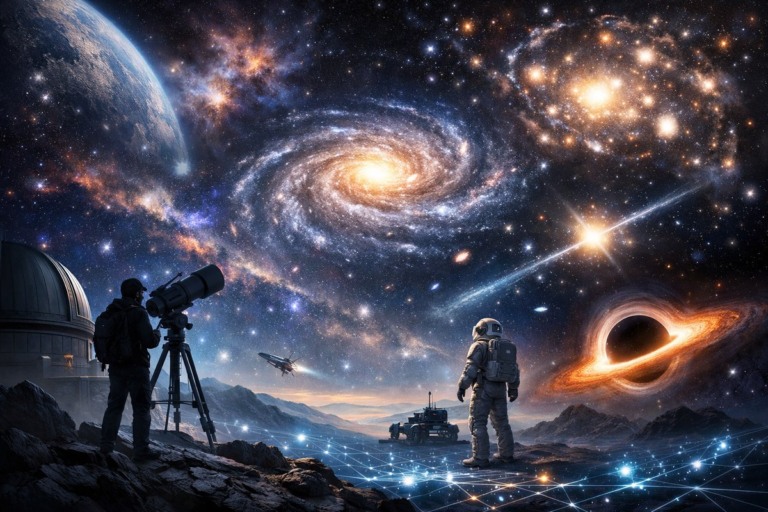
At the root of this grassroots uprising lies a broader shift in how knowledge is built and shared. Once siloed inside university labs and research grants, data streams from professional observatories are now as accessible as livestreams of rocket launches. Open archives deliver terabytes of raw images from lunar landers, and archived recordings of pulsar beats provide fodder for homebrew signal-processing experiments. Instead of competing labs locked behind paywalls, citizen scientists collaborate on public code repositories, collectively refining algorithms that hunt for exoplanet transits or the fingerprint of dark matter filaments.
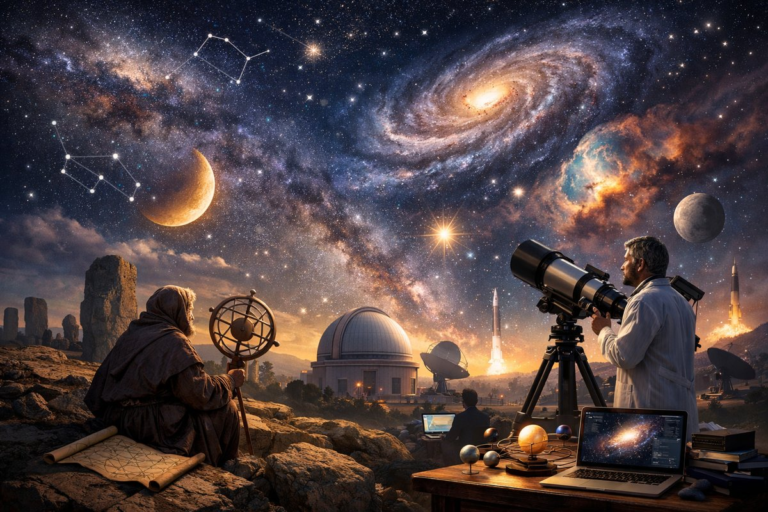
Equipped with entry-level telescopes and USB-connected spectrometer kits, everyday explorers are probing the chemistry of starlight. By splitting incoming photons into spectral bands, they’re identifying elements in distant nebulae and even tracking changes in solar activity. These pocket-sized spectrometers, once a staple of university teaching labs, now sell for less than the cost of a good pair of binoculars. The result is a democratized glance at cosmic composition that rivals mid-century research setups.
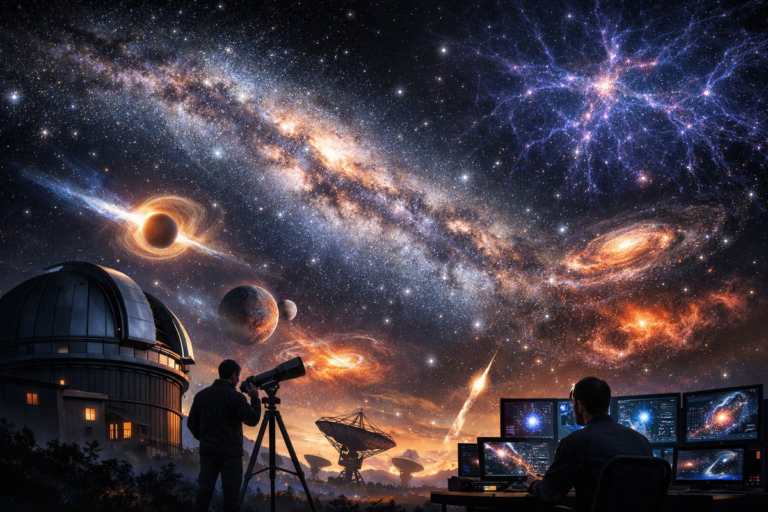
Parallel to these optics-based experiments, a wave of radio-wave hunters is reclaiming portions of the spectrum once reserved for seasoned professionals. From hissing sunspot storms to the faint echo of Jupiter’s magnetosphere, radio-listening enthusiasts craft antennas from repurposed satellite dishes, tin cans, and even 3D-printed parts. Tuned to frequencies often drowned out by urban noise, they’ve captured the subtle crackle of coronal mass ejections and mapped the shifting rhythms of cosmic radiation. Some hobbyists have gone further, forming local mesh networks that share real-time radio data with enthusiasts a continent away.
This real-time data sharing is the secret sauce fueling collaboration. Within online forums and chat channels, a report of an unusual solar flare can send dozens of participants rushing to align their instruments. Screenshots of waterfall plots and spectrograms flash across windows, tagged with geo-coordinates and timestamps. When an unexpected anomaly pops up, everyone jumps in to cross-verify. It’s a cosmic flash mob, breaking the boundaries of geography and institutional hierarchy.
Virtual reality has added another layer of immersion to this cultural shift. Custom VR sky domes allow users to step inside volumetric renditions of the Milky Way, swim through the arms of spiral galaxies, or stand on the surface of a rotating neutron star as radio pulses sweep past. Some developers have even layered live data feeds into these experiences, enabling participants to “touch” real-time cosmic events. Imagine grasping a virtual representation of solar wind gusts as they buffet Earth’s magnetic field. It’s the kind of visceral engagement that turns abstract data into an emotional encounter with the universe.
Underpinning these technological marvels is a renewed emphasis on curiosity-driven exploration. Rather than chasing media-friendly headlines, citizen projects often focus on tiny, neglected niches – mapping the brightness fluctuations of faint variable stars, cataloging dust storms on Mars from archived orbiter footage, or analyzing archived cosmic-background maps for subtle asymmetries. These pursuits may not make splashy news, but they push our collective knowledge forward and remind us that discovering the unexpected can happen at any scale.
Environmental awareness has also woven its way into the fabric of this movement. Observers in coastal regions track bioluminescent plankton blooms from orbiting satellites, correlating those readings with local water-quality measurements. Others monitor how light pollution evolves as cities install more LED streetlights. By recording the changing visibility of the Milky Way from different vantage points, they build time-lapse records that inform urban-lighting policies and raise public awareness about sky-darkening.
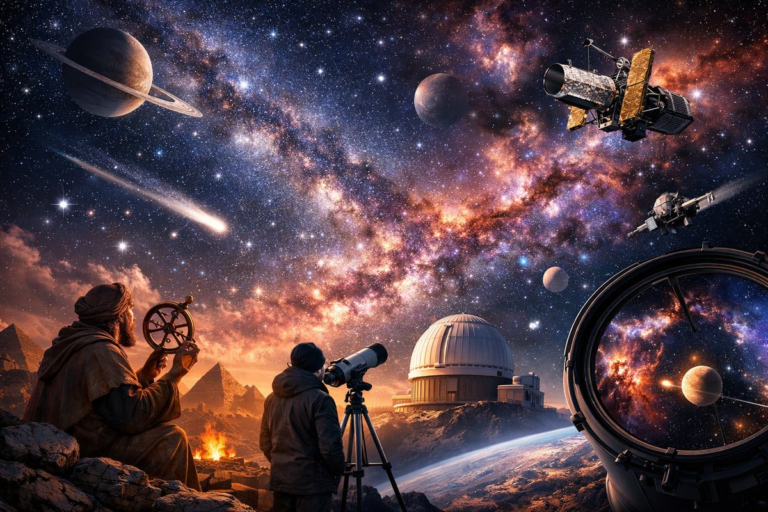
All this grassroots effort is reshaping how professional researchers view their role. Many space agencies now invite citizen proposals for small experiments piggybacked on larger missions. Occasional joint campaigns pair networked backyard telescopes with large observatories during eclipses or meteor showers. The line between “amateur” and “expert” is blurring, and some of the most exciting discoveries now emerge from cross-pollination between professional teams and homegrown initiatives.
The emotional resonance of this cosmic renaissance runs deep. For a parent watching their child track a supernova candidate on screen, or a retiree piecing together a DIY spectrometer in their garage, the universe feels less like an abstract canvas and more like an invitation. Every minor success – a clean spectrum line, a captured meteor echo, a new star chart mapping – carries the thrill of participation in something vast and timeless.
Perhaps most importantly, this resurgence reminds us that cosmic curiosity is a human inheritance, unwired by status or credentials. Whether coaxed by a simple star chart taped to a patio table or guided through complex VR renderings, the act of gazing upward transforms our perspective. It rekindles our sense of wonder and reminds us that exploration isn’t only about conquering distance – it’s about forging connections between people, data, and the boundless theater of space.
In living rooms and community centers, garage workshops and online forums, the future of cosmic exploration is unfolding in real time. Each DIY dish, each spectral breakdown, each tender VR moment adds a thread to a collective narrative that spans generations. And while professional observatories will always play a crucial role, the true spark of discovery often lights up closer to home – in the minds and hands of curious souls daring to listen, look, and dream beyond the telescope.
Return to the backyard, power up the spectrometer, and imagine yourself catching the next whisper from the stars. The cosmos is calling, and everyone is invited to answer.