Location
Mount Vernon, WA 98274

Location
Mount Vernon, WA 98274
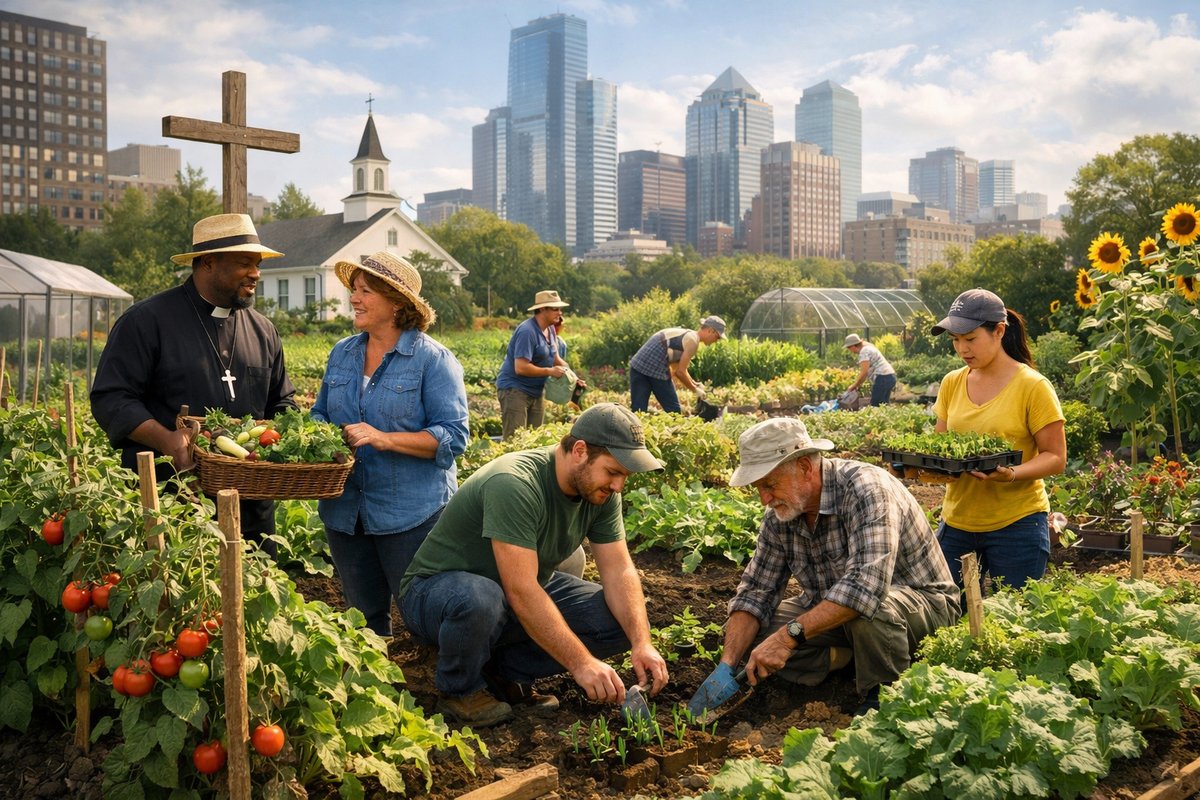
In cities grappling with rising food insecurity, a growing network of Christian congregations is transforming vacant lots into productive urban farms. Through shared stewardship, volunteers and faith leaders join forces to sow seeds of hope, sustainability, and community resilience.
Across metropolitan neighborhoods where fresh produce is scarce and rising grocery prices weigh heavy on family budgets, Christian congregations are answering a pressing call: to feed both bodies and souls. In the past year, more than 40 churches and faith-based organizations in 15 cities have broken ground on urban farms and community gardens, turning underutilized land into flourishing plots of vegetables, herbs, and fruit trees. This grassroots movement is part agricultural initiative, part ministry of presence-offering nutritious food, gardening education, and a tangible expression of care for neighbors in need.
These church-led farms vary in scale and design. In one community, parishioners have converted a vacant lot into raised beds overflowing with kale, tomatoes, and peppers. In another, a historic churchyard now shelters rows of blueberry bushes, accompanied by picnic tables where volunteers can share meals and stories. Some congregations partner with local chefs to turn harvests into prepared meals for food pantry recipients; others host hands-on workshops, teaching children and adults alike how to grow their own food at home.
“Gardening is ministry,” says Pastor Elaine Monroe of New Life Fellowship, which oversees a half-acre urban farm on the city’s west side. “When we plant seeds, we’re planting hope. We’re showing that faith isn’t just spoken in prayer-it’s lived in the dirt and sweat of serving neighbors.” Her congregation’s garden yields over 2,500 pounds of produce each season, distributed free to local families and nonprofit partners.
Data from the United States Department of Agriculture shows that one in eight households struggles to afford sufficient groceries. Urban areas, where affordable fresh produce can be scarce, suffer the highest rates of food insecurity. By tapping vacant land owned by churches or by leasing lots at low cost, faith communities are filling a gap in the local food system, while also inviting volunteers of all ages and backgrounds into acts of shared stewardship.
Sustainability lies at the core of these projects. Composting stations reduce food waste, while rainwater harvesting systems irrigate crops with minimal utility costs. Some congregations have installed beehives to support pollination and promote biodiversity. Educational programs teach participants about organic growing methods, soil health, and seed saving-skills that extend far beyond a single harvest.
“People learn more in the garden than they do by reading a handbook,” notes Ricardo Torres, a master gardener and volunteer coordinator at Harvest Light Church’s Community Orchard. “They discover patience, responsibility, and the reward of tending something over time. And they realize that small actions-like turning compost-can have a big impact.”
The ripple effects reach into congregational life as well. Youth groups help with planting and harvest events, forging intergenerational connections and deepening commitment to service. Worship gatherings incorporate blessings of the land and prayers for the harvest, blending spiritual practice with environmental care. Some churches report that members who once felt disconnected from church life have returned to serve in the garden, rediscovering a sense of purpose.
Inter-denominational collaboration is another hallmark of this movement. In several cities, Lutheran, Baptist, Episcopal, and non-denominational churches have formed coalitions to share resources, expertise, and distribution networks. By presenting a united front, they’ve attracted grant funding from local governments and foundations eager to support healthy food access. One such coalition secured a city grant to purchase a commercial-grade cooler and delivery van, ensuring that perishable produce reaches neighborhood food pantries before spoilage.
Despite the encouraging momentum, challenges remain. Zoning regulations, water access permits, and liability concerns can slow progress. Some congregations lack the technical know-how to design effective irrigation systems or navigate soil testing requirements. To address these barriers, faith-based nonprofits and local extension offices are offering pro-bono consulting, workshops, and shared tool libraries. Knowledge exchange is happening not only within church walls, but also among urban farmers, college students, and municipal officials.
Experts emphasize that the impact of these church farms goes beyond calories delivered or pounds harvested. They promote mental and emotional well-being, providing volunteers with a peaceful place to work outdoors, reflect, and connect. Studies have shown that gardening can reduce stress and improve mood, benefits that resonate deeply in communities facing economic hardship and social isolation.
“People come to the garden feeling burdened,” reflects volunteer coordinator Maria Delgado. “By the end of their shift, they’re smiling, they’re talking, they’re hopeful. That transformation is as important as the tomatoes we harvest.”
Looking ahead, many congregations are setting ambitious goals. Some aim to expand into rooftop gardens, hydroponic systems, or greenhouse facilities, extending growing seasons and diversifying crops. Others plan to launch social enterprises-selling value-added products like pickles, jams, or dried herbs at farmers’ markets, with proceeds funding further community outreach.
Leaders stress that while the vision is big, the work begins simply-with a spade in the ground, a packet of seeds, and a shared commitment to love one’s neighbor. As more churches join the movement, a network of urban farms powered by faith continues to grow, sowing resilience where it’s needed most.
In a time when headlines often focus on division and despair, these gardens stand as living testimony to the power of collaboration, compassion, and creative stewardship. For congregations committed to putting belief into action, cultivating the soil has become a vibrant expression of faith-one that feeds bodies, nourishes spirits, and plants seeds for a more just and caring world.