Location
Mount Vernon, WA 98274

Location
Mount Vernon, WA 98274
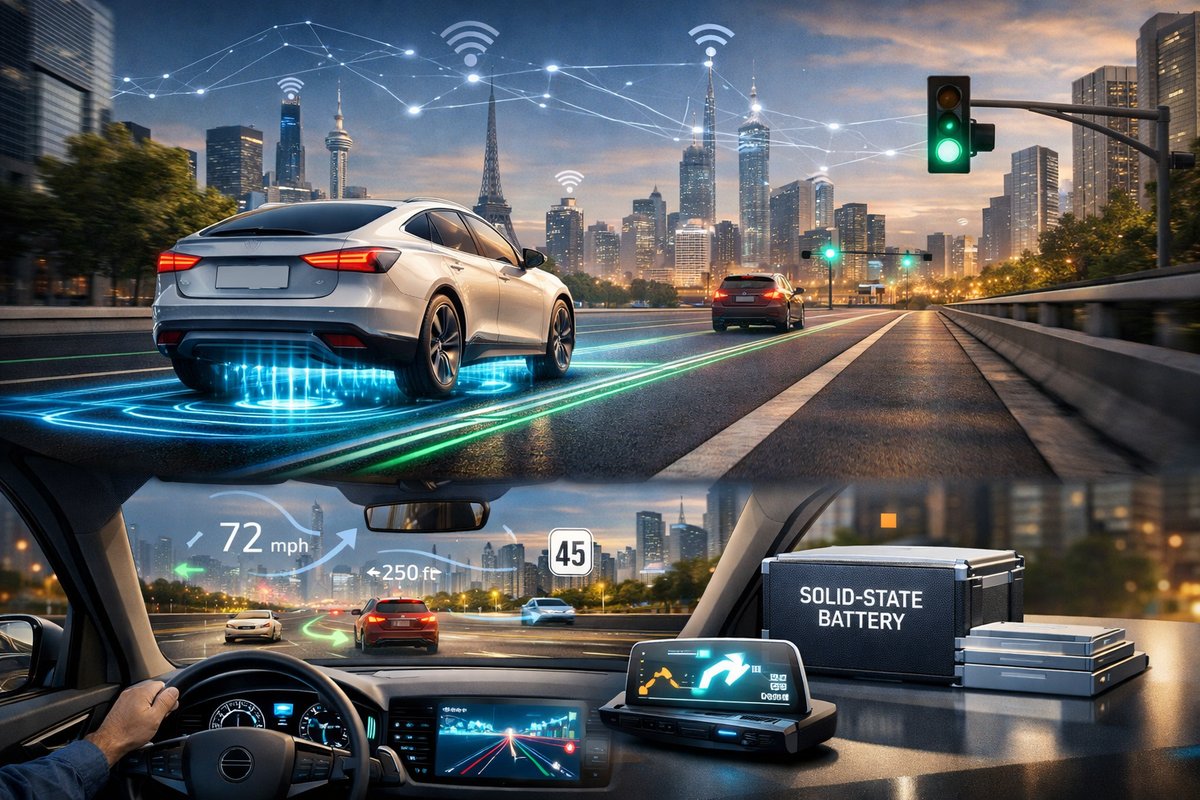
Cities around the world are testing wireless in-road charging lanes and vehicular networks that blend electrification with real-time data. Meanwhile, emerging solid-state batteries and aftermarket head-up displays are reshaping driver experiences, marrying nostalgia with cutting-edge connectivity. This article dives into the pilot programs, material breakthroughs, and accessory ecosystem poised to drive mobility into its next era.
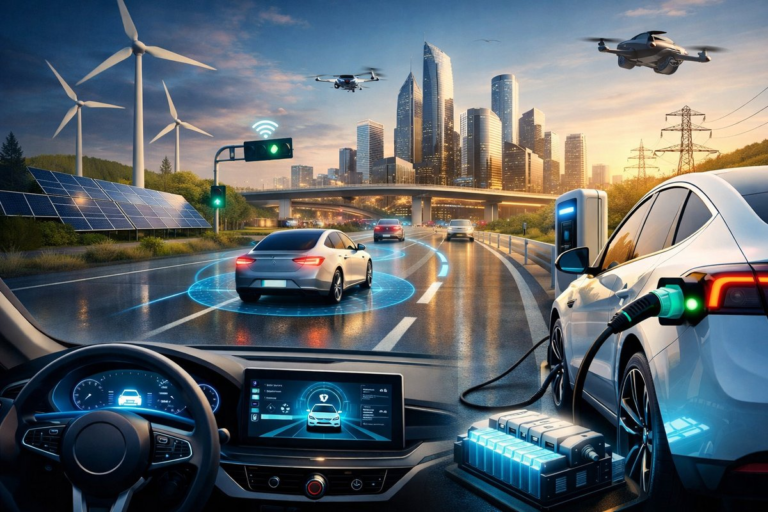
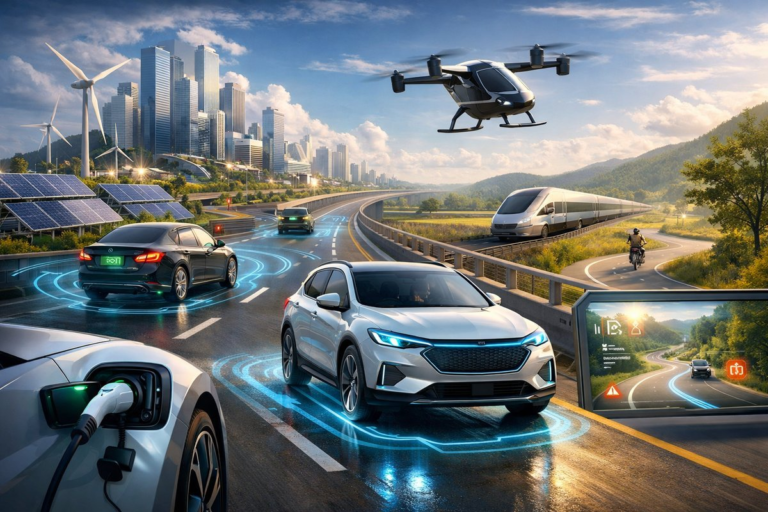
In the suburbs of a Scandinavian capital, a stretch of asphalt now doubles as a wireless charging highway. As electric vehicles glide over embedded coils beneath the road surface, energy transfers invisibly-from ground to battery-without so much as a tethered cable. This pilot program aims to overcome one of the most persistent barriers to widespread electric transportation: range anxiety. By turning pavement into power, transportation planners hope to turn long highway stretches into rolling charging corridors.
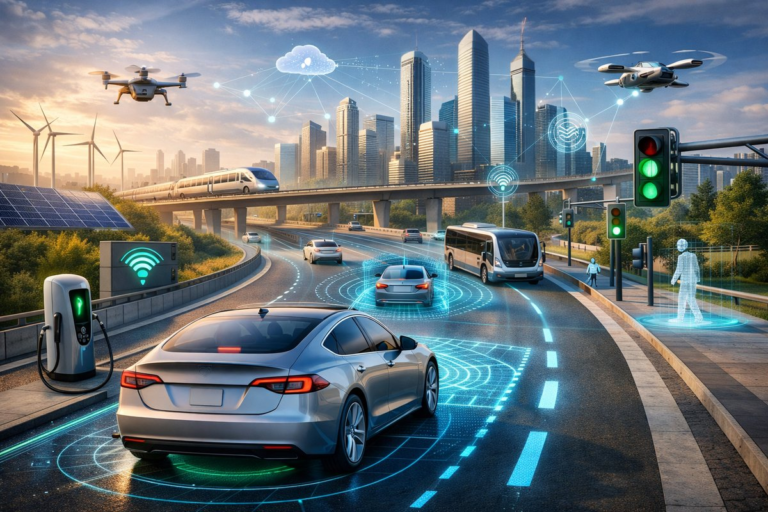
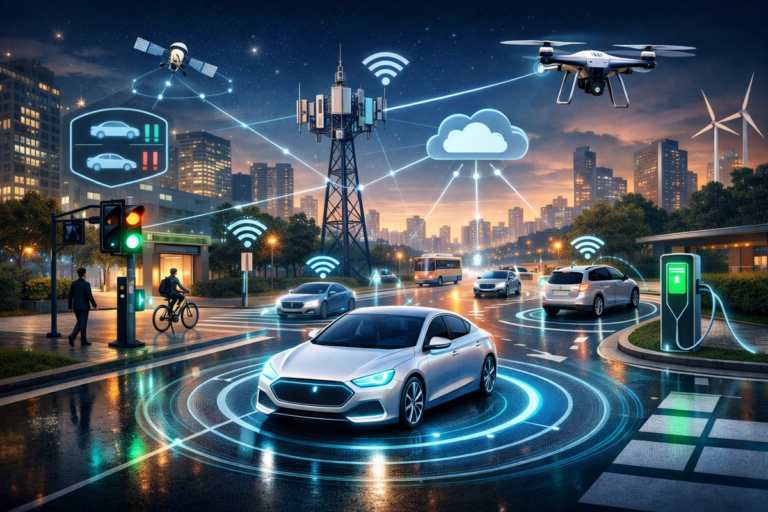
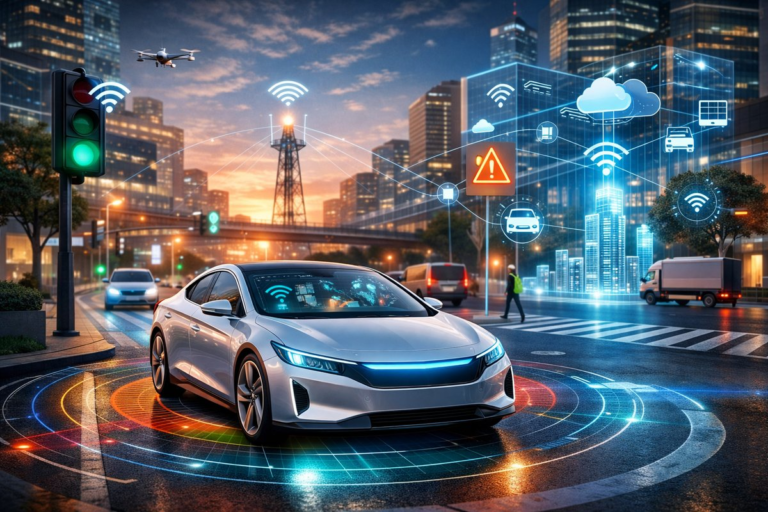
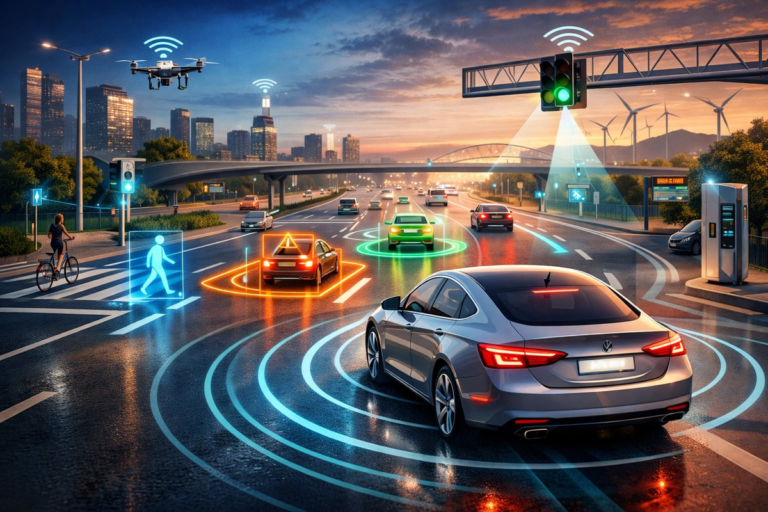
Connectivity is evolving in parallel. Vehicle-to-everything (V2X) networks that once seemed confined to research labs are rolling out in small clusters of smart intersections. Roadside sensors broadcast traffic and signal timing directly to onboard computers, allowing adaptive cruise control and collision-avoidance systems to anticipate red lights or slow trucks miles down the line. In Tokyo’s urban core, buses already use encrypted V2X channels to weave through gridlock, adjusting speeds in real time to maintain schedules and reduce fuel consumption.
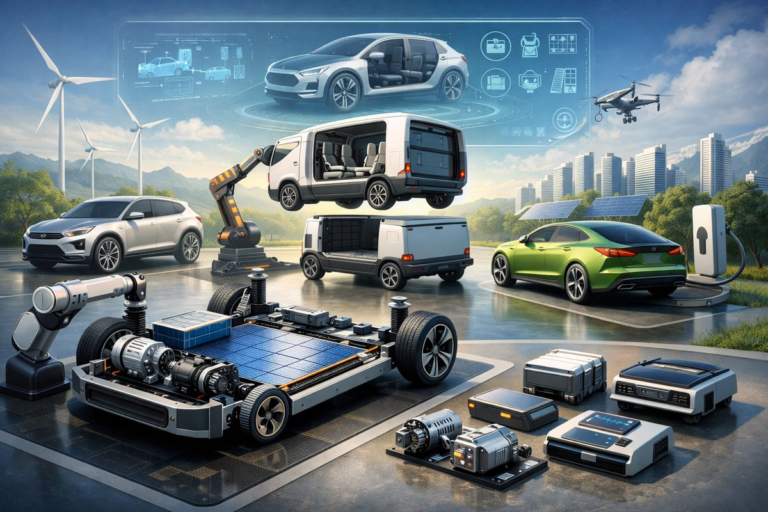
Behind these developments lie two technological bedrocks: advanced power electronics and next-generation battery chemistry. Power inverters and control units have shrunk drastically, thanks to silicon carbide semiconductors that operate more efficiently at higher voltages and temperatures. This efficiency gain reduces energy loss in both stationary chargers and on-board converters, making in-road charging and fast DC stations more practical. At the same time, researchers are racing to commercialize solid-state batteries with ceramic electrolytes-promising higher energy density, faster charging, and a lower risk of thermal runaway. Early production cells are expected in limited fleets by mid-decade, with mainstream adoption soon after.
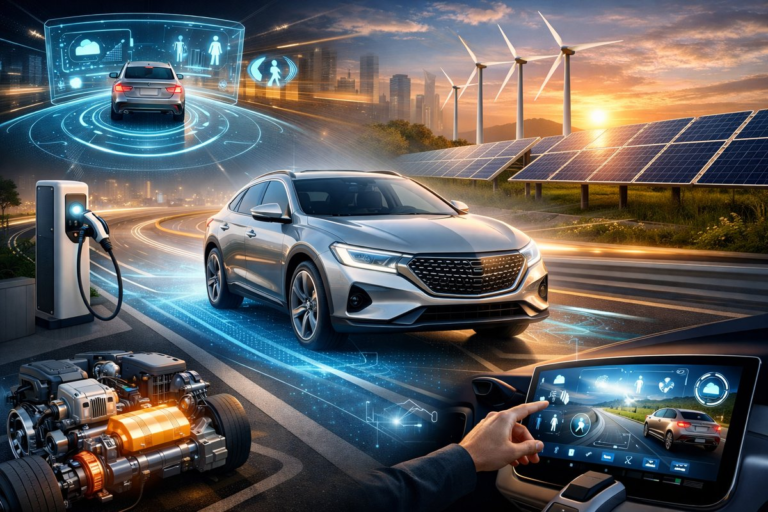
For drivers, these deep technical shifts will be packaged in features that feel familiar-augmented reality heads-up displays, over-the-air (OTA) software upgrades, and intuitive mobile apps. A growing aftermarket ecosystem has emerged to retrofit older vehicles with digital speedometers and navigation overlays that project onto the windshield. These standalone HUD kits tap into the car’s OBD-II port for real-time data, offering turn-by-turn guidance and blind-spot warnings without the need to upgrade to a factory infotainment system.
OTA updates have become the norm in newer models, but even entry-level vehicles can now receive critical firmware patches. From traction-control tweaks to battery-management optimizations, distributors are rolling out updates in gigabyte-sized packages over cellular modems. This shift reduces recall costs and keeps safety features fresh-but it also raises questions about data security and privacy. Automakers are adopting encryption standards once reserved for banking networks, and regulatory bodies are drafting guidelines on ownership of vehicle-generated data.
Meanwhile, smart infrastructure is becoming more modular. Charging stations no longer rely solely on massive fixed cabinets; mobile charging trailers serve pop-up events, while solar canopies follow patterns of high daytime traffic. Some parking garages have installed vehicle lifts with inductive pads that automatically charge EVs parked above them. City planners debate whether to prioritize curbside charging or to prepare parking decks equipped with dynamic power rails-rail systems that automatically adjust voltage levels to match the vehicle’s onboard converter.
These infrastructure investments carry an environmental imperative, too. Photovoltaic arrays on rooftops and along sound barriers can feed microgrids that stabilize demand during peak hours. A small town in the American Midwest recently completed a community solar farm that not only powers streetlights but also offsets up to 20 percent of the energy drawn by local fast chargers. By pairing solar generation with bidirectional charging stations, vehicles can discharge back into the grid during blackouts or high-demand events, turning each car into a portable power bank.
Adoption curves vary widely by region. Scandinavian countries and pockets of Western Europe lead the way with high EV penetration and public-sector backing for wireless charging roads. In Asia, smart corridors with V2X-equipped traffic lights are thriving in metropolitan zones. North American cities are focused on scaling conventional DC fast-chargers, but pilot programs for dynamic charging lanes have begun popping up along freight routes, enabling diesel-netural semi-trucks to recharge on the move.
Beneath this wave of change is a human story. Road trips still carry emotional weight in every culture-moments of family bonding, friendship, and personal discovery. Vehicle makers are exploring ways to blend that nostalgia with modern convenience. Imagine an app that syncs childhood road-trip playlists, curates scenic charging stops, and automatically unlocks local attractions with a single tap. Such services rely on vast data partnerships between automakers, navigation providers, and small-town tourism boards.
In garages and home workshops, tinkerers are already experimenting with retrofits. Enthusiasts share step-by-step guides for installing aftermarket HUD systems, integrating solar panels into camper vans, and even converting classic cars to battery electric drive. Open-source communities publish code for custom battery‐management systems and vehicle simulators. As the hardware becomes more modular and standardized-thanks in part to common communication protocols-these DIY projects offer a glimpse into how flexible and distributed vehicle innovation can become.
Of course, challenges remain. Standardization across manufacturers and infrastructure providers is still a work in progress. Wireless charging coil alignments and communication handshakes vary by installer. Payment systems for on-road charging lanes need a unified billing framework. Cybersecurity standards are still catching up to ensure that OTA patches can’t be hijacked or spoofed. But each pilot program, each aftermarket accessory, and each firmware update brings us closer to a seamless blend of motion, memory, and meaning on four wheels.
As vehicles morph into connected platforms, highways become power conduits, and cities turn into living labs, the future of transportation is no longer just about moving from point A to B. It’s about creating an integrated ecosystem where energy, data, and human experience flow together. From pavement to power, the next generation of mobility promises to redefine not only how we drive but how we live, explore, and remember the roads we travel.