Location
Mount Vernon, WA 98274

Location
Mount Vernon, WA 98274
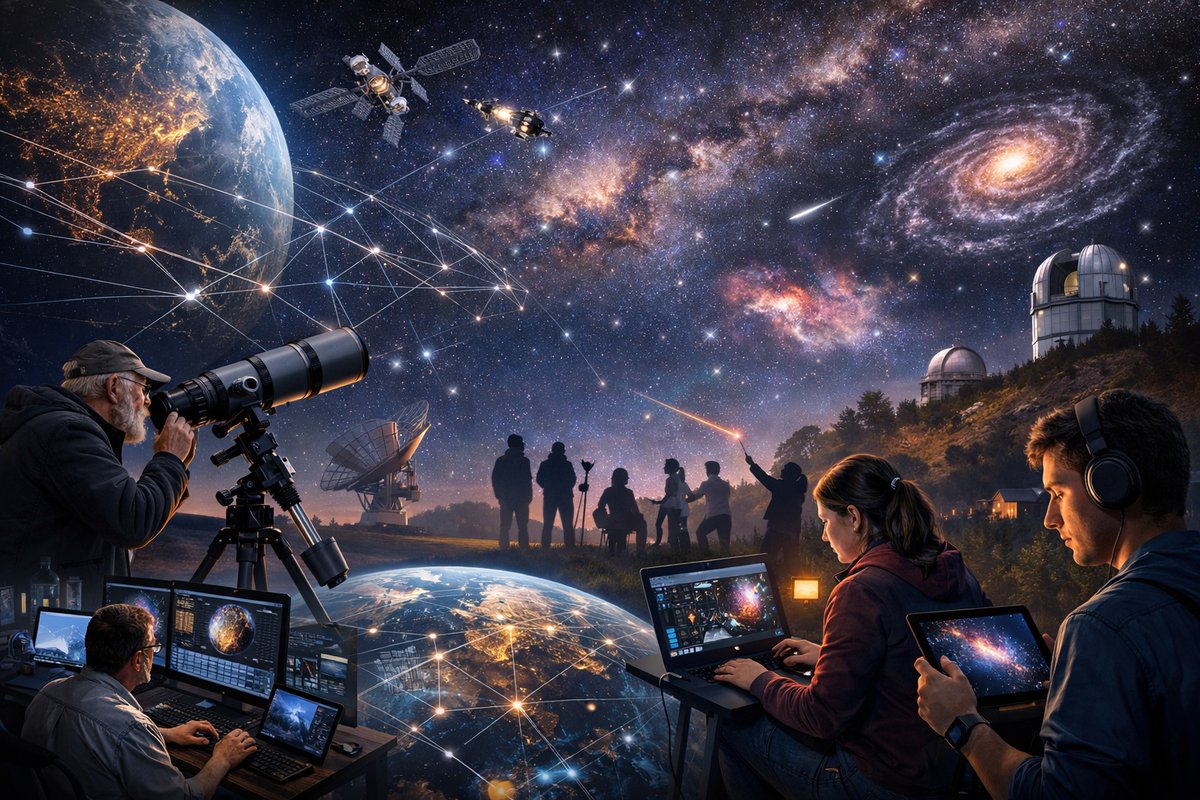
A growing constellation of citizen scientists, open-source networks and fresh discoveries is transforming amateur stargazing into a collaborative quest for cosmic insight. From backyard telescopes to global data streams, this movement is reshaping how we explore the universe and reminding us that every curious gaze upward can spark scientific breakthroughs.
A quiet revolution is unfolding across rooftops, open fields and urban parks as a new breed of skywatchers harnesses cutting-edge tools, community platforms and a spirit of shared wonder to deepen our understanding of the cosmos. Far from being content with occasional meteor showers or guided observatory tours, these amateur astronomers are linking arms with professionals, pooling observations in real time and scoring surprises that challenge traditional ideas about how science gets done.
This resurgence of cosmic curiosity is unfolding on multiple fronts. In one corner, a global citizen science initiative is inviting volunteers to track variable stars, minor planets and transient phenomena through a simple smartphone app. In another, backyard observatories armed with off-the-shelf telescopes and do-it-yourself spectrographs are feeding fresh data into public archives. Meanwhile, researchers at major institutions are tuning in to this grassroots chorus as they hunt for fast radio bursts, cosmic neutrinos and elusive dark matter signals.
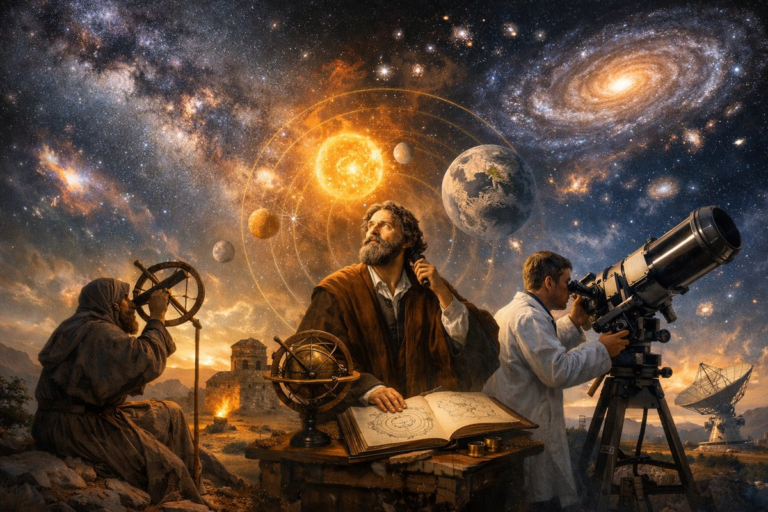
By blurring the line between professional and amateur, this movement echoes the earliest days of scientific discovery when polymaths and curious hobbyists drove breakthroughs. Today’s enthusiasts can download open-source analysis software in minutes, buy entry-level astrophotography cameras for their telescopes and learn celestial navigation from interactive star charts. The result is a democratization of sky-scanning that is both broadening participation and accelerating the pace of discovery.
One recent success story comes from a coalition of backyard astronomers in the southern hemisphere who, over several clear nights, tracked the unexpected dimming of a distant star. Their reports triggered follow-up observations by a network of robotic telescopes, revealing a rare planetary transit through an exoplanetary system. The discovery has prompted astronomers to reexamine data from larger surveys, suggesting that similar events may have slipped under the radar. It’s a reminder that an alert amateur armed with a modest telescope can still make a genuine dent in our cosmic knowledge.
Equally exciting is the role of open-data platforms. A nonprofit initiative recently launched an online portal where anyone can upload spectroscopic readings gathered with consumer-grade devices. Within weeks, volunteers had pinpointed chemical signatures in a nearby supernova remnant that hint at complex dust formation processes. Professional researchers, who often grapple with limited observing time on major telescopes, welcomed the influx of fresh spectra and credited the volunteer effort in a peer-reviewed paper.
The excitement isn’t confined to the deep sky. Urban stargazers are embracing compact, high-magnification binoculars and lightweight tracking mounts to chase the phases of the moon, the dance of Jupiter’s moons and fleeting flares on the surface of the sun. Community stargazing nights, organized through social media groups and local science centers, are drawing families who once thought astronomy was too intimidating. Now they’re sharing tips on aligning telescopes, capturing long-exposure star trails and spotting the subtle glow of the zodiacal light.
At the heart of this trend lies a shift in mindset. Instead of viewing amateur astronomers as peripheral observers, many professionals now treat them as partners. Graduate students enlist volunteers to monitor long-term brightness variations in distant galaxies. Planetary scientists rely on public networks to report meteor showers and fireball events, feeding data into models of Earth’s meteoroid environment. And dark-sky advocates are working alongside community groups to preserve night-time visibility in areas threatened by light pollution.
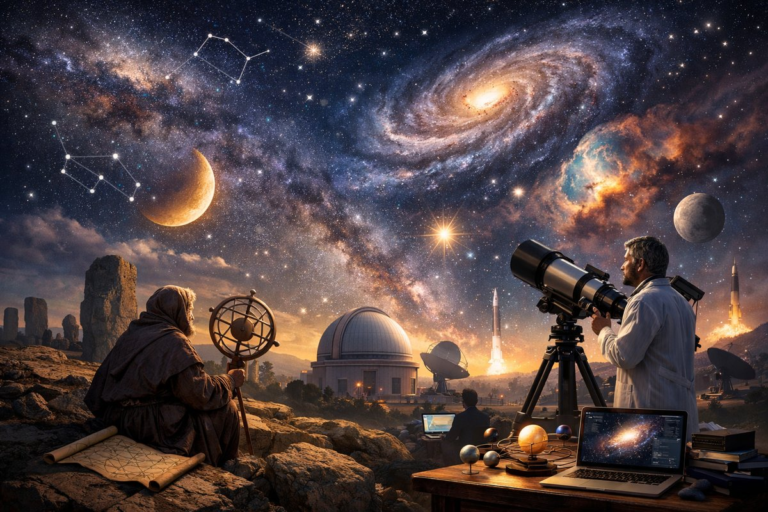
Technology has been a great enabler. Affordable small drones equipped with low-light cameras can survey remote mountain ranges for auroral activity. DIY spectroscopes built from 3D-printed parts let curious minds split starlight into rainbows and probe stellar compositions. Even entry-level telescopes now come with port mounts for astrophotography cameras, allowing novices to capture crisp images of nebulae and galaxies. Social platforms dedicated to observational logs, photo galleries and step-by-step tutorials have sprung up, lowering the learning curve and fostering a spirit of collaboration.
Yet the movement is about more than technology; it’s about emotional connection. Many participants describe a profound sense of awe when they first glimpse the spiral arms of a galaxy or the thin arcs of Saturn’s rings. That feeling sparks a drive to share knowledge, mentor newcomers and advocate for dark-sky preservation. In cities where streetlights drown out all but the brightest stars, groups have started converting municipal lamp posts to low-glare designs, bringing the Milky Way back to the urban horizon.
Education plays a crucial role. Schools are partnering with astronomy clubs to host live-streamed telescope sessions, letting classrooms tune in to lunar eclipses, planetary transits and meteor showers in real time. Some teachers integrate citizen science tasks into lesson plans, challenging students to log variable stars or classify galaxies via online platforms. This hands-on approach not only teaches scientific principles but also nurtures critical thinking, patience and an appreciation for the vast scales of space and time.
On the research frontier, the synergy between amateurs and professionals is reshaping fields from exoplanetology to cosmology. As large observatories allocate precious nightly hours to probing faint cosmic signals, the volunteer army of backyard skywatchers can cover broad patches of sky, flag anomalies and triage observations that merit high-resolution follow-up. In practical terms, this distributed network boosts the odds of catching rare events-like gravitational microlensing outbursts caused by rogue planets passing in front of distant stars.
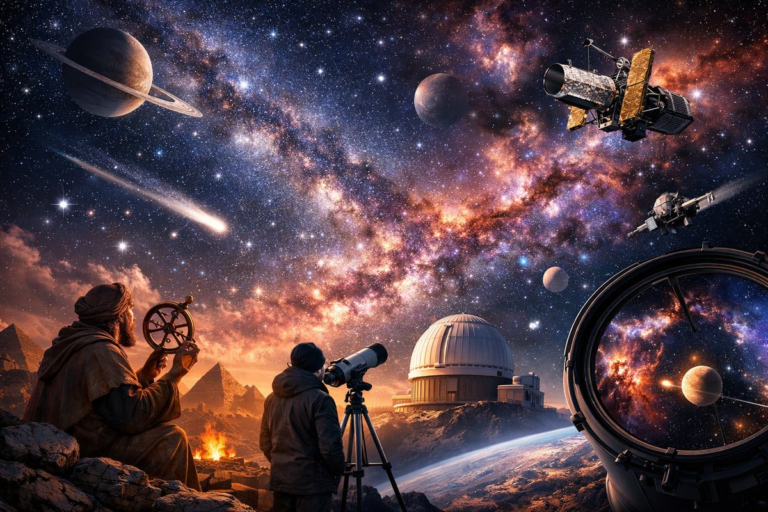
Looking ahead, the next generation of star hunters will stand on the shoulders of community efforts. Plans are already underway for open-network spectrographs that can plug into citizen telescopes worldwide, delivering standardized data for machine-learning analysis. Cloud-based tools will let anyone cross-reference their observations against professional surveys in seconds. And as space agencies gear up for new missions to the Moon, Mars and beyond, the public’s interest in participating directly in data collection and analysis is only set to grow.
The current surge in cosmic curiosity reminds us that science is, at its heart, a collective endeavor driven by wonder. Whether peering through a backyard telescope, downloading an interactive star map or contributing spectra to a public archive, every participant helps weave a richer picture of our universe. In the process, they reclaim a sense of connection to something vast and humbling: the tapestry of space and time that unfolds beyond our daily lives.
In an era when so much of our attention is glued to screens, raising our eyes to the night sky offers a chance to reconnect-with nature, with community and with the fundamental questions that have driven explorers for centuries. The renewed partnership between amateur astronomers and professional scientists shows that curiosity knows no borders or credentials. It thrives wherever people come together, ready to look up and ask, “What’s out there?”.