Location
Mount Vernon, WA 98274

Location
Mount Vernon, WA 98274
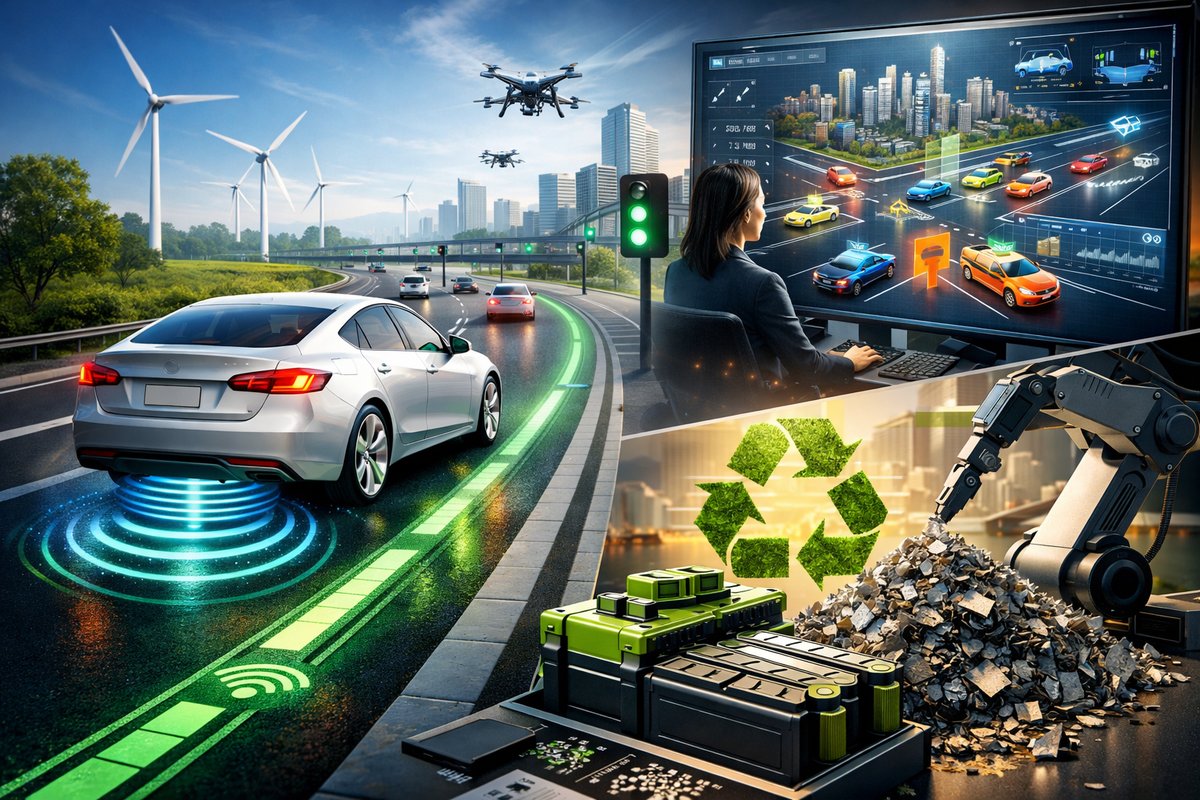
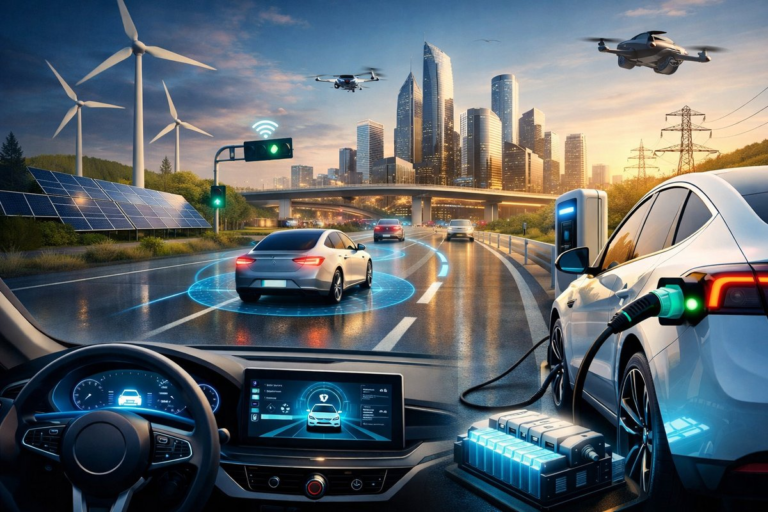
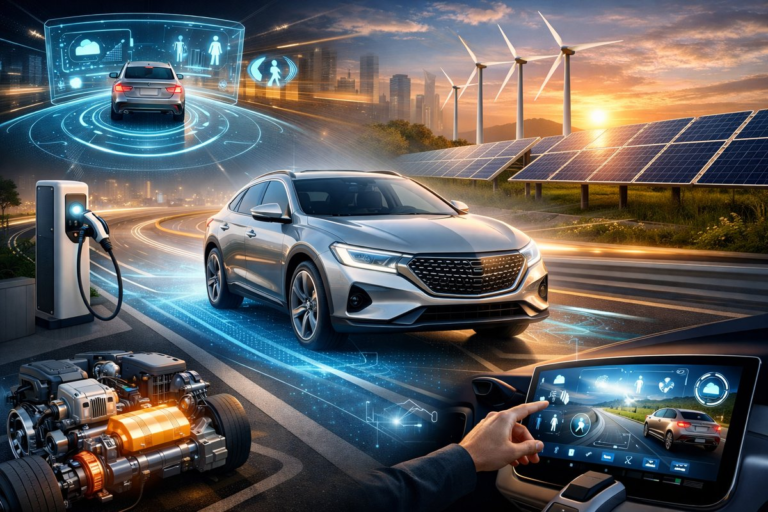
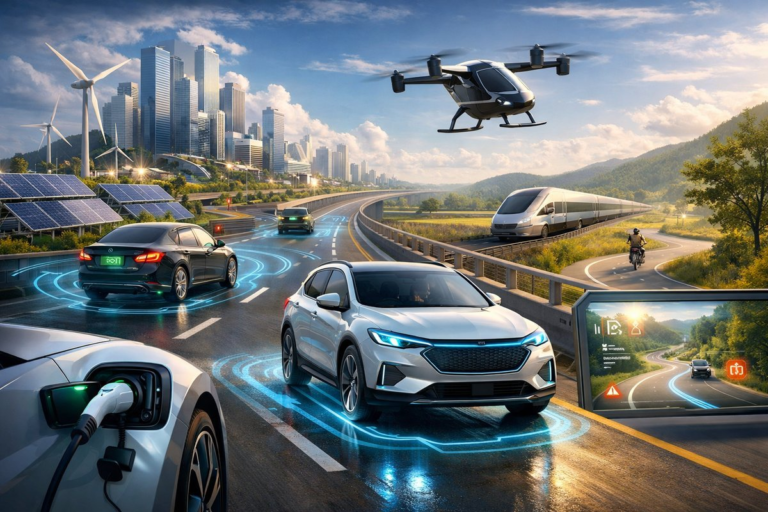
From wireless charging lanes to AI-powered traffic management and recycled battery materials, the automotive world is undergoing a radical shift. This article explores how emerging technologies and green innovations are reshaping our roads, vehicles, and everyday driving experience.
The automotive landscape is witnessing a profound evolution driven by breakthroughs in connectivity, electrification, and sustainable design. What began as incremental improvements in fuel efficiency and onboard infotainment has blossomed into an integrated ecosystem where cars, infrastructure, and digital services interact seamlessly. For gearheads and everyday drivers alike, the coming years promise vehicles that learn from patterns, recharge on the go, and leave a lighter footprint on the planet.
At the heart of this transformation lies the marriage of electric propulsion and intelligent software. Traditional internal-combustion engines are giving way to electric motors whose simplicity unlocks performance enhancements, quieter rides, and near-instant torque. Yet the real game-changer is how these powertrains interface with cloud platforms and edge devices: vehicles continuously update their software, optimize battery usage in real time, and even adjust suspension settings based on live road conditions.
A recent pilot project in northern Europe illustrates this synergy. On a section of highway equipped with embedded induction coils beneath the surface, prototype electric buses recharge dynamically while in motion. Energy is transferred wirelessly from the roadway to the vehicle’s undercarriage, extending range without forcing a stop at conventional charging stations. Early tests reported a 20% decrease in downtime for public transit operators, hinting at a future where long-haul trucks and personal EVs glide over similarly “charged” corridors.
Meanwhile, governments worldwide are accelerating deployment of fast-charging networks through infrastructure grants and partnerships with utilities. In the United States, a coalition of states used federal funds to place ultra-fast chargers at rest stops along major interstates, enabling compatible EVs to add nearly 200 miles of range in under 20 minutes. These installations follow strict interoperability standards so drivers of different makes and models can plug in without resorting to clunky adapters.
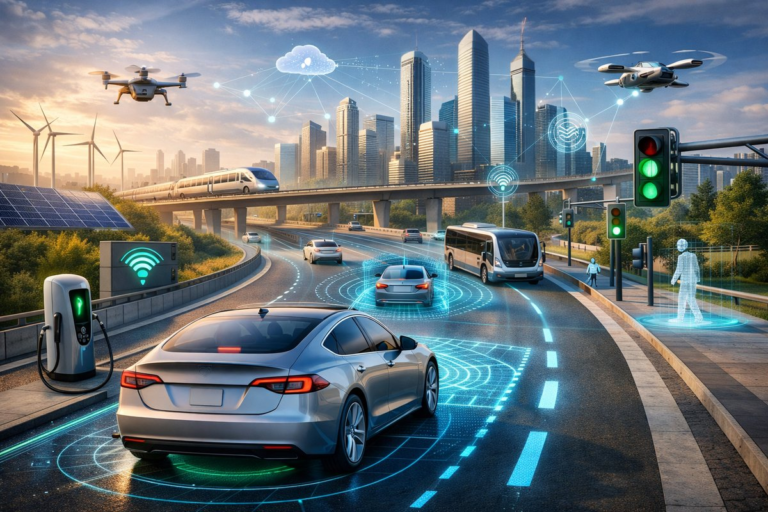
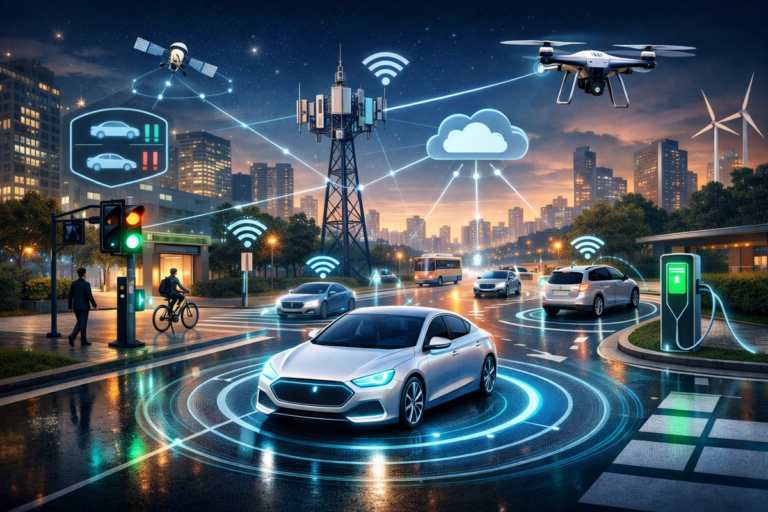
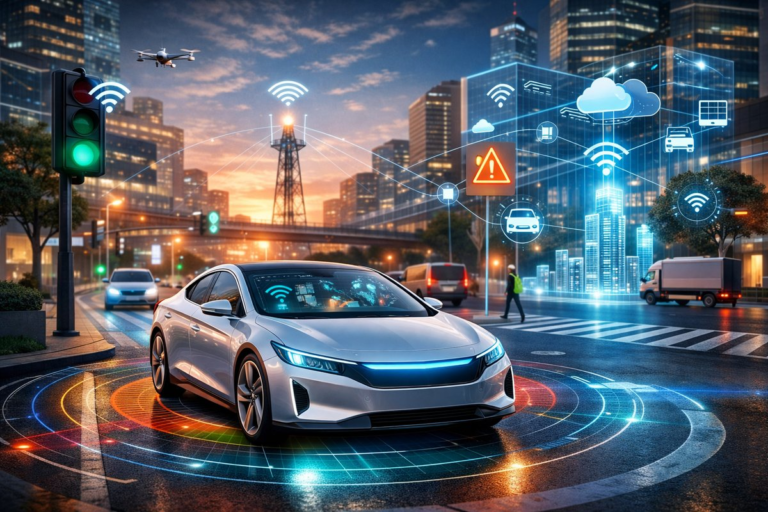
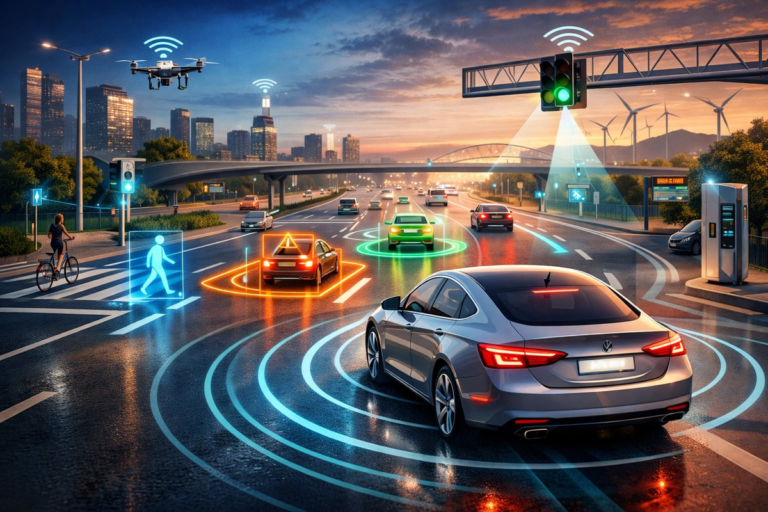
Connectivity extends beyond charging. Vehicle-to-everything (V2X) communication allows cars to exchange data with traffic signals, road sensors, and other vehicles to anticipate hazards and smooth traffic flow. In one metropolitan area, a V2X pilot reduced idling time at intersections by 30% by adjusting signal timing on the fly when groups of connected buses and cars approached during peak hours. Fewer stops translate into energy savings, lower emissions, and shorter commute times.
Inside the cabin, machine learning algorithms analyze driver behavior to make the experience safer and more comfortable. Cameras and radar systems monitor lane position and following distance and can apply gentle steering corrections or braking interventions if the driver becomes distracted. Over-the-air updates continually refine the system’s object-recognition models so it adapts to new vehicle shapes, unusual obstacles, and varied weather conditions.
Sustainability efforts are not limited to zero-emission powertrains. Automotive designers are experimenting with bio-based composites, recycled plastics, and reclaimed metals for interior panels and structural components. A recently unveiled concept car features seat upholstery made from upcycled fishing nets, channeling a circular-economy approach that reduces landfill waste and avoids leather’s carbon-intensive tanning process.
Battery recycling is also coming into focus as automakers and recycling firms set up specialized facilities to extract lithium, nickel, and cobalt from spent packs. By 2030, analysts forecast that second-life applications and closed-loop recycling could supply up to 40% of the raw materials needed for new batteries, diminishing dependence on overseas mining and easing supply-chain pressures.
Beyond personal vehicles, the rise of micro-mobility and shared fleets is reshaping urban transport. Electric scooters and compact pods support first-mile/last-mile journeys, and AI-driven fleet management software dispatches vehicles based on real-time demand patterns. When integrated with public transit schedules, these platforms can autofill gaps in service and reduce private-car usage in dense city centers.
Yet technological potential often collides with practical realities. Upgrading legacy roads with wireless charging lanes requires deep coordination between public agencies, utilities, and construction firms. Data privacy concerns emerge when vehicles collect granular location, biometric, and usage information. To tackle this, some automakers have built consent-driven frameworks that let drivers control which data streams they share-whether for navigation analytics, remote diagnostics, or energy-grid balancing.
Cybersecurity poses another challenge as cars become more networked. A single vulnerability in a vehicle’s telematics unit could create entry points for hackers to disable safety features or extract personal data. That’s why industry consortia are developing standardized encryption protocols and secure-boot architectures, ensuring every firmware module is signed and verified before execution.
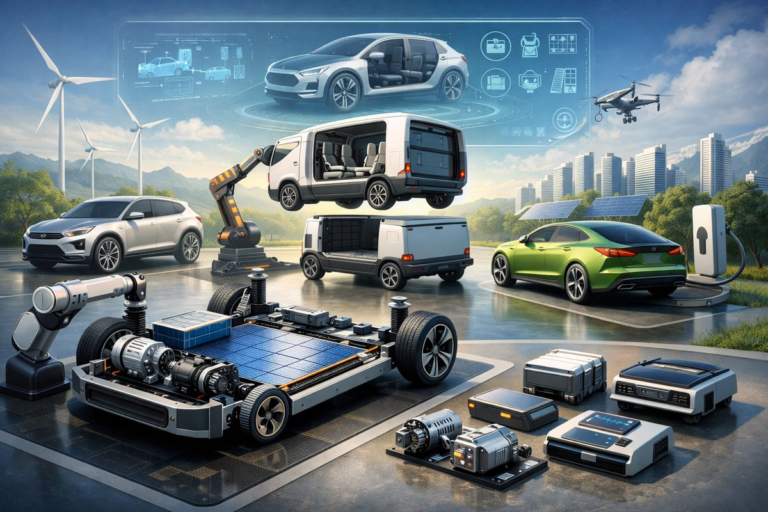
On the supply side, microchip shortages and raw-material bottlenecks remind us that novel technologies must be backed by resilient manufacturing ecosystems. Companies are exploring modular vehicle platforms that accommodate different propulsion systems and electronics kits. This flexibility enables production lines to pivot quickly between electric, hybrid, or even hydrogen fuel-cell variants based on market demand and parts availability.
For the everyday driver, these advancements translate into tangible benefits: smoother multitasking through natural-language voice assistants, personalized seat and climate preferences that activate as soon as you enter the cabin, and predictive maintenance alerts that schedule service appointments before minor issues escalate. Even rural communities are beginning to see advantages, with mobile charging vans and portable battery-bank trailers visiting remote areas to power EVs where grid access is limited.
The resurgence of do-it-yourself culture in the automotive world also deserves mention. Enthusiasts can now retrofit older vehicles with electric conversion kits, swapping in electric motors, controllers, and battery modules sourced from aftermarket suppliers. Online communities share guides on wiring harness modifications, battery-management-system tuning, and adapting regenerative braking components-turning hobbyists into pioneers of sustainable motoring.
Education and workforce development must keep pace. Vocational schools are introducing curricula on high-voltage safety, battery repair, and software debugging for modern vehicles. Simulators and virtual-reality training environments allow technicians to practice fault tracing without putting themselves at risk or decommissioning real cars.
Looking ahead, the convergence of autonomous driving and smart infrastructure could reshape cityscapes. Driverless shuttles navigating dedicated lanes, curbless charging hubs embedded in sidewalks, and dynamic tolling that adjusts rates based on road congestion could become standard components of urban planning. Such systems promise more reliable transit, fewer accidents, and reduced greenhouse-gas emissions-provided that regulators, private companies, and citizens collaborate on data-sharing agreements and equitable access.
The road to fully integrated, sustainable transportation is neither straight nor free of obstacles. It requires alignment between technological innovation, environmental stewardship, and social equity. But the pieces are falling into place: electric motors that outperform gas engines, recyclable materials that lessen waste, software that optimizes every mile, and networks that stay connected even at highway speeds.
For drivers today, the choice may feel like selecting from an evolving menu-electric or hybrid, fast-charging or wireless, connected package or basic setup. Yet beneath these options lies a common thread: vehicles are morphing into living platforms, capable of adapting to individual needs, global energy constraints, and tomorrow’s mobility paradigms. Whether you’re charting a cross-country EV road trip, fine-tuning an ADAS calibration, or tinkering with a DIY electric conversion, you’re participating in a chapter of transportation history that prizes efficiency, intelligence, and responsibility above all.
As the automotive industry accelerates toward its next frontier, gearheads and casual drivers alike will find plenty to admire-and influence. From the spark of the motor to the last mile of recycled tire rubber, every innovation adds momentum to a vision where sustainability, connectivity, and human experience drive side by side. The future of mobility is not just about getting from A to B, but about the journey itself-charged, connected, and cleaner than ever before.