Location
Mount Vernon, WA 98274

Location
Mount Vernon, WA 98274
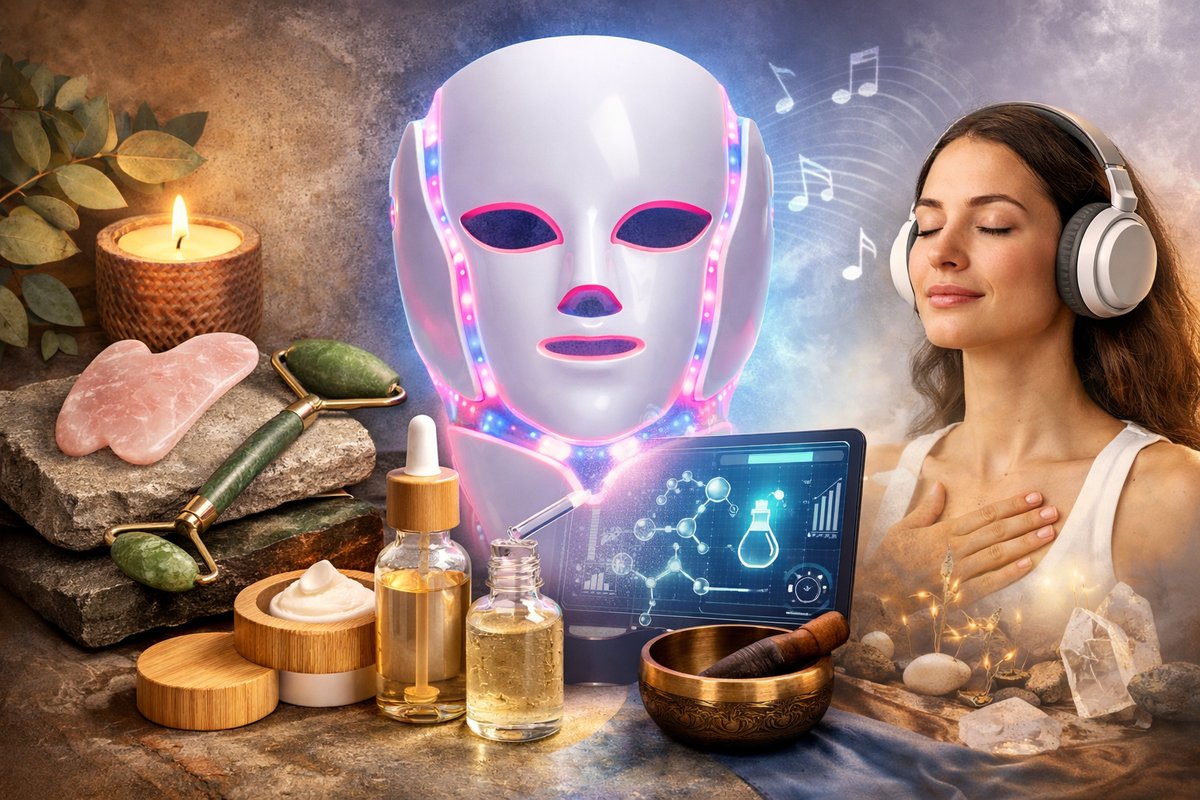
From ancient gua sha tools to LED light therapy masks, at-home beauty is evolving into a full-body, full-mind experience. Consumers are embracing sustainable packaging, data-driven serums and immersive soundscapes that nourish both skin and spirit.
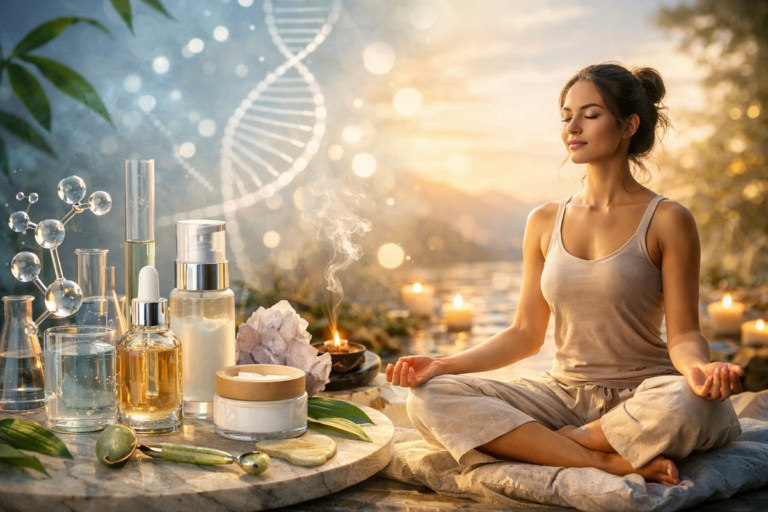
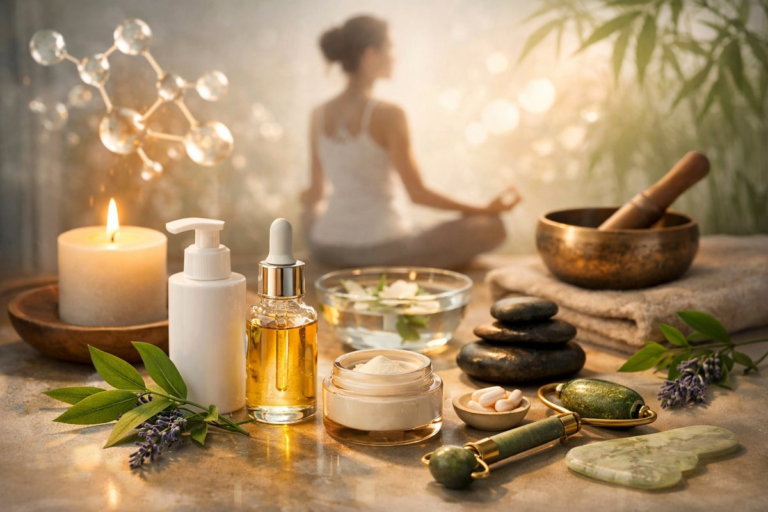
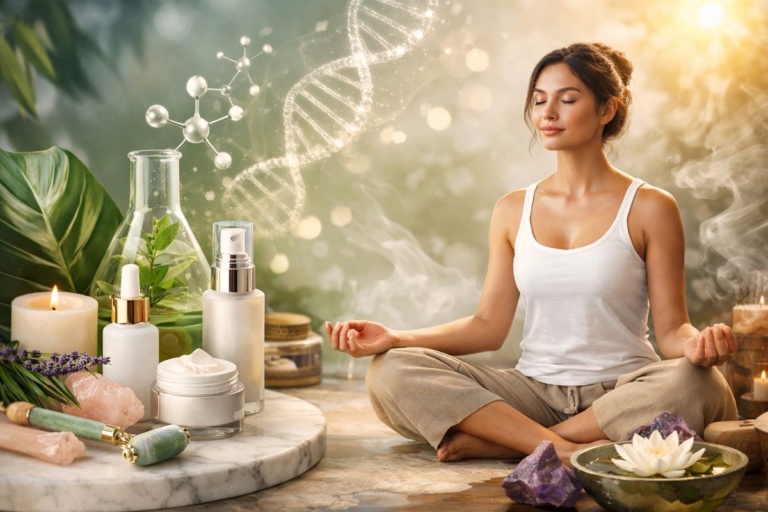
Beauty routines have always straddled the line between self-care and self-expression, but a new wave of sensorial rituals is transforming simple serums and creams into full-blown ceremonies. Recent market data shows global consumer spending on tech-enhanced and multisensory skincare is growing at double-digit rates, driven by at-home wellness enthusiasts seeking more than just a clear complexion. In living rooms and dedicated beauty corners, people are combining ancient tools, data-driven potions and immersive audio landscapes to create custom skincare practices that speak to body and mind alike.
A key trend accelerating this shift is the arrival of “smart” serums and sensor-infused bottles. These next-generation droppers track usage patterns and environmental factors like humidity levels, then prompt users to adjust their routines via a companion app. Dermatologists note that consistency and proper layering are critical for active ingredients-so having a digital record can help prevent over-application and irritation. One recent clinical study found that participants who followed guided serum-application reminders saw a 20 percent improvement in moisture retention compared to those on a self-paced regimen.
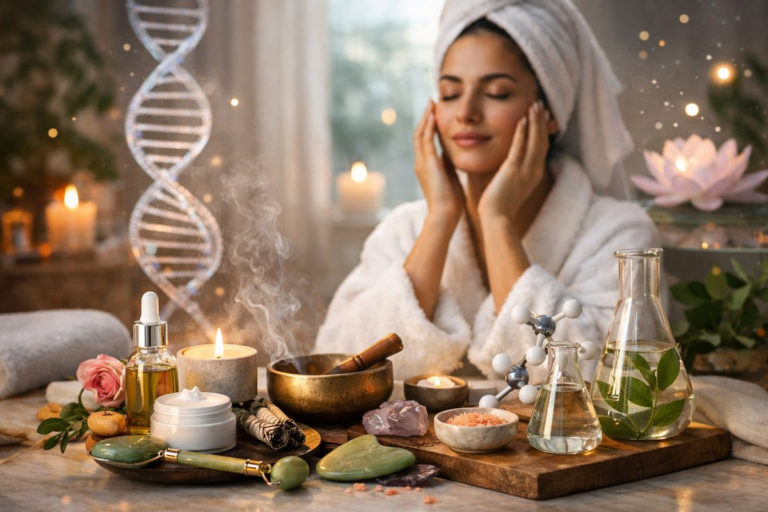
But technology is only part of the story. The rise of curated soundscapes-ranging from ambient forest sounds to gentle Tibetan singing bowls-has turned a five-minute toner splash into a moment of mindful pause. Content creators are producing downloadable audio tracks designed to synchronize with product application steps: a soft rainfall track while rinsing cleansers, a mellow cello piece during face-mask dwell time, and binaural beats to pair with facial massage. Anecdotal feedback suggests these auditory cues encourage people to slow down and tune into how their skin feels at each stage.
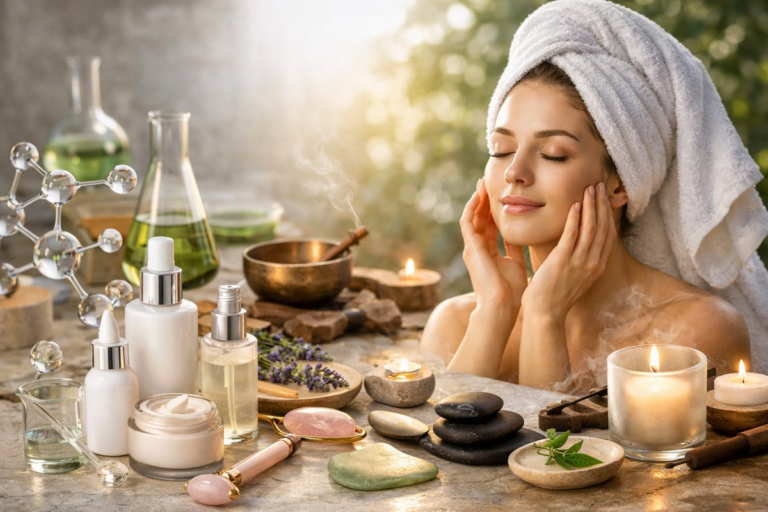
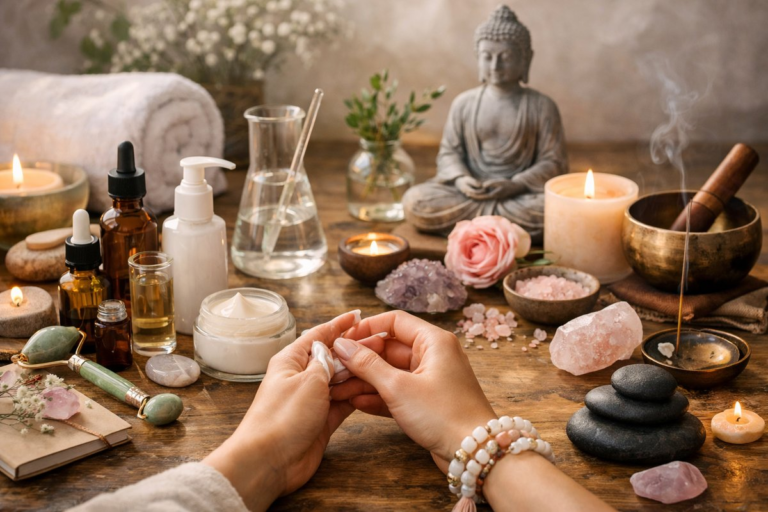
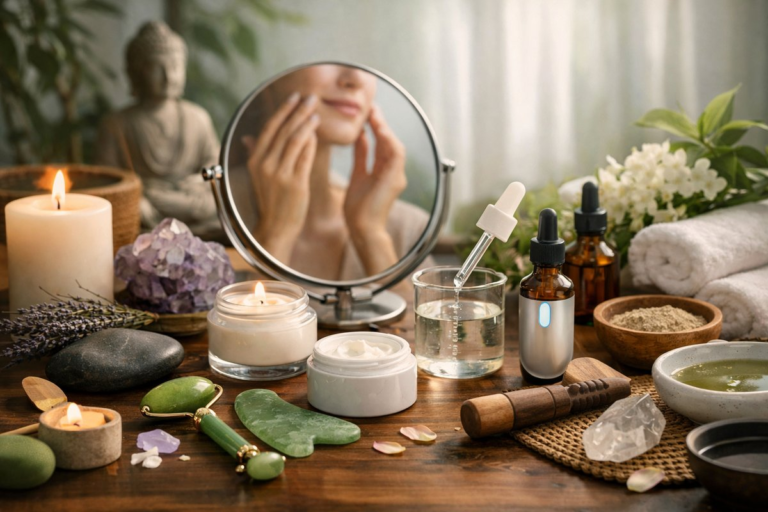
At the same time, ancient beauty tools are experiencing a modern revival. Gua sha stones carved from jade or rose quartz are now accompanied by tutorial videos teaching precise scraping techniques to boost circulation. Kombucha-brewed charcoal soaps and clay masks made with sustainably sourced green clay are finding new audiences looking for grounding rituals. These tactile elements add a sensory dimension-cool stones gliding across warm skin or hands gently kneading a clay mask-that turns simple maintenance into a meditative practice.
The integration of LED and microcurrent devices is another layer in the multisensory evolution. Home red-light therapy masks, once confined to professional spa settings, are available in portable, hands-free formats. By emitting specific wavelengths known to stimulate collagen production and reduce inflammation, these masks promise spa-grade results from the couch. Microcurrent wands that deliver low-level electrical pulses claim to wake up facial muscles, offering a “workout” that firms the skin over time. Experts caution that results vary by skin type and device strength, but agree that safe, FDA-cleared options are now plentiful at accessible price points.
Sustainability remains a core pillar of these new rituals. Many brands are offering refillable serum cartridges, solid cleansers packaged in paper wraps, and recyclable glass jars. Upcycled ingredients-such as coffee grounds from local roasteries or apple pomace from juice producers-are finding their way into scrubs and masks, reducing waste and bringing traceability to the ingredient list. Beauty start-ups have even begun hosting in-store refill stations where customers can bring their used bottles for a discount on their next purchase, fostering a circular approach in an industry long criticized for single-use plastics.
Amid these innovations, mindfulness and emotional intelligence have become integral. Beauty-ritual journals prompt users to note how certain products make them feel before and after application. Guided breathing exercises are recommended prior to face-mask rituals to lower cortisol and maximize absorption. Virtual group “skin circles” allow participants to share progress updates, product tips and encouraging words, turning solitary routines into communal experiences.
Dermatologists and beauty anthropologists alike see this fusion of science, tradition and emotion as a natural next step. According to a recent consumer insights report, 68 percent of surveyed adults view their skincare routine as part of their daily mental-health regimen, not merely a cosmetic obligation. Younger demographics, in particular, are drawn to transparent brands that disclose ingredient sourcing, engage in cruelty-free testing and invest in renewable packaging materials.
What does this mean for someone just getting started? The simplest entry point is adding one tactile or tech element to an existing routine. For example, swap out ordinary cotton rounds for reusable microfiber pads, integrate a weekly sheet-mask session with a guided breathing track, or introduce a small LED spot-treatment device for targeted concerns. Over time, you can layer on more sophisticated tools-smart serums that adapt to environmental data, jade gua sha stones for sculpting rituals, or biodegradable sonic cleansing brushes that generate therapeutic frequencies.
As beauty and wellness continue to overlap, these sensorial rituals offer a chance to reclaim daily moments. Whether you’re seeking firmer contours, a hydrated glow or simply a break from digital overload, the convergence of science and spirit invites you to explore your skin with intention. This next chapter of skincare is not just about looking a certain way but feeling connected to every step-skin to soul.
Beauty-industry analysts predict that by the end of the next quarter, half of all high-end skincare lines will include an interactive digital component or refillable-first model. As the market expands, brands that honor sustainability principles, promote emotional well-being and deliver measurable results will likely lead the charge. For consumers, the real power lies in crafting a ritual that resonates with personal values and daily rhythms, turning each drop and dab into a moment of self-care that lasts far beyond the mirror.