Location
Mount Vernon, WA 98274

Location
Mount Vernon, WA 98274
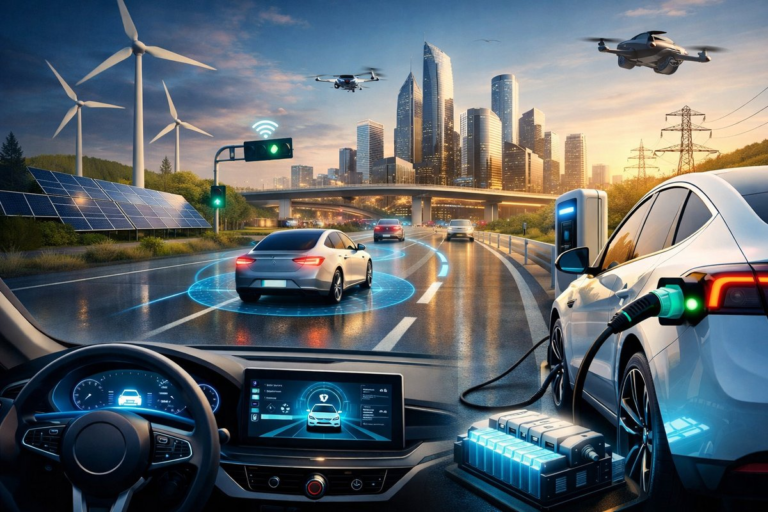
A wave of modular electric vehicle architectures, AI-driven assistance and vehicle-to-grid innovations is reshaping daily commutes and commercial fleets. From wireless charging lanes to smart traffic management, modern automotive technology is marrying sustainability and convenience on every journey.
Early on a weekday morning, a commuter slips into an electric crossover assembled on a modular skateboard platform. Built around a flat battery pack and standardized motors, the vehicle feels more like a high-tech gadget than a traditional car. It accelerates smoothly through green-lit intersections, communicating instantaneously with smart infrastructure to optimize both energy use and travel time. Across town, a delivery van assembled on the same platform effortlessly switches from fully autonomous mode on wide boulevards to human-assisted driving in narrow urban lanes. This isn’t science fiction: it’s the reality unfolding on roads from North America to Europe and Asia, where new automotive technologies are converging to redefine motion, memory and meaning.
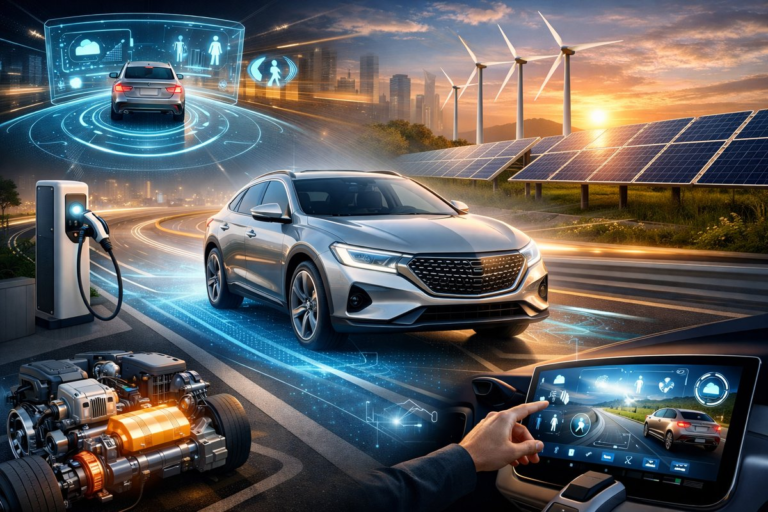
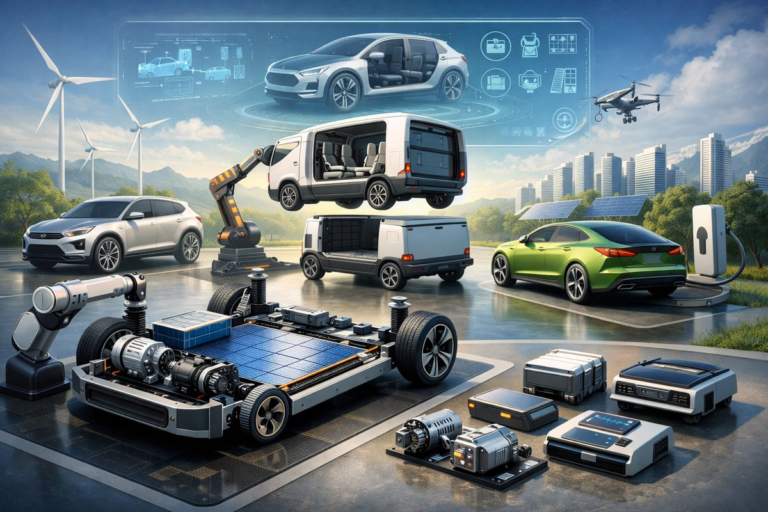
At the heart of this transformation lies the skateboard chassis. Major automakers and startups alike are adopting standardized electric platforms that decouple the vehicle’s core electronics-battery cells, powertrain and control software-from its outer shell, or body-in-white. This modularity allows manufacturers to launch sedans, crossovers, vans and even two-door coupes with minimal retooling. Not only does it accelerate product development and reduce costs, but it also creates a sustainable ecosystem in which high-mileage fleet vehicles and lower-volume consumer models share the same battery and motor assemblies. Some industry analysts forecast a 30 percent reduction in production waste and a 20 percent improvement in lifecycle efficiency by embracing these shared platforms.
Parallel to hardware advances, software innovations are supercharging the driving experience. Advanced driver-assist systems (ADAS) are evolving into more capable, context-aware assistants that leverage high-resolution cameras, radar and lidar to maintain lane discipline, adjust speed based on real-time traffic data, and even perform automated parking. In pilot zones across several cities, vehicles equipped with Level 2+ ADAS capabilities can navigate complex roundabouts and exit ramps with minimal driver intervention. Meanwhile, over-the-air software updates may soon enable new features-like hands-free highway driving and automated emergency braking enhancements-without requiring a visit to the dealership.
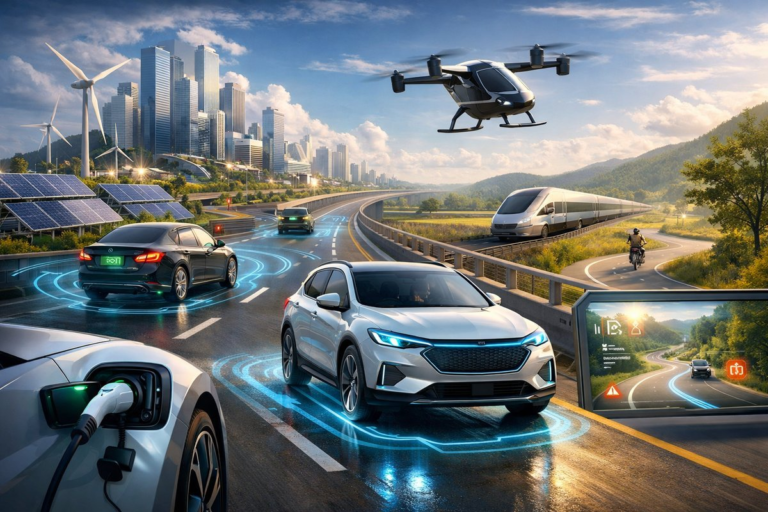
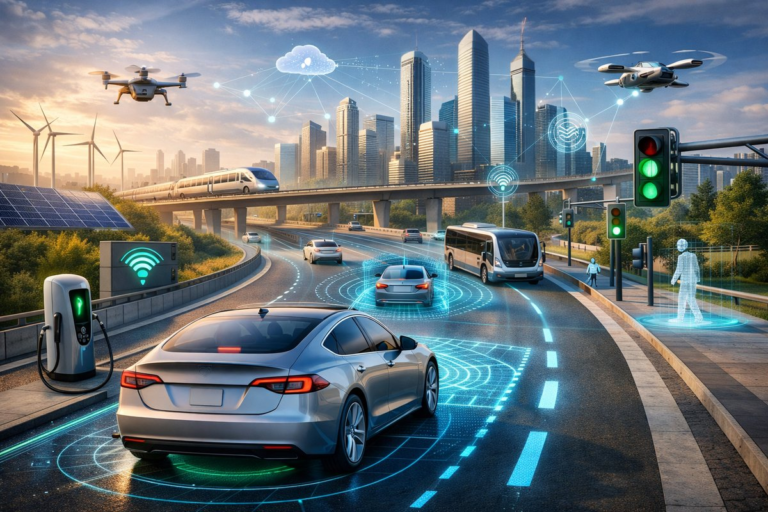
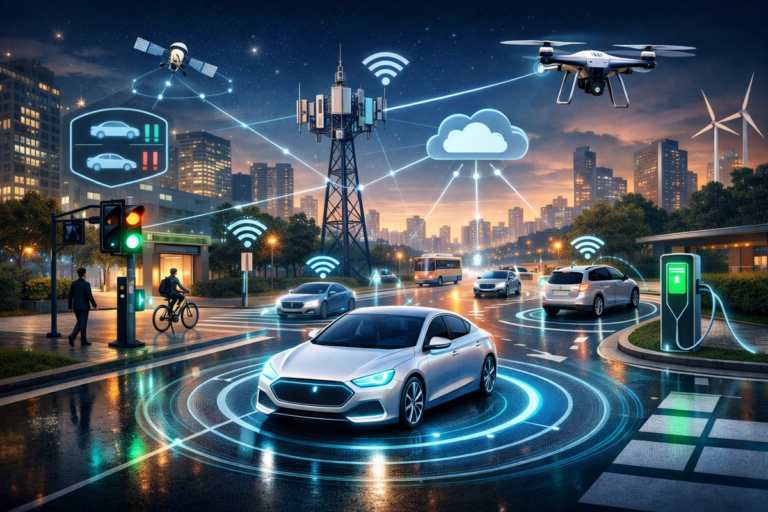
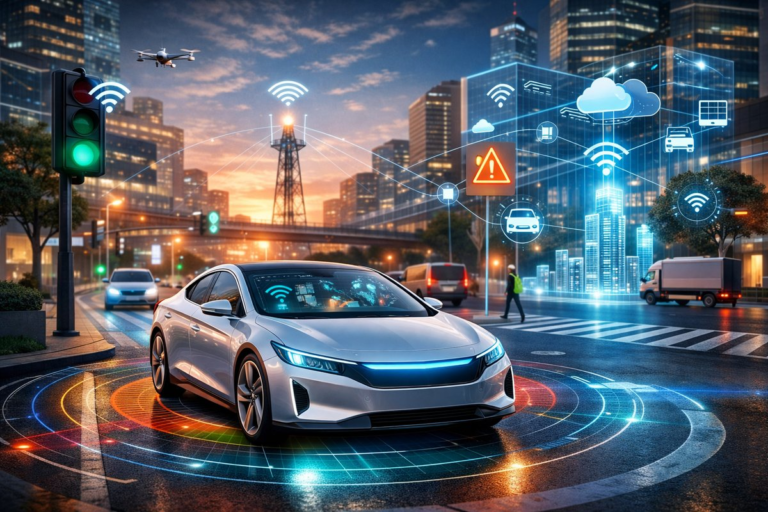
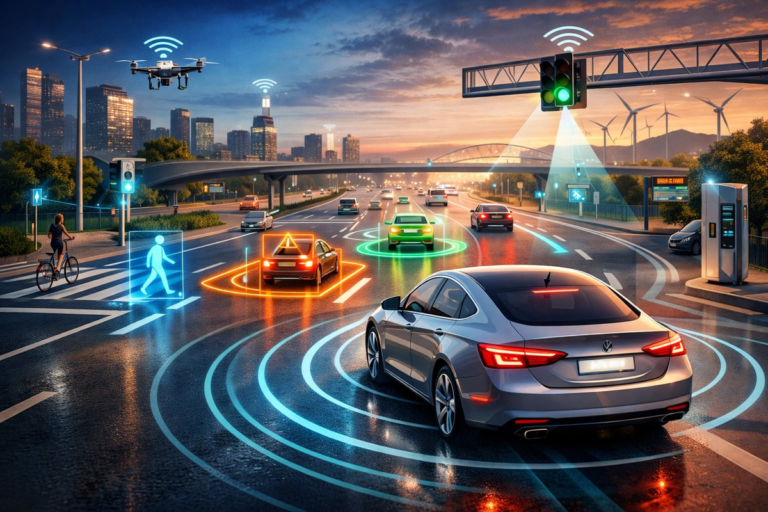
Connectivity protocols are also stepping up to meet next-generation requirements. Vehicle-to-everything (V2X) communication standards enable cars to exchange encrypted signals with traffic lights, roadside sensors and other vehicles. In one European smart city trial, signalized intersections broadcast phase timings to approaching vehicles, allowing adaptive cruise control systems to time deceleration and acceleration, cutting idling emissions by up to 15 percent. Fleets participating in the trial reported smoother rides, lower brake-pad wear and measurable fuel savings. These successes have inspired municipalities in North America and Asia to explore similar deployments, betting on the promise of safer, more efficient roads.
Ultra-fast wireless charging lanes represent another frontier. Embedded coils buried beneath resurfaced roadways can deliver up to 20 kW of power to compatible vehicles at low speeds-enough to sustain electric buses on urban routes without ever docking at a depot. In a pilot corridor spanning three miles, e-buses equipped with underfloor receivers showed a 25 percent improvement in energy efficiency and eliminated range anxiety for transit operators. While installation costs remain high, proponents argue that public-private partnerships and dynamic pricing models can offset upfront investment. For everyday drivers, portable home charging and public DC fast chargers still dominate, but the vision of electrified highways is edging closer.
Back at home, drivers are installing smart Level 2 charging stations in garages and driveways. These units connect via Wi-Fi or cellular networks to mobile apps that schedule charging during off-peak hours, monitor energy rates and even report on battery health. Some systems offer vehicle-to-grid (V2G) capability, enabling cars to send power back to the local grid during peak demand periods. Utility companies in several regions have begun compensating EV owners for this distributed energy resource, creating small revenue streams and improving grid resilience. Early adopters report modest cost savings on monthly bills and a sense of participation in the energy transition.
On the commercial front, electrification is moving beyond passenger cars to reimagine freight and last-mile delivery. Heavy-duty electric trucks using modular battery packs can swap depleted modules in under 15 minutes at specialized depots, reducing downtime for long-haul haulers. Smaller cargo vans outfitted with swappable battery cartridges are making their way through city centers, where tight delivery windows and low-emission zones necessitate zero-tailpipe solutions. Meanwhile, autonomous delivery robots and micro-distribution hubs are partnering with human couriers to streamline package logistics, cutting delivery distances and carbon footprints alike.
Yet these breakthroughs come with challenges. The rapid growth in battery demand places pressure on critical minerals, from lithium and nickel to cobalt. Miners and refiners are racing to scale up ethically sourced supply chains while reducing environmental impacts. Recycling programs are emerging to reclaim valuable metals and reduce waste, but the technology remains in its infancy. Grid operators must also adapt to intermittent renewable energy and variable charging patterns, balancing demand through energy storage and smart load management. Privacy advocates raise concerns about the data collected by connected vehicles and infrastructure, calling for transparent governance and user controls over shared telemetry.
Despite these headwinds, the broader cultural resonance of automotive technology endures. For many drivers, the open road remains a symbol of personal freedom and discovery. Digital dashboards now overlay historical route data, scenic recommendations and community-sourced road condition reports-turning routine commutes into windowed stories of local heritage. Road-trip planners integrate charging stops with curated playlists and local dining options, fostering richer experiences outside the alloy and circuitry. In this way, memory and meaning flow alongside electrons and torque, reminding us that motion is as much about emotion as it is about mechanics.
Looking ahead, automakers and infrastructure partners are testing new paradigms: swappable battery stations inspired by smartphone kiosk models; adaptive body panels that harvest solar energy; in-vehicle AI agents that learn driver preferences over years of usage. Shared mobility platforms are experimenting with on-demand autonomous shuttles for suburban connectors, while ride-hailing fleets pilot fully electric, driverless sedans in closed campuses. Each experiment underscores the same principle: flexibility and interoperability will determine which solutions scale and which remain pilot curiosities.
As modular electric platforms, intelligent software and collaborative infrastructure converge, the road ahead promises greater sustainability, safety and convenience. Yet success depends on more than technology-it hinges on public trust, regulatory foresight and equitable access. By inviting citizens, utilities and mobility providers to co-create the system, we can ensure that vehicles remain more than steel and silicon: they become catalysts for community, discovery and responsible stewardship of our planet. In the end, the future of transportation may be electric, but its power will derive from human ingenuity and shared purpose.