Location
Mount Vernon, WA 98274

Location
Mount Vernon, WA 98274
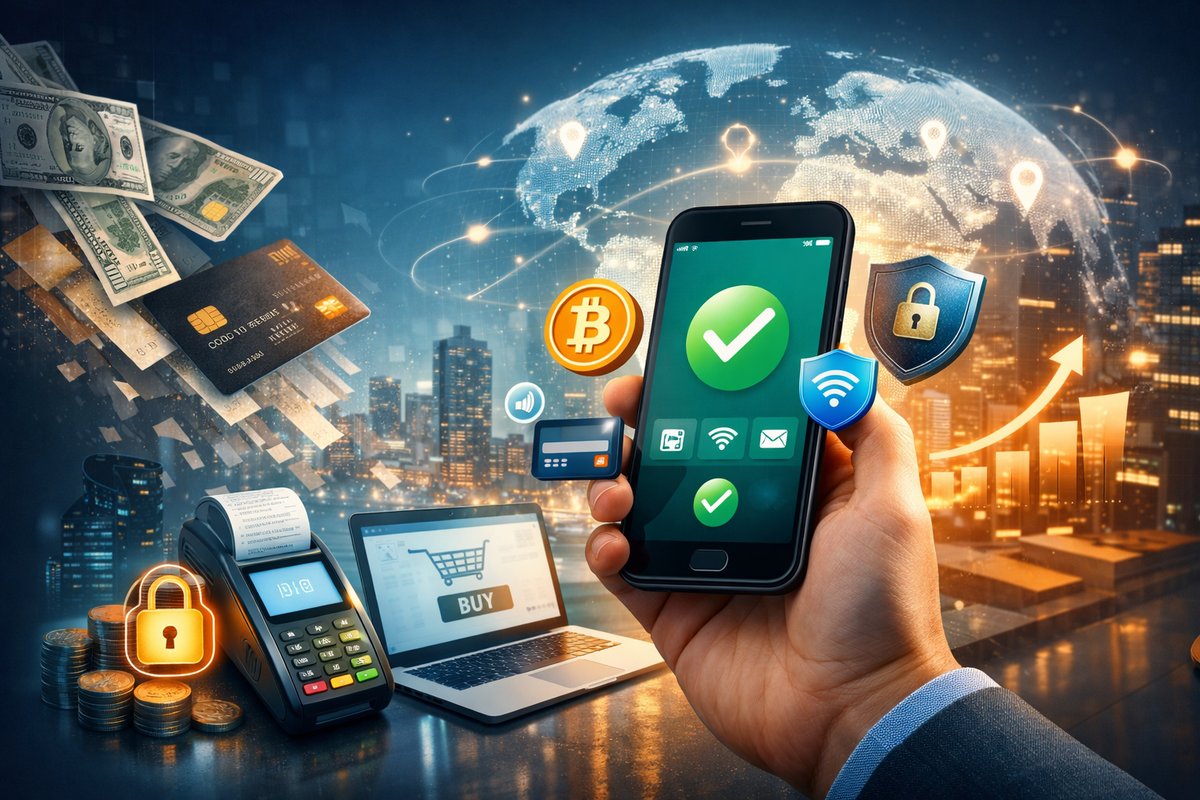
Consumers are increasingly shifting away from physical cash and cards, driving a sharp rise in digital wallet usage worldwide. Financial institutions and merchants are racing to adapt, balancing innovation with security and accessibility.
In recent months, the global transition to cashless transactions has accelerated at an unprecedented pace. Across urban centers and suburban towns alike, millions of consumers are adopting digital wallets on their smartphones, smartwatches, and wearable devices. A new report from the Federal Payments Council shows that contactless and peer-to-peer payment volumes climbed more than 40 percent year over year, fueled by the convenience of tap-and-pay features and the continued expansion of mobile banking platforms.
Financial technology firms have been quick to capitalize on this momentum. Many offer in-app budgeting tools, loyalty rewards, and instant peer transfers, all accessible with a few taps on a touchscreen. Digital wallets now support stored-value accounts, virtual debit cards, and integrated bill-pay functionality. Consumers face fewer barriers to entry: setting up an account can take minutes, while linking bank accounts or cards often requires only a selfie scan for identity verification.
Industry analysts attribute much of this growth to heightened consumer comfort with mobile platforms. A survey conducted by MarketPulse found that 68 percent of respondents cite ease of use as the top reason they switched to digital wallets, while 55 percent appreciate the ability to view transaction details in real time. Younger demographics, in particular, view digital wallet adoption as a natural extension of their digital-first lifestyles. However, older consumers are also coming on board: 44 percent of users aged 50 and above reported using a mobile payment app at least once a week, up from 29 percent a year ago.
As digital payments gain traction, traditional banks are reassessing their strategies. Branch closures continue in many regions, replaced by kiosks and digital service centers designed to support app onboarding and answer technical questions. Some banks have launched co-branded payment apps that integrate loyalty points with everyday spending, while others are forming partnerships with fintech startups to offer white-label wallet solutions.
The shift away from paper money is not exclusive to retail environments. Public transit systems in several major cities have begun accepting digital tickets and mobile fare cards, reducing the need for cash transactions at kiosks. Likewise, municipal parking meters and toll booths are upgrading terminals to read near-field communication (NFC) signals, enabling drivers to settle toll payments instantly through smartphone wallets.
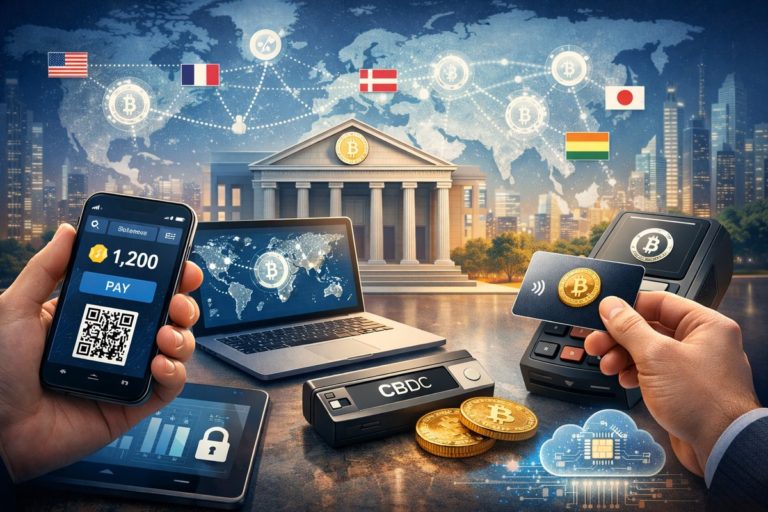
Beyond private-sector developments, central banks around the world are exploring digital currency pilots. Several countries in Latin America and Southeast Asia are in advanced stages of testing central bank digital currencies (CBDCs), aiming to streamline cross-border remittances and reduce reliance on cash in rural communities. These initiatives promise to reshape monetary policy and financial inclusion, but they also raise questions about privacy, data security, and government surveillance.
Privacy advocates warn that widespread adoption of digital payment networks could expose sensitive consumer data to misuse. Without strong encryption standards and user consent protocols, location tracking and spending histories could be harvested by third parties. Civil liberties groups are calling on regulators to establish clear guidelines for data minimization and transparent audit processes before mandating digital tender in place of physical currency.
Small and medium-sized businesses are navigating these changes with mixed feelings. Many merchants appreciate the faster settlement times and reduced handling costs that come with contactless payments. But hardware upgrades-such as NFC-enabled point-of-sale terminals-can carry significant upfront expenses. Software subscription fees, transaction charges, and compliance requirements add layers of complexity. To offset these costs, some local chambers of commerce are organizing group purchasing programs and educational workshops on digital operations.
Consumer advocates emphasize the importance of financial literacy as digital payments become the norm. Integrating budgeting features into payment apps is one approach; some fintech platforms now include built-in expense categories, savings goals, and automated alerts for overspending. These tools aim to demystify personal finance and encourage healthier money habits, particularly among first-time earners and gig-economy workers.
Experts suggest that the next frontier lies in interoperability and open banking standards. When payment apps, budgeting software, and investment platforms can seamlessly exchange data, users gain a consolidated view of their finances. Open APIs allow third-party developers to build value-added services-such as real-time credit scoring, tax optimization, and personalized savings recommendations-on top of core banking infrastructure.
Looking ahead, the convergence of digital wallets with emerging technologies promises further disruption. Artificial intelligence may power intelligent spending assistants that analyze patterns and suggest cost-saving measures. Blockchain networks could facilitate peer-to-peer lending and decentralized finance options directly within payment apps. Meanwhile, augmented reality experiences might enable users to visualize virtual receipts and financial projections in their physical surroundings.
Despite the many opportunities, challenges remain. Bridging the digital divide requires ensuring that underserved communities have reliable internet access, affordable devices, and basic tech training. Robust cybersecurity defenses must keep pace with ever-evolving threats, from sophisticated phishing schemes to mobile malware. Policymakers, industry stakeholders, and consumer groups will need to work in concert to balance innovation with inclusion and privacy protection.
The rapid rise of digital wallets illustrates a broader trend toward the digitization of daily life. For financial institutions and businesses, adapting to this new landscape is more than a matter of installing the latest payment terminals-it involves rethinking customer engagement, data stewardship, and product design. For consumers, the appeal of speed and simplicity must be weighed against the need for informed decision-making and personal data security.
As cash becomes a rarer sight in wallets and pockets, the future of payments is taking shape on screens and wearable devices. This transition carries the promise of greater efficiency and expanded access to financial services-but it also underscores the enduring need for clear guidance, transparent regulation, and equitable technology deployment. In the evolving ecosystem of cashless transactions, those who navigate the digital frontier with awareness and resilience will be best positioned to thrive.