Location
Mount Vernon, WA 98274

Location
Mount Vernon, WA 98274
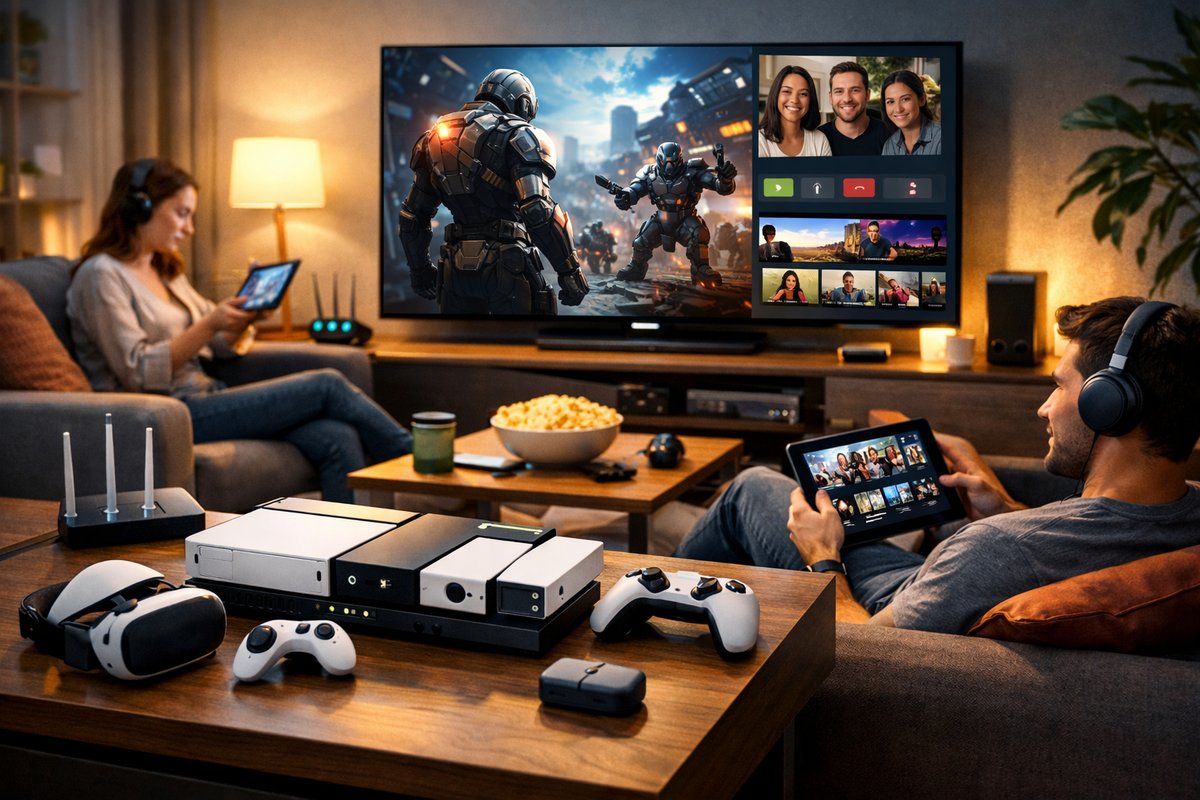
From on-the-go streaming to cutting-edge modular hardware, living rooms are transforming into versatile entertainment hubs. Advances in network stability, ergonomic design, and eco-conscious materials are powering a new era of play that blurs the line between games, video, and social experiences.
The modern living room is no longer just a place to relax-it’s becoming a high-performance gaming arena, a communal media lounge, and a design statement all at once. Thanks to advances in cloud gaming, modular hardware, and immersive accessories, the boundaries separating consoles, PCs, mobile devices, and streaming services are dissolving. Gamers and entertainment enthusiasts can now seamlessly shift from a handheld match on the subway to a 4K raid at home without changing platforms. Simultaneously, rising demand for customizable setups has spawned an ecosystem of hot-swappable keyboards, plug-and-play docks, and wireless peripherals that turn any space into a pro-level cockpit in minutes.
Cloud gaming is finally shaking off its early reputation for lag and pixelation. Recent network upgrades, including next-generation home routers and optimized data centers, mean some major software titles now stream at near-local speeds. Players can dive into competitive shooters or open-world epics at 60 frames per second and 4K resolution without downloading gigabytes of files. For families and rental spaces, this model offers instant access to full game libraries instead of tying up large downloads or physical discs. Early adopters report that casual sports games and narrative-driven adventures feel just as smooth on a mid-tier laptop as they do on a dedicated console.
Parallel to the rise of cloud services is the booming market for modular hardware. Enthusiasts who once built full towers from scratch are now gravitating toward compact, stackable PC docks that swap graphics cards, storage modules, and cooling systems with a single latch. Likewise, mechanical keyboards with hot-swappable switches let users experiment with different tactile profiles-trigger-style keys for shooters, linear switches for MMOs, clicky feedback for typing. Compact mice with interchangeable side panels and weight cartridges ensure the optimum balance for palm grip, claw grip, or fingertip play styles. These plug-and-play innovations respond directly to a growing desire for personalization and future-proofing.
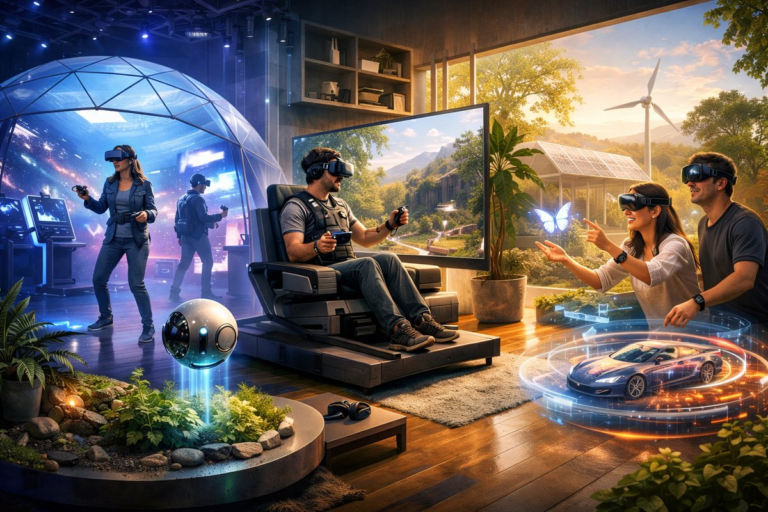
Virtual reality and augmented reality are also shedding their arcade-only status. Sleeker, wireless headsets now deliver higher fidelity visuals and extended battery life, making them viable for long sessions at home. Enthusiasts are building mini roaming zones in basements and living rooms, outfitting floors with low-profile sensors and foam mats for immersive sword fights or puzzle escapes. On the AR front, lightweight smart glasses are being piloted in fan-driven tabletop RPGs, overlaying digital maps and character models onto physical game boards. While true room-scale VR may still demand a bit of clear space, the industry is edging ever closer to a plug-and-play teleportation experience in even modestly sized apartments.
Beyond games themselves, streaming entertainment is weaving deeper into the interactive tapestry. Watch parties with timed chat overlays let viewers react together during live premieres, whether they’re cheering on a competitive match or unraveling a mystery thriller. Some services now allow players to drop in on friends’ gameplay streams to spectate or coach in real time, effectively turning idle watching into collaborative strategy sessions. These cross-platform social features blur the line between passive viewing and active play, giving rise to new forms of shared engagement that span both video and game content.
Indie developers and modding communities have proved equally adept at capitalizing on this synergy. Developers have released digital art books, behind-the-scenes video diaries, and even virtual listening parties for original soundtracks-all bundled with early access to experimental builds. Community modders, meanwhile, are hosting virtual film festivals inside popular sandbox games, complete with custom screens and seat arrangements. These hybrid events demonstrate how an era of fast-paced software updates and community-driven content can turn any living room into a festival hall or a curator’s gallery overnight.
With all this power on tap, ergonomics and sustainability have become front-of-mind concerns for discerning setup architects. Eco-friendly peripherals constructed from recycled plastics and FSC-certified wood blends offer a smaller carbon footprint without sacrificing performance. Energy-efficient power supplies and SSD-only storage arrays draw less wattage, leading to quieter operation and cooler running temperatures. Even LED lighting solutions now boast industry-leading ratings for electrical efficiency, while providing full RGB customization to match mood or game genre. The convergence of performance and responsibility shows that next-gen play can be both high-powered and low-impact.
While solo online matches remain a thrill, there’s renewed interest in local co-op and couch play. Developers are releasing updates specifically designed for split-screen campaigns, reviving the simple joy of passing a controller back and forth. Multi-screen arrangements-where a single PC drives three displays-allow friends to explore separate areas of a shared world simultaneously. Then there are retro-themed bar cabinets and tabletop arcade machines that slip into home decor while offering classic titles alongside modern hits. These local-first experiences remind us that gaming can be as much about side-by-side banter as it is about global leaderboards.
Mobile play has gotten a makeover, too. Snack-sized controllers clip onto nearly any phone, turning streaming games into handheld adventures. Portable battery banks now support pass-through charging, so a marathon session on the way to work won’t drain the device before you even get there. Some players mount their mobile rigs on fold-away tripods or wheel attachments to recreate the feel of a dedicated racing cockpit or flight stick-complete with adjustable grips and suction cups that stick to ducts or windshields. This new wave of mobile-centric accessories signals that “home” and “away” experiences are melding into a single, continuum of play.
Designing the ultimate living-room setup isn’t just about raw performance; it’s about ambiance. Furniture vendors are crafting low-slung consoles and adjustable stands that accommodate both an OLED TV for late-night horror games and a projector for weekend movie marathons. Ambient lighting panels sync up with on-screen action to cast dynamic hues across walls, heightening immersion in every scene. Soundbars and surround-sound systems tuned for both dialogue clarity and explosive bass let you switch from movie mode to gun-battle mode with a single button. When executed well, these elements combine to transform a neutral space into a multi-sensory playground.
Of course, any advanced setup comes with its challenges. Network reliability remains paramount for lag-free streaming; many households are investing in dual-band routers, mesh Wi-Fi extenders, and Ethernet backbones to keep packets moving. Cable management can be a puzzle when juggling multiple consoles, charging cables, and sensor arrays-so organizers, zip ties, and color-coded sleeves have made a comeback. Budgeting wisely across hardware tiers means balancing headline-grabbing flagship devices with well-rated mid-range alternatives that deliver most of the experience at a fraction of the cost.
Looking ahead, the horizon is dotted with fresh innovations. AI-driven content recommendations will learn to serve up not only game titles but companion media-short films, podcasts, and live events-tailored to individual play histories. Voice-activated controls will let you tweak graphics settings or invite friends without ever touching a controller. Smart home integration will extend voice and gesture cues across lighting, heating, and even aroma diffusers during spa-like exploration games. If the pace of change over the last two years is any indication, tomorrow’s living-room setups will look as quaint to us as CRT-based configurations from the early 2000s.
For now, designers, gamers, and families have all the tools they need to craft personalized entertainment zones that balance convenience, sustainability, and performance. Whether you’re streaming a battle royale from your phone in bed, assembling a custom micro PC on the desk, or hosting a hybrid watch-and-play party in the den, the building blocks of next-gen fun are available today. With a modular mindset and mindful setup choices, your living room can become the ultimate launchpad for every imaginable form of play.
As game publishers and accessory makers push boundaries, and as consumer tech continues its headlong rush toward convergence, one thing remains certain: home is where the game is. Embrace the modular revolution, experiment freely, and let the gear-and your creativity-shape the next chapter of entertainment at home.