Location
Mount Vernon, WA 98274

Location
Mount Vernon, WA 98274
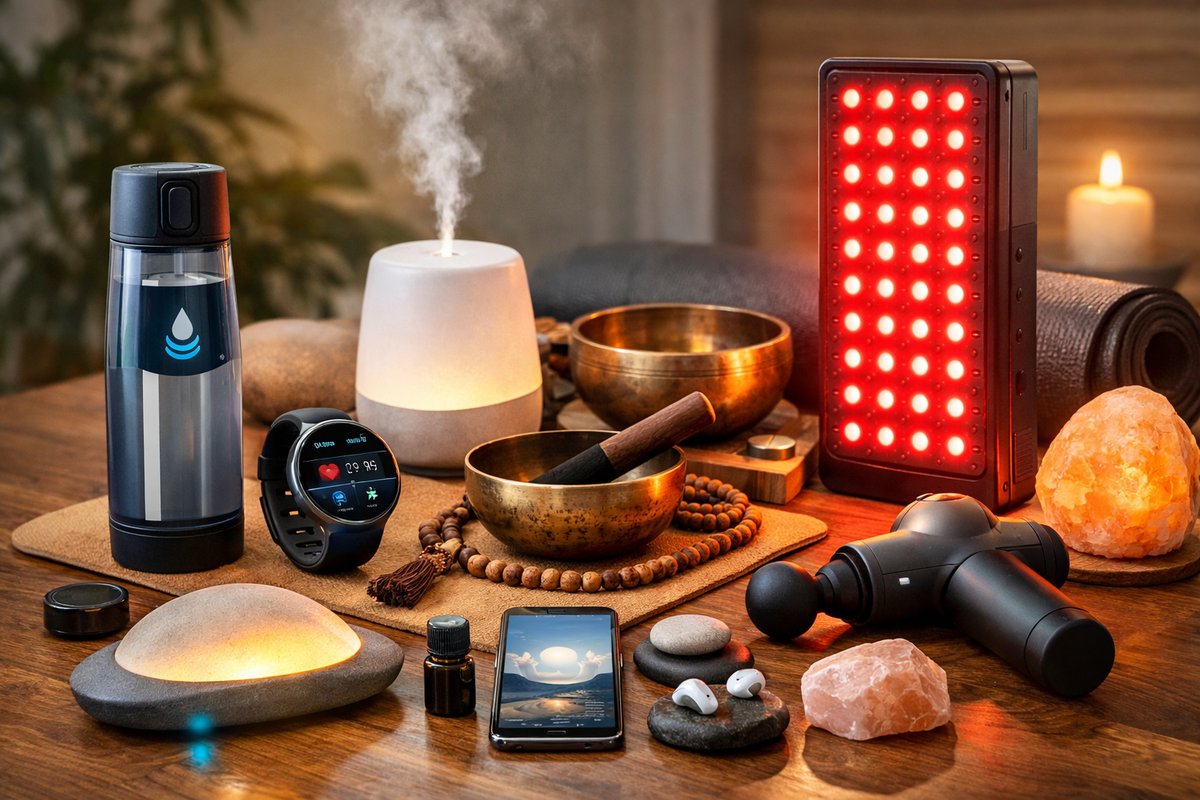
A new wave of integrative wellness tools is reshaping daily routines by combining technology, ancient practices, and mindful design. From hydration trackers to infrared light panels, discover the gadgets and gear helping people optimize physical vitality, sleep quality, movement recovery, and emotional clarity.
In recent months, a growing movement in health and wellness has shifted attention away from fads and quick fixes toward integrative, evidence-based tools that support long-term vitality. No longer confined to specialty clinics or pricey retreats, these innovations are entering living rooms and workspaces worldwide, offering practical ways to tune into hydration habits, recover muscles, enhance sleep, and foster mental clarity. We spoke with clinicians, fitness coaches, and everyday users to explore how these devices and accessories are weaving into daily routines-and why they may be worth adding to your self-care arsenal.
Passionate about hydration, nutritionists say most people underestimate how critical consistent fluid intake is for both physical performance and cognitive function. Enter the smart hydration tracker bottle: a water container embedded with sensors that monitor fluid intake throughout the day. Users receive gentle glow reminders or smartphone alerts when it’s time to sip, and detailed logs reveal trends in hydration patterns. Many report improved energy levels, better concentration during long work sessions, and reduced afternoon headaches simply by staying on track with their personal water goals.
Light therapy is also stepping out of clinical settings. Infrared and near-infrared light panels once reserved for professional recovery centers are becoming more accessible for home use. By emitting specific wavelengths of red and near-infrared light, these devices target muscle tissue and skin at a cellular level-fostering improved circulation, reduced inflammation, and accelerated recovery after workouts or long hours at a desk. Users place panels near sore joints, shoulders, or quads, and report feeling less stiffness and fatigue after just a few weekly sessions.
When evening approaches, many wellness enthusiasts turn to weighted sleep blankets to support rest and relaxation. Drawing inspiration from deep-pressure therapy techniques used in occupational therapy, these blankets apply gentle, even weight that soothes the nervous system and promotes the release of calming neurotransmitters. Those who struggled with wandering thoughts or restless tossing find that the subtle, distributed pressure helps guide them into deeper, more restorative sleep cycles-often without needing any additional medication or supplements.
Movement professionals remind us that consistent muscle recovery plays a major role in preventing injury and boosting performance. Yet foam rollers and massage sticks remain staples in gym bags and home gyms for a reason: they deliver targeted, self-applied pressure to break down tension in muscles and fascia. Today’s versions often come shaped to cradle the spine or sculpted to reach tight hips and hamstrings. With adjustable firmness levels and anti-slip surfaces, these rollers give users a portable massage experience. Combined with short mobility routines, they’ve become indispensable for runners, cyclists, and anyone who sits for long stretches.
Beyond physical recovery, wellness enthusiasts are keen to address the less-tangible side of health: emotional clarity and stress resilience. Here, simple tools such as blue light blocking glasses and acupressure mats have gained traction. Blue light blockers filter out the high-energy visible spectrum emitted by screens, helping to preserve melatonin levels and reduce eye strain during late-night device use. Meanwhile, acupressure mats-laid on the floor or against a wall-feature thousands of tiny plastic points that gently stimulate pressure points in the back, shoulders, and feet. Five to ten minutes of standing or lying on one can release endorphins, calm the nervous system, and leave users feeling centered without any guided meditation required.
Speaking of meditation, wireless earbuds optimized for white-noise, guided breathing, or sound meditation channels have transformed how people find pockets of calm amid busy schedules. Lightweight, sweat-resistant models with adaptive noise cancellation allow practitioners to step outside, into a park, or even between cubicles and fully immerse in a multi-session meditation course. In one recent survey, 68 percent of respondents reported reduced anxiety levels within two weeks of daily practice using these audio devices-and many appreciated not needing to carve out a silent sanctuary in the home.
Wellness isn’t just about individually curated gadgets-it’s also about creating environments that reinforce well-being. Indoor circadian lighting systems, which shift color temperature and brightness throughout the day, help align our internal clocks with natural daylight patterns. Paired with indoor air purifiers that filter out common pollutants and allergens, these solutions aim to support cognitive focus during the day and deeper sleep at night. Meanwhile, incorporating houseplants or biophilic design elements adds the final flourish-lifting mood and improving air quality through simple, living décor.
Cost considerations and accessibility remain at the forefront for many. Fortunately, a number of these tools range from budget-friendly to premium tiers, allowing users to mix and match based on individual needs and budgets. Community-driven platforms now enable users to share tips on DIY implementations, second-hand equipment exchanges, and micro-workshops on proper usage. Clinicians stress that consistency and safe practices matter more than owning every device on the market-encouraging people to test one or two pieces, observe their impact, and adjust from there.
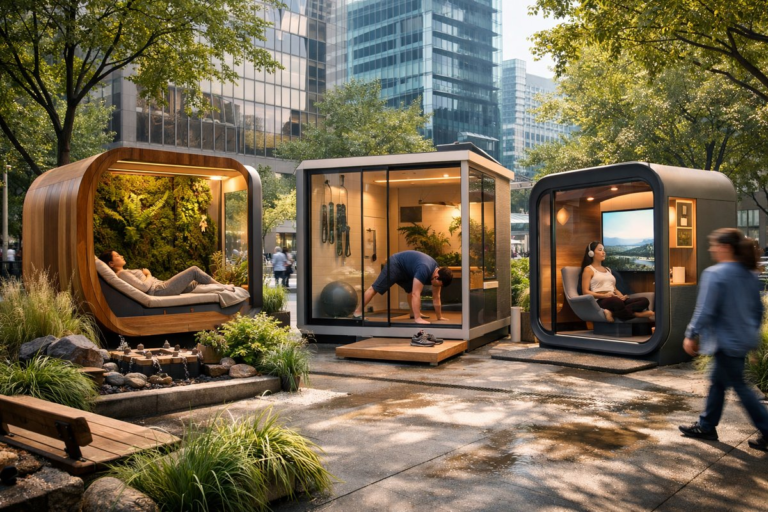
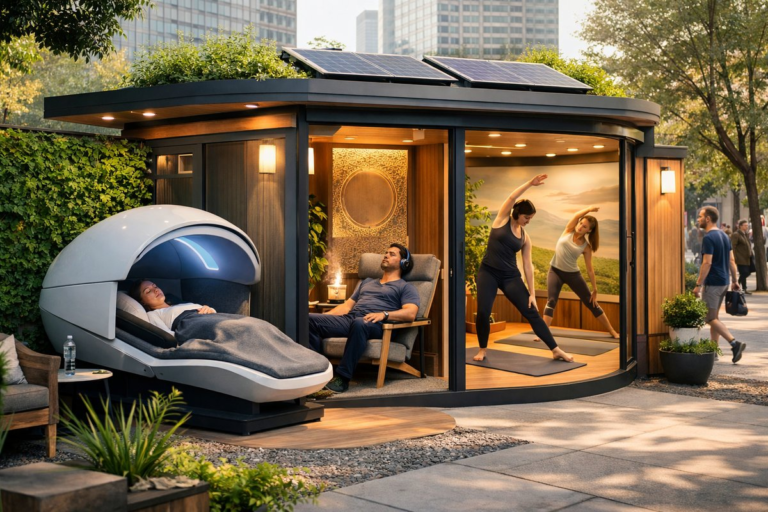
Looking ahead, integrative wellness promises to continue spawning innovations that blend digital insights with low-tech design. We can expect more compact, solar-powered options for outdoor athletes, AI-driven coaching embedded in everyday appliances, and collaboration between architects and wellness experts to craft homes that breathe, adapt, and support holistic health.
Whether you’re seeking breakthroughs in sleep quality, striving for post-workout recovery, or simply craving a moment of calm in a hectic day, the expanding toolkit of wellness devices offers practical pathways to support both body and mind. As these tools gain traction beyond elite athletes and boutique studios, they’re empowering people everywhere to cultivate resilience, clarity, and vitality-one sip, one session, and one restful night at a time.