Location
Mount Vernon, WA 98274

Location
Mount Vernon, WA 98274
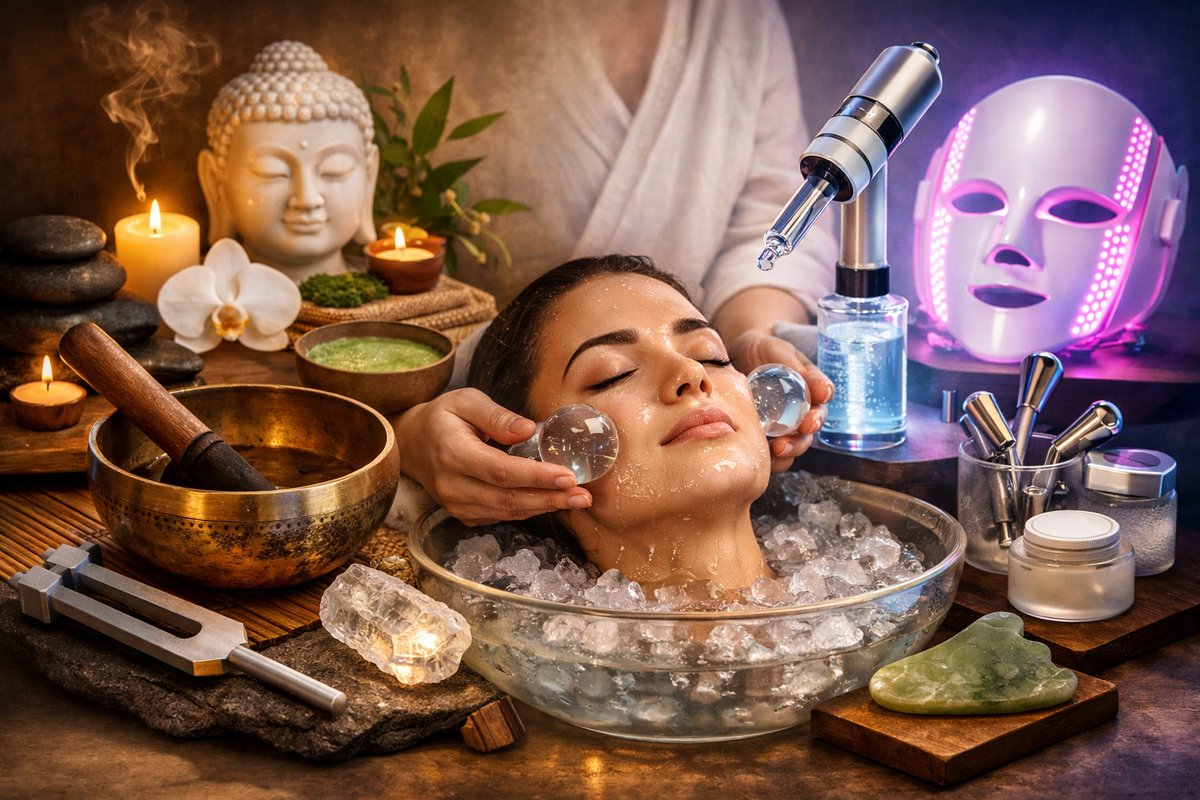
A wave of hybrid beauty rituals is sweeping both spas and living rooms, merging ancient traditions with cutting-edge science. From sonic serums to cold-plunge facials, these practices promise not only glowing skin but a deeper sense of calm and connection.
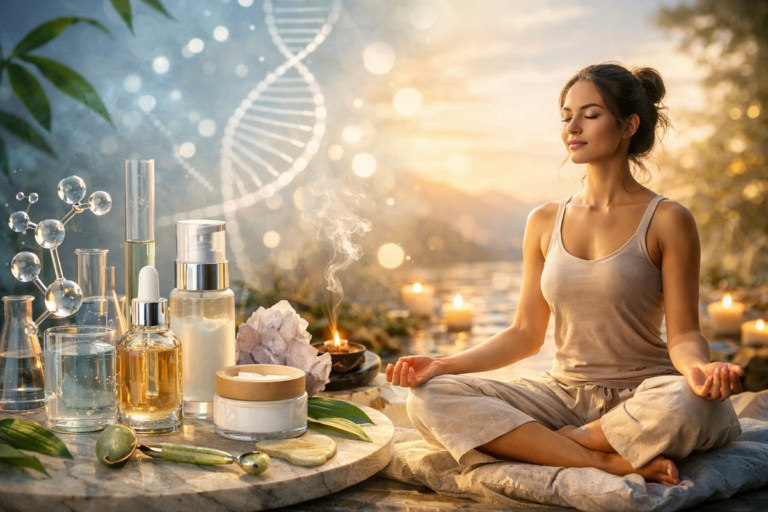
A quietly radical shift is unfolding in the beauty world, one that goes far beyond the next bestselling serum or the flashiest gadget. In recent months, beauty editors, wellness coaches, and skincare labs have all noticed a surge of interest in what insiders are calling “holistic skin alchemy”: practices that blend time-tested rituals with the latest scientific breakthroughs. The goal is no longer just surface transformation but a profound experience that nourishes skin and spirit at once.
This movement has drawn on a surprising array of sources. Ancient Japanese rice water rinses are finding new life alongside modern adaptogen-infused serums. Sauna-plunge sessions borrowed from Nordic wellness circles are paired with mineral-rich facials. And most strikingly, some practitioners are integrating sound waves-once the domain of meditation apps-into topical treatments, using calibrated sonic frequencies to enhance serum absorption while promoting emotional release.
A recent study from a biochemistry lab in Southern California showed that low-frequency sonic vibration can increase microcirculation in the skin by up to 22 percent. That boost allows active ingredients like vitamin C derivatives and peptides to penetrate more deeply, improving collagen synthesis over time. While scientific journals are still peer-reviewing the data, spas in major cities have already rolled out “sound-activated serums,” inviting clients to lie back with headphones and a slick of mineral-rich gel as gentle hums help carry nutrients into the skin’s layers.
Meanwhile, adaptogen concentrates-extracted from roots like ashwagandha and schizandra-are being reincarnated as topical boosters. Once prized for their stress-modulating effects when ingested, these extracts are now formulated for overnight masks and weightless drops. Lab tests suggest that the bioactive compounds can calm inflammation triggered by environmental stressors such as pollution and blue light, offering a two-fold benefit: a more even complexion and a subtle sense of relaxation before lights-out.
The spa industry has been quick to package these innovations into signature rituals. At a wellness center in downtown Los Angeles, clients can book a “Botanical Sound Cocoon”-a 60-minute treatment that combines a cold-plunge mist, an adaptogen serum, and customized tonal sequences. Reviewers describe it as a cross between a facial and a mini sound bath, with skin that looks visibly plumped afterward and an unexpected mental lightness that can last for days.
Across the Atlantic, a meditative spa in Copenhagen has paired its ceramic sauna suite with a rice-water hair and face rinse inspired by sake-brewing traditions. Patrons sit in a gently steaming room rich with the rice-water aroma, then move to an adjacent cold plunge filled with mineral salts. Advocates say the ritual helps tighten pores and boost circulation, while the rice water delivers amino acids that promote barrier repair.
But it isn’t just luxury spas fueling these rituals. TikTok videos showcasing self-administered cold-mist facials, amber glass dropper blends, and DIY gua sha techniques have gone viral, democratizing tools once accessible only to estheticians. Many users combine tojikomi-style masking-layering hydrating sheet masks one atop another-with short bursts of LED light therapy. Their feeds fuse playful self-expression with dermatologist-informed explanations of barrier function, transepidermal water loss, and microbiome balance.
Dermatologists are watching these trends with cautious optimism. Dr. Avery, a board-certified skin specialist who requested anonymity, notes that while not all techniques are backed by rigorous trials, the underlying philosophy of skin health as a holistic endpoint is overdue. “We’ve been focused on wrinkle reduction and pigmentation correction for decades,” she says. “These new rituals remind us that good skin is more than a checklist of peptides and acids. It’s about how you feel in your body and mind, too.”
Some caution is still warranted. Cold-plunge facials may stress the capillary network if overdone, leading to temporary redness or sensitivity. Overuse of sonic rollers can exacerbate inflammation in compromised skin. And while natural extracts like adaptogens have anti-inflammatory potential, allergic reactions remain possible. Experts advise patch-testing new ingredients, spacing out treatments, and paying attention to skin’s response rather than chasing immediate results.
Yet the appetite for meaningful experiences continues to grow. Beauty brands are investing in labs dedicated to ritual design, hiring sound therapists, traditional herbalists, and even scent makers to craft multi-sensory ceremonies. One startup is exploring micro-drip infusion masks that release botanical essences over a slow, hour-long steam, all timed to a custom playlist designed to lower heart rate.
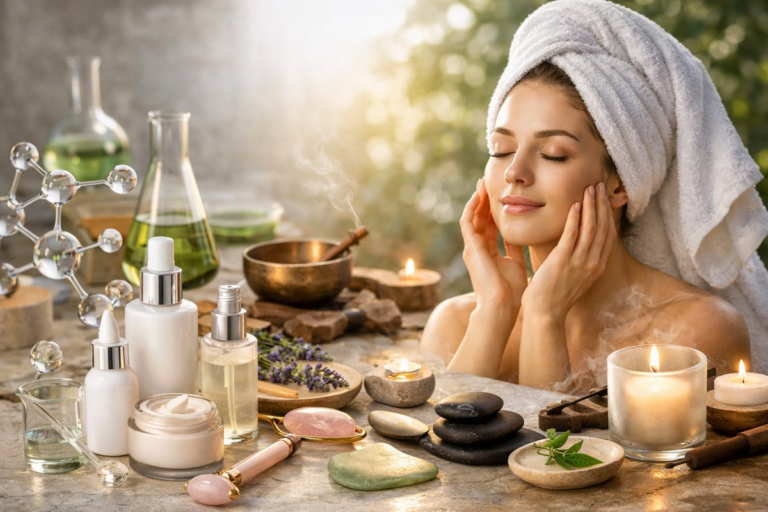
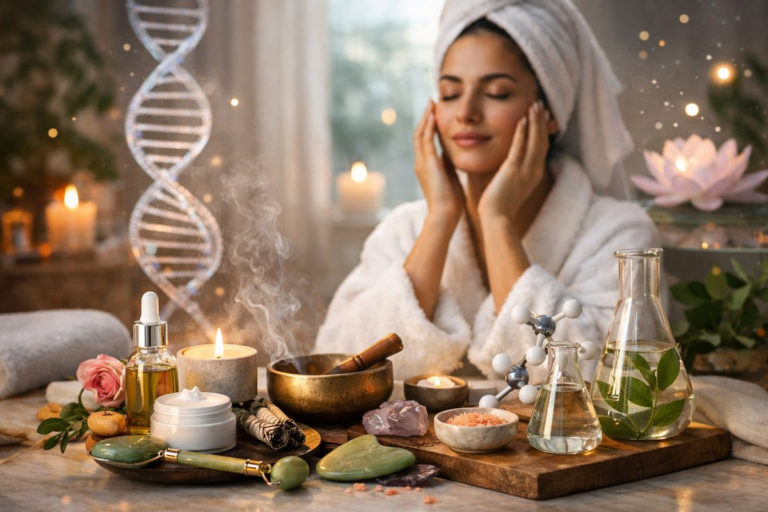
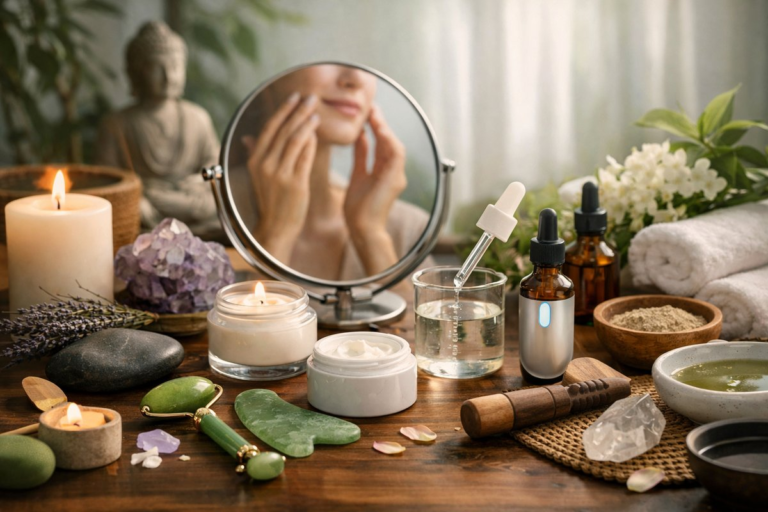
At home, these practices translate into accessible daily routines. A typical evening might start with a mineral-rich cleansing ritual, followed by a few minutes of facial massage using a smooth stone tool. Next comes a layer of antioxidant serum, applied in gentle, upward motions. A cool-mist facial spritz wakes skin just before a sheet soak-which could be a hydrogel mask enriched with marine collagen or a cotton mask drenched in fermented botanical extracts. Finally, a calming mist with adaptogens seals the routine, leaving skin soft and mind quieted.
The emotional payoff may be as significant as the dermal one. Many enthusiasts report that these rituals serve as daily anchors, opportunities to slow down and connect. “I started chasing the perfect glow, but I ended up finding my calm,” says one blogger. “Now my bathroom shelf looks more like an altar than a vanity.” That sense of care and intention-more than any single serum-may be the strongest signal that beauty practices are evolving in a more personal, more powerful direction.
What’s next? Industry insiders anticipate further crossovers, such as AI-guided scent pairings or wearable sensors that adapt skincare delivery in real time based on humidity and stress markers. But for now, the most compelling innovations invite users to step off the clock and enjoy a moment that uplifts both skin and soul. Beauty, it seems, is finally embracing its fullest purpose: not just to make us look better, but to help us feel whole.