Location
Mount Vernon, WA 98274

Location
Mount Vernon, WA 98274
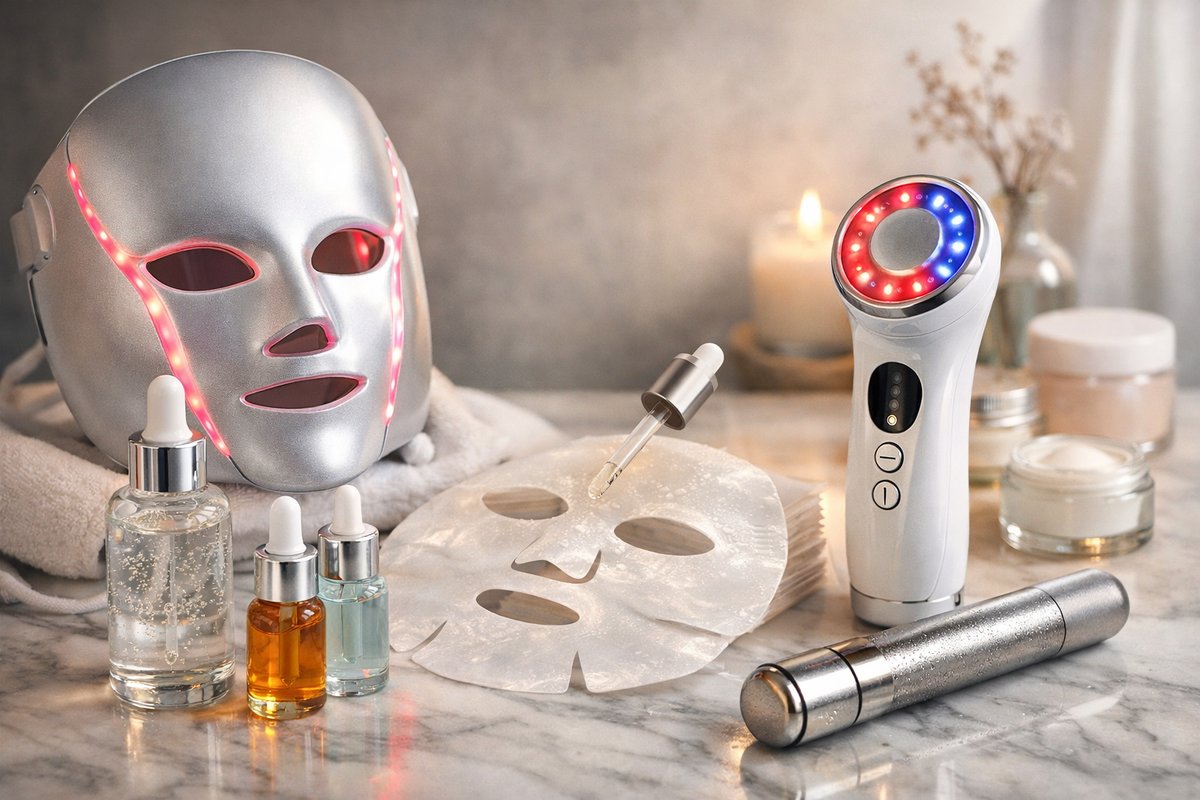
As modern beauty rituals merge cutting-edge science with soulful self-care, consumers are embracing tools and formulations once confined to professional spas. From microbiome-support toners to customizable sheet masks, at-home LED devices and cold-therapy wands, new innovations are reframing daily skin rituals as personal acts of empowerment.
Beauty routines are undergoing a radical transformation. Once dominated by rows of glass bottles and cream jars, today’s vanity counter has room for devices, digital scans and interactive ingredients. In the past year, major cosmetics researchers and biotech startups alike have unveiled a wave of innovations that blur the line between laboratory and lifestyle. From ingestible probiotics aimed at boosting the skin’s microbial landscape to smartphone apps that generate ingredient recommendations in real time, skincare is evolving into a multi-sensory ritual combining science, sustainability and self-reflection.
Serums remain the cornerstone of any modern protocol, but their formulas are more advanced than ever. Peptide complexes derived from lab-grown amino acids are now small enough to penetrate the skin’s protective barrier and activate repair pathways at a cellular level. In a recent clinical review, dermatology researchers noted that trilactic acid-peptide hybrids delivered visible firmness improvements in four weeks. Meanwhile, high-molecular-weight hyaluronic acid binds moisture at the surface while low-weight fractions sink deeper to plump fine lines. These dual-action molecular cocktails have become status symbols among ingredient-focused enthusiasts, carving out a niche beyond traditional vitamin C and retinol routines.
Equally compelling is the rise of microbiome-support toners. Driven by research showing that a balanced skin flora enhances barrier function and reduces inflammation, formulations now include prebiotic sugars, ceramide analogues and microbial lysates to foster healthy bacterial colonies. At a recent trade fair, a leading eco-conscious beauty group showcased a waterless toner pad infused with ferment-derived humectants and sealed in compostable pouches. According to market analysts, the global microbiome skincare segment surpassed $300 million last year and is projected to grow at double-digit rates, reflecting consumer appetite for products that work in harmony with the skin’s ecosystem.
Sheet masks-once a weekly indulgence-are undergoing a modular makeover. Pop-up experiences in major cities now let customers design their own sheet mask cocktails on the spot: choose a base of collagen-boosting hydrogel or ultra-thin biocellulose, then add boosters like niacinamide brightener, peptide elixir or green tea antioxidant. A handful of beauty studios have launched refill stations for dissolvable mask fibers, reducing single-use plastic while empowering ritual customization. This on-demand model not only trims waste, it invites users to treat mask application as a creative moment, blending textures, scents and active profiles to suit mood and season.
At the intersection of gadgetry and glamour, LED light therapy devices are shining brighter than ever. Once the exclusive domain of clinic-grade panels, compact LED wands and mask shells equipped with red, blue and near-infrared diodes now sell out within hours of launch. Enthusiasts report reduced redness, accelerated repair after micro-needling and a newfound ritualistic glow following three sessions per week. Regulatory filings show that these at-home devices can emit power densities comparable to professional units, provided they include built-in safety timers and wavelength calibration. As wellness influencers document night-time “light baths,” the technology is gaining mainstream cachet as a futuristic form of self-care.
Digital tools are tethering beauty routines to data in unprecedented ways. AI-driven skin analysis apps scan selfies under controlled lighting, quantifying pore size, texture irregularities and pigmentation patterns with machine-learning algorithms. Within seconds, users receive a personalized regimen of cleansers, exfoliants and targeted treatments sourced from vetted suppliers. These platforms are partnering with virtual dermatology consult services, so consumers can seamlessly transition from an at-home assessment to a telehealth prescription. By harnessing computational power, these digital companions hope to democratize access to advanced skincare protocols once limited to in-person visits.
Cold therapy has emerged as another pillar of ritual-focused routines. Cryo rollers, ice globes and chilled face massage wands claim to constrict capillaries and reduce puffiness while boosting microcirculation. A recent survey of spa directors found that 65 percent plan to add cryotherapy treatments in their menu next year, citing consumer demand for noninvasive solutions that can be self-administered. At-home versions made of stainless steel or sapphire glass remain cool for up to ten minutes, offering a refreshing counterpoint to the heat and friction of gua sha or micro-needling.
Beauty rituals are as much about mindset as they are about materials. Guided audio meditations tailored to skincare application are gaining popularity, encouraging users to breathe deeply, set an intention and treat each step as a moment of self-worth. Sound baths, rose-petal steams and gentle acupressure sequences often accompany multi-step routines, recasting the bathroom mirror as a sanctuary for reflection. Wellness coaches champion the idea that mindful touch releases oxytocin, reinforcing the emotional benefits of caring for one’s skin with intention.
Sustainability has become nonnegotiable in product development. Refillable serum bottles with magnetic pump tops, concentrated powder cleansers activated by water at home, and compostable single-dose sachets are reducing both carbon footprints and pile-ups of plastic waste. Ingredient sourcing now comes with blockchain-verified traceability, allowing consumers to scan QR codes and trace almond oil or botanicals back to farm cooperatives. These transparent supply chains not only ensure ethical standards, but also ignite emotional connections as users feel linked to the land and communities that cultivate raw materials.
Inclusivity is reshaping shade ranges and texture profiles. In parallel to hardware innovation, formulation labs are adopting pigment-dispersion techniques that accommodate a wider spectrum of skin tones without sacrificing finish or stability. Foundation serums, cushion compacts and tinted droplets now launch in 30 to 50 shades, each engineered for a seamless color match and breathable coverage. For acid-based peels and exfoliating pads, concentration levels are offered in tiered strengths-beginner, intermediate, expert-so users can progress safely without guesswork.
Dermatology experts note that many of these trends are converging toward greater personalization. Automated gene sequencing services, currently in clinical trials, aim to decode individual genetic markers linked to barrier function and collagen synthesis. DNA-driven skincare platforms promise to suggest custom blends of growth factors, antioxidants and peptides calibrated to one’s unique molecular profile. While still emerging, these next-generation approaches hint at a future where every drop applied has been designed for one specific person’s skin blueprint.
As we stand at this crossroads of technology, ritual and sustainability, the act of caring for our skin has transcended surface-level beautification. Each innovation-from microbiome-support toners to at-home LED masks-invites deeper engagement, turns routines into meaningful pauses and aligns self-care with broader values. In a fast-paced world, these high-tech rituals remind us that beauty is not just an outcome but a pathway toward resilience, presence and personal expression.