Location
Mount Vernon, WA 98274

Location
Mount Vernon, WA 98274
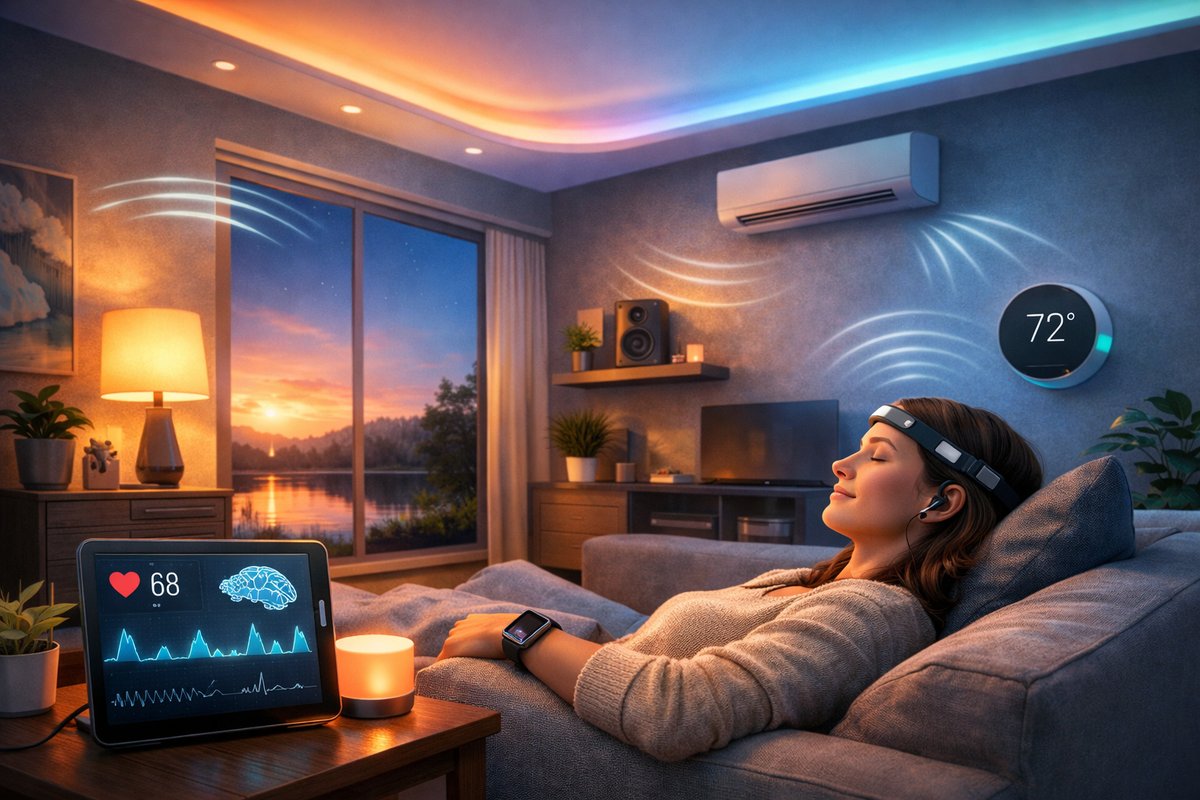
A growing wave of sensory design combines biofeedback sensors with smart home systems, enabling lighting, climate, and soundscapes to adjust in real time to residents' emotional states. Early adopters report improved well-being and energy savings as homes become attuned to human rhythms.
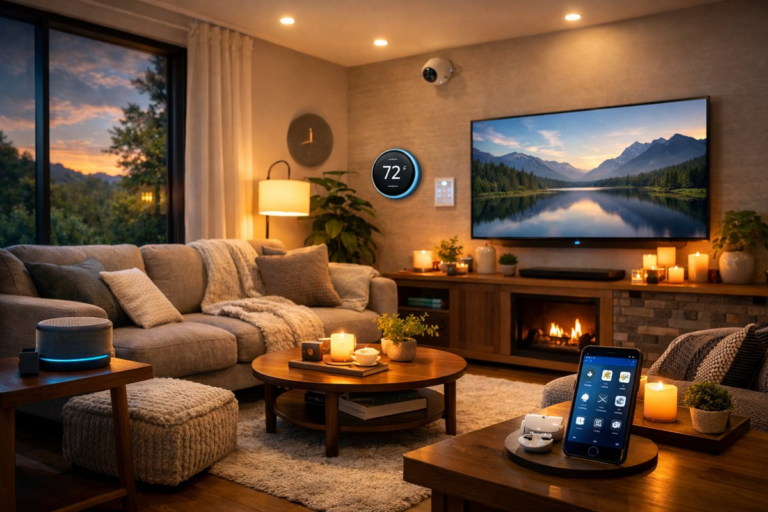
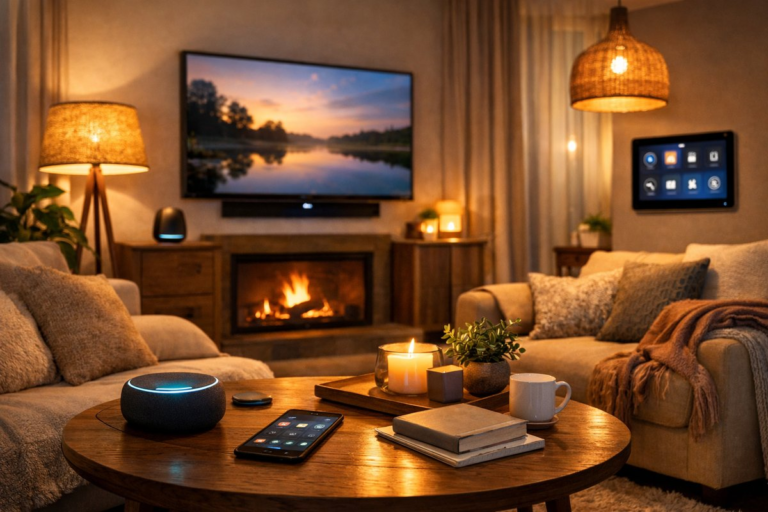
In a quiet neighborhood on the city’s edge, one household has become a real-life demonstration of sensory design. Here, living room lights flush warm amber as stress levels dip, while gentle green hues emerge when alertness peaks. A soft, nature-inspired soundscape drifts in at night, lulling occupants toward sleep. This isn’t magic-it’s a pilot project from a local design collective integrating wearable biofeedback devices with smart bulbs, thermostats, and audio systems. The result is a flexible environment that senses heart rate variability and skin conductance, then adapts ambience in real time to promote balance and calm.
Such immersive home experiences mark a shift in residential design. Early adopters, clinical researchers, and tech firms are collaborating to pioneer systems that respond to more than schedules and weather forecasts. The concept, dubbed “sensory design,” prioritizes emotional intelligence at home. By harnessing data from multiple sensors-wristbands, wall-mounted trackers, and even smart textiles-houses gain awareness of residents’ moods and energy levels. As a result, lighting softens for meditative moments, climate settings shift for afternoon fatigue, and personalized soundscapes replace one-size-fits-all playlists.
At the heart of these systems lie biofeedback sensors. Wearable devices that monitor heart rate variability and galvanic skin response feed continuous data streams to a central home hub. In a recent pilot study at a university research lab, participants exposed to smart-adaptive rooms reported up to 25 percent lower perceived stress compared to control environments. According to researchers, embedding these feedback loops within everyday spaces could reshape long-term wellness outcomes and strengthen mind-body connections. Teams are now exploring compact, unobtrusive sensors integrated into décor-picture cushions or wall panels that sense tiny fluctuations in body temperature or perspiration.
Lighting plays a starring role in sensory design. Tunable LED bulbs with adjustable color temperatures and brightness levels have existed for years, but pairing them with mood data is new. Studies show that cooler, bluer light boosts alertness during daytime tasks, while warmer hues in the evening aid melatonin production and sleep quality. By linking circadian insights with individual biometric patterns, homes can autonomously adjust scenes-bright white-blue tones for focused work in the morning, shifting toward soft amber as daylight wanes. Early participants say this adaptive illumination feels less jarring than manual switches and helps preserve natural sleep cycles.
Climate control is also evolving. Next-generation smart thermostats now accept biometric triggers in addition to motion and outdoor weather. In one model, temperature setpoints inch up when stress indicators rise, creating a subtle sense of warmth that can soothe tense muscles. Conversely, slight cooling during midday lull helps maintain focus. Although the average energy impact remains under review, preliminary estimates from an energy consultancy suggest zoned, moment-to-moment adjustments could trim heating and cooling bills by five to ten percent annually. As these devices communicate over standard home networks, homeowners can opt in or out of specific triggers to balance comfort, cost, and privacy.
Air quality monitors are stepping into the sensory equation, too. Beyond tracking CO2 levels and volatile organic compounds, advanced units now gauge particulate patterns that correlate with respiratory stress. In one pilot, an air monitor detecting increased VOCs prompted the ventilation system to boost fresh-air intake while dimming lights to signal a more restful state. Although direct links between air quality and mood are under scientific review, anecdotal feedback underscores the value of holistic, multisensory environments where every element-from temperature to scent-works in concert to support well-being.
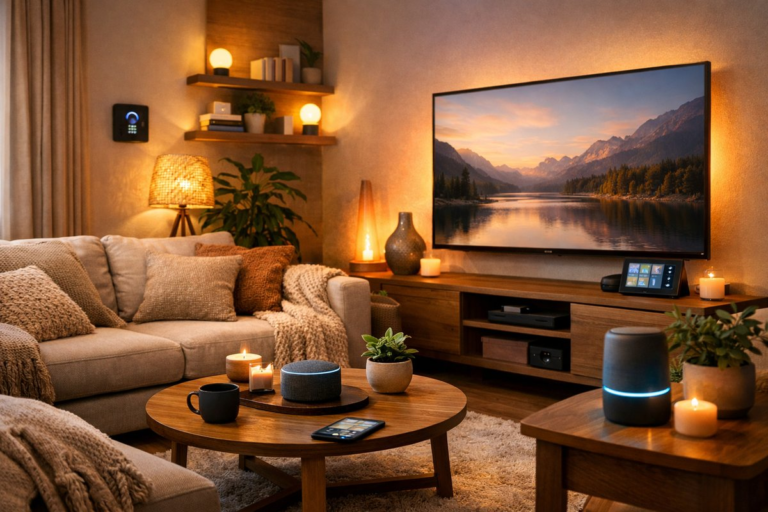
Sound design anchors many sensory setups. Instead of static playlists, smart audio systems generate dynamic soundscapes-flowing streams, distant whale calls, or gentle wind through forest leaves-triggered by stress spikes or concentration needs. Some configurations employ directional speakers to craft private acoustic zones, ensuring conference calls remain clear in a home office while the living room fosters relaxation. As homeowners report fewer interruptions from external noise and greater mental clarity, professional designers are exploring modular acoustic panels that blend functional sound control with aesthetic flair.
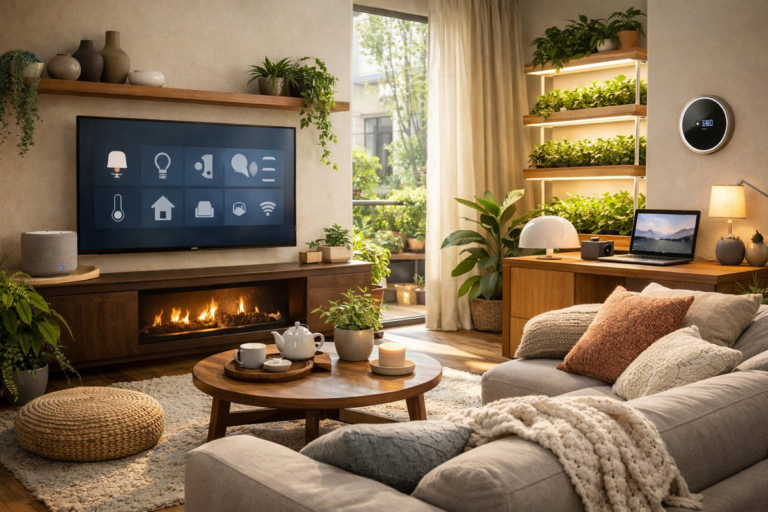
Textiles and materials are joining the conversation. Smart fabrics embedded with temperature-sensing threads can nudge thermostats by detecting changes in body heat distribution. Meanwhile, tactile wall coverings-ranging from clay-infused panels to engineered cork-offer grounding textures and natural insulation. Biophilic design principles remain integral, with greenery and living plant walls further softening environments and promoting air purification. These combinations amplify sensory impact: a calm-inducing moss panel that stabilizes humidity, paired with adaptive lighting tuned to the plant’s own photosynthetic needs.
One of the most compelling benefits of sensory design lies in sustainability. Homes that fine-tune climate and lighting only when and where needed inherently waste less energy. According to a recent market report, adaptive building controls could reduce residential energy consumption by up to 15 percent by 2030. As utility costs rise, energy-savvy consumers find extra motivation to invest in systems that marry wellness and efficiency. Public incentives, rebates, and green-certification programs are beginning to acknowledge these integrated solutions, further boosting adoption.
Yet challenges remain. Privacy and data security top the list of concerns. Continuous monitoring of physiological signals raises questions about who owns and accesses personal data. Designers urge transparent opt-in consent models and local data processing that avoid cloud-based vulnerabilities. Interoperability is another hurdle: many legacy devices lack standard communication protocols, complicating seamless integration. Initiatives to establish unified frameworks are underway, but widespread compatibility may take years to achieve.
The market outlook for sensory design appears promising. A recent forecast from an industry analyst projects the global adaptive interiors sector to exceed $12 billion in value by the decade’s end. This encompasses hardware-sensors, smart lighting, advanced HVAC controls-and software platforms that orchestrate them. Health-focused insurance programs are eyeing premium discounts for participants who retrofit homes with mood-responsive systems. Corporate leasing firms are evaluating sensory apartments as a selling point for renters seeking wellness-oriented living.
Looking ahead, artificial intelligence promises deeper personalization. Machine-learning models could identify subtle patterns in emotional rhythms and anticipate needs before sensors detect overt changes. Homes might one day suggest a mid-afternoon break when productivity dips or subtly shift wall projections to evoke memories of calming spaces. Collaboration between architects, engineers, and behavioral scientists will be key to designing intuitive, ethical, and emotionally intelligent environments.
Back in that suburban test home, residents describe a renewed sense of harmony. Morning coffee tastes richer as soft daylight grows in step with their waking rhythms. Evening unwinds feel more complete without screens-just the house itself responding like a thoughtful companion. As sensory design moves from pilot projects into mainstream home upgrades, this blend of technology and empathy could reshape our relationships with the spaces we call home.