Location
Mount Vernon, WA 98274

Location
Mount Vernon, WA 98274
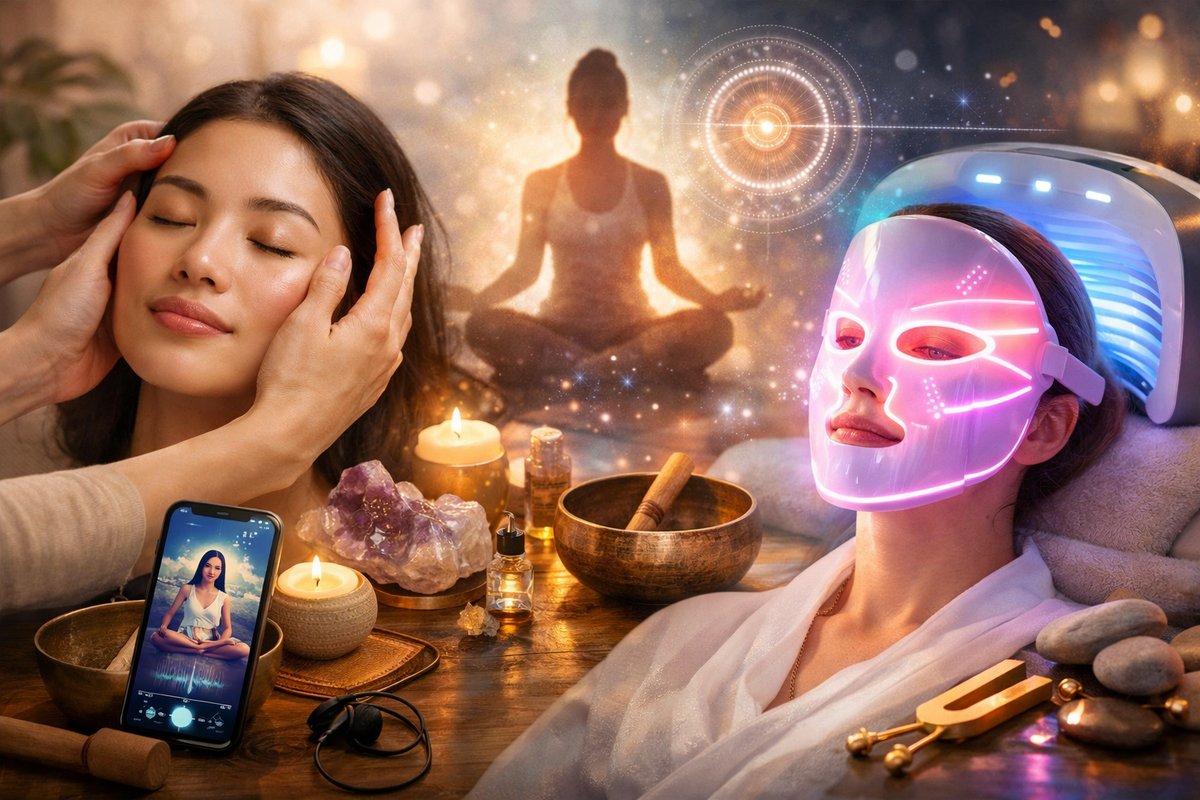
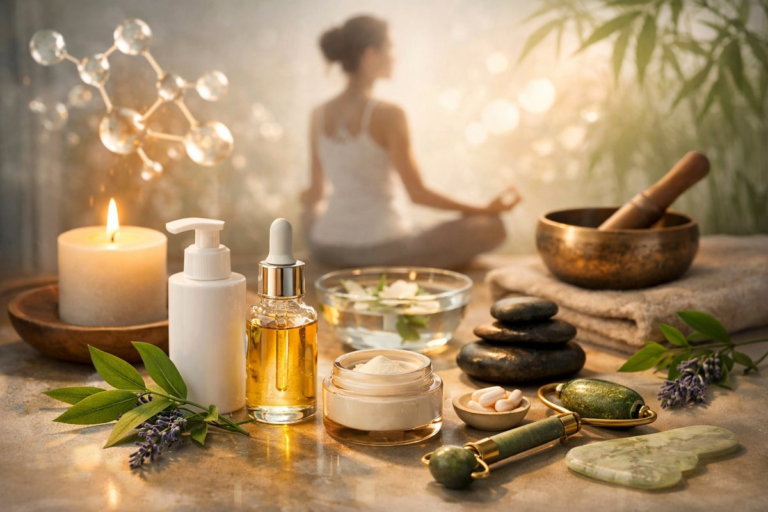
A new wave of beauty rituals weaves together ancient skin therapies, digital tools and sensory immersion. From guided face massages paired with meditation apps to light-therapy masks set to healing frequencies, today's skincare routines are as much about emotional balance as they are about glow.
In cities around the globe, beauty enthusiasts are trading in their lone serum drops for immersive, multi-sensory routines that blend time-honored traditions with cutting-edge technology. What began as a handful of spa retreats offering sound-healing facials and jade-tool gua sha sessions has blossomed into a full-blown movement: skincare as self-care, where every drop and every tool is calibrated not only to boost collagen or fade dark spots, but also to shift mood, calm the nervous system and forge moments of mindful presence.
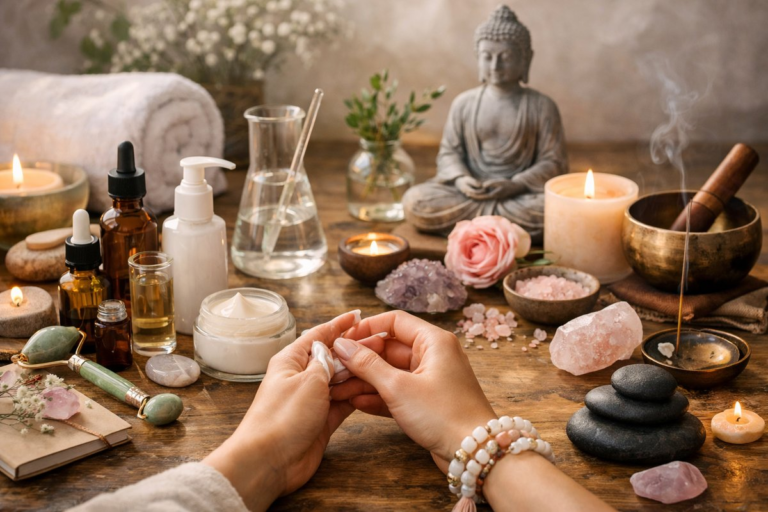
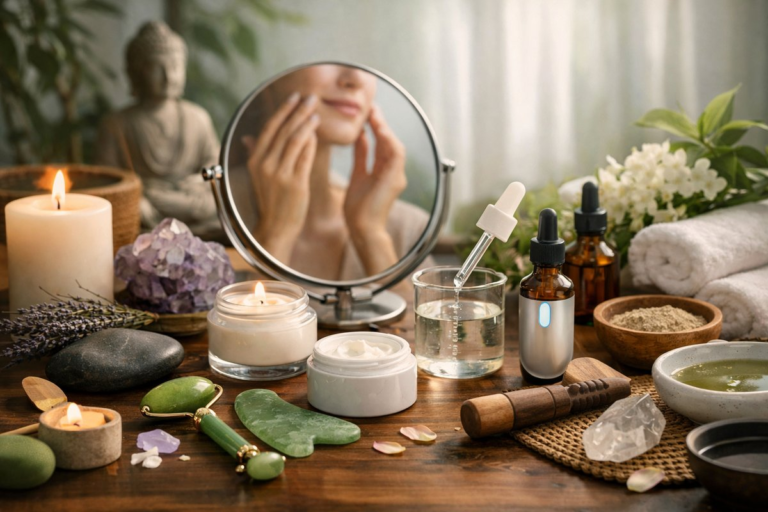
Daily face-washing-once the height of a basic routine-now opens a door to ritual. At home, an app might guide you through a three-minute cupping massage synced to a breathwork track. A gentle mist of hyaluronic acid follows, delivering hydration through a nano-spray nozzle engineered for ultra-fine particles. Ambient lights shift from warm amber to cool white as the next step invites you to stroke a rose quartz roller across your jawline, all while listening to low-tone gongs that promise to unlock tension at the fascia level.
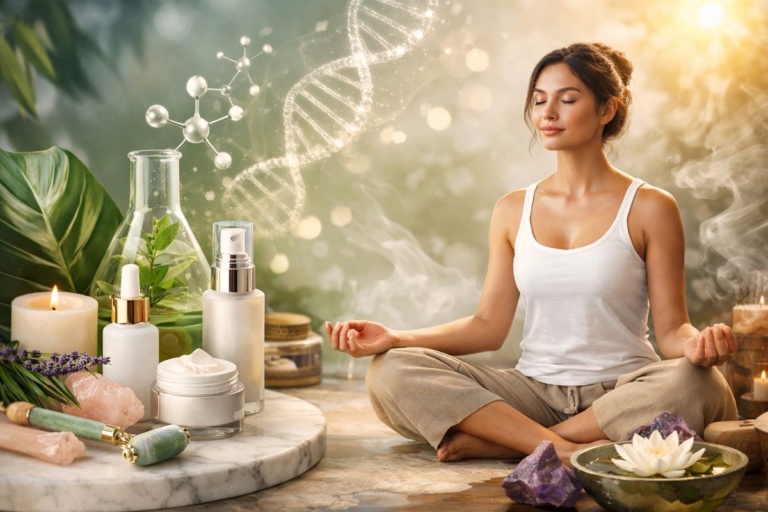
What sounds like spa-day fantasy is in fact the cutting edge of a beauty trend backed by recent research. A study published in the Journal of Cosmetic Dermatology found that daily facial massage can increase microcirculation in the dermis by up to 35 percent, enhancing nutrient delivery and natural radiance. Meanwhile, early trials on low-level light therapy devices suggest that red and near-infrared wavelengths may stimulate fibroblast activity, laying the groundwork for firmer skin over time. By integrating these therapies with the psychology of ritual-steady repetition, sensory focus and mindful intention-modern practitioners are seeing benefits that extend far beyond the epidermis.
“It’s not just about fighting wrinkles,” says a London-based skin therapist. “When clients commit to a routine that engages sight, sound, touch and scent, we notice improved sleep, reduced stress hormones and even shifts in posture. That holistic feedback loop reinforces their sense of well-being, which in turn reflects back on their complexion.”
Salon brands and indie startups alike have raced to fill the demand. Some offer at-home kits pairing guided audio tracks with specialized tools: a gua sha stone carved from ethically sourced marble, a zone-targeting vitamin C serum delivered via a micro-needle patch, or a customizable LED mask that adapts light intensities to your daily skin-profile report. Others lean into scent science: an aromatherapy diffuser calibrated to release tiny bursts of lavender, bergamot or cedarwood at key points in the regimen, each fragrance chosen to amplify relaxation, clarity or focus.
Beauty houses are also exploring cross-pollination with other wellness fields. Meditation instructors collaborate on “skin-to-spirit” courses, teaching users how to tap into acupressure points on the face to relieve anxiety or enhance concentration. Sound-bath facilitators team up with dermatologists to craft playlists that echo the brain’s alpha waves, designed to optimize absorption during chemical peels or serums. And nutritionists weigh in, recommending pre-routine smoothies rich in antioxidants, collagen-building amino acids and trace minerals to support a glow that truly starts from within.
Globally, the market response has been swift. Data from industry analysts show a 20 percent year-over-year increase in beauty devices for home use, with massagers, microcurrent wands and LED masks outpacing sales of conventional ladders in key markets. Meanwhile, social media hashtags celebrating “skin spa at home” have racked up billions of views, fueled by user-generated tutorials and before-and-after reels that spotlight the subtle-but cumulative-effects of ritualized practice.
Yet the trend isn’t without nuance. Critics caution against over-gadgetization and the assumption that high-tech always equals high-touch. “Tools are only as good as the user’s commitment,” notes a New York dermatologist. “If someone jumps from one device to another every week, they miss the cumulative benefits that come with consistency.” She advises newcomers to start small: choose a single tool or technique, learn how to use it properly, and build a two-week habit before exploring additional steps.
At the same time, sustainability concerns loom large. As beauty-device ownership swells, so do questions about energy use, electronic waste and packaging. A few forward-thinking brands have responded by designing modular devices with replaceable heads, biodegradable tool handles and refillable serum cartridges. Some even offer take-back programs for worn-out silicone masks or expired essence pods, closing the loop on materials that might otherwise end up in a landfill.
For those who crave hands-on experiences, urban pop-up treatments have launched in select cities. There, skin therapists dressed in lab coats guide participants through group facials set to custom soundscapes. Attendees recline on zero-gravity chairs while diffusers emit gentle mists and synchronized music shifts through frequencies said to harmonize with collagen vibrations. These communal rituals marry the solitude of at-home practice with the energy of collective intention, fostering connection as participants exchange tips and share real-time feedback on glowing outcomes.
Amid all this innovation, one principle remains constant: beauty rituals thrive when they resonate with personal meaning. A tool is more than a tool when it carries memory-of travel, of self-discovery or of a moment when you decided to press pause and care for yourself. Some practitioners recommend keeping a ritual journal alongside physical devices: note sensations, record how your skin feels in different seasons, jot down emotional shifts and gradually refine the sequence for maximum impact.
So how can you design a ritual that honors both science and spirit? Begin by auditing your skin goals and lifestyle: is hydration your top priority, or are you chasing luminosity? Do you have five minutes before bed or can you invest half an hour on weekend mornings? From there, select no more than three complementary elements: a tactile tool, a sensorial enhancer (sound or scent) and a performance-driven formula. Build your practice around deliberate transitions-press play, apply oil, cue the device-so that each action becomes a gentle reminder to breathe, focus and be present.
In an age of constant distraction and data-heavy beauty counters, this emerging paradigm offers something refreshingly analog: a chance to slow down, engage every sense and forge a deeper bond with the living organ that carries us through each day. When science boosts efficacy and ritual infuses pleasure, skincare shifts from a to-do list item into a moment of pause-one that nurtures skin and spirit in equal measure.
Whether you’re a beauty devotee chasing the latest serum launch or a novice simply seeking calm in the mirror, consider this your invitation to step beyond mere maintenance. Embrace the textures, sounds and scents that call to you. Learn the science behind each tool, yet let your intuition guide your routine’s evolution. After all, wellness rituals are as personal as fingerprints-unique practices that glowest when tailored to your own rhythm and needs. In that space between drop and touch, between light and melody, you might just discover the most luminous version of yourself.