Location
Mount Vernon, WA 98274

Location
Mount Vernon, WA 98274
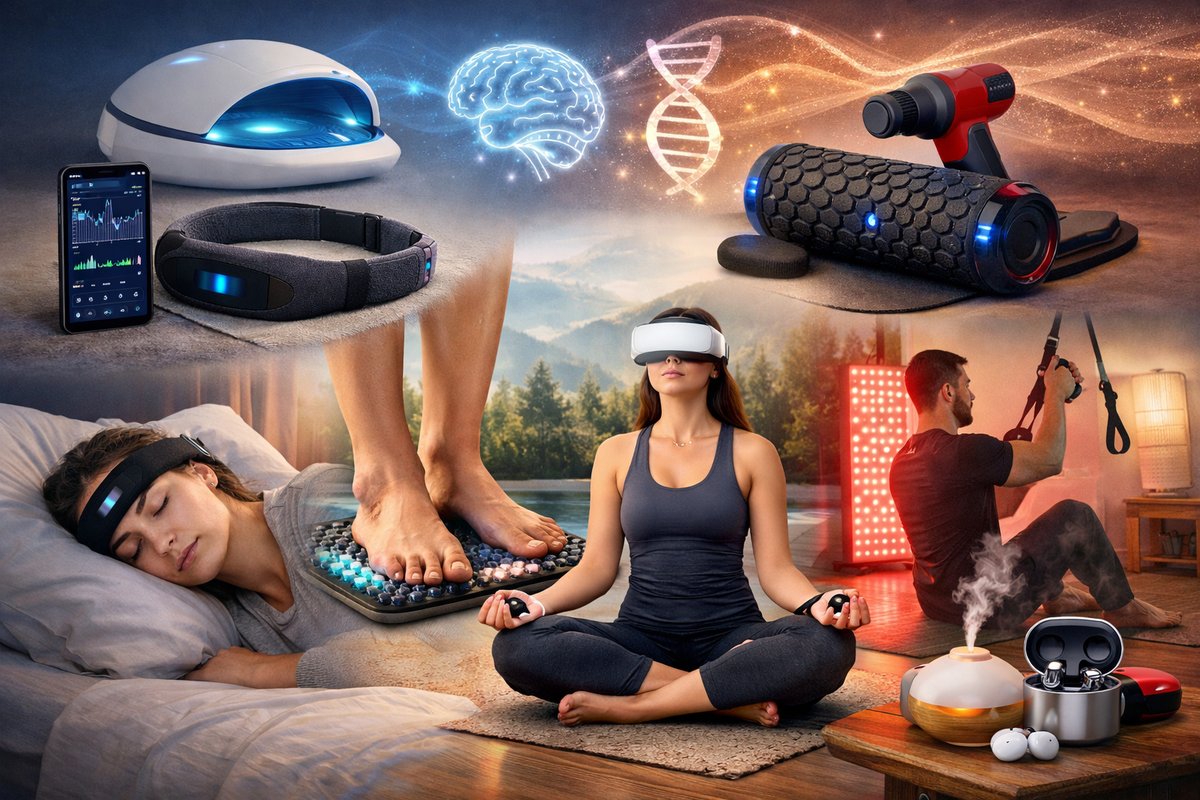
A wave of innovative wellness tools is reshaping how people support vitality, movement, and emotional balance. From next-generation sleep trackers to sensory grounding aids, these solutions combine research and technology to reinforce the foundations of body and mind health.
In recent months, wellness experts and technology developers have forged an unexpected alliance, yielding a suite of tools designed to support rest, recovery, mindful movement, and emotional clarity. Far from fleeting trends, these innovations draw on emerging research into sleep science, stress physiology, and sensor technology to deliver practical solutions anyone can integrate into daily life.
A closer look at sleep optimization reveals a surge in compact wearables that go beyond counting steps. Instead, they track heart-rate variability (HRV), respiratory rate, and micro-movements throughout the night. Data from a 2023 study published in the Journal of Restorative Neuroscience showed that users of advanced sleep trackers who adjusted their evening routines based on personalized insights experienced a 20 percent improvement in deep sleep and a marked reduction in sleep latency. From athletes aiming for peak recovery to desk workers craving a more restorative rest, these small rings and wristbands generate actionable data without demanding complex setup or invasive monitoring.
But technology alone doesn’t guarantee better slumber. Experts emphasize the importance of environmental tweaks-dimming overhead lights, removing screens an hour before bed, and introducing gentle ambient sounds. Blue-light-blocking glasses have grown in popularity as a simple countermeasure to late-night screen use. By filtering out high-energy wavelengths that suppress melatonin production, they help maintain the natural circadian rhythm without resorting to medication. Clinicians note that while eyewear won’t erase poor habits overnight, it can ease the transition to a calmer evening ritual.
Movement and muscle recovery have also stepped into the spotlight. Foam rollers and massage tools equipped with infrared heating elements are delivering portable relief once reserved for in-clinic therapy. Infrared wavelengths penetrate muscle tissue more deeply than standard heating pads, increasing circulation and accelerating cellular repair. Physical therapists report patients using these devices at home see measurable improvements in flexibility and a decrease in post-workout soreness, even when applied for just ten minutes per session.
Beyond targeted muscle care, holistic movement practices are benefiting from design innovations. Yoga mats printed with subtle alignment guides help practitioners-beginners and seasoned yogis alike-maintain proper postures. These visual cues foster body awareness and reduce strain, transforming solo practice into an almost guided session. Paired with virtual classes and real-time feedback apps, the mats keep users engaged, accountable, and on a steady path toward improved mobility.
Emotional well-being tools have taken a sensory-focused turn. Weighted blankets infused with breathable fabrics now come with modular inserts, allowing users to adjust pressure levels according to their comfort. Grounding exercises, long promoted by mental-health counselors, can be intensified by combining deep-pressure stimulation with mindful breathing. Recent surveys from a mental-health nonprofit found that over 70 percent of participants felt calmer and more centered when using weighted blankets during guided meditation or journaling sessions.
Hydration reminders are also getting an upgrade. Smart water bottles equipped with motion-sensing caps and LED indicators prompt users to sip throughout the day. These bottles pair via Bluetooth with smartphone apps to log intake, set personalized goals, and even recommend timing based on activity level and local weather patterns. Nutritionists applaud the unobtrusive nature of these reminders, noting that consistent hydration supports cognitive performance, mood regulation, and metabolic health.
Aside from individual tools, a growing movement emphasizes integration and simplicity. Modular wellness stations-compact storage systems with dedicated slots for trackers, recovery tools, breathwork guides, and healthy-snack organizers-are emerging as a design trend for home offices and living spaces. By consolidating gear in one visible location, people are more likely to establish routines that balance productivity with self-care. Interior designers specializing in healthy living report that clients feel a sense of accountability when wellness tools are on display, rather than tucked away in drawers.
Another noteworthy development is the rise of subscription models for consumables tied to these tools. For example, users of infrared rollers can receive packs of replaceable massage heads, while those with smart water bottles can subscribe to flavored hydration pods or mineral-infused drops. This approach extends the life of devices, reduces waste, and keeps users motivated with fresh supplies delivered at regular intervals.
Despite the surge of gadgets, experts advise moderation. A wearable tracker without a follow-through plan for stress management or sleep hygiene is like a high-performance car parked in a driveway. Lasting benefits come from pairing data insights with concrete lifestyle changes-adjusting work-life boundaries, committing to a consistent movement practice, and cultivating moments of digital disconnection. Community forums and peer-support groups, both online and in person, continue to play a vital role in sustaining momentum.
As 2024 unfolds, the boundary between wellness tradition and technological innovation is dissolving. Bedside rings monitor rest stages. Heated rollers massage away tension. Weighted blankets cradle the nervous system. All of these tools share a common thread: they empower individuals with actionable feedback and gentle prompts. Whether someone is seeking deeper sleep, faster recovery, improved posture, or emotional centering, today’s wellness ecosystem offers targeted solutions that integrate seamlessly into the routines of busy lives.
Early adopters report that when these tools are used as part of a holistic framework-balancing technology with mindfulness, movement with rest, and data insights with self-reflection-they lead to meaningful improvements in energy levels, stress resilience, and overall well-being. As more research emerges and designs continue to evolve, the convergence of science, engineering, and time-honored self-care practices promises to strengthen the foundation of health for a new generation of curious, proactive individuals.