Location
Mount Vernon, WA 98274

Location
Mount Vernon, WA 98274
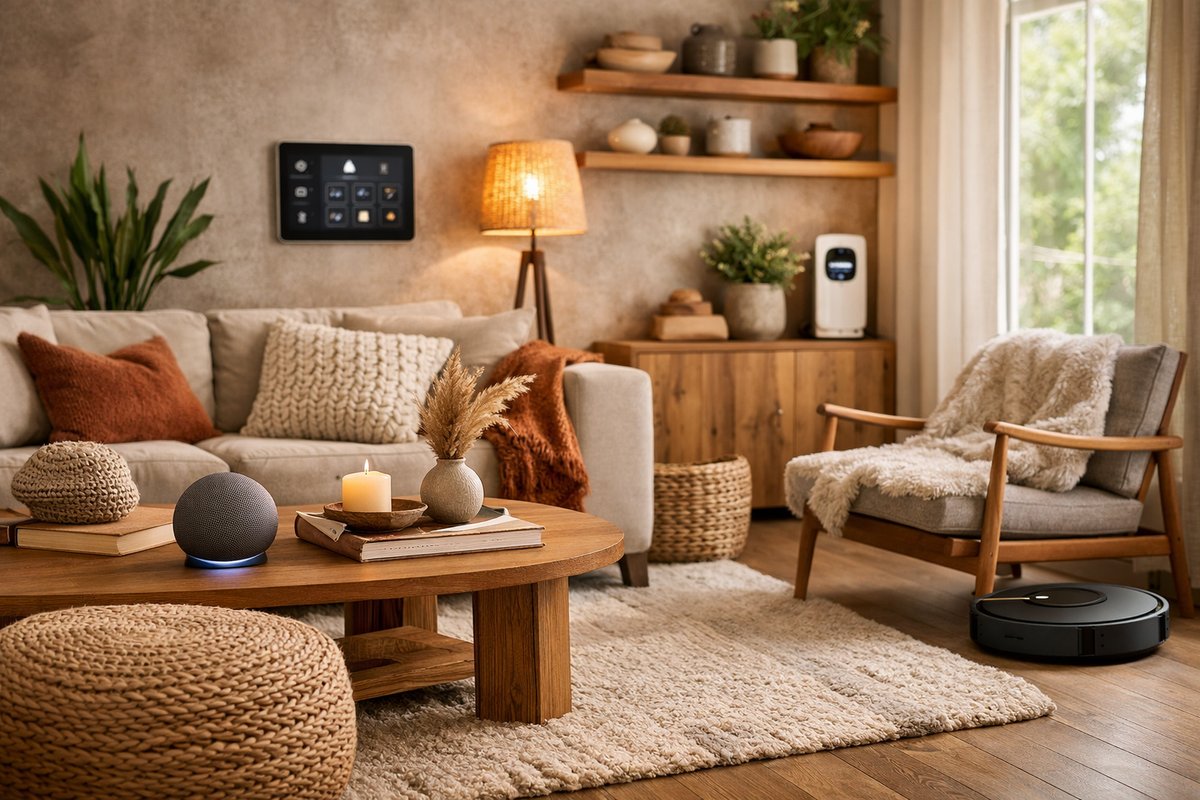
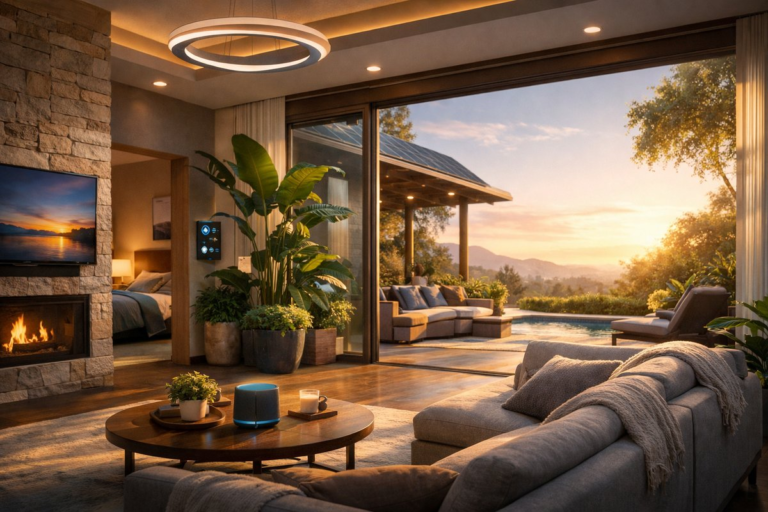
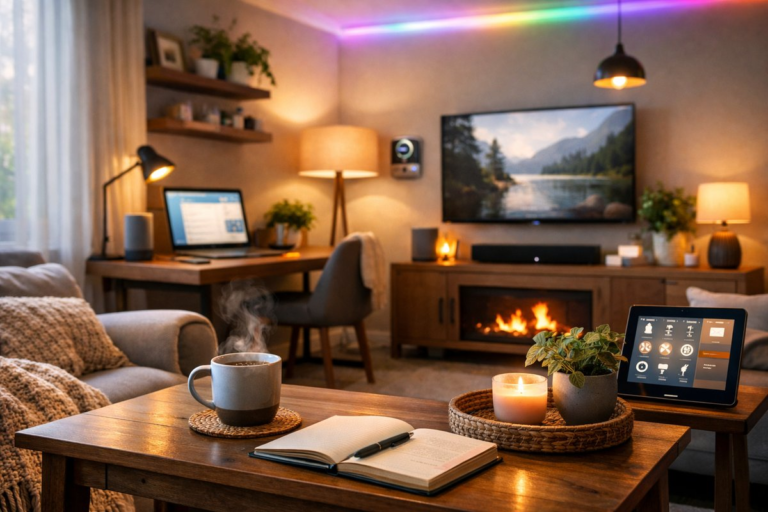
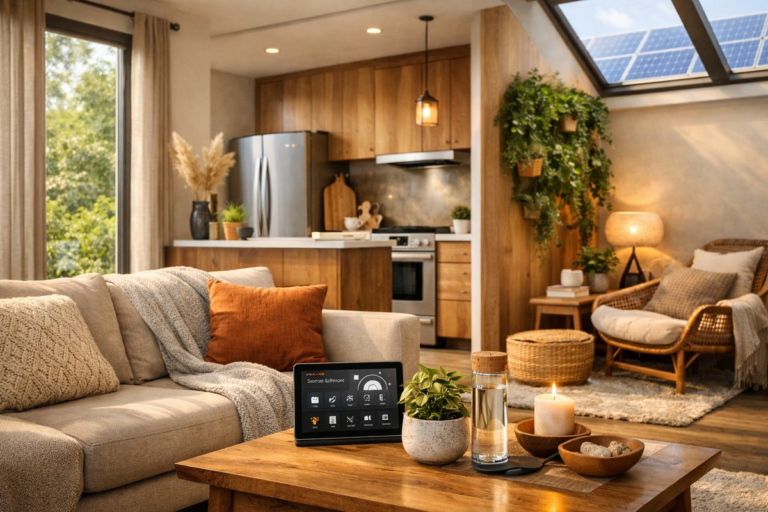
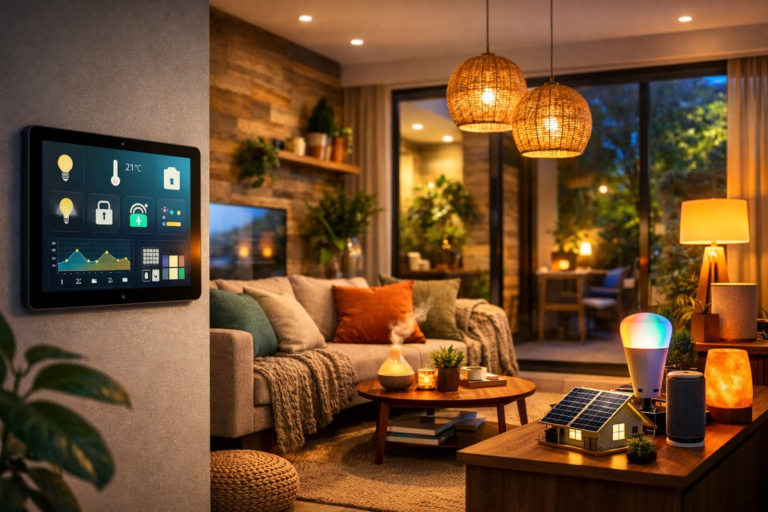
A new convergence of intuitive tech, sustainable materials, and layered texture is reshaping living spaces across the country. Designers and DIY enthusiasts are weaving instant responsiveness and tactile comfort into their homes, proving that smart upgrades and cozy essentials can coexist in harmony.
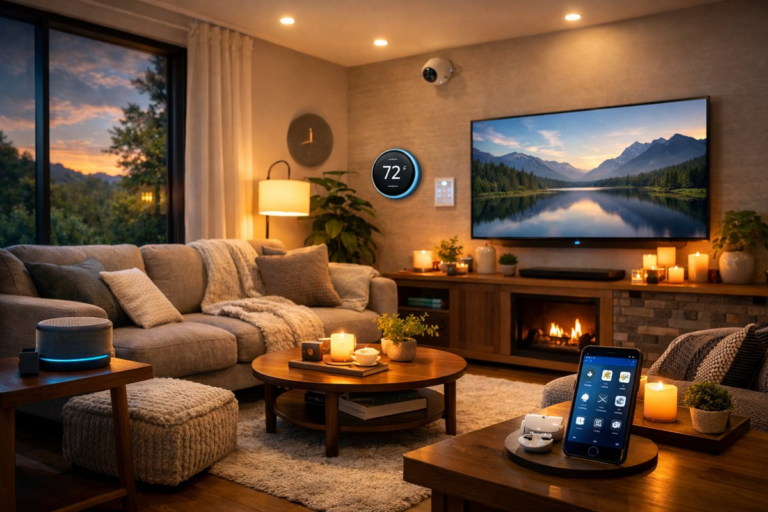
In a suburban loft on the outskirts of a major metro area, a quiet revolution is unfolding. Walls clad in recycled cork buffer sound, natural fiber rugs absorb footsteps, and shelves of potted ferns channel an earthy calm. Yet ambient sensors tucked behind furniture dynamically adjust temperature, humidity, and lighting to suit occupants’ routines. This marriage of sensory data and soft finishes points to a broader trend: intentional home makeovers that balance tech-driven convenience with tactile warmth.
City planners and trend forecasters alike note that homeowners are demanding richer experiences from their living spaces. A recent survey by a national design institute found that nearly three-quarters of respondents would rather invest in upgrades that enhance mood or well-being than purely cosmetic paint jobs. Meanwhile, energy experts report a surge in interest for devices that track air quality, optimize HVAC performance, and automate window shading. The result is a new wave of renovations that feel alive rather than static.
Manufacturers are responding with modular systems that blend seamlessly into traditional décor. Wall-mounted smart thermostats now hide behind wood veneer plates. Programmable light panels mimic the changing spectrum of daylight without clashing with heritage moldings. Even digital art frames are sold alongside handcrafted ceramics to avoid creating a tech-only corner. As one interior designer puts it, homes should “breathe, adapt, and invite touch.”
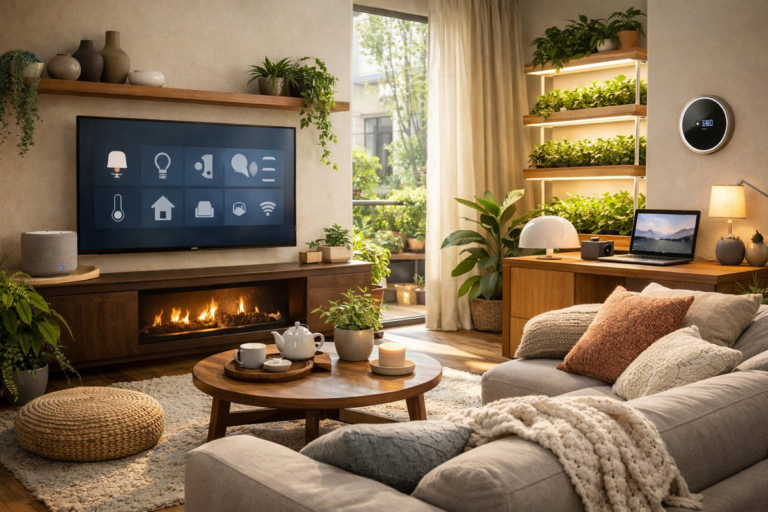
Biophilic anchors are central to this approach. Vertical gardens integrate moisture sensors that trigger misting when soil dries out. Indoor trees rest in self-watering planters that feed data into home hubs, ensuring that each leaf gets the right moisture and light. Natural woods and stone feature prominently, often sourced from certified sustainable suppliers. Palettes favor soft neutrals-warm beige, misty gray, muted olive-to ground the high-tech elements and offer a soothing visual backdrop.
While aesthetics and comfort set the tone, functionality drives the narrative. Lighting systems now include occupancy and daylight sensors that adjust brightness automatically. In a recent open showroom, visitors noted that hallways glow softly when footsteps approach, then dim when the space is unoccupied. Kitchens showcase faucet sensors that calibrate water temperature based on previous habits, while refrigerators track inventory and suggest shopping lists through smartphone alerts. These enhancements aim not just for productivity but for small daily delights-like a countertop that remembers your favorite coffee-brewing temperature.
Yet for all the gadgetry, community voices emphasize hands-on rituals. Entryways are equipped with key hooks next to vintage rugs, encouraging the habit of removing shoes and inviting guests to linger. Bedroom corners display collections of books and pottery on floating shelves, blending tech-quiet zones with analog pleasures. Many renovation projects now include a reading nook or meditation alcove: a shallow recess fitted with sound-absorbing panels and a customizable light cove for gentle color changes through the evening.
A parallel movement focuses on circular design and resource regeneration. Cabinet fronts incorporate reclaimed barn wood. Countertop surfaces crafted from recycled glass sit alongside induction cooktops that cut energy usage in half. Even throw blankets and pillows are spun from post-consumer plastic bottles, woven into plush yarns. Data from a green building council indicates that homes built or renovated to higher sustainability standards can reduce energy consumption by up to 40 percent, translating into long-term savings and smaller carbon footprints.
DIY aficionados are joining the wave with open-source plans for sensor-enabled plant stands, 3D-printed lamp shades, and smart mirror frames that display weather forecasts. Online forums have sprouted where makers share code snippets for customizing lighting profiles based on biometric feedback. Gamified apps challenge users to optimize their homes for energy efficiency, awarding badges for hitting monthly goals. This blend of playfulness and purpose is fueling grassroots adoption of technologies that once felt impenetrable.
Accessibility and affordability remain pressing questions. Entry-level smart switches now cost under fifty dollars, and many cities offer rebates for installing energy-saving thermostats. Eco-friendly finishes, from low-VOC paints to bamboo floor tiles, have become comparable in price to conventional options. Community tool libraries lend thermal imaging cameras so homeowners can spot drafts before investing in insulation. Schools of architecture and design are integrating these tactics into curricula, accelerating the next generation of informed renovators.
It’s not just single-family homes that are evolving. Multifamily developments incorporate centralized sensor networks that monitor water usage, noise levels, and resident comfort. Shared lounges feature acoustic partitions that respond to crowd density, softening or brightening light to suit social gatherings. Co-working spaces in residential towers now boast modular furnishing tracks that allow tenants to reconfigure layouts as needs change, while integrated charging stations for e-bikes and scooters add a layer of mobility support.
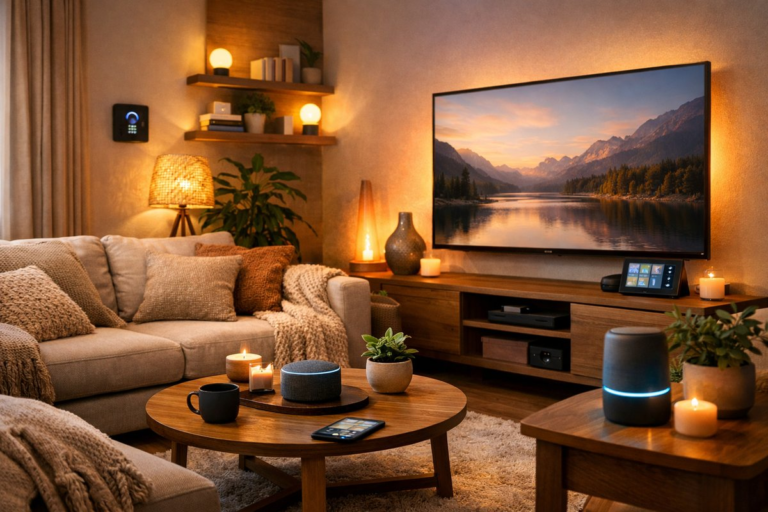
Among the innovations at the forefront, mood-sensitive soundscapes stand out. Ceiling-mounted speakers linked to wearable devices subtly shift ambient music-from calming ambient tracks during work hours to gentle instrumentals at dinnertime. The system learns common movement patterns, triggering wake-up playlists or evening wind-down mixes at designated zones. Combined with circadian-rhythmed lighting, these setups aim to mirror natural biorhythms within urban dwellings.
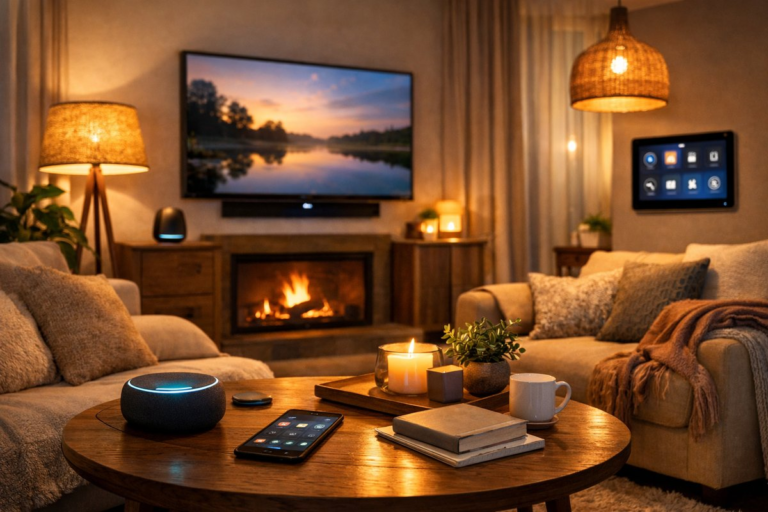
Skeptics caution against over-automation. Too many controls can create complexity, leading to frustration rather than ease. To combat this, integrators emphasize unified hubs and voice-first interfaces that mask technical details. A single vocal command can dim lights, draw smart blinds, and play a favorite podcast, eliminating the need to juggle half-dozen apps. Designers recommend curating scenes-predefined combinations of lights, sound, and temperature-that align with daily rituals like “morning stretch” or “after school arrival.”
Personalization is taking center stage. Systems now allow color-calibrated lighting to match art pieces or textiles, creating bespoke atmospheres. Digital photo frames pull from private cloud albums, rotating images based on time of day or seasonal themes. In bathroom retreats, mirrors display skincare reminders and adjust color temperature to simulate daylight for precise makeup application. Children’s rooms introduce interactive floor tiles that light up in playful patterns while tracking steps and activity levels.
For retirees aging in place, sensor-driven fall detection, automated door locks, and medicine-dispensing cabinets are seamlessly integrated into living rooms and kitchens. Subtle visual cues signal caregivers about potential issues, while homes remain inviting rather than clinical. This subtle blend of health-monitoring and comforting materials underscores the core principle: technology should serve emotional well-being as much as physical convenience.
Looking ahead, the frontier lies in deep learning and multisensory integration. Prototype systems use biofeedback-heart rate, skin conductivity, even subtle shifts in posture-to adjust surroundings in real time. Imagine a room that senses stress and softens overhead lighting, plays gentle flute tones, and diffuses calming botanical scents from built-in atomizers. While these are still early-stage offerings, they point to a future where living spaces react intuitively to our inner states.
As homeowners embark on their next round of upgrades, experts advise starting with small pilots. Swap out a single light fixture for a tunable LED model. Track indoor air quality for a month with a portable monitor before investing in whole-home solutions. Incorporate one statement piece-like a recycled wood credenza or a weighted throw-before overhauling entire rooms. This stepwise approach builds confidence, reveals true needs, and prevents gadget fatigue.
In the end, today’s intentional home makeovers are less about flashy showrooms and more about living well. They honor the rituals of daily life-morning coffee, family meals, evening unwinding-while quietly smoothing the edges with invisible intelligence. They pair soft surfaces and natural textures with networked devices that learn, adapt, and anticipate. The result is a layered environment that looks inviting and feels alive, reminding us that our happiest homes respond to both our hands and our hearts.