Location
Mount Vernon, WA 98274

Location
Mount Vernon, WA 98274
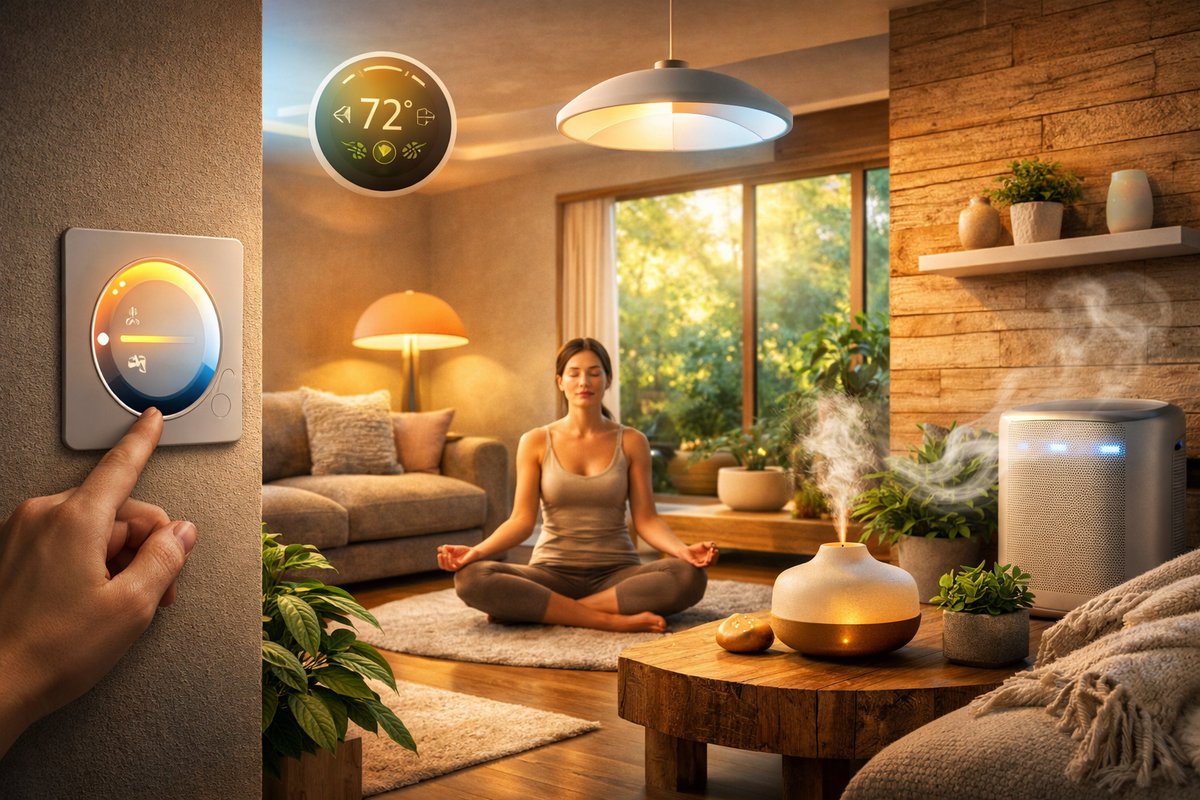
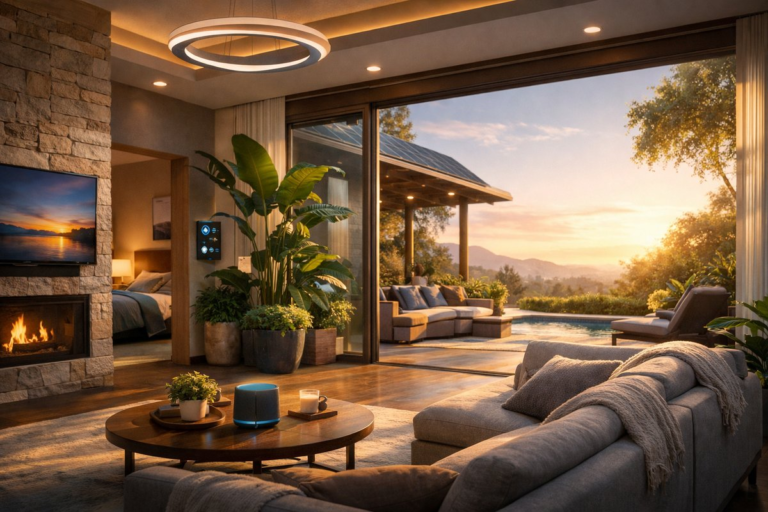
From sensor-driven lighting that shifts with your mood to sustainable finishes that breathe cleaner air, a new wave of home design is marrying smart upgrades with tactile comfort. This article explores how innovators and early adopters are transforming living spaces into intentional sanctuaries for health, ease, and emotional balance.
Modern living has entered a new era where smart automation meets mindful design, and the shift is gaining momentum in showrooms, expos, and living rooms worldwide. Recent launches of mood-responsive lighting systems and ambient sound modules have captured headlines, but a deeper trend is taking shape: an integrated approach that merges sensor-driven tech with eco-friendly materials and tactile comfort. Industry insiders report a 35 percent uptick in consumer searches for “wellness-centric home upgrades,” signaling that people want more than convenience-they want a sense of harmony and intention in the spaces where they spend the most time.
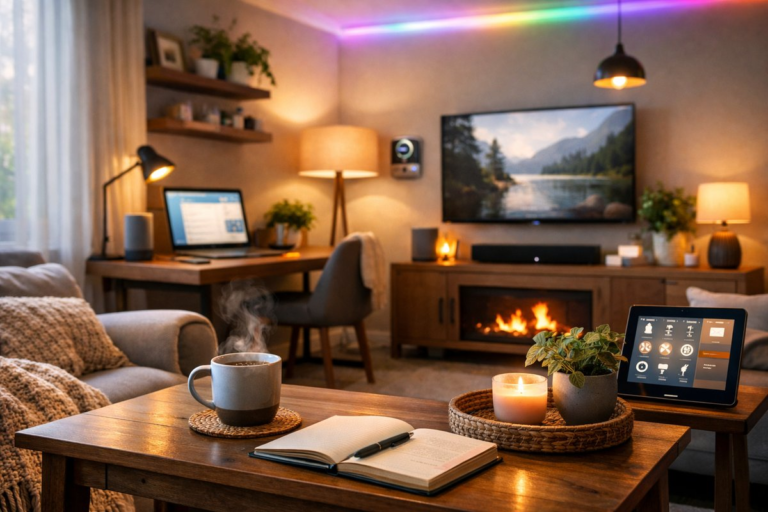
At the heart of this movement are circadian lighting panels and full-spectrum LED fixtures that adjust color temperature and brightness automatically, syncing indoor illumination with natural daylight cycles. These systems use ambient light sensors and time-of-day algorithms to transition from cool, energizing hues in the morning to warmer, soothing tones by evening. Early adopters describe clearer focus during remote work hours and deeper, more restful sleep patterns at night-benefits that have spurred social media communities to share setup tips for zone-based mood control.
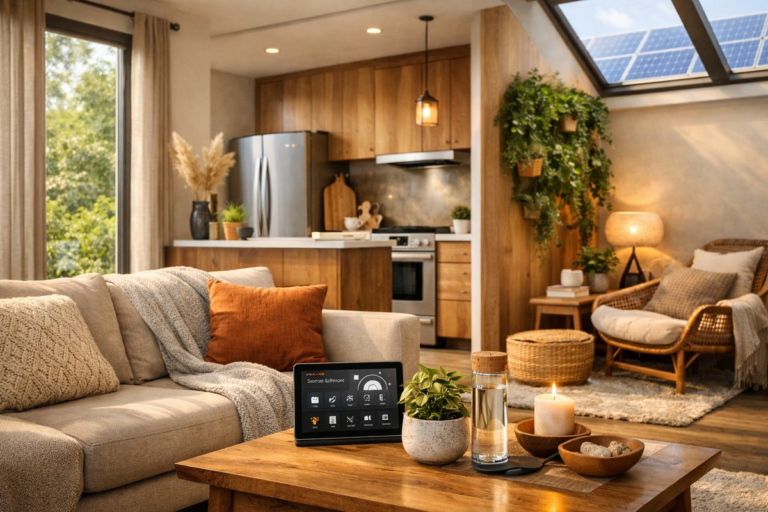
Underneath the smart fixtures, sustainable materials are making a comeback. Low-VOC paints infused with plant-based binders now coat walls in calming earth tones, while recycled wool and organic cotton fabrics drape sofas and chairs. Bamboo composite planks replace traditional hardwood in kitchens and entryways, offering tensile strength paired with a soft sheen. These elements not only reduce indoor pollutants but also lend a handcrafted aesthetic that offsets the potential sterility of tech-laden interiors.
Automation has also leaped beyond standalone devices. Motorized blinds and curtains now integrate with occupancy sensors and voice assistants, adjusting in response to both sunlight levels and room usage. When daylight streams in unexpectedly during a video call, automated shades can dial back glare within seconds. Climate control systems factor in humidity readings from discreet wall-mounted sensors, triggering humidifiers or dehumidifiers to maintain an optimal air-quality profile without manual intervention.
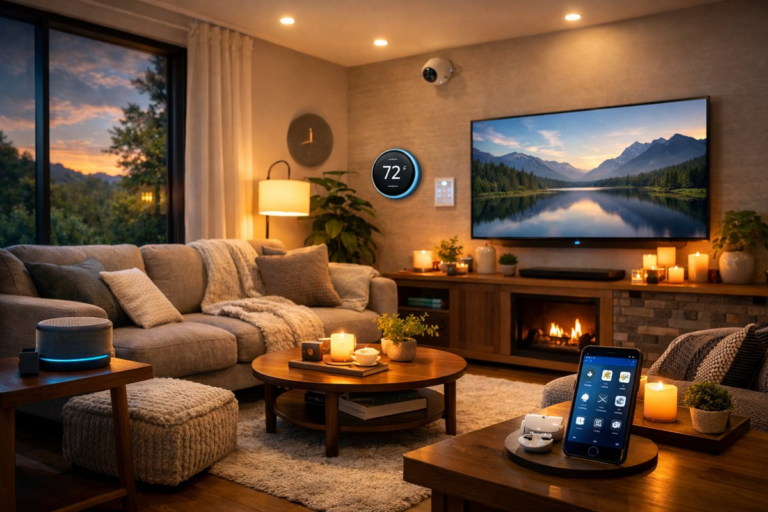
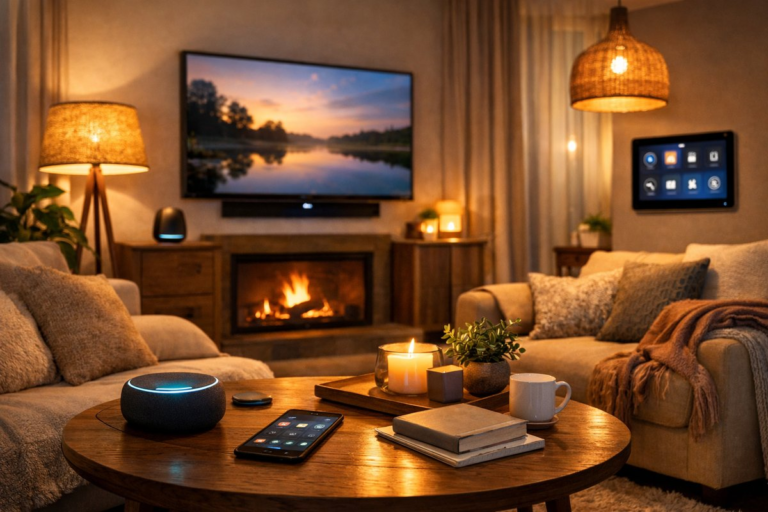
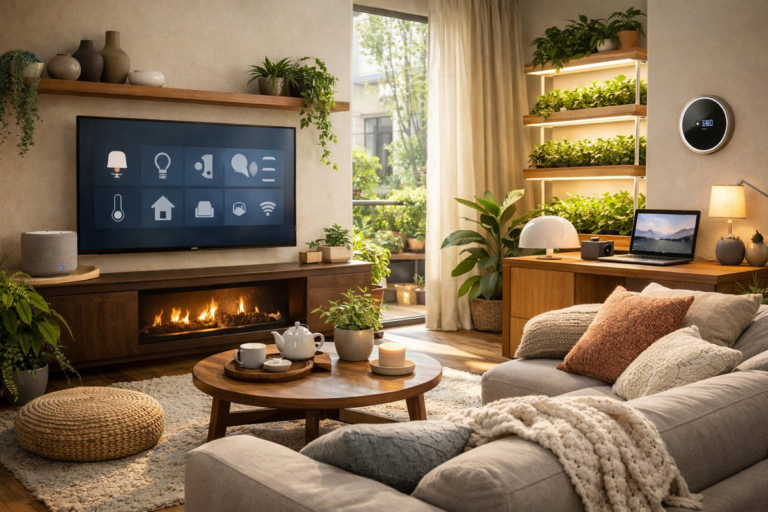
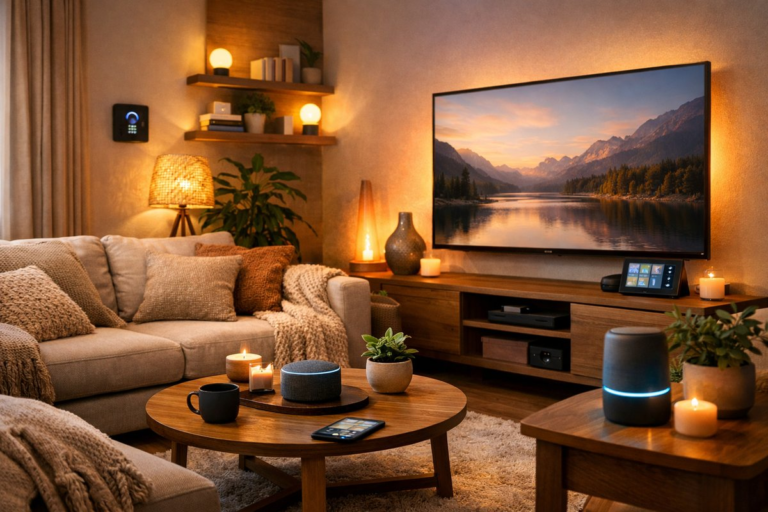
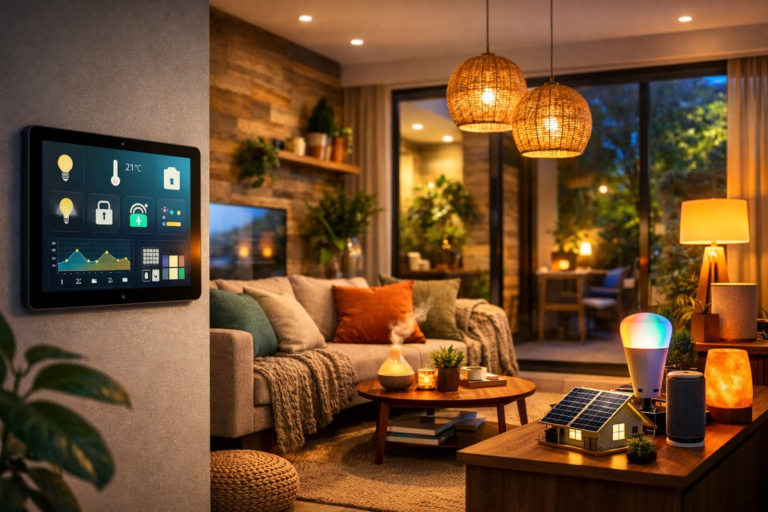
Design experts emphasize that human-centered interfaces are essential for these upgrades to feel intuitive rather than intrusive. “The goal is to create an environment that supports your daily rhythms with minimal friction,” says a New York-based interior designer who recently curated a showroom of multi-sensory living modules. Room controls are now consolidated into single hubs-often touchscreen panels or voice-activated smart speakers-that let residents tap, speak, or even gesture to adjust lighting scenes, temperature presets, and soundscapes.
Texture and tactility remain crucial counterpoints to the digital layer. Plush area rugs made from recycled fibers anchor seating zones and add acoustic dampening, softening footfalls and speaker echoes. Knitted poufs and woven throws lend a cozy vibe that invites relaxation, while living moss walls and potted greenery contribute subtle natural aromas and visual vitality. Acoustic panels shaped like organic forms serve dual roles, reducing echo in open layouts and reinforcing the immersive atmosphere of a personal retreat.
One Chicago family’s recent overhaul illustrates the potential of these combined approaches. They installed dynamic overhead LEDs that adjust with sunrise and sunset, layered in soy-based paints in muted sage and terracotta, and outfitted key rooms with custom shelving crafted from reclaimed teak. Automated climate sensors fine-tune airflow, and a set of wireless diffusers release seasonal essential-oil blends tied to a smartphone schedule. Within weeks, they reported a reduction in sick-day calls and an overall improvement in household mood metrics, as tracked through a wellness app.
Energy consumption can dip as much as 20 percent when lighting, heating, and cooling systems are governed by intelligent algorithms. Local utility providers have begun offering rebate programs for homeowners who adopt certified energy-management hubs. Sustainable lenders are even providing low-interest financing for integrated eco-tech renovations, signaling that institutional backing is catching up to consumer demand.
Despite the excitement, experts caution against viewing these upgrades as purely plug-and-play. A proliferation of standalone apps and devices can create technological clutter if installations aren’t planned cohesively. Privacy concerns also arise when sensor arrays collect occupancy and behavior data; thoughtful homeowners are opting for offline control options and encrypted local networks to keep personal routines from spreading to cloud servers.
For those ready to begin their own transformation, specialists recommend starting with a small, high-impact area-perhaps a home office or bedroom. Begin by measuring current light and air quality levels, then choose one or two upgrades, such as a circadian lamp or an air quality monitor, before layering in more complex automation. Document the process, adjusting settings over several weeks to fine-tune performance for individual needs.
Trade shows scheduled for later this season will showcase the next wave of integrated prototypes, including sensor-driven haptic chairs that gently guide posture and modular lounge systems with built-in charging and ambient speakers. Developers say these items are designed to adapt as needs evolve-fitting perfectly with the concept of a home as a living, breathing ecosystem rather than a static backdrop.
Ultimately, the homes of tomorrow promise more than voice-controlled lights or isolated smart gadgets. They point toward a collective desire for spaces that nourish mental health, foster productivity, and honor environmental responsibility. By thoughtfully blending tech innovations with sustainable craftsmanship and cozy accents, homeowners can craft intentional environments that respond to their moods and support long-term wellbeing.
As these layered approaches become more accessible, the focus will no longer be on novelty but on harmony-devices that recede into the background as they quietly serve our physiological and emotional needs. For anyone looking to reboot their living space with purpose and heart, the time has never been more ripe to embrace a mood-adaptive sanctuary of your own.