Location
Mount Vernon, WA 98274

Location
Mount Vernon, WA 98274
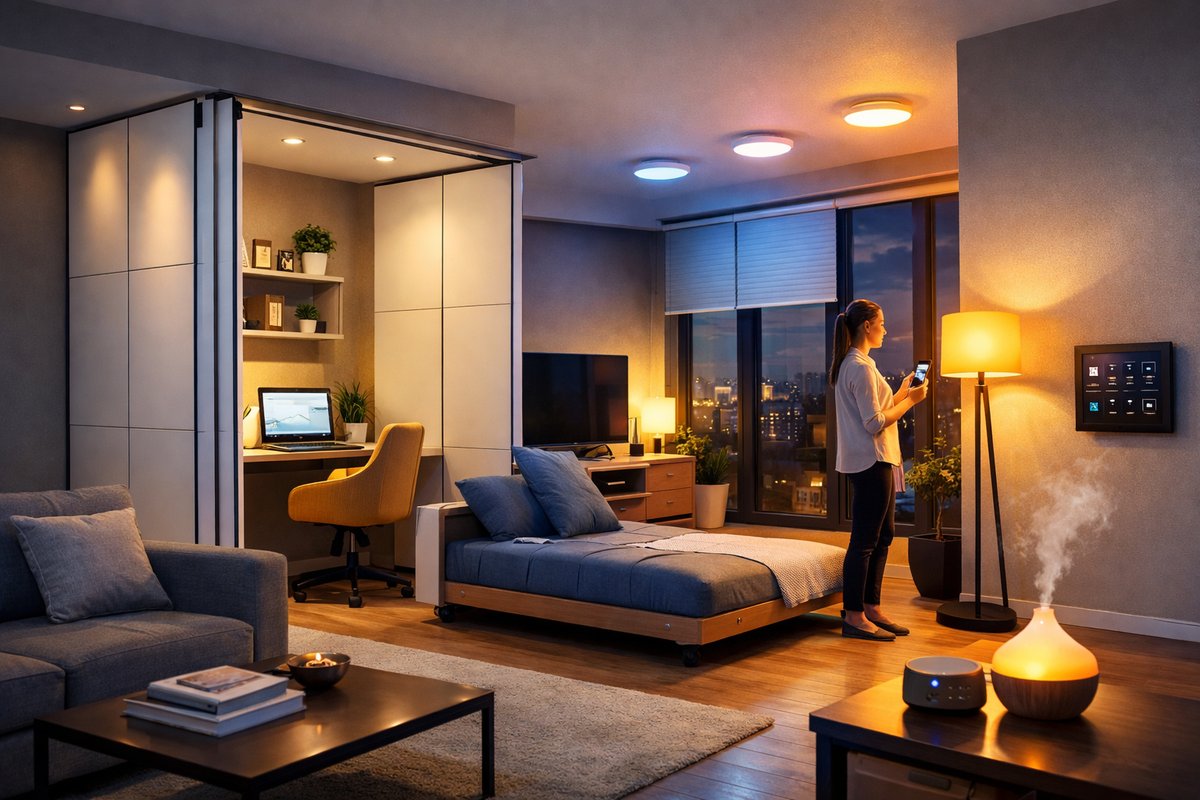
A surge in adaptable room configurations and sensory-smart gadgets is reshaping how people inhabit their homes. From foldaway partitions to responsive lighting, homeowners are marrying technology and comfort in unprecedented ways.
Homeowners and renters alike are embracing modular living with renewed enthusiasm, converting static rooms into multipurpose zones that respond to changing needs. A recent industry survey found that nearly two thirds of respondents plan to invest in reconfigurable furniture and partitions this year, citing both space constraints and a desire for more mindful daily routines. What started as a DIY trend has evolved into a mainstream movement, propelled by new product launches and a growing focus on emotional well-being within the four walls we inhabit.
At the heart of this trend are portable room dividers and foldaway furniture systems designed for seamless transformation. Sliding panels made from lightweight composite materials can carve out a home office corner in minutes, then retract to reclaim floor space for evening gatherings. Convertible desks pivot from standing to sitting height and collapse entirely against the wall when not in use. The result is a living area that flows between work, leisure, and rest-an ideal solution for micro-apartments and open-plan homes alike.
Smart sensors are joining the mix to add a layer of anticipation to the modular experience. Motion-activated lighting strips gently illuminate a path when someone steps into a corridor, then dim to a warm glow as the evening sets in. Temperature sensors coordinate with compact climate units, maintaining a comfortable micro-climate in each zone without ramping up the entire HVAC system. These pick-and-choose upgrades let occupants tailor their environment by the hour and by the activity, reducing energy use while amplifying comfort.
The multi-sensory revolution extends beyond sight and touch, incorporating scent and sound into everyday living. Portable aroma diffusers with built-in Bluetooth speakers can fill a morning workspace with citrus notes and soft ambient melodies, then switch to lavender and white noise for evening wind-down rituals. Homeowners report that these combinations enhance focus during deadlines and ease tension at day’s end. Manufacturers now offer modular kits where fragrance capsules and acoustic modules snap together like building blocks, inviting creative customization.
Sustainability anchors many modular home initiatives. Designers are reusing reclaimed wood for open shelving, crafting it into slatted screens that double as planter stands. Low-VOC paints and recycled fabrics feature heavily in upholstery for foldable chairs and ottomans, ensuring that rapid reconfiguration doesn’t come at an environmental cost. Some communities have even organized swap events where residents trade gently used modular pieces, fostering a circular approach to interior upgrades.
In a downtown loft measuring fewer than 500 square feet, a young professional recently demonstrated the potential of intentional zoning. By day, her living room transforms into a sunlit studio for video calls via a motorized panel that lifts to reveal a hidden desk. When the call ends, the panel slides down to conceal equipment, and the same space becomes a minimalist lounge complete with plush rug and floor cushions. Visitors marvel at the effortless switch, unaware for most of the day that this compact floor plan can support both productivity and relaxation.
This spring’s International Home + Housewares Show unveiled several of these modular marvels, from snap-together partition walls embedded with LED mood lighting to sofa systems whose armrests detach and reattach as side tables. Exhibitors reported record attendance at demonstrations, signaling strong consumer interest. Retailers are forecasting bump in sales of modular kits during the next holiday season as people look for thoughtful gifts that double as functional upgrades.
An interior designer specializing in adaptive living spaces notes that intention is key. “It isn’t enough to merely switch out furniture,” she says. “Spaces must be programmed with purpose and emotional cues. A reading nook should invite calm through soft textiles and a gentle glow; a dining corner needs a convivial layout and practical storage for quick cleanup. Modular design lets homeowners curate both form and feeling.”
Financing options and retrofit incentives are easing the path for many. Some local governments now offer rebates for energy-saving upgrades tied to modular HVAC zoning systems, while credit programs help spread out the cost of high-end adaptive furniture. Even insurance providers have taken note, extending discounts to households that install approved motion sensors and smart thermostats, as these devices can reduce accident risk and energy waste.
Consumers report that the intentional home approach is not just about efficiency; it also nurtures well-being. Being able to delineate a clear boundary between work and personal time helps occupants mentally switch gears. A compact meditation alcove, for instance, can offer a daily pause in an otherwise busy routine. Anecdotal evidence suggests these practices improve mood and resilience, underlining the link between environment and emotional health.
Yet the shift comes with challenges. Some homeowners find that integrating multiple systems-lighting, climate, audio, scent-can become cumbersome without a unified control platform. Others worry about over-automation diminishing the tactile comforts that make a home feel genuinely welcoming. As a result, hybrid solutions that blend analog elements like handcrafted screens with plug-and-play smart modules are gaining traction, striking a careful balance between technology and human touch.
Looking ahead, experts foresee deeper artificial intelligence integration to anticipate personal preferences without manual inputs. Imagine window shades that adjust automatically based on your circadian rhythm or flooring panels that detect posture and suggest stretching breaks. Community-oriented platforms may allow neighbors to share modular accessories, further reducing waste and strengthening local bonds. As the modular living movement continues to gain momentum, one thing is clear: intention remains the foundation. Thoughtfully designed zones can guide daily routines, nurture well-being, and make every square foot of home life feel more meaningful.
In an era where time is scarce and space is at a premium, the marriage of modular innovation and mindful design offers a path forward. Whether you’re setting up a pop-up studio, curating a cozy reading corner, or engineering a dinner party zone with built-in storage, the tools are available to transform any environment into a purposeful oasis. The future of living spaces lies in their ability to adapt, respond, and resonate with the rhythms of our lives.