Location
Mount Vernon, WA 98274

Location
Mount Vernon, WA 98274
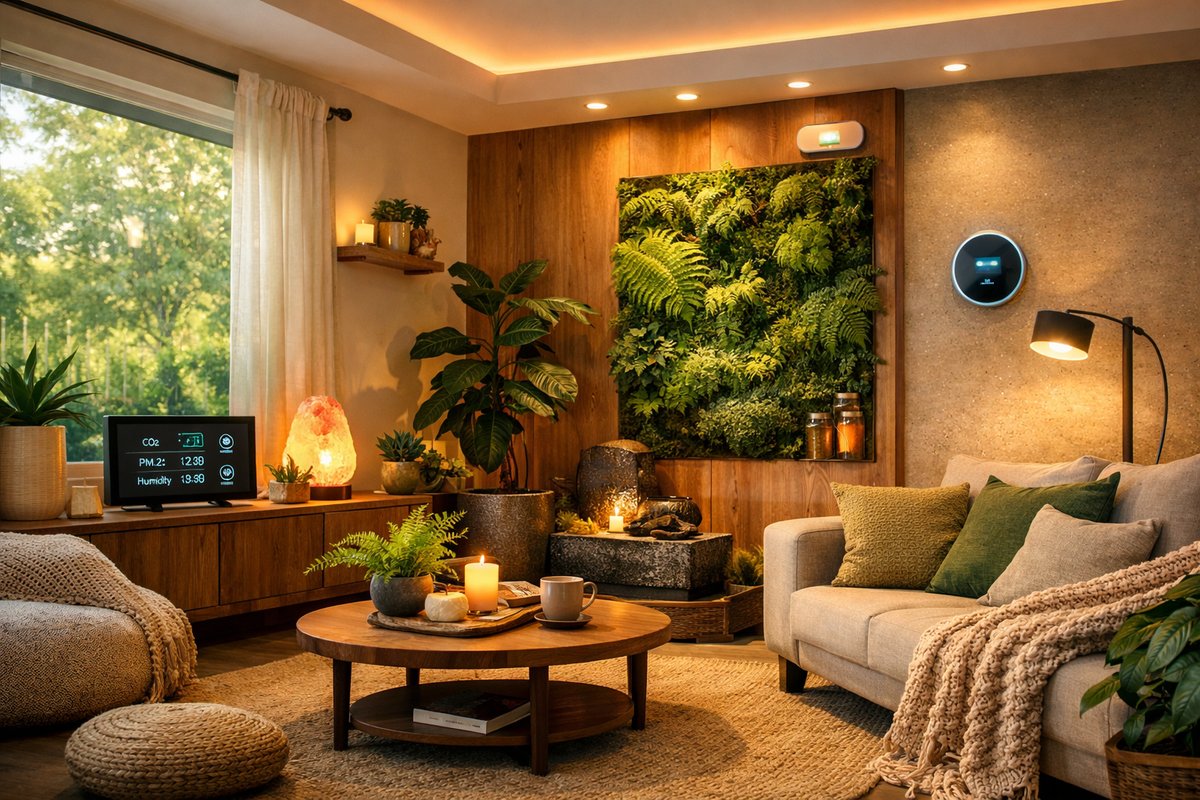
A fresh wave of home design is blending sensor-driven automation with cozy, sustainable materials to craft spaces that nourish mind and body. Residents are embracing adaptive lighting, air-quality monitoring, and biophilic accents to create nurturing, private retreats.
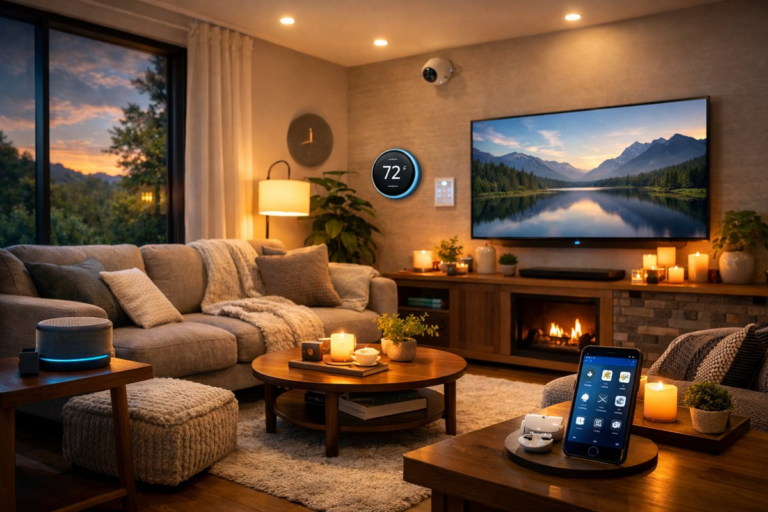
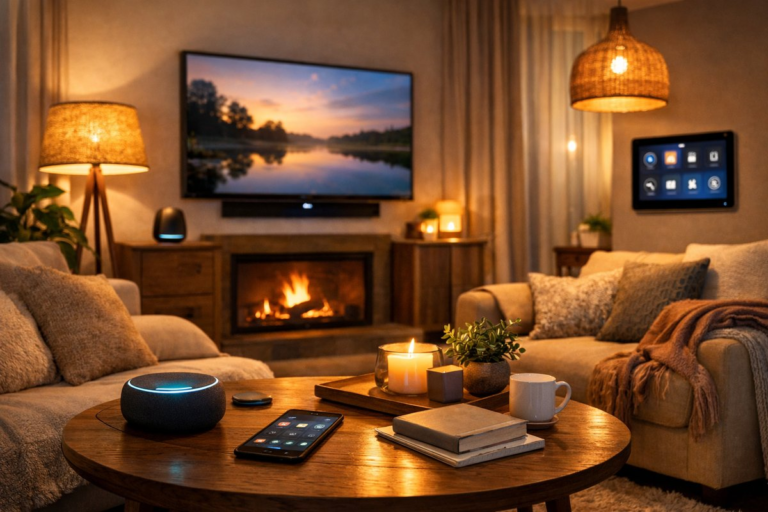
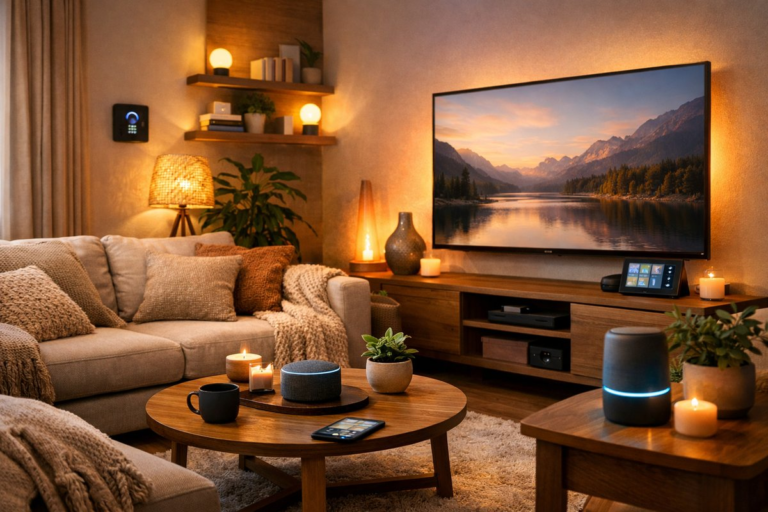
Across urban lofts and suburban bungalows, a new blueprint for living is taking shape: one that pairs cutting-edge sensors with tactile comfort, sustainable finishes and a mindful approach to technology. From living rooms that shift their glow to match the fading sun to kitchens that diffuse calming citrus scents when indoor air quality dips, homeowners are reimagining domestic life as a dynamic, multi-sensory experience. This movement goes beyond flashy gadgets or gimmicky voice commands; it’s about designing environments that respond to our rhythms, reduce stress and honor both privacy and the planet.
According to a 2022 report by the International WELL Building Institute, buildings equipped with adaptive lighting systems and automated air-quality controls saw a 20 percent reduction in occupant sleep disturbances and a 15 percent drop in reported anxiety levels. While much of this research has focused on office towers and classrooms, the principles are now trickling into residential design. Early adopters are discovering that living spaces can be calibrated like a personal wellness center-one that learns when to brighten, when to whisper white noise, and even when to send a gentle reminder to water that trailing pothos in the corner.
In Portland, Oregon, a pilot community of 50 homes installed smart windows that tint automatically to block harsh afternoon glare, integrated humidity sensors that signal hydroponic planters to mist their leafy charges, and touchless diffusers filled with plant-derived essential oils. Within weeks, participants reported fewer headaches, more consistent sleep schedules and a stronger bond with their living environment. “It’s like the house knows me,” said one resident. “My space no longer feels static-it feels alive.”
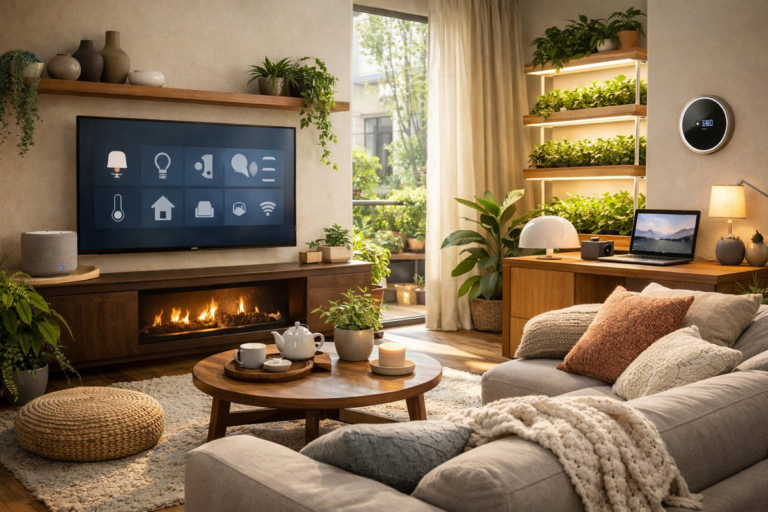
Central to this evolution is a design language that marries biophilic principles with minimal, intentionally sourced finishes. Reclaimed wood counters and recycled glass tiles sit alongside discreet sensor hubs; raw cotton textiles and felt-lined storage cubes soften the edges of an otherwise tech-forward layout. This blend of analog warmth and digital intelligence underscores a growing appreciation for tactile materials in an age of screen-driven distraction.
At the heart of these setups are networks of micro-sensors: low-power modules that track light levels, temperature, humidity, carbon dioxide concentration and even volatile organic compounds. Data streams to a local processing hub-often a small edge-computing box tucked behind a couch-so that adjustments occur instantly without routing sensitive information through the cloud. Smart thermostats quietly modulate heat, motorized roller shades inch down as UV intensity peaks, and under-cabinet LED panels shift from crisp daylight hues to a softer amber glow designed to signal bedtime.
Privacy advocates applaud the move toward on-site data handling. With rising concerns over personal data breaches and intrusive listening devices, systems that process sensor inputs locally represent a more secure approach. Rather than sending voice recordings or occupancy logs to remote servers, these hubs crunch the numbers in-house, triggering routines based solely on ambient conditions. Users can inspect logs via a smartphone app, then purge them with a single tap-no third-party retention required.
Designers recommend starting small. A single zone-such as a reading nook or bedroom-can be transformed with a few adaptive bulbs, an air-quality monitor and a compact white-noise speaker. From there, gradual expansion keeps costs manageable and allows homeowners to refine preferences. Many report that once they experience a circadian-aligned lighting cycle, it’s hard to go back to a static bulb that never adjusts its color temperature.
Co-working and communal living spaces are catching on as well. Shared apartments in New York City and London now feature communal “wellness pods” outfitted with plant-friendly lighting, automated humidity control and aromatherapy stations. These micro-retreats offer residents a break from screen fatigue and crowded hallways, blending the efficiency of smart home tech with the restorative power of green design.
Affordability has improved markedly. Component prices for motion sensors, moisture detectors and LED drivers have dropped by roughly 30 percent over the past three years. Open standards such as Matter and Zigbee ensure broader interoperability, reducing the risk of vendor lock-in. Even so, users are advised to prioritize modular platforms that can integrate new device types without demanding a wholesale replacement of existing hardware.
Of course, challenges remain. Early adopters still wrestle with firmware updates that temporarily disrupt routines, and the occasional sensor calibration glitch can send unintended shade-closing commands during a midday party. Compatibility between legacy smart bulbs and next-gen hubs can also require some troubleshooting. Yet these hiccups are outweighed by the sense of empowerment that comes from a home environment tailored to personal comfort and well-being.
The emotional intelligence of these systems is another frontier. Voice assistants that once responded with scripted, generic replies are evolving into gentle conversational partners. By analyzing speech patterns-tone, pace, volume-some platforms can now detect stress in a user’s voice and automatically trigger a calming playlist or lower hallway lights to a warmer hue. Ethical questions around voice data analysis persist, but an open-source movement is advocating for opt-in models and transparent code audits.
A growing DIY community is experimenting with soil-moisture sensors linked to latching water valves, creating self-watering planter walls. Vertical herb gardens equipped with nutrient monitors can text a snapshot of pH levels along with care tips. These grassroots innovations spotlight how accessible sensor tech has become-and how a few dollars’ worth of components can dramatically deepen our connection to the living systems around us.
Looking ahead, experts predict the arrival of haptic feedback floor mats that deliver subtle vibrations at bedtime to cue winding-down routines, as well as scent cartridges that release custom fragrances on demand. Already, patent filings hint at mattress-embedded pressure sensors that adjust room temperature zone-by-zone, ensuring every part of the bed stays at an optimal comfort level throughout the night.
For homeowners eager to embrace this next wave, the first step is a simple audit: track routine pain points (stuffy mornings, glare in work areas, restless nights) and list tech solutions that address each one. Engage a reputable installer or explore community forums to vet open protocols and device roadmaps. Above all, prioritize platforms designed for incremental growth, where new devices plug in as easily as adding a decorative accent.
The momentum behind these multi-sensory sanctuaries reflects a broader cultural shift: a desire to restore harmony between technology and daily life. In a world awash with notifications and digital noise, a home that anticipates your needs-while honoring privacy and sustainability-can feel like a triumph of intentional living. As more people invite sensors, ecosystems and soft materials into their domains, the line between architecture and wellness will continue to blur, ushering in a new era of mindful comfort.