Location
Mount Vernon, WA 98274

Location
Mount Vernon, WA 98274
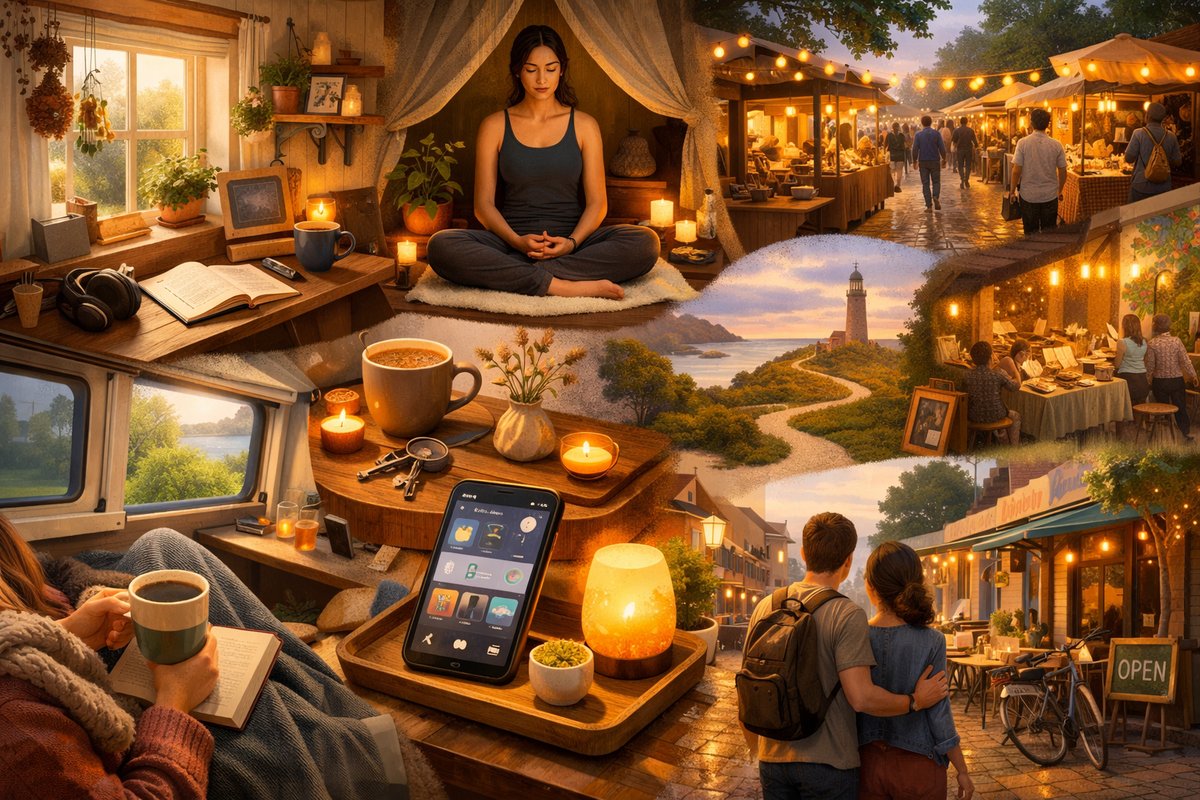
A wave of subtle shifts is weaving through work, home and leisure, giving rise to intimate rituals, ambient personalization and hyper-local exploration. From pocket-sized sanctuaries to fleeting marketplaces, these low-key trends reveal how small changes can reshape routine life and point toward longer-term transformation.
Across living rooms, kitchen nooks and co-working hubs, a quiet revolution is unfolding. Rather than sweeping upheavals, today’s most compelling currents are composed of tiny gestures, fleeting encounters and adaptive rituals. They reveal how people are experimenting with new forms of presence, connection and self-care, seeking to craft comfort in moments often overlooked by grand movements. These subtler patterns point to broader transformations in how we work, rest and travel-an invitation to pay attention to the granular details that define everyday life.
In open-plan offices and home studios alike, workers are carving out “micro-sanctuaries” to ward off distraction and foster focus. The once-minimalist desk has become a layered environment: noise-canceling headphones cocoon the user in personalized soundscapes, while small tabletop diffusers release gentle mists of essential oils. Ambient LED strips slide beneath shelves, shifting hue according to the hour or mood. Such incremental tweaks serve as buffer zones between tasks, offering a momentary retreat where productivity and calm coexist. It’s a reaction against the one-size-fits-all design of the past decade, embracing instead a bespoke approach to mental well-being.
Parallel to this trend is the rise of micro-rituals-bite-sized practices that punctuate the day and strengthen a sense of grounding. Instead of lengthy meditation sessions or elaborate self-care routines, many now opt for pocket-sized rituals: a two-minute breathing exercise before diving into email, a page of gratitude journaling at midafternoon, a brief stretch by the window before lunch. These acts, while simple, have a cumulative effect. They fit seamlessly into hectic schedules and slip easily into digital planners. Even apps built around single prompts-one breath, one intention, one word-have seen rapid uptake, reflecting a desire for rituals that feel manageable and immediately rewarding.
On the social front, pop-up experiences are morphing from branded spectacles into hyper-local gatherings. Instead of large-scale showcases or polished activations, grassroots communities are organizing flash market stalls, coffee-cart meetups and bike-in-park swap events. These ephemeral moments emphasize discovery over consumption and human connection over transactions. Attendees treasure the sense of serendipity-stumbling on a handcrafted tote bag, sampling a new pastry recipe, comparing story prompts in a communal journal. They capture the spirit of “urban treasure hunts,” where the thrill lies not in grand prizes but in small delights tucked inside city corners.
The digital realm echoes these shifts through “slow scroll” platforms and ephemeral content loops. Social media feeds brimming with polished photo shoots and perfectly staged lifestyles have given way to apps that feature low-visibility, time-limited posts. Some apps even dissolve images after 24 hours, encouraging users to pause, savor and then let go. Other platforms prompt participants to record a single unfiltered thought, a short audio clip or a minute of ambient sound from their morning commute. These formats resist endless scrolling and algorithmic amplification, aiming instead to cultivate moments of genuine presence and spontaneous exchange.
Travel, too, is being reframed through a minimalist lens. Rather than chasing distant landmarks, a growing number of explorers are embarking on hyper-local journeys-day trips by train, guided nature walks in nearby parks, or sunset picnics in reclaimed urban wetlands. The guiding principle is low-impact adventure: packing only what fits in a single tote, relying on public transit or pedal power, and discovering hidden stories in familiar landscapes. Such excursions foster deeper appreciation for local heritage, biodiversity and community culture. They also sidestep the carbon footprint complexities of long-haul flights, aligning with a broader eco-aware mindset that prizes quality of experience over quantity of destinations.
Designers and architects are responding by experimenting with modular, transformable furniture that adapts to shifting needs. A sofa can reconfigure into a daybed, a shelving unit can expand into a desk, and a folding screen can delineate a meditation corner. These intuitive systems prioritize flexibility and sustainability, using reclaimed materials and minimal hardware. As living and working boundaries blur, households favor pieces that can pivot between Zoom conference backdrop, evening yoga platform and weekend board-game table. The trend underscores a yearning for living environments that evolve with us, rather than confining us to rigid floor plans.
Behind these surface shifts lies a deeper tension: the reconciliation of digital connectivity with analog authenticity. People are turning off push notifications in favor of cluster-style check-ins. They’re swapping high-definition video calls for voice-only checkups with loved ones. They’re rediscovering the tactile pleasure of flip-book children’s tales, polaroid prints and scrap-canvas vision boards. In doing so, they assert agency over their attention, affirming that not every moment needs to be captured or broadcast. Instead, some moments are meant to be held quietly, their value amplified by their ephemerality.
This return to texture and tactility also fuels the resurgence of DIY micro-manufacturing. Kitchen tabletop labs now host small-batch herbal tonics and custom-blend teas, shared among neighbors. Backyard mini-greenhouses cultivate microgreens for local co-ops, while upcycling workshops convert thrifted textiles into one-off fashion statements. These micro-enterprises blur personal hobby with communal resource, reinforcing relationships born of shared craft. They redefine consumer-producer roles, reminding us that creation need not happen on an industrial scale to be meaningful.
Financial tools are adapting accordingly. Micro-investment apps allow subscribers to round up spare change on daily purchases and funnel it into themed portfolios-sustainable agriculture, regenerative energy or local small businesses. Community-based lending circles digitize traditional rotating savings clubs, offering interest-free loans tethered to social credit rather than credit history. These innovations democratize finance by fine-tuning access and aligning investments with personal values. The emphasis on incremental stewardship encourages users to think long term, even when their deposits begin as spare change.
Taken together, these fragmented innovations form a constellation rather than a monolith. They remind us that change often happens in whispers rather than roars, lodged in the seams of day-to-day life. Understanding them demands curiosity and close observation: noticing how the glow of LED lighting shifts productivity rhythms; feeling how a five-breath pause can recalibrate stress levels; sensing how a two-hour bicycle excursion can tighten bonds with one’s hometown.
What emerges is a portrait of a society eager to reclaim agency over time, attention and space. People want to co-author their routines, customizing environments and experiences at a granular level. They seek tools that amplify small acts of self-care, sociality and exploration. They appreciate experiences that vanish almost as quickly as they arrive, leaving behind only memories and fresh perspectives.
These small revolutions have staying power because they are inherently adaptable. A desktop diffuser today can evolve into a bedside scent pod tomorrow. A community bike ride can morph into a weekend kayak flotilla next week. The emphasis on modularity, ephemerality and local scale ensures that trends can pivot as contexts shift-weather patterns, economic pressures or new social needs.
Looking ahead, observers predict that these micro-movements will stitch together into broader fabric: neighborhoods offering rotating wellness pop-ups, co-working collectives launching community-sourced art incubators, and personal tech ecosystems that learn and adapt through unobtrusive sensors embedded in everyday objects. As these signals of change ripple outward, they suggest a future defined by fluidity, choice and low-key creativity, rather than towering platforms and mass spectacles.
For those eager to participate in this quiet revolution, the invitation is simple: start small. Try a two-minute breathing ritual before your next project. Rearrange your desk to carve out a personal retreat. Plan a day-trip within cycling distance. Share a cup of custom-blended tea with a neighbor. In the space between intention and habit, these small acts accumulate into profound shifts-proof that even the most subtle currents can redirect the course of our collective journey.