Location
Mount Vernon, WA 98274

Location
Mount Vernon, WA 98274
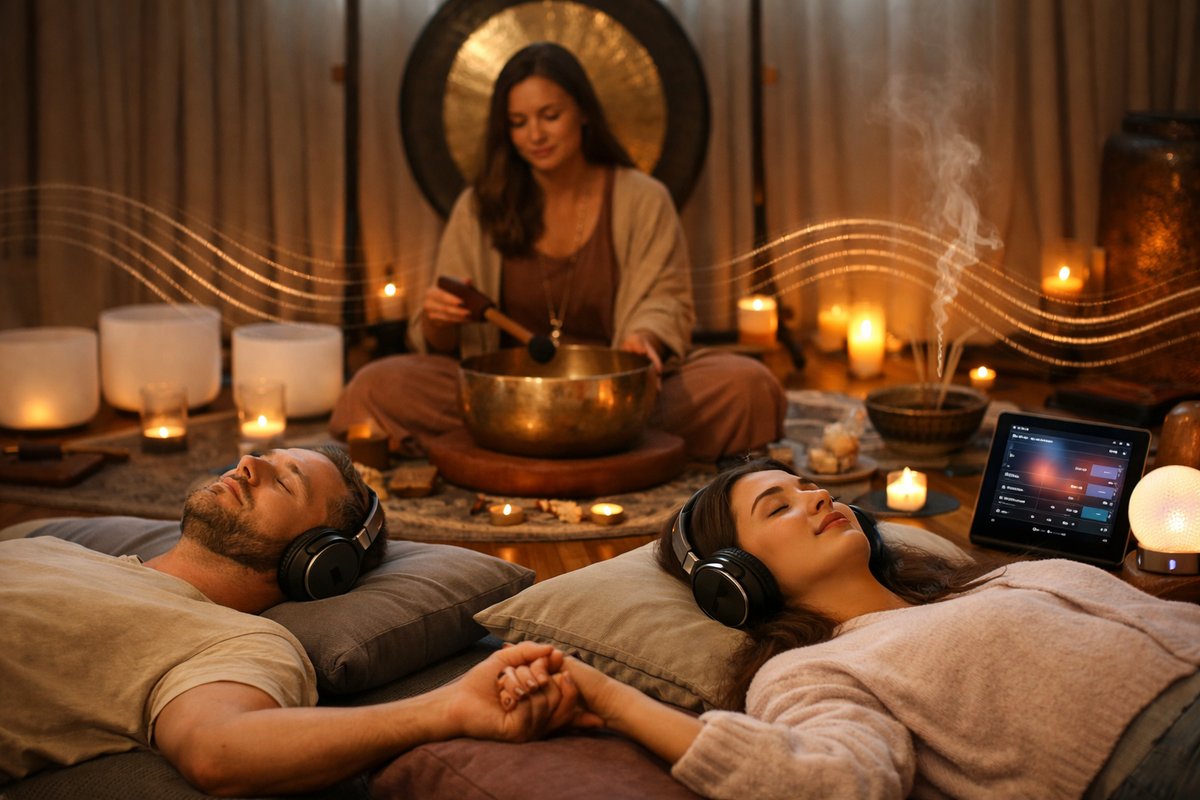
An emerging wave of sound-based experiences-from vibroacoustic therapy sessions to personalized ambient playlists-is offering couples a fresh way to connect beyond conversation. Therapists say shared audio rituals can deepen empathy, spark vulnerability, and foster emotional attunement.
Couples across the country are discovering that sometimes the most profound conversations happen without speaking a single word. A growing number of partners are integrating curated soundscapes into their daily routines: whether it’s a shared ambient playlist at breakfast, a guided meditation track before bed, or a weekend retreat centered on vibroacoustic therapy. This shift toward sound-based connection marks a new frontier in relationship care, blending ancient healing practices, modern technology, and the science of human bonding.
At a wellness center on the outskirts of Portland, Oregon, mornings begin with the low hum of Himalayan singing bowls. Dozens of partners arrive for a three-hour “Couples Sound Bath” hosted by local therapist Lena Morris. Participants recline on yoga mats, covered in blankets, while Morris gently strikes each bowl, orchestrating a tapestry of frequencies designed to dissolve stress and open emotional channels.
“Sound travels faster than speech,” explains Morris, “and it reaches deep into our nervous systems. When couples experience that vibration together, it creates a shared emotional space that primes them for vulnerability and empathy.”
Such claims aren’t just anecdotal. In a 2023 study conducted by the University of British Columbia, researchers found that couples who participated in vibroacoustic therapy sessions reported a 30 percent increase in feelings of closeness and a 25 percent reduction in perceived conflict. The sound frequencies appeared to regulate cortisol levels, easing anxiety and facilitating more compassionate interactions.
Beyond professional sound baths, everyday tech is adapting to support shared audio experiences. A handful of wellness apps now offer “duet listening” features, allowing two users to stream the same guided meditation or ambient composition in perfect synchronicity. Partners can launch a ten-minute track before a stressful meeting or a five-song playlist to realign energy after an argument.
Jayden and Priya, a New York-based couple juggling remote work and childcare, turned to one such app last fall. “We were stuck in this pattern of rushing through dinner and checking our phones,” Priya recalls. “One night we hit play on a calming rainforest track and sat on the balcony. We didn’t talk much, but we felt more connected than we had in weeks.”
Therapists say these quiet, nonverbal rituals work by shifting the focus away from problem-solving and toward presence. Rather than dissecting every issue, partners simply sit in a shared atmosphere, tuning in to each other’s breathing, subtle movements, and unspoken rhythms.
H6 Engaging the Senses Beyond Sound
Some couples are taking the concept further by turning their homes into immersive sensory environments. Calmer rooms feature adjustable lighting synced to soft choral music, aromatherapy diffusers releasing soothing scents, and tactile elements like textured throw blankets. The idea is to create a multi-layered experience that envelops all five senses and encourages partners to slow down together.
In Los Angeles, interior designer Simone Cruz recently completed a “bonding nook” for a pair of newlyweds. Shielded by floor-to-ceiling drapes, the alcove includes a built-in soundbar, cushioned seating, and a small fountain. “It’s like stepping into a portable sanctuary,” Cruz says. “The couple uses it for guided breathing sessions or just to put on their favorite instrumentals and decompress.”
H6 The Tech Behind the Tunes
Innovations in audio hardware are also fueling the trend. Bone conduction headphones-once niche sports accessories-are gaining popularity for couples who want to share a soundscape while still hearing each other. These devices rest near the cheekbones, sending vibrations directly to the inner ear without covering it, so partners can listen side by side and have a whispered conversation when they want.
Wireless noise-canceling earbuds, too, are finding a romantic use case. Some models now allow two pairs to connect to the same source, letting partners tune into the same podcast or guided therapy session even in transit. Portable Bluetooth speakers with customizable equalizer settings give couples control over bass, mids, and highs, so they can sculpt a soundscape that feels just right for their mood.
H6 Crafting a Couple’s Sound Ritual
Experts recommend starting small and building shared audio habits gradually. Here are a few practices to explore:
• Sunrise Sequence: Pick a three-minute ambient track and listen together while enjoying morning coffee. Use it as a nonverbal greeting to kickstart the day.
• Tension Tamer: After any conflict, select a calming track-perhaps gentle piano or ocean waves-to signal a pause in conversation. Sit side by side and focus on synchronizing your breaths to the rhythm.
• Pre-Sleep Check-In: Swap your usual screens for a five-minute guided meditation. Hold hands or lightly rest your head on your partner’s shoulder as you drift toward rest.
Many couples keep a “sound map” journal-a shared notebook where they log favorite tracks, note the moods they evoke, and jot down new discoveries. Over time, this library becomes a personalized archive of emotional landmarks: the song that softened tension after a disagreement, the soundtrack that felt like falling in love all over again.
H6 A Growing Market for Intimate Audio
The surging interest in personal sound rituals has not gone unnoticed by entrepreneurs. A boutique subscription service now sends monthly ambient playlists directly to subscribers’ inboxes, paired with high-res images designed to complement the sonic mood. Another startup is beta-testing a smart pillow with embedded speakers, engineered to gently introduce meditative frequencies as users fall asleep-and allow partners sleeping on the same bed to experience distinct tracks on each side.
While such gadgets offer novelty, therapists caution that technology alone won’t repair deep-seated issues. “Sound can open doors, but couples still need to build trust, practice communication skills, and confront uncomfortable emotions,” says Dr. Sarah Mitchell, a marriage counselor in Minneapolis. “What audio experiences provide is a softer threshold for those conversations-a way to soften defenses and invite curiosity.”
H6 Tuning Into the Future of Relationship Care
As the boundaries between wellness, technology, and relationship therapy blur, sound-based approaches are carving out their own niche. Couples retreats centered on healing frequencies are popping up from Bali to Barcelona. Spotify playlists tagged #CouplesHealing have millions of streams. Even mainstream self-help authors are incorporating audio exercises into their workbooks.
This evolution underscores a simple truth: connection isn’t just about the words we say-it’s about the spaces we create together. Shared soundscapes invite partners into a collective experience, offering a kind of emotional harmony that transcends debate and argument.
For Jayden and Priya, what began as a desperate attempt to reclaim quiet time has become a daily ritual. “Now, we actually look forward to it,” Jayden says. “We don’t always solve every problem during that ambient track. But we come out of it remembering why we’re in this together.”