Location
Mount Vernon, WA 98274

Location
Mount Vernon, WA 98274
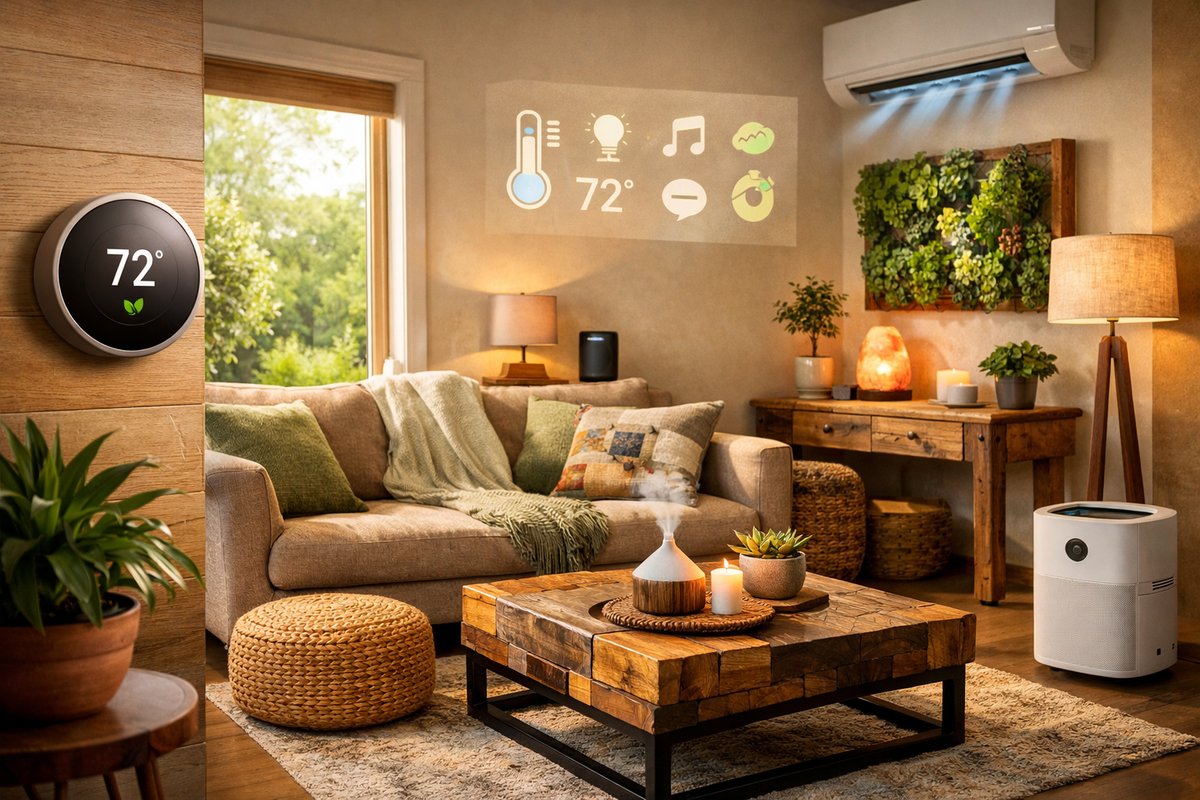
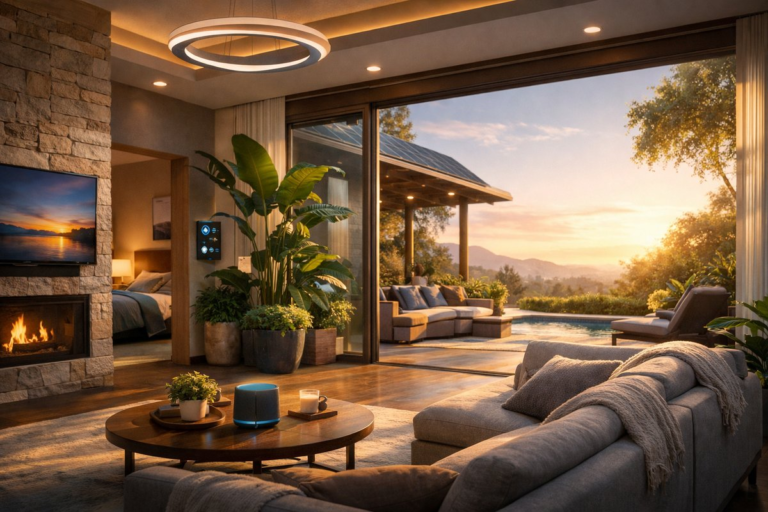
Homeowners are merging high-tech convenience with mindful design, creating spaces that respond to both comfort and conscience. From adaptive climate control to upcycled furnishings and multisensory accents, discover how intentional upgrades are reshaping modern living.
The notion of home has evolved beyond just shelter-it’s now a carefully curated environment that supports well-being, sustainability, and adaptability. As more people spend their days working, exercising, and socializing under one roof, intentional design choices and smart technology are taking center stage. A recent survey by Home Innovation Research Labs found that 67% of homeowners plan to invest in energy-efficient upgrades this year, while 45% want to incorporate sustainable textiles or upcycled materials. These trends signal a shift toward homes that balance automation, aesthetic warmth, and environmental responsibility.
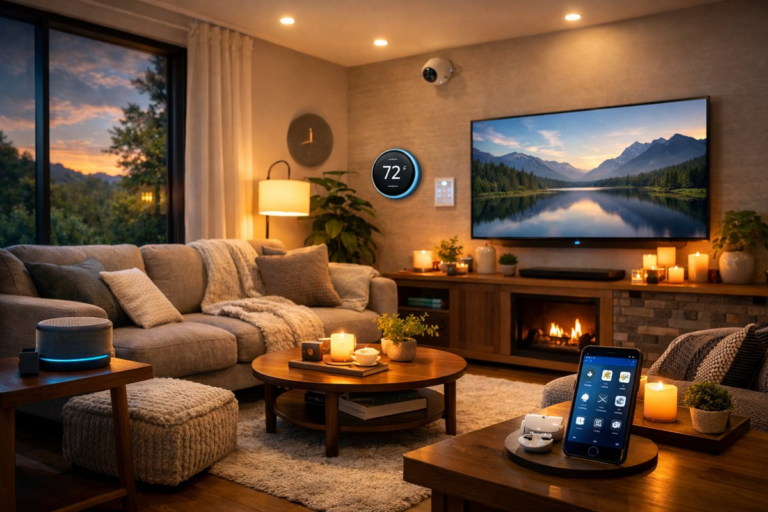
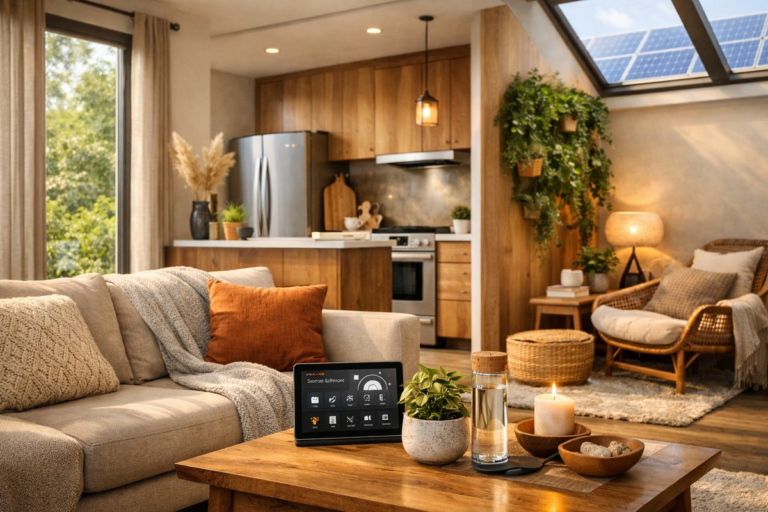
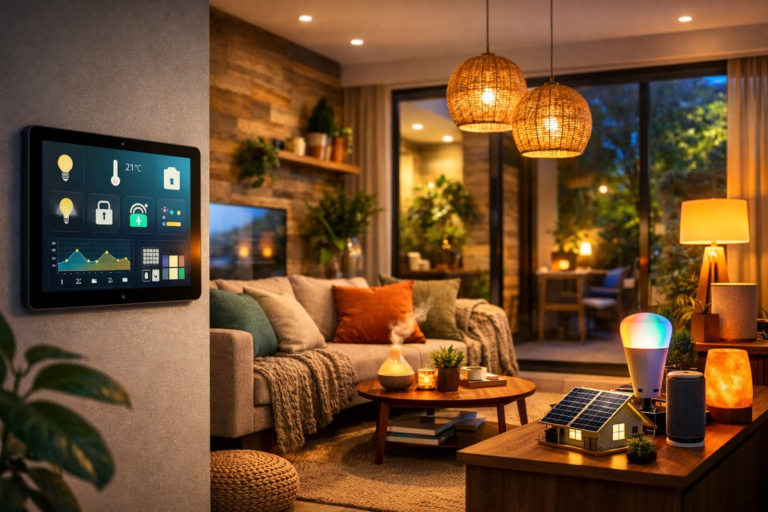
Smart climate control systems are among the first steps toward an intentional home. Traditional thermostats set a single temperature for the whole day, but modern units use motion and occupancy sensors to learn daily patterns, adjusting heating or cooling only when people are present. This “just-in-time” approach can reduce energy waste by up to 20%. In practice, a sensor in the living room detects your morning routine and smoothly warms the space before you head downstairs. In bedrooms, integrated humidity sensors ensure air quality remains optimal for sleep and reduce the growth of mold and mildew. These systems often come with companion apps that allow fine-tuning schedules on the go, so you never come home to an overheated or underheated house.
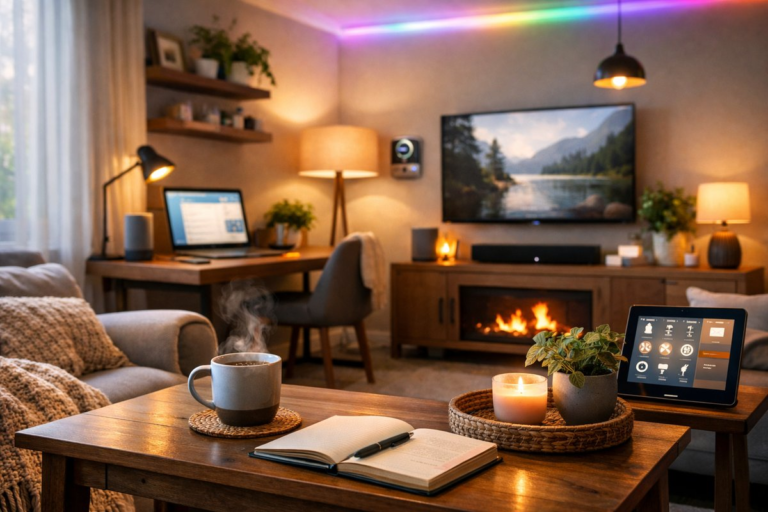
Lighting has undergone a similar transformation. LED hardware not only consumes a fraction of the energy of incandescent bulbs, it can shift color temperature over the course of the day. Cool white light in the morning mimics daylight, promoting alertness, while warmer tones in the evening encourage relaxation and help maintain healthy circadian rhythms. Advanced lighting platforms connect through mesh networks, allowing fixtures in different rooms to “talk” to each other. When a motion sensor by the front door triggers a soft welcome glow in the hallway, the entire system adjusts in concert, guiding you along a well-lit path. For entertainment areas, customizable color scenes can transition from bright reading mode to subtle accent lighting for movie nights.
While tech-driven upgrades draw headlines, sustainable materials remain a cornerstone of intentional interiors. Upcycling-from refinishing old wood cabinets to repurposing glass bottles into pendant lamps-offers a way to extend a material’s lifecycle and inject unique character. Textile choices matter, too: natural fibers like organic cotton, hemp, and recycled polyester carry lower environmental footprints than conventional synthetics. Rugs woven from reclaimed jute or recycled nylon divert waste from landfills and add layers of texture underfoot. Eco-friendly finishes on wood furniture can replace traditional varnishes that off-gas volatile organic compounds (VOCs), resulting in cleaner indoor air.
Modular furniture systems answer the need for flexibility in today’s homes. With more people working remotely and hosting guests irregularly, a sofa that folds out for overnight visitors or shelving that reconfigures from a room divider to a home office backdrop makes every square foot count. Lightweight panels and connectors let you create distinct zones-study nook, media corner, or mini yoga studio-without building permanent walls. When life changes, modules can be rearranged or expanded rather than discarded, reducing material waste and saving on the cost of new furniture.
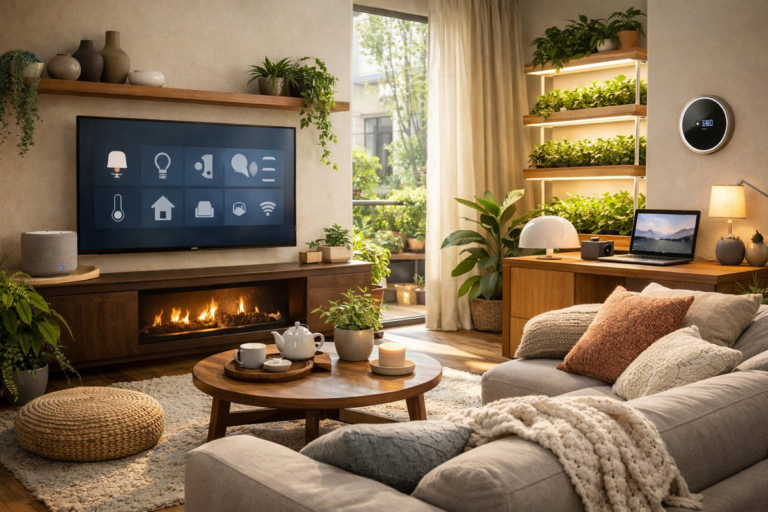
Intentional living also embraces multisensory design. Soft furnishings such as memory-foam armchairs, weighted blankets, and noise-dampening curtains address tactile and acoustic comfort. Meanwhile, ultrasonic diffusers release subtle blends of essential oils-lavender for winding down, citrus for focus-without the flame or soot of traditional candles. Pair these elements with a background soundscape from a smart speaker loaded with ambient tracks: gentle rain for concentration, white noise for privacy, or soft instrumental music for unwinding after dinner. Taken together, these layers of sight, touch, smell, and sound cultivate an environment that supports emotional health.
Connectivity extends beyond individual devices to entire neighborhoods. Shared solar arrays, community heat pumps, and networked water-management tools allow groups of households to pool resources, optimize consumption, and file for collective incentives. In some developments, a digital dashboard displays real-time usage metrics for power, water, and waste, fostering friendly competition among neighbors to lower footprints. Remote access ensures you can preheat the oven for a dinner party, check refrigerator contents while grocery shopping, or invite a cleaning robot in through a one-time digital key-all without compromising security or privacy.
Intentional home upgrades need not be overwhelming. Start by identifying a pain point-poor sleep, high energy bills, or lackluster ambiance-and then explore complementary smart or sustainable solutions. A single temperature sensor, upgraded LED bulbs, or a small area rug made from recycled fibers can mark the beginning of a more conscious approach to living. Over time, these incremental changes build a cohesive environment in which technology, design, and mindfulness converge. By aligning our living spaces with our values-comfort, sustainability, and flexibility-we create homes that truly serve the people within.
Living with intention transforms rooms into experiences. Whether you’re a tech enthusiast eager to automate every light switch or a design devotee searching for that perfect upcycled accent, the new frontier of home and living invites creativity, responsibility, and serenity. As you reimagine your space, remember that small choices accumulate into meaningful change. Start intentional upgrades today, and watch your home evolve into a sanctuary that reflects who you are and the future you want to build.