Location
Mount Vernon, WA 98274

Location
Mount Vernon, WA 98274
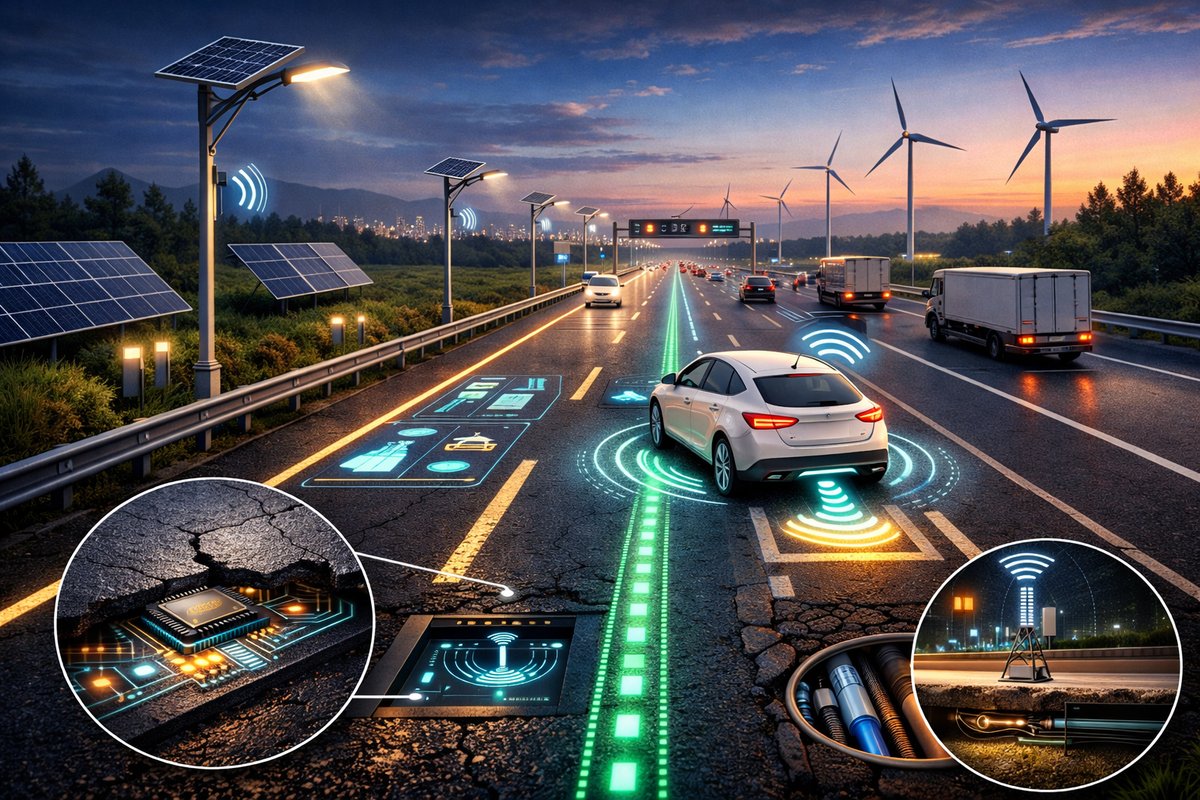
A new generation of smart pavement is turning highways into living systems. Embedded sensors, self-healing asphalt and vehicle-to-infrastructure links are converging in pilot projects worldwide, promising safer, greener, more resilient journeys.
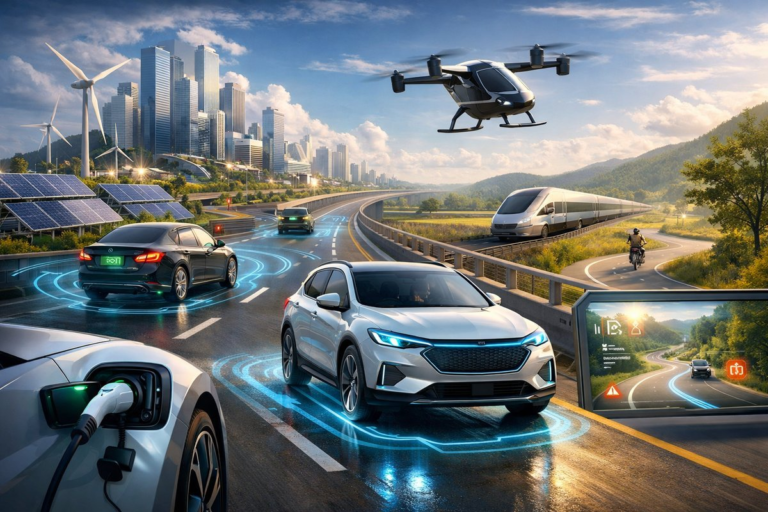
On a misty morning along a remote test corridor, engineers watched as a stretch of highway responded dynamically to the passing caravan. Under a thin layer of recycled asphalt laced with microscopic piezoelectric filaments, sensors hummed as they harvested the vibrations from tires, converting kinetic energy into data packets. LED filaments embedded in the surface shifted lane markings from straight lines to bold curves in seconds, guiding each vehicle toward the next charging bay. Here, the road isn’t a static platform but an active partner in every journey.
Behind this moment lies years of material research and rapid advances in embedded electronics. Piezoelectric sensors, long used in industrial machinery, now weave through asphalt to turn mechanical stress into electrical signals. Each axle imprint sends a pulse of data to edge processors housed in roadside cabinets. Traffic density, weight fluctuations and temperature changes are logged in real time. As cars roll over the smart surface, the pavement itself becomes a giant sensor array, revealing wear patterns long before cracks appear.
Alongside energy-harvesting fibers, thermochromic paints and low-profile LED strips are transforming how lanes and warnings communicate. During a sudden downpour, for example, sensors detect hydroplaning risk and trigger glowing chevrons to guide drivers toward safer speeds. In freezing conditions, the pavement’s wireless coils deliver pulses of warmth to melt black ice before maps can even locate it. These dynamic markings and localized heating zones represent a new chapter in traffic management, where infrastructure adapts instantly to evolving conditions.
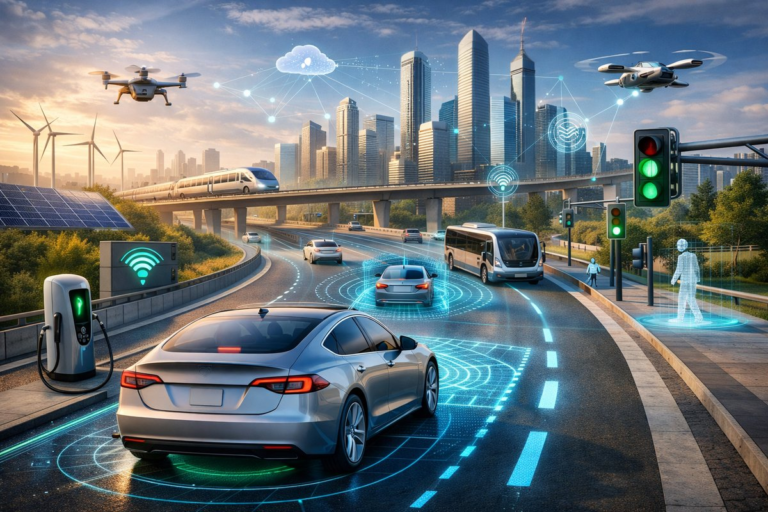
Connectivity is key. Vehicle-to-infrastructure (V2I) communication takes shape over next-generation cellular networks and low-power wide-area links. As a vehicle approaches a bridge with rising wind gusts, an alert flashes inside the cabin. The same data updates a central operations center that can redirect heavy trucks to alternate routes. Fleet operators tap into open data streams to plan maintenance windows and avoid bottlenecks. This two-way dialogue between cars and roads sets the stage for more efficient freight corridors and smoother commutes.
But the smart road concept extends beyond electronics. Self-healing asphalt formulations are being deployed in pilot sections from Europe to East Asia. Microcapsules filled with polymer healing agents rupture when cracks form, flowing into fissures and sealing them within hours. Overlay that was once patched by crews becomes largely maintenance-free. Early field trials report a 40 percent reduction in pothole repairs and a comparable drop in traffic disruptions. The long-term savings could tip the balance in favor of these advanced materials.
A complementary layer of soil-mounted sensors monitors subsurface moisture and freeze-thaw cycles that weaken pavement from below. Data from these probes feed machine-learning models trained on decades of network performance. Instead of reacting to visible damage, departments of transportation can forecast trouble spots and intervene preemptively. In one test district, sensors predicted a pavement failure near an off-ramp two months in advance, allowing crews to resurface the area with minimal lane closures.
To keep pace with scattered data points, robotics and drones are joining the team. Autonomous rovers patrol stretches of highway at night, scanning surface reflectivity, checking for debris and performing light sealant applications. Aerial drones equipped with thermal cameras hover overhead, pinpointing moisture intrusion and heat leaks in neglected shoulders. These automated inspections cut survey costs by half and collect higher-resolution data than manual surveys ever could.
All these streams feed into centralized platforms that use predictive analytics to shape maintenance schedules and optimize resource allocation. When an AI model identifies a cluster of sensors showing unusual stress, repair teams receive a digital work order with GPS waypoints. Materials and equipment are dispatched just in time, minimizing idle labor and preventing repeated visits. The integration of sensor networks, robotics and AI promises to unlock a new era of proactive infrastructure management.
Sustainability lies at the heart of this revolution. Many new pavement mixes incorporate industrial byproducts-rubber crumb from end-of-life tires, recycled plastics and slag from steel plants. These recycled aggregates reduce raw material demand and divert waste from landfills. When combined with energy-harvesting sensors and localized heating, the carbon footprint of road construction and maintenance can shrink significantly. Early lifecycle assessments point to potential carbon savings upwards of 30 percent compared to traditional asphalt.
Pilot programs are already under way across several regions. In a coastal province, a critical coastal highway has been outfitted with self-healing asphalt and sensor arrays. In a northern city famous for severe winters, test sections of LED-enhanced road paint helped cut winter accidents by nearly 15 percent. Officials speak of scaling these projects to major corridors if performance meets expectations. As budgets tighten, the evidence of fewer lane closures and extended pavement life is winning converts in finance offices and public works departments.
Of course, challenges remain. The upfront costs of smart pavement are higher than conventional mixes. Standards for sensor interoperability and data security must be established to prevent fragmentation. Cybersecurity experts warn that connected road networks could become targets for malicious attacks if encryption and authentication aren’t airtight. Building trust in the system will require rigorous testing, transparent protocols and collaboration between technology vendors and public agencies.
For road users, the benefits could be immediate. Imagine fewer surprise delays, smoother rides and real-time hazard alerts displayed on windshield heads-up displays. Emergency services can pinpoint incidents faster when sensors detect sudden stoppages or collisions. Bus fleets can maintain more reliable timetables when priority signaling communicates seamlessly with adaptive traffic lights embedded in the pavement.
The future might bring smart corridors that integrate dynamic tolling, wireless charging lanes for electric vehicles and modular pavement sections that can be swapped like building blocks. As autonomous vehicles proliferate, the need for reliable, data-rich roadways will only grow. A self-driving shuttle, for instance, could merge seamlessly into highway traffic if the road provides precise localization data and traffic flow predictions.
Turning these visions into reality requires public-private partnerships, pilot funding and policy frameworks that encourage innovation without sacrificing safety. Governments must balance the allure of high-tech upgrades with the everyday demands of motorists who need dependable roads. Industry consortia are forming to develop open-source standards for smart infrastructure, ensuring that municipalities of all sizes can tap into emerging technologies.
When we look back decades from now, today’s asphalt might seem primitive. Rather than silent stretches of blacktop, roads will be living networks of sensors, power harvesters, healing polymers and illuminating guides. They will think, adapt and even generate energy for the vehicles that traverse them. In that world, every commute becomes part of a larger dialogue between driver, vehicle and infrastructure-a truly connected journey.
The smart roadway revolution is underway. What was once mere pavement has evolved into a layered system of technology and materials, poised to reshape how we move. As trials expand and costs fall, expect to see responsive roadways transforming travel from static point A-to-B roads into living arteries pulsing with information.