Location
Mount Vernon, WA 98274

Location
Mount Vernon, WA 98274
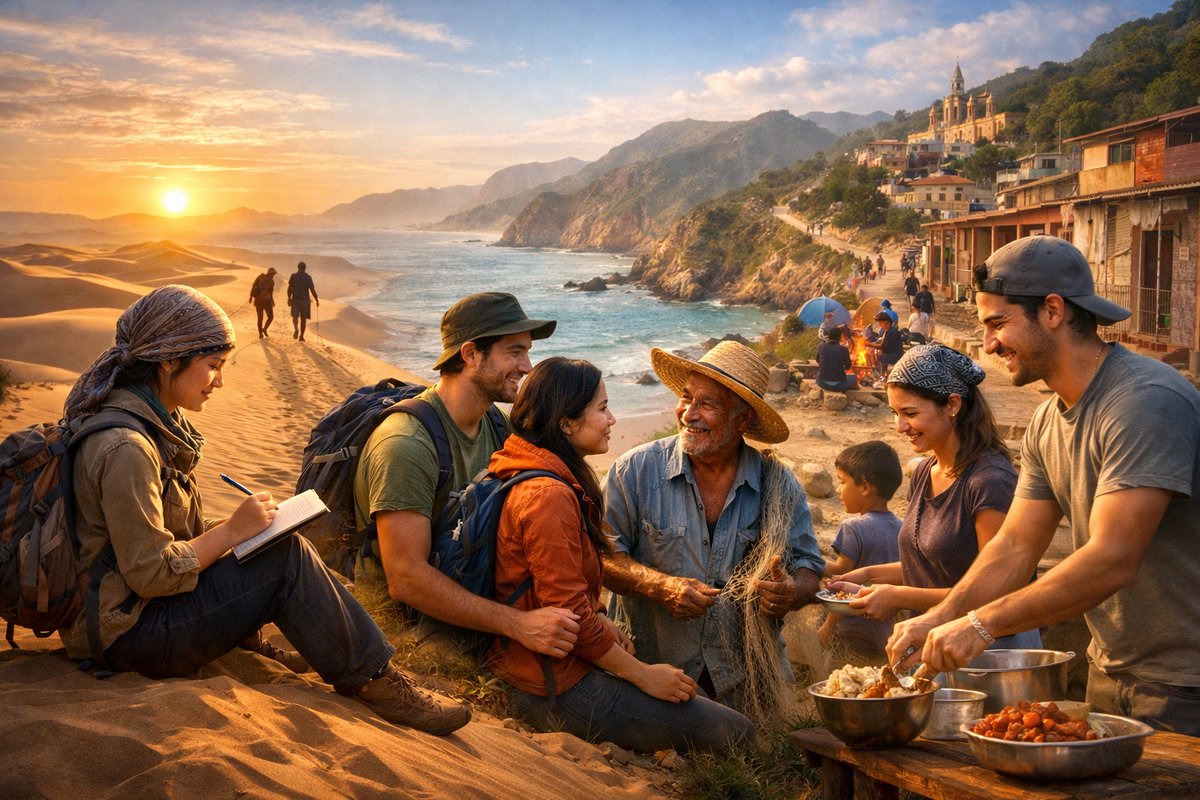
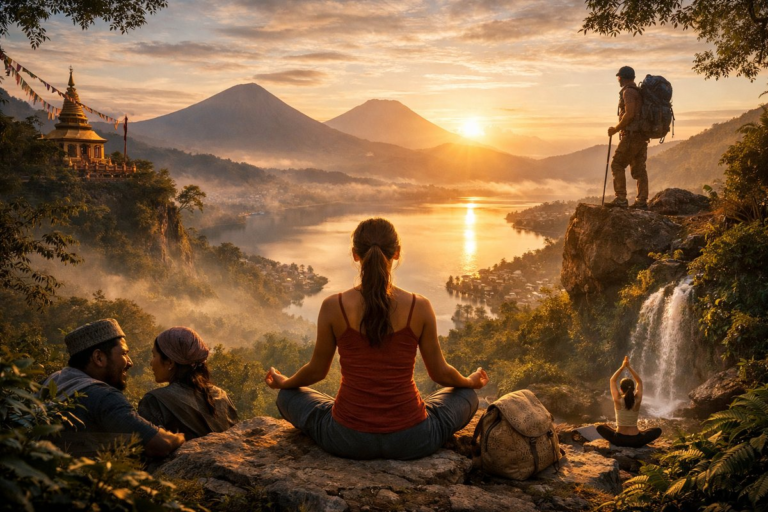
From desert dawns to coastal footpaths, modern explorers are seeking more than photographs and souvenirs-they're chasing connection, community and meaningful impact. Across landscapes both remote and urban, a new generation of travelers is redefining what it means to journey with intention.
A pale glow stretched across the salt flats long before dawn, and Maria gently pressed her fingertips to the frost-hardened ground. She was one of a handful of travelers who had chosen the remote plateau for its night skies and Andean culture, arriving not by glossy tour bus but in small groups organized by a local guide collective. Their mission: bear witness to ancestral ceremonies, contribute to community projects and return home transformed rather than merely refreshed.
This scene, far from a staged postcard, captures a growing shift in the way people travel. As social media algorithms served up pristine beach selfies and viral city shots, a parallel movement crystallized around the idea that vacations can-and should-carry purpose. It isn’t simply about checking off landmarks; it’s about making travel a conduit for curiosity, empathy and collective wellbeing.
Across continents, independent operators and small nonprofits have geared itineraries toward cultural exchange, environmental stewardship and hands-on learning. In Patagonia, travelers join reforestation campaigns on windswept hillsides. In Sicily, they apprentice with beekeepers to understand sustainable pollination. In rural Japan, visitors stay in historic farmhouses to help preserve rice terraces and local festivals. These immersive experiences often come with an unspoken agreement: simplify your packing list, slow your pace, open your mind.
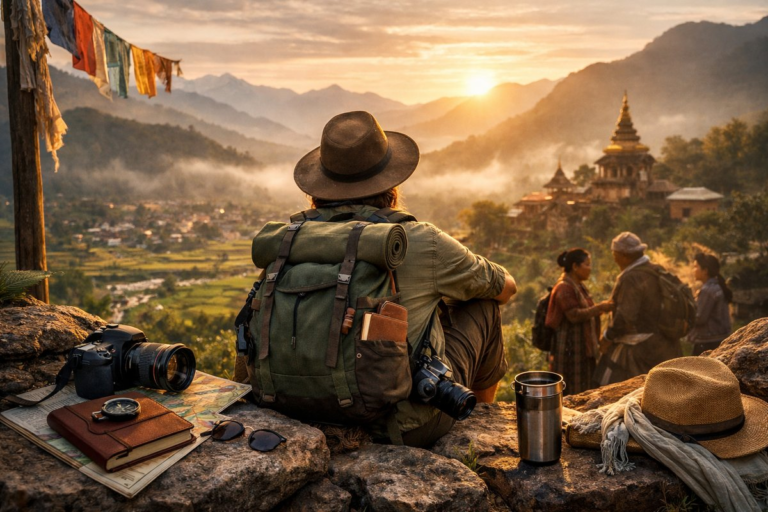
Indeed, the packing ritual itself has been reinvented. Rather than a wardrobe of bright prints, purpose-driven explorers favor multifunctional layers and eco-friendly gear. A lightweight water filter bottle has become as essential as a passport, letting wanderers sip safely from mountain streams while minimizing plastic waste. When solar panels unfurl on a rooftop terrace, they power cameras and chargers without relying on diesel generators. These small items amplify impact: a portable solar charger keeps a satellite hotspot alive for remote calls, and a compact binocular helps pinpoint nesting condors for a citizen-science survey.
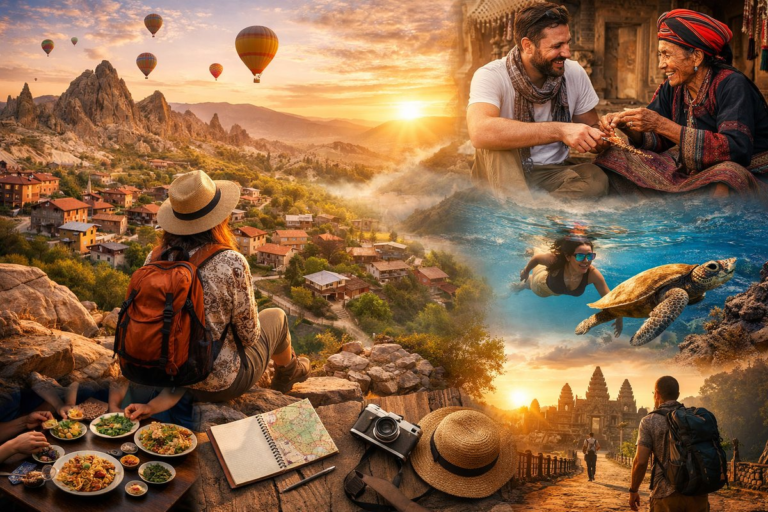
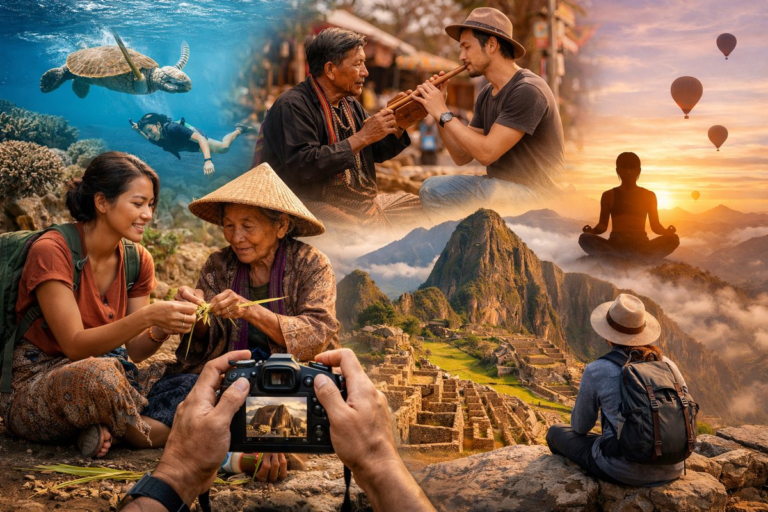
Movement through landscapes now feels collaborative. In coastal villages of Southeast Asia, visitors learn to identify coral species alongside marine biologists, diving onto reefs once battered by overfishing. Later, they gather with artisans weaving baskets from reclaimed fishing nets, part of an initiative to turn ocean debris into income streams. Far from a silent selfie moment, these journeys underscore how local ingenuity and foreign interest can coalesce into resilient economies.
Urban explorers are joining the trend too. In a bustling capital city, a guided walk focuses less on monuments and more on migrant kitchens, street art installations and grassroots urban farms. Participants taste fermented breads baked with surplus grain and help harvest lettuce hanging from vertical racks in a reimagined alleyway. The line between tourist and volunteer blurs, as each visitor offers skills-graphic design, social media tips or basic carpentry-to help neighborhood initiatives flourish.
While the notion of giving back could feel burdensome, many operators have fine-tuned their offerings to balance contribution and downtime. After a morning spent clearing invasive plants on an island reserve, guests might unwind in a solar-heated hot pool, stargazing under near-complete darkness. Others retreat to tiny eco-cabins on stilts above a mangrove lagoon, where silence and bioluminescence become the richest souvenirs.
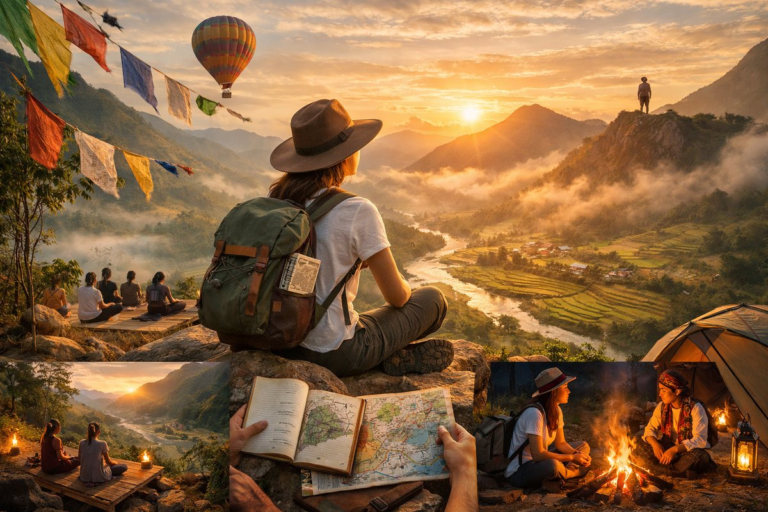
Digital nomads are also recalibrating their routines. With remote work now routine for many, months-long stays in village hamlets have replaced weekend brunch-and-museums city breaks. High-speed wireless hotspots, noise-cancelling earbuds and minimalist travel routers keep Zoom rooms humming even amid thatched-roof compounds. Yet free time is spent mapping trails, visiting community libraries stocked with donated books, or learning local games from neighborhood elders.
Health and safety remain top of mind. A compact first-aid kit stocked with basic wound care and altitude-sickness remedies sits alongside natural insect-repellent patches derived from native botanicals. Travelers share digital check-in apps that notify family members of their coordinates when they head off on solo treks. This blend of tech and traditional knowledge ensures that exploration is both empowering and secure.
What ties these threads together is intention. Travelers begin by asking: What skill can I share? What story can I learn? How can I minimize my carbon footprint? Tour operators respond by designing small cohorts, transparent fee structures and community-led debriefs that measure social and environmental outcomes. Post-trip surveys track not only satisfaction but also volunteer hours contributed and hectares reforested.
This model isn’t confined to remote wilderness. Even weekend getaways now come with purpose options: tree planting along suburban greenways, graffiti art workshops in revitalized industrial yards or pop-up repair clinics for donated bicycles. The democratization of purpose-driven trips means that anyone with a free Saturday and genuine curiosity can participate.
Critics warn of “voluntourism” scams or experiences that prioritize optics over impact. Responsible operators address those concerns by forging long-term partnerships with host communities and adhering to international standards for sustainable tourism. Independent certification programs audit projects for transparency, community consent and fair compensation. Travelers who do their homework find opportunities vetted by nonprofit coalitions and peer reviews, helping avoid token efforts that do little more than fill a social media feed.
The emotional arc of these journeys often mirrors the landscapes themselves-rugged at first, then revealed as rich and interconnected. Participants return with not just photos but stories of late-night storytelling by adobe fires, of shared meals where everyone cooks a dish, and of friendships formed across language barriers. Some come back with commitments to support local cooperatives or to lobby for environmental protections back home.
Brands have noticed too, though purpose-driven travelers remain skeptical of greenwashing. Those earning genuine respect invest in transparent supply chains, support fair wages for guides and artisans, and fund local conservation projects. Reward programs for loyalty might include micro-grants for alumni-led community initiatives. This synergy raises the bar: customers seek ethics as much as comfort, and companies compete on quality of impact.
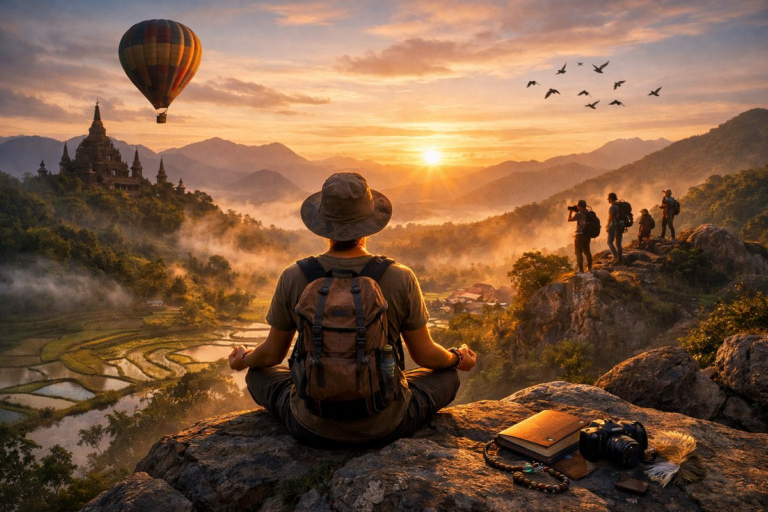
For the modern traveler, the takeaway is clear: the world no longer needs another generic city tour or cookie-cutter beach package. Instead, the most prized souvenirs are relationships forged, ecosystems restored and local economies invigorated. Each mile traveled becomes a mile invested in shared futures.
As Maria zipped up her backpack on that high-altitude plateau, she slipped a handwritten postcard into the guide’s collection bucket-a simple note of thanks and an invitation to collaborate on a cultural exchange next season. Her journey had been about more than altitude and sand; it had been about people and purpose. And that, for countless fellow explorers, is the true destination.
Whether plotting a coastal canoe trip to map seagrass meadows or arranging a weekend build-day at a mountain sanctuary, travelers today carry an ethos: seek wonder, give back, and tread lightly. The hope is that each step, each conversation and each discovery echoes far beyond any photograph, weaving a network of mindful exploration that endures long after the plane touches down.
And so, the rise of travel experiences steeped in intention continues to reshape how we see ourselves and the world. No longer content to pass through, purposeful travelers are anchoring themselves in communities, ecosystems and narratives that promise to transform both guest and host in equal measure. Because when every mile matters, the journey never really ends-it evolves, expands and invites us to keep learning and caring, wherever we go.