Location
Mount Vernon, WA 98274

Location
Mount Vernon, WA 98274
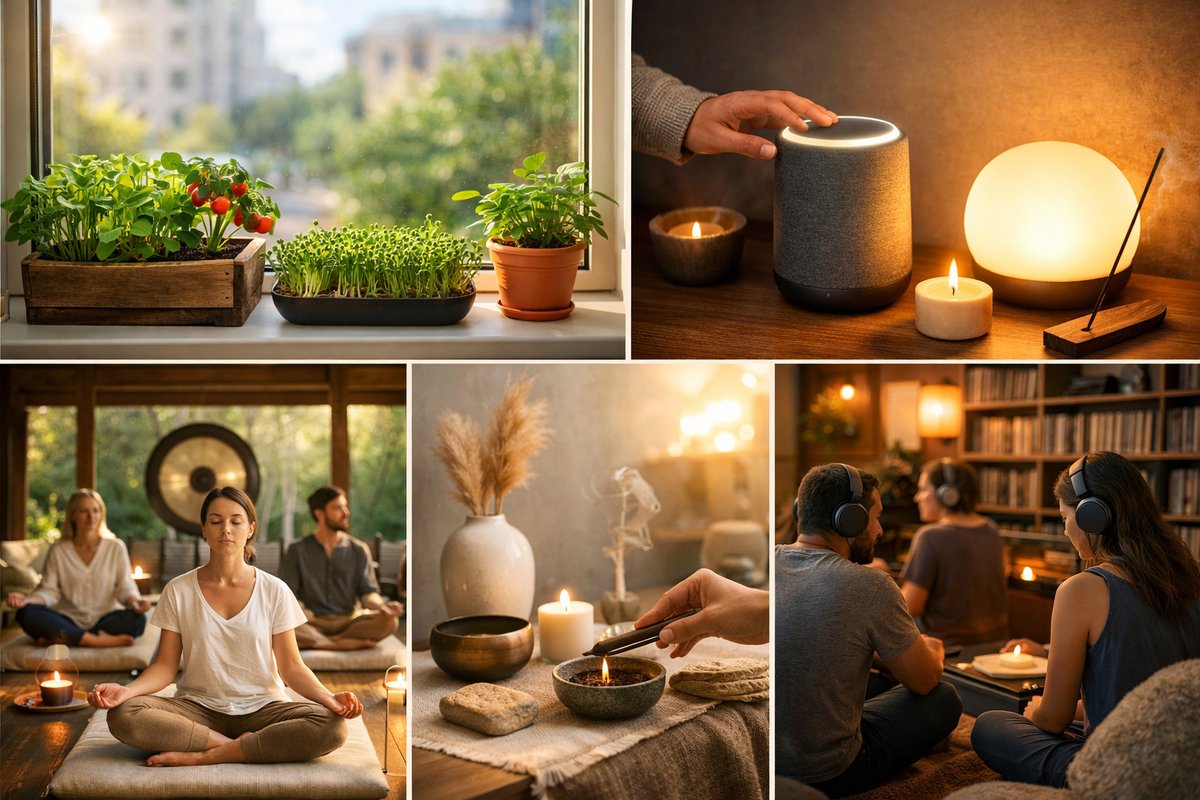
From micro-gardens sprouting in window sills to voice-activated light rituals that mark daily transitions, a wave of granular trends is redefining how we connect, consume, and find meaning in routine. Across digital detox retreats, communal audio salons and minimalist home ceremonies, these signals of change are sketching an emergent landscape of personalized, momentary experiences.
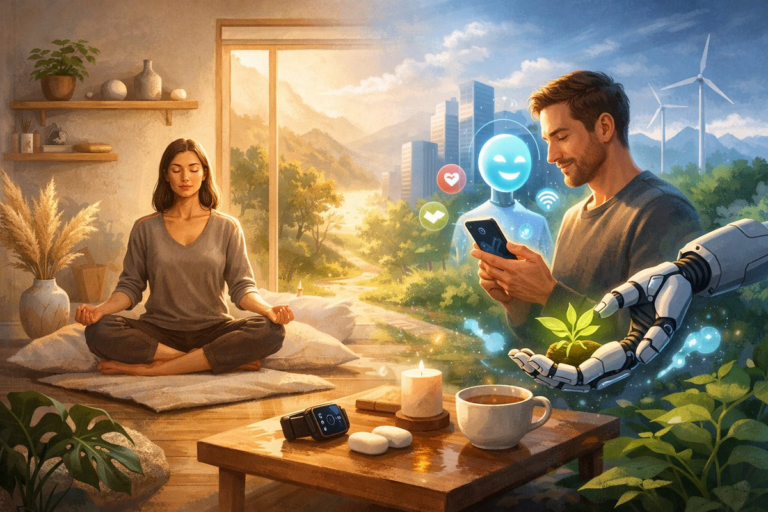
Every morning, a growing number of city dwellers pause their streaming playlist to tend tiny basil shoots perched on reclaimed wood shelves. By dusk, smart bulbs pulse through soft gradients as voices quietly gesture across the room: a whispered command dims overhead lighting, initiating a thirty-second wind-down ritual. These seemingly disparate actions-plant care, voice-activated ambience and pause-driven mindfulness-are threads in an emerging tapestry of micro-movements reshaping daily life.
At its core, this new ecosystem values ephemerality: carefully designed experiences that bloom and fade to accommodate changing moods, environments and social constellations. Rather than sprawling cultural shifts that span years, micro-movements launch and dissolve in days or months, leaving behind subtle traces and novel templates for living. They thrive on immediacy, personal curation and the human craving for rituals that mark transitions and forge connection in a world that often feels overwhelming.
One vibrant strand is the revival of micro-gardening in ultra-compact spaces. As urban apartments shrink and balconies vanish, residents are turning to modular indoor gardens no larger than a shoebox. These kits-often built around smart sensors that regulate light and moisture-enable anyone to cultivate herbs, leafy greens or edible flowers in under a square foot. Beyond the culinary payoff, micro-gardens offer moments of mindful focus: tiny ecosystems demanding only a few ritualized minutes of care. Enthusiasts share snapshots of lush basil clusters, tender tomato sprouts and sprouted microgreens in online communities, forging unexpected camaraderie across continents.
Meanwhile, ambient technology is blurring boundaries between utility and ritual. Voice-activated devices once billed as convenience machines are now repurposed into domestic sound sculptures. Early adopters sequence multi-stage lighting scenes: an invigorating “morning bloom” palette, a “midday clarity” setting-all invoking nature’s diurnal rhythms. Tiny clusters of wireless earbuds become conduits for shared audio escapes: one person’s guided breathing exercise can be piped simultaneously to teammates scattered across time zones, fostering communal calm on demand. Such setups rely on affordable smart lighting starter kits, modular speaker arrays and wireless earbuds that slip discreetly into daily routines.
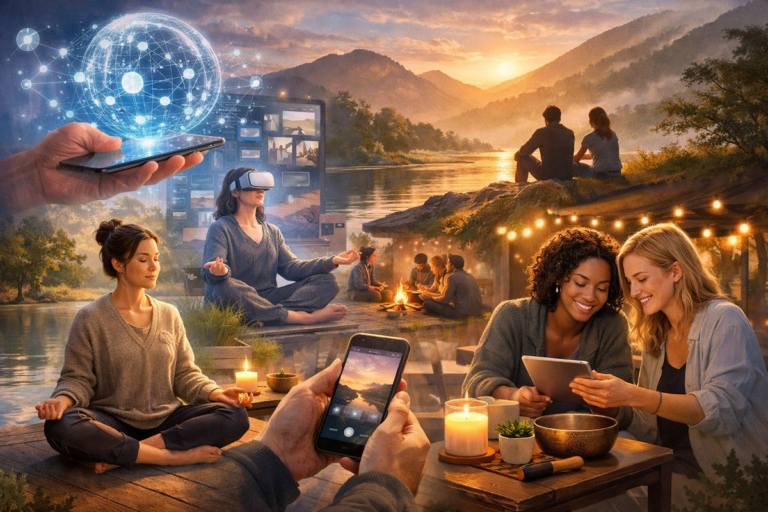
In parallel, digital detox cafes and micro-retreat pods are popping up in downtown office towers. These spaces are designed for five-minute resets rather than full-day escapes. Patrons enter minimal wooden booths, close a privacy curtain and engage in brief guided meditations, breathwork exercises or silent reading sessions under soft, adjustable light. Some venues offer customizable soundscapes-rainfall, soft percussion or distant forest calls-triggered via wall-mounted tablets. The appeal lies in reclaiming small pockets of mental calm amid a relentless workday, reframing wellness as a series of micro-breaks instead of grand vacation getaways.
Fashion is also fragmenting into ephemeral bursts. Pop-up clothing swap events, often hosted in converted shipping containers or park pavilions, invite participants to trade select wardrobe items for a few hours. Curators deck out temporary rails of curated pieces-seasonal scarves, upcycled denim, one-off accessories-and encourage quick trials under outdoor canopies or dappled sunlight. The format challenges the traditional retail cycle, replacing months-long collections with day-long micro-capsules that sprint through trends at pace with shifting tastes.
Digital wardrobes amplify this impulsive sharing ethos. Apps that let users borrow outfits for tight time windows-an upcoming meeting, a weekend trip or an impromptu gathering-have surged in downloads. Rather than owning dozens of seldom-worn statement pieces, urban professionals now swipe through virtual closets, reserve a garment for forty-eight hours and return it via an eco-friendly courier service. These platforms bake sustainability into the rental fee, often covering garment repair, cleaning and carbon-offset shipping.
Audio chatrooms, resurrected in pandemic lockdowns, have matured into curated “intimate salons.” Leaders with thematic playlists or guided discussion prompts shepherd groups of a dozen or fewer into hour-long sessions exploring everything from backyard worm composting to lucid dream journaling. These gatherings harness the power of real-time conversation without the visual fatigue of video calls, weaving audio intimacy into day-to-day life.
Meanwhile, journaling has evolved from paper-bound diaries into micro-prompt apps. Users receive two-sentence prompts tailored to time of day-“Name one small blessing you noticed this morning” or “Describe the texture of your workspace surface.” Responses can be typed or dictated, then stored in a private cloud vault. Daily exports stitch together a fluid tapestry of thoughts, moods and micro-observations across weeks and months.
At the intersection of these trends lies a broader longing for rituals that honor individual agency amid societal flux. The appeal of fleeting rituals and customizable tech is their low barrier to entry. You don’t need a spare room or a hefty investment-just a handful of smart bulbs, a packet of herb seeds and five minutes between Zoom meetings. The resulting moments of delight accumulate, forging an emergent architecture of care that flexes with our shifting contexts and emotional needs.
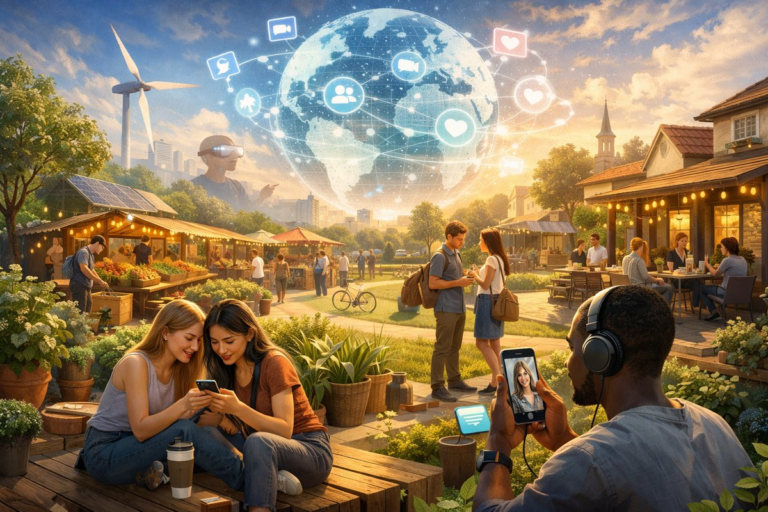
Critics caution that hyper-personalization risks fragmentation, leaving individuals isolated in custom cocoons rather than forging shared culture. Yet many proponents argue the opposite: that by tuning into micro-rituals aligned with genuine interests and emotional rhythms, people can connect more deeply when they do come together. A basil-tending meet-up, for example, might unite food lovers with novice growers in a local community center. An audio reading salon could pair fiction devotees across continents for a live exchange of reactions and reflections.
Emerging data suggests these micro-patterns are more than passing fads. A survey of remote professionals found that 68 percent reported adopting at least one micro-wellness ritual-be it a two-minute mindfulness break or a portable coffee ritual-within the past year. Searches for “small space garden kit” spiked 140 percent over twelve months, while downloads of minimal journaling apps jumped by 85 percent. Even micro-weddings-ceremonies capped at ten guests, often held in urban rooftops or gallery backrooms-have quadrupled in inquiries for minimalist event planners.
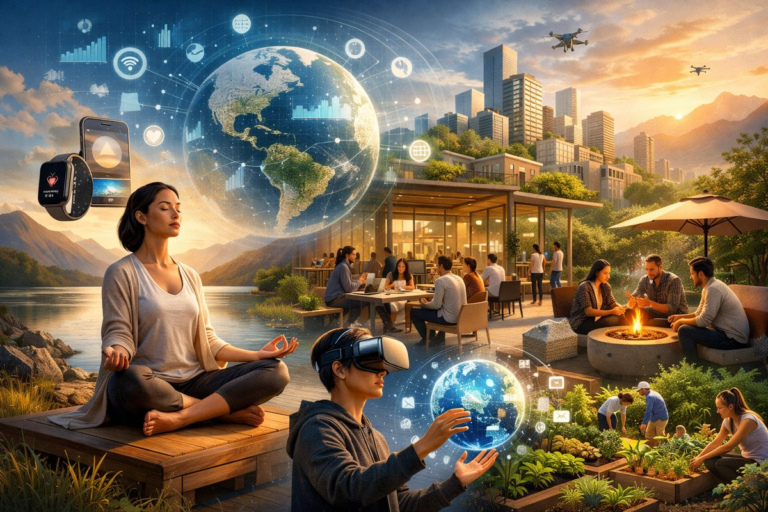
As we peer ahead, these signals hint at a future organized around micro-ecosystems rather than monolithic institutions. Daily life may increasingly revolve around modular components-tiny green patches, light-guided moments, audio salons, rental wardrobes-each offering a distinct sense of agency, creativity and connection. They’re not meant to replace grand narratives or large-scale initiatives, but to complement them: building blocks that individuals can assemble, experiment with and discard at will.
In this unfolding landscape, designers, technologists and community builders are tasked with creating tools that honor choice and fluidity. Open-ended lighting systems, intuitive garden sensors, frictionless rental platforms and discreet audio interfaces will form the infrastructure of these micro-ecosystems. The challenge lies in weaving these elements into coherent narratives, ensuring that the next morning’s basil ritual or the evening’s audio reading circle feels like part of a broader journey, not an isolated indulgence.
Ultimately, the arc of these small-scale shifts may reshape our sense of collective life. When rituals are by definition fleeting, they encourage presence and attentiveness. When technology is ambient rather than intrusive, it fades into the background, letting human intention drive experience. Together, these patterns of micro-ritual and modular living offer a model for navigating uncertainty: one thoughtfully curated moment at a time.